
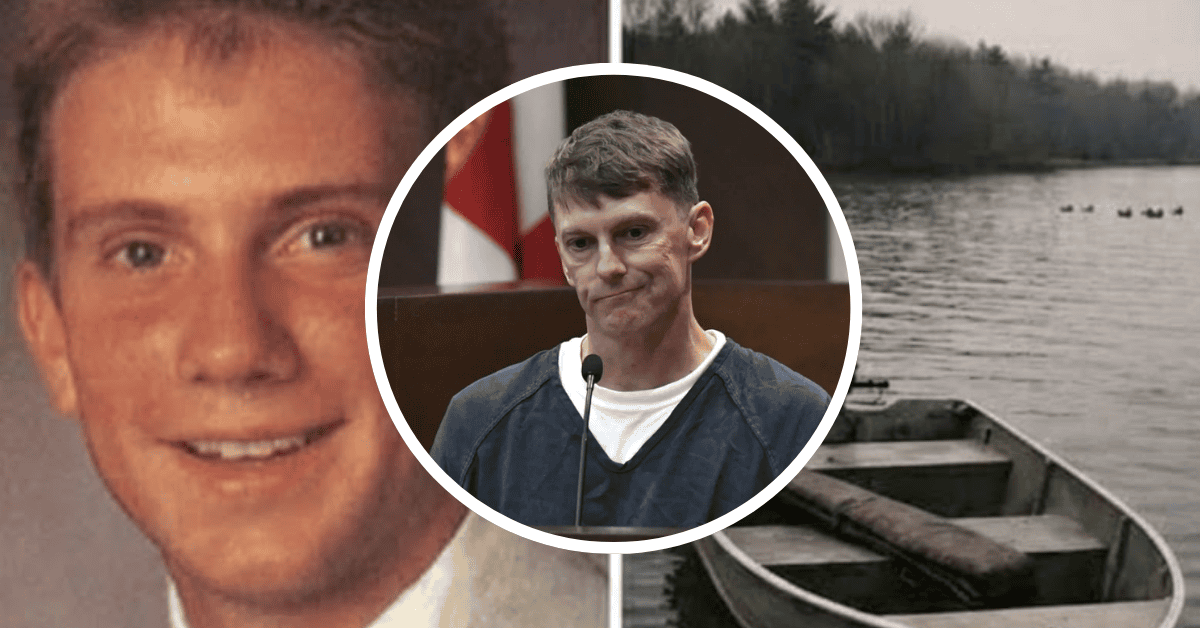
He went out for a duck hunt and never came back, and for sixteen years, the official story insisted that nothing more complicated than bad luck was to blame.
In December of 2000, Mike Williams left his home in Florida before dawn, heading to Lake Seminole for a day of hunting. It was the kind of routine trip that didn’t invite concern. When he failed to return, however, authorities found his boat drifting on the lake. The motor was still attached. His shotgun remained zipped inside its case. There were no clear signs of a struggle. Investigators concluded that Williams had likely fallen into the cold water and drowned, possibly dragged under by alligators. It was labeled a tragic accident, and the case was closed.
Everyone was expected to accept that explanation. Everyone except one person.
Mike’s mother could not make the pieces fit. The scene didn’t align with her understanding of her son’s habits or with basic logic. Why would an experienced hunter leave his gun behind? Why was the boat found the way it was? She raised questions repeatedly, only to be told that grief was clouding her judgment. Over time, her doubts were treated as an inability to let go rather than as legitimate concerns. Still, she persisted, year after year, refusing to believe that the truth was as simple as she had been told.
For more than a decade, nothing changed. Mike’s wife, Denise Williams, moved forward with her life. Eventually, she married Brian Winchester, Mike’s closest friend. To outsiders, it looked like an unfortunate but understandable evolution—two people bonded by shared loss. The official story of an accident made everything appear plausible.
Then, in 2016, the narrative collapsed.
A staged kidnapping involving Denise unraveled under scrutiny, drawing law enforcement back into Mike Williams’s long-closed case. Faced with mounting evidence, Brian Winchester confessed. He admitted that the duck hunt had never been innocent. He had shot Mike that day on the lake after a failed attempt to make the death look accidental. This was not a moment of sudden violence or panic. Prosecutors described it as deliberate, rehearsed, and calculated.
The motive was equally chilling. Winchester and Denise had planned the murder so they could be together. Authorities later stated that Denise played an active role in orchestrating the crime, believing that Mike’s death would clear the path to a new life. What had been dismissed as misfortune was, in reality, betrayal carried out by the two people Mike trusted most.
Sixteen years passed before justice finally arrived. Sixteen years in which a mother was denied time with her granddaughter. Sixteen years in which a child grew up without knowing the truth about how her father died. Sixteen years in which an easy explanation silenced deeper questions.
This case endures because it exposes how readily a convenient story can override critical thinking, and how persistence—especially when it comes from someone who refuses to be dismissed—can still uncover the truth. Sometimes the most dangerous lies are not elaborate fabrications, but the ones that sound reasonable enough to end the conversation.