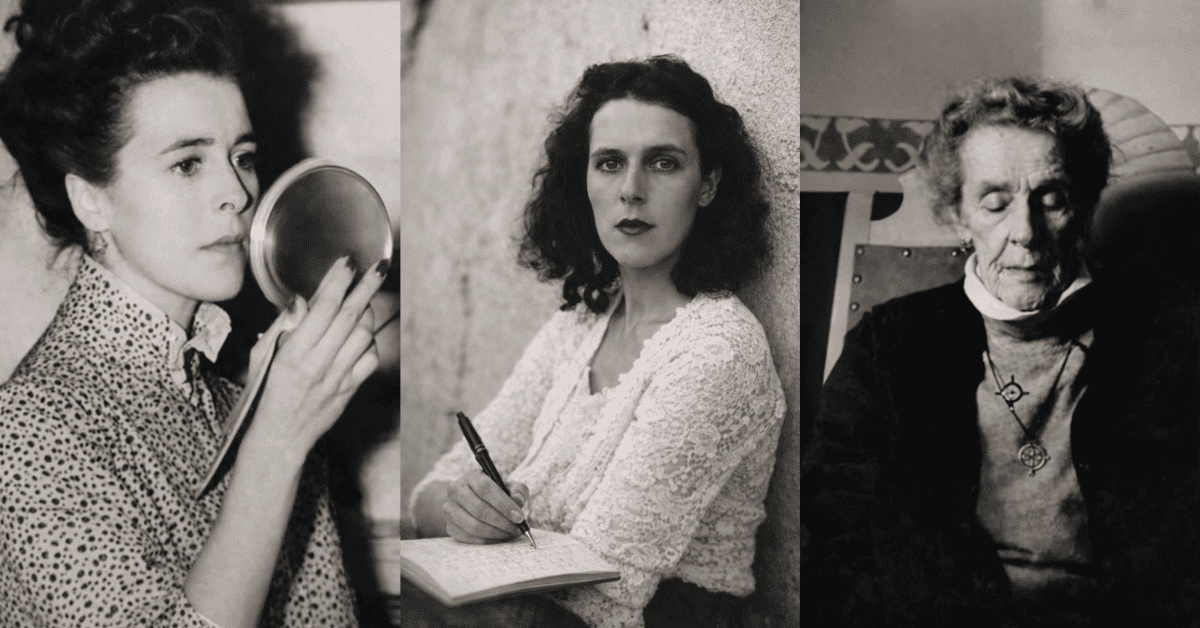
In 1940, Leonora Carrington’s life collapsed in rapid succession.
She was only 23 years old, a rising surrealist artist living in Europe as war spread across the continent. Her partner, Max Ernst, was arrested by the Nazis. France fell. Leonora suffered a psychological breakdown amid fear, displacement, and loss.
What followed was not care it was confinement.
Leonora was taken to a psychiatric asylum in Santander, Spain, where she was subjected to harsh institutional treatments, including injections intended to induce seizures. The goal was not healing. It was control. Doctors believed her imagination was illness, her independence a symptom to be corrected.
She was expected to disappear quietly.
She didn’t.
Inside the asylum, Leonora began to observe everything the routines, the cruelty, the language of authority used to strip patients of identity. She held onto one thing that could not be confiscated: her inner voice.
And she began to write.
After her escape and eventual recovery, Leonora turned those experiences into a memoir titled Down Below. The book was not polished or comforting. It was raw, fragmented, and unflinching. She described the asylum from the inside, refusing to soften the violence of institutional psychiatry or romanticize her suffering.
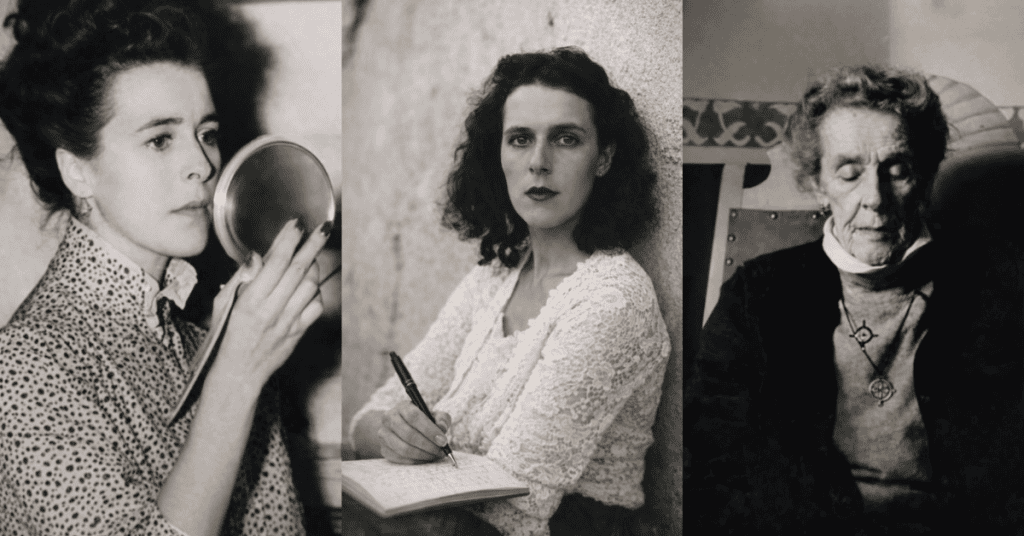
At a time when women’s mental health experiences were dismissed or silenced, Leonora documented hers with precision and defiance.
Down Below became one of the most powerful firsthand accounts of psychiatric confinement in the 20th century. It exposed how easily creativity could be labeled madness and how systems built to “treat” could instead erase.
But Leonora Carrington was never meant to be reduced to survival alone.
She went on to build a remarkable artistic career, eventually settling in Mexico, where she became a central figure in surrealism. Her paintings and writings explored myth, transformation, and female autonomy worlds where women were never passive, never voiceless.
She rejected the idea that madness defined her. She insisted that imagination was not pathology.
Leonora Carrington lived to be 94 years old. By the time she died in 2011, she was recognized not only as a surrealist icon, but as a woman who turned attempted erasure into testimony.
What makes her story endure isn’t that she suffered.
It’s that she recorded it.
She took an experience meant to silence her and forced the world to witness it. She transformed institutional violence into literature, fear into language, confinement into legacy.
Leonora Carrington did not return from the asylum cured.
She returned authored.
And in writing herself back into existence, she proved something systems could never extinguish: creativity survives where control fails.
Sometimes, survival is not enough.
Sometimes, telling the truth is the revolution.