What if I told you a billionaire once bought part of the Amazon not to exploit it, but to make sure nobody else could?
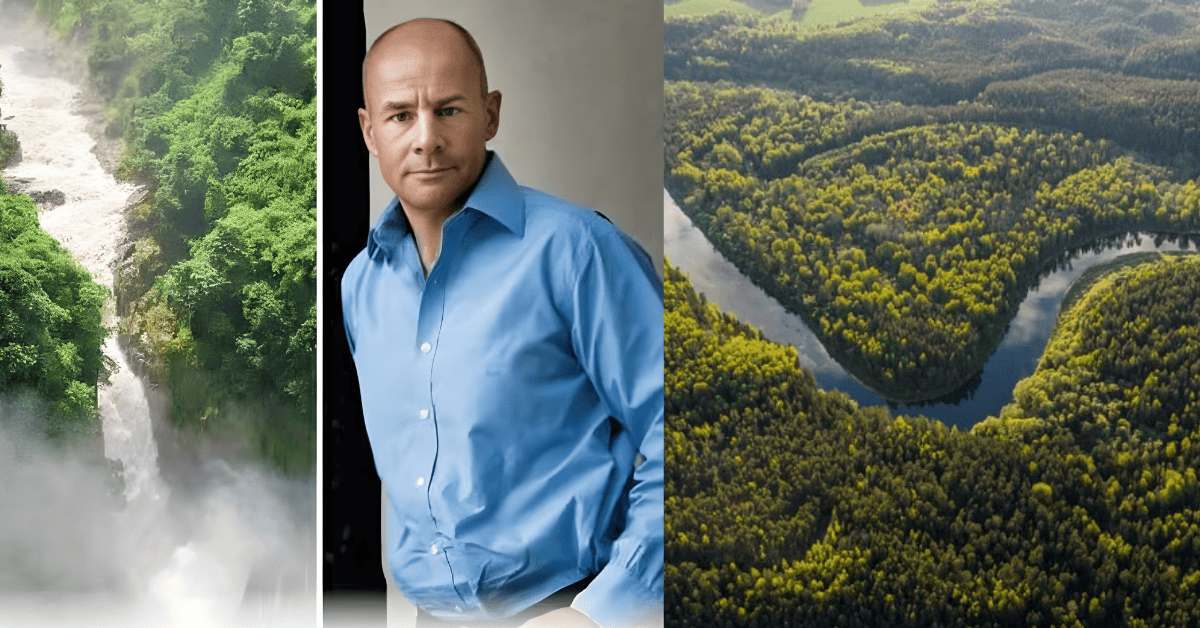
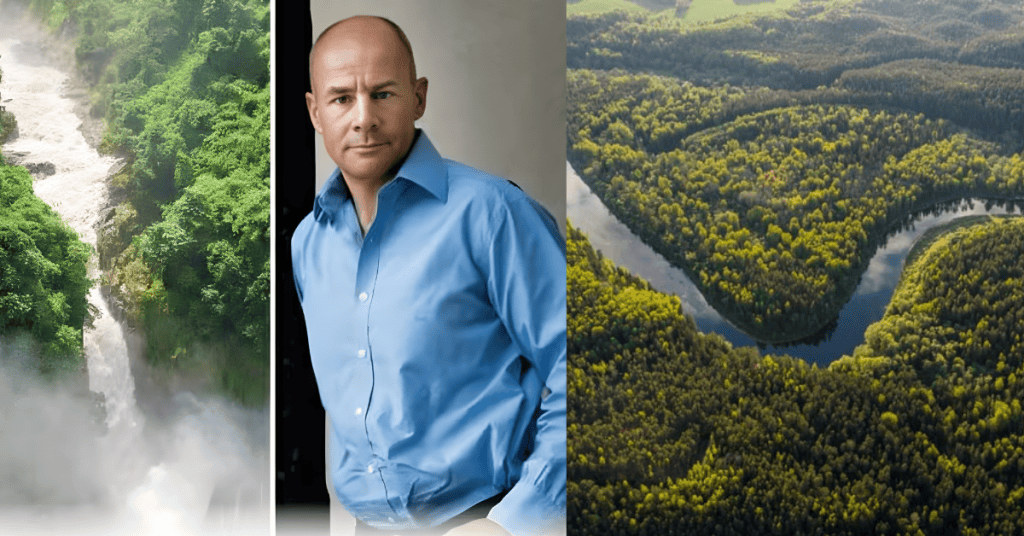
In 2005, Swedish financier Johan Eliasch made a quiet decision that ran against every expectation of how wealth usually behaves. He purchased a Brazilian logging company that controlled roughly 400,000 acres of rainforest. The business existed for one reason: to cut trees and sell timber. Eliasch didn’t step in to optimize profits or polish its image. He shut the operation down and stopped the cutting entirely.
There were no grand announcements. No branding campaign. No dramatic speeches. At the time, deforestation in Brazil was accelerating rapidly, driven by logging, cattle expansion, and global demand for cheap raw materials. Forests were treated as inventory, valuable only once destroyed. By buying the company, Eliasch removed a massive stretch of rainforest from that equation. A profit-driven enterprise became a privately held forest, and the chainsaws went silent.
Environmental reporting later confirmed the scale and immediacy of the impact. Land that was scheduled for extraction was left standing. Wildlife remained undisturbed. Carbon stayed locked in trees instead of released into the atmosphere. It wasn’t preservation by regulation or protest. It was preservation by refusal.
The decision sparked discomfort. Critics asked whether conservation should ever depend on the choices of a single wealthy individual. What happens when protection relies on private ownership rather than public responsibility? Others, more reluctantly, acknowledged the reality of the moment. In a system that rewarded destruction and delayed enforcement, the forest was safer in the hands of one determined owner than in the open market.
Eliasch later spoke openly about the contradiction. Global markets, he argued, assign value to trees only after they are cut down. Standing forests are treated as wasted potential. His purchase wasn’t meant as a model solution. It was a demonstration of how broken the incentives had become.
This single act did not save the Amazon. It did not stop deforestation or fix climate change. But it exposed an uncomfortable truth. When laws move slowly and economic incentives point in the wrong direction, power can act faster than policy. That reality forces difficult questions about responsibility, ownership, and who ultimately decides the fate of irreplaceable ecosystems.
Sometimes conservation doesn’t arrive as a movement or a law. Sometimes it looks like one person drawing a hard line and saying no. No to profit. No to efficiency. No to the idea that everything must be consumed to matter. Sometimes the most radical act of protection is simply refusing to let destruction remain profitable.
It doesn’t make Eliasch a hero, and he never claimed to be one. It simply shows how fragile protection can be when profit decides value. The forest survived because someone chose restraint over return. That choice cannot replace collective action, but it reminds us that saving anything often begins with someone willing to absorb the cost of saying no, even when the system insists yes is easier, faster, and more tempting.