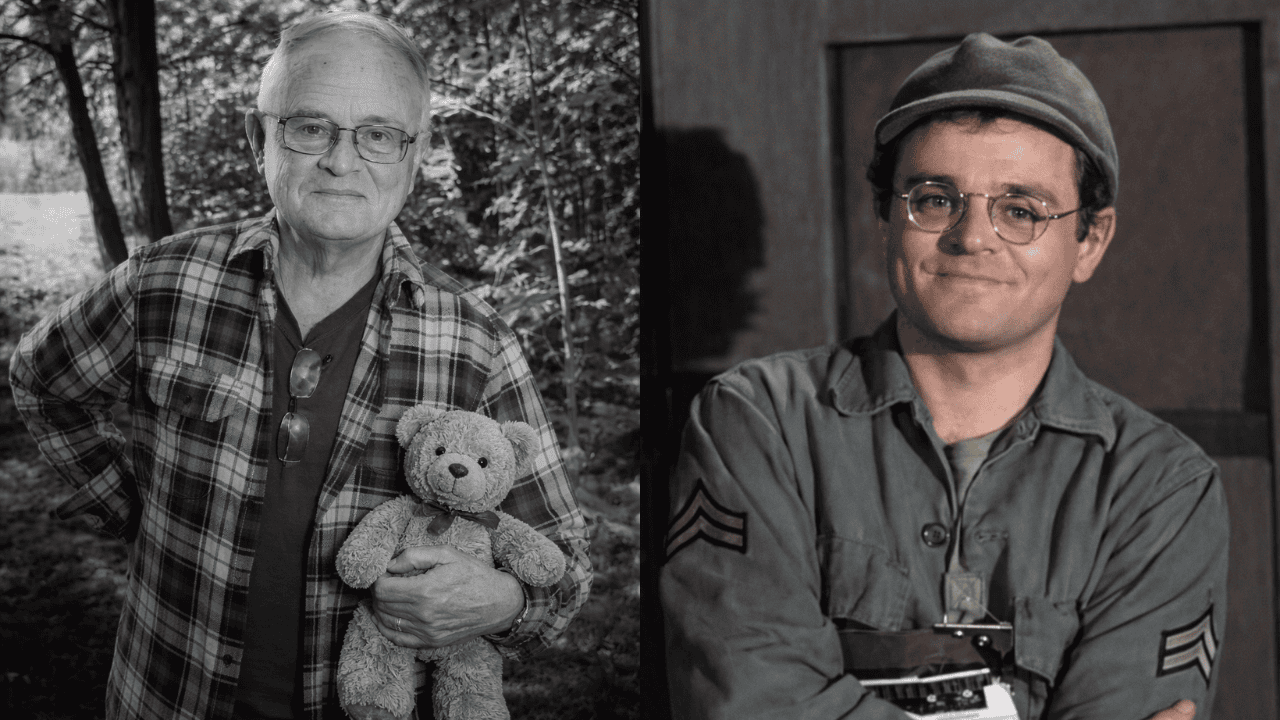
In October 1979, at the height of one of television’s most successful shows, Gary Burghoff made a decision that surprised both fans and colleagues. Standing on the set of MASH*, a series watched by millions each week, he quietly chose to walk away. At a time when most actors would hold tightly to such success, Burghoff stepped back from the spotlight.
He had played Corporal Walter “Radar” O’Reilly, a character known for his innocence, loyalty, and almost uncanny ability to anticipate what others needed. Radar became the emotional center of the show, a steady presence in the chaos of war. Audiences connected deeply with him, and much of that connection came from Burghoff’s own gentle, understated performance.
What made his role even more unique was that he had been with Radar from the beginning. Burghoff first portrayed the character in the 1970 MASH* film and was the only actor to carry the role into the television series. Over the years, Radar evolved into one of the most recognizable and beloved figures on television.
But behind that success, Burghoff was carrying his own challenges.
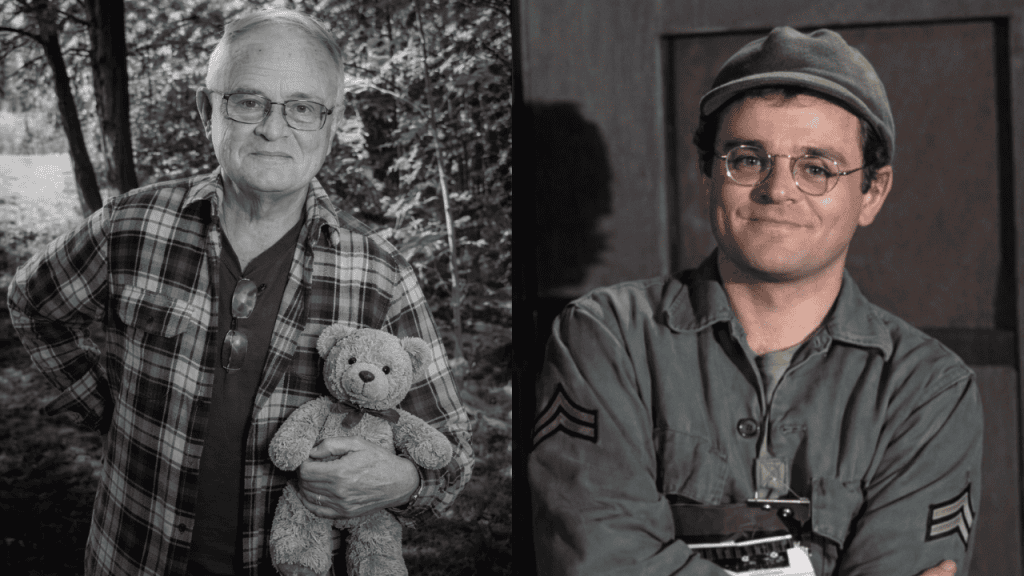
Born in 1943 with a visible hand difference, he had learned early in life how to adapt and find his place in the world. Acting became one of those places—a way to express himself and connect with others. Yet the demands of fame, constant filming, and the pressures of maintaining such a prominent role began to take a toll.
As the show grew in popularity, so did the expectations. Long hours on set, the strain of public attention, and personal challenges in his private life began to weigh on him. Over time, the role that had brought him recognition also began to feel limiting.
By 1979, Burghoff reached a turning point. He chose to leave MASH* before the series concluded, stepping away from a character that had defined his career. It was not a dramatic exit, but a deliberate one—a decision to protect his well-being and reclaim a sense of balance.
After leaving the show, Burghoff appeared less frequently in major roles, opting instead for a quieter life. He explored other interests, including art and wildlife painting, focusing on pursuits that brought him personal fulfillment rather than public acclaim.
His departure marked the end of an era for the show’s fans, but it also highlighted something often overlooked in stories of success—the importance of knowing when to step away.
Gary Burghoff’s story is not just about fame or a beloved television character. It is about choosing a different path when the one you are on no longer feels right. In walking away from one of television’s biggest stages, he made a quieter statement—one about identity, balance, and the courage to leave even when the world expects you to stay.