
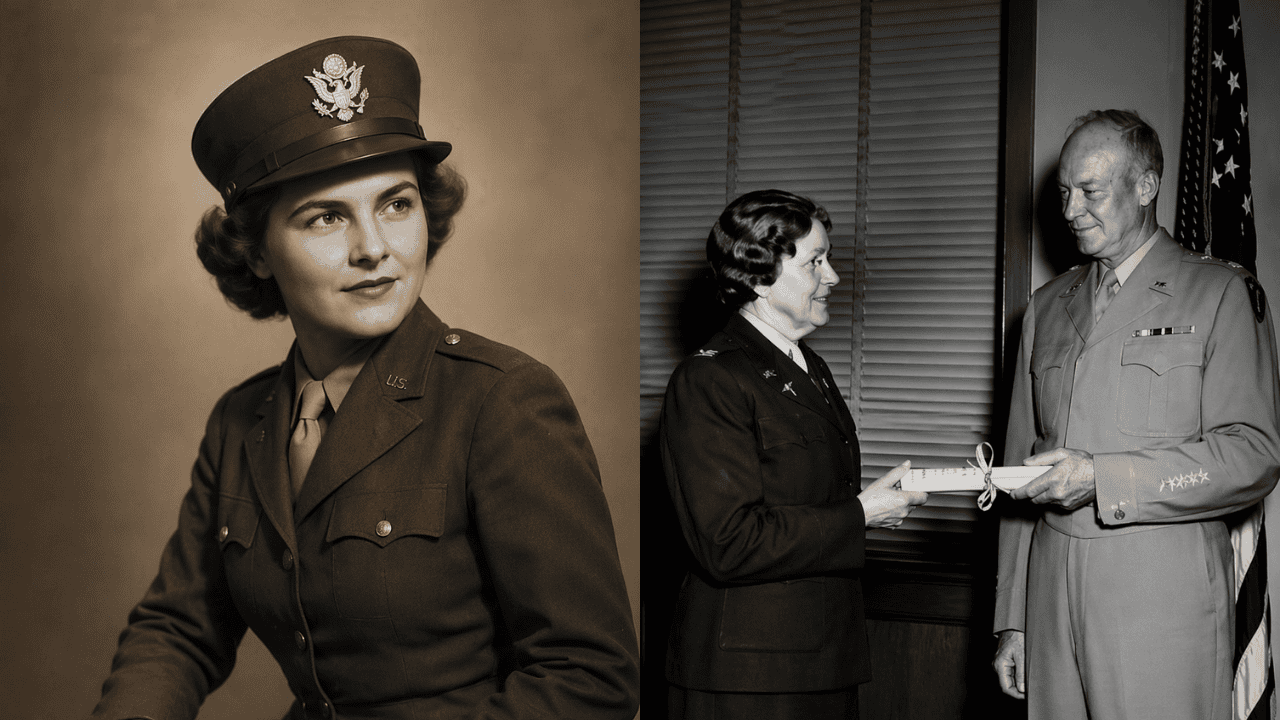
On June 1, 1943, Florence Blanchfield took command of the U.S. Army Nurse Corps during one of the most demanding periods in modern history. World War II was at its peak, and the need for skilled medical personnel was urgent. Under her leadership, the Nurse Corps expanded dramatically, eventually reaching nearly 60,000 nurses serving across the globe—from the beaches of Normandy to field hospitals in the Pacific.
These nurses worked under extreme conditions, often close to combat zones, saving countless lives. Yet despite their critical role, Blanchfield quickly recognized a serious injustice within her ranks.
Army nurses held officer titles, but only in name. They were paid less than male officers of the same rank, denied equal benefits, and lacked the legal authority that came with official commissions. For Blanchfield, this inequality was unacceptable. She believed that those risking their lives alongside soldiers deserved the same recognition and rights.
Determined to bring change, she began a long and challenging effort to reform the system.
Blanchfield partnered with Congresswoman Frances Payne Bolton, a strong advocate for military nurses. Together, they pushed for legislation that would grant nurses full commissioned officer status. Their efforts faced significant resistance. Military leaders were reluctant to alter long-standing structures, and lawmakers delayed action. But Blanchfield remained persistent, continuing to press forward despite the obstacles.
Years of advocacy finally led to a breakthrough.
In April 1947, Congress passed the Army-Navy Nurse Act, a landmark law that granted nurses full military rank, equal pay, benefits, and authority. It was a turning point not only for the Nurse Corps but for women in the armed forces.
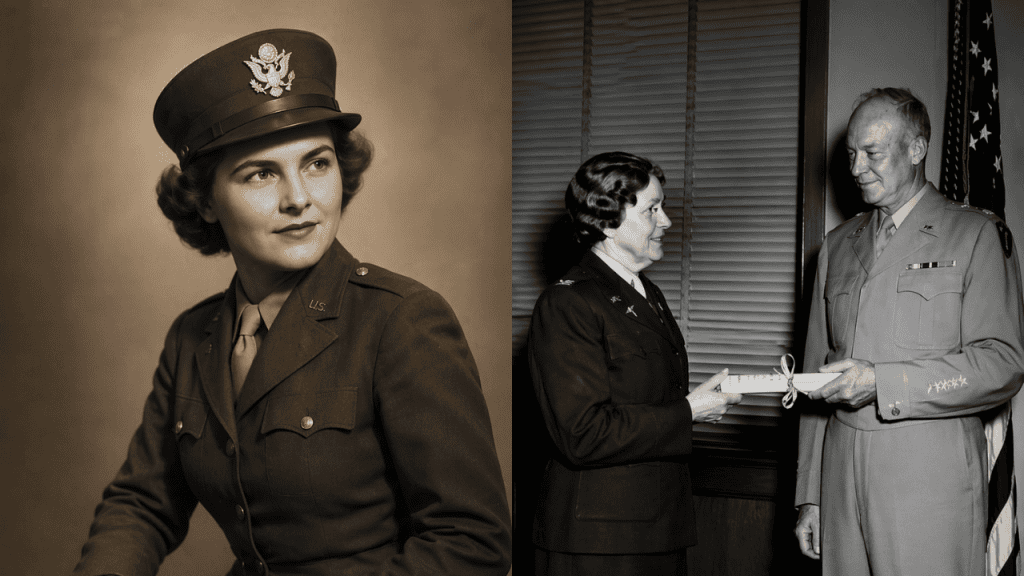
That summer, the significance of this achievement was marked by a historic moment. General Dwight D. Eisenhower personally presented Florence Blanchfield with her commission as a lieutenant colonel at the Pentagon. With this, she became the first woman ever granted permanent commissioned rank in the regular U.S. Army.
Her serial number was N-1—a powerful symbol of change.
Blanchfield’s victory went far beyond her own recognition. It established a new standard, ensuring that future generations of women in the military would serve with full status and respect. Her efforts opened doors that had long been closed, reshaping the role of women in uniform.
Today, Florence Blanchfield is remembered as a pioneer who transformed inequality into progress. Her leadership, persistence, and commitment to justice not only elevated the status of military nurses but also laid the foundation for broader advancements in women’s rights within the armed forces.
Her story stands as a reminder that lasting change often comes from those willing to challenge the system—and refuse to accept anything less than fairness.