
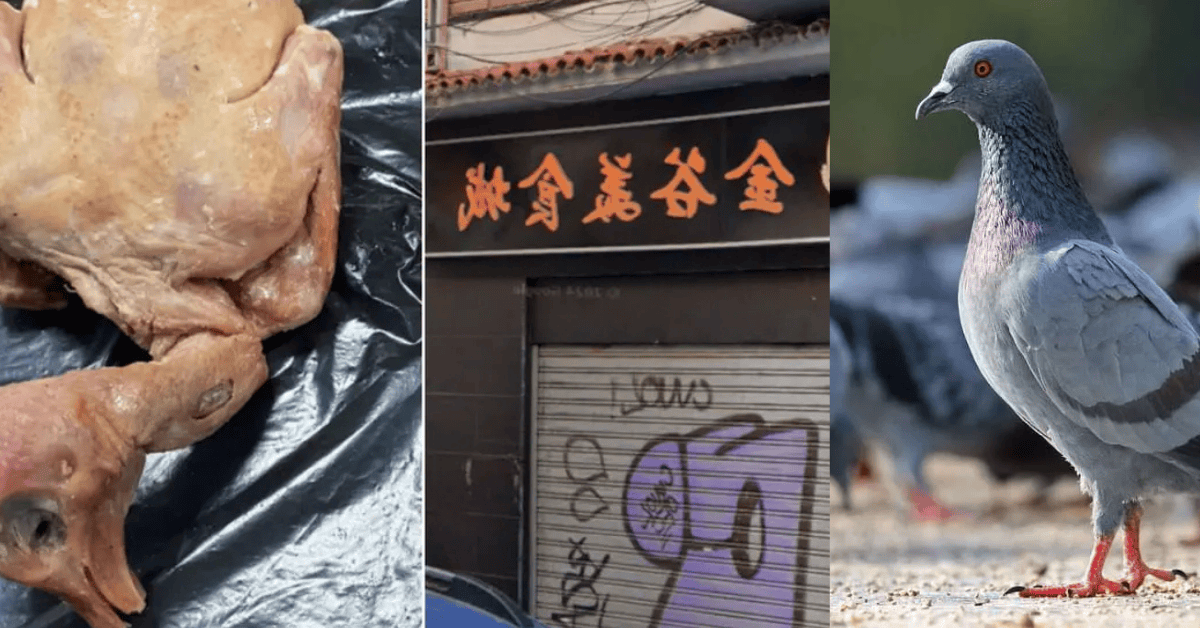
What started as a routine food inspection in Spain quickly turned into something far more disturbing.
Health inspectors shut down a Chinese restaurant after uncovering a serious and shocking violation: the restaurant was allegedly serving street pigeons to customers and passing the meat off as Peking duck.
According to authorities, inspectors initially visited the restaurant following complaints. What they found inside went far beyond minor hygiene issues. Investigators reportedly discovered illegally sourced meat, unsafe food storage, and signs of extreme neglect in the kitchen. The conditions alone were enough to raise alarms.
But the most troubling discovery came when inspectors found evidence that pigeons captured from the streets were being brought into the restaurant and prepared as food.
These were not farm-raised birds. They were city pigeons—animals exposed to pollution, disease, and unsanitary environments. Inspectors believe the birds were being cooked and served to customers who believed they were ordering a traditional and well-known dish: Peking duck.
The restaurant was immediately shut down.
Authorities launched a formal investigation into serious food safety violations, including the illegal sourcing of meat and endangering public health. If confirmed, the case could lead to heavy fines and possible criminal charges.
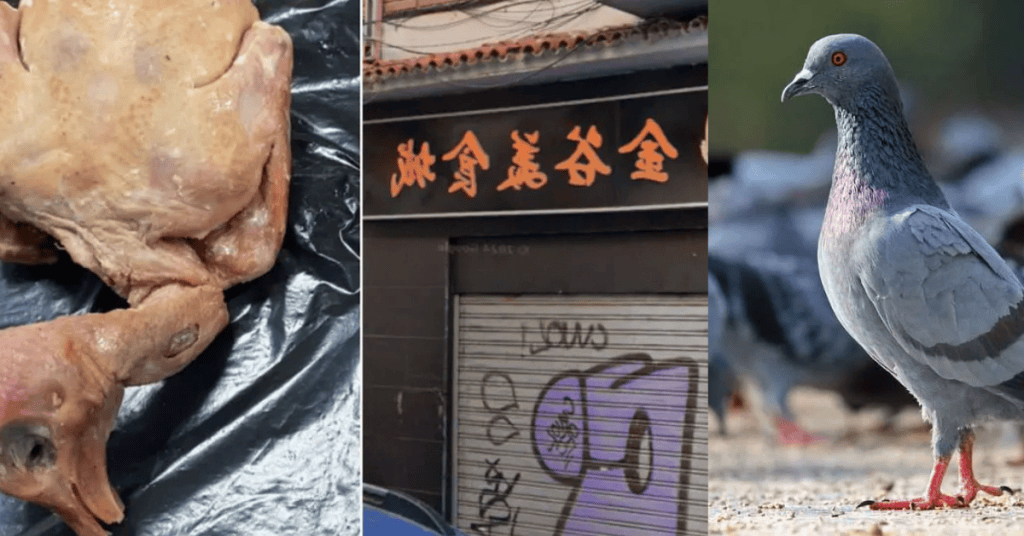
News of the closure spread quickly online, sparking outrage and disbelief. Many people expressed shock, not just at what was allegedly served, but at the betrayal of trust involved. Customers had walked in expecting a familiar dish prepared according to standard practices. Instead, they may have unknowingly eaten something entirely different.
For many, the story triggered a deeper discomfort. Food is built on trust—trust that restaurants follow health regulations, that ingredients are safe, and that what’s listed on the menu is actually what ends up on the plate. When that trust is broken, it leaves people feeling uneasy long after the meal is over.
Health officials emphasized that this case highlights exactly why strict inspections exist. Regulations aren’t meant to punish businesses unfairly; they exist to protect the public. Without oversight, unsafe practices can go unnoticed, sometimes with serious consequences.
While cases like this are rare, they tend to leave a lasting impression. People begin questioning how food is sourced, how kitchens operate behind closed doors, and how much they really know about what they’re eating.
The investigation is still ongoing, and authorities have not released all details. But one thing is clear: what customers believed was a classic, trusted dish turned out to be something very different.
And for many who heard the story, it was a reminder that food safety isn’t just about cleanliness – it’s about honesty, responsibility, and protecting the people who sit down expecting a simple, safe meal.
Sometimes, the most unsettling discoveries aren’t about what we see, but about what we never imagined could be happening behind the kitchen door.