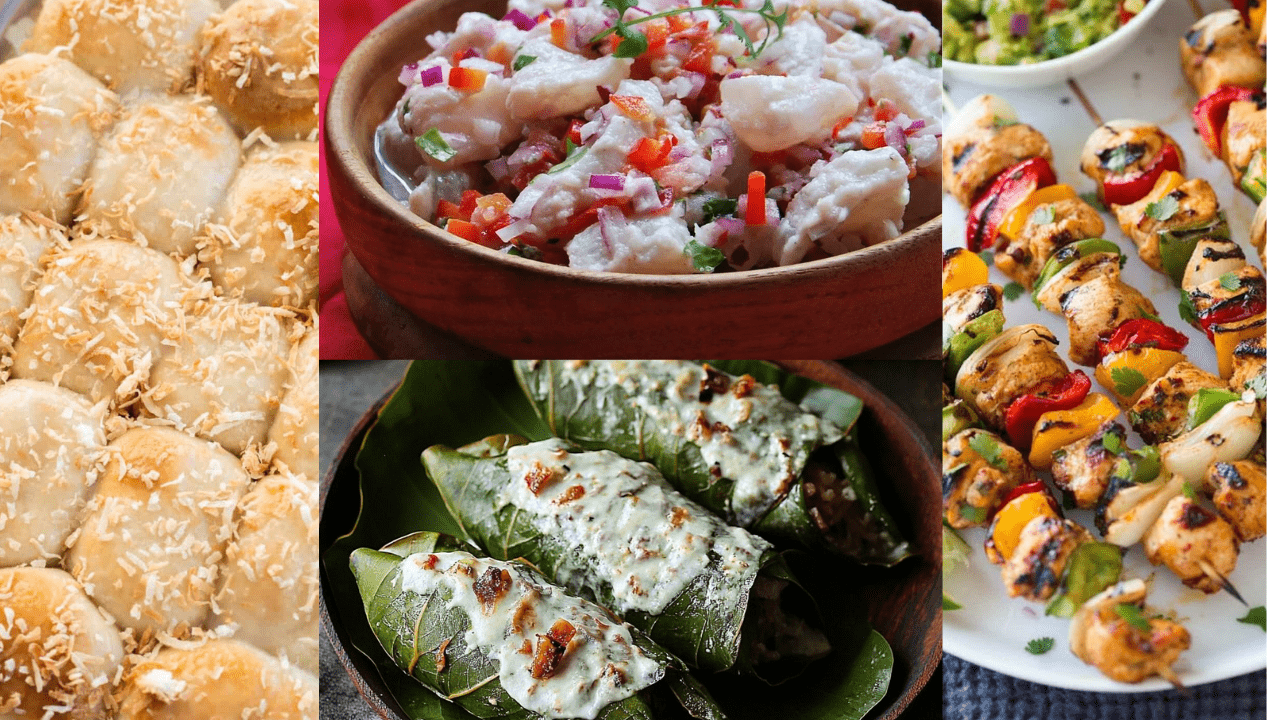
Samoan cuisine is deeply connected to family, community, hospitality, and the islands’ abundant natural resources. Traditional Samoan meals often feature ingredients such as coconut, taro, breadfruit, bananas, seafood, pork, chicken, and fresh vegetables. Many dishes are prepared for family gatherings, celebrations, church events, and important community occasions.
One of the most distinctive aspects of authentic Samoan recipes is the use of simple ingredients prepared in ways that highlight their natural flavors. Coconut cream is particularly important, appearing in savory dishes, seafood preparations, vegetables, and desserts. Traditional cooking may also involve an umu, a Samoan earth oven where food is cooked over heated stones. While a modern kitchen may require adaptations, these recipes can still bring the flavors and spirit of Samoan cooking to your table.
1. Palusami
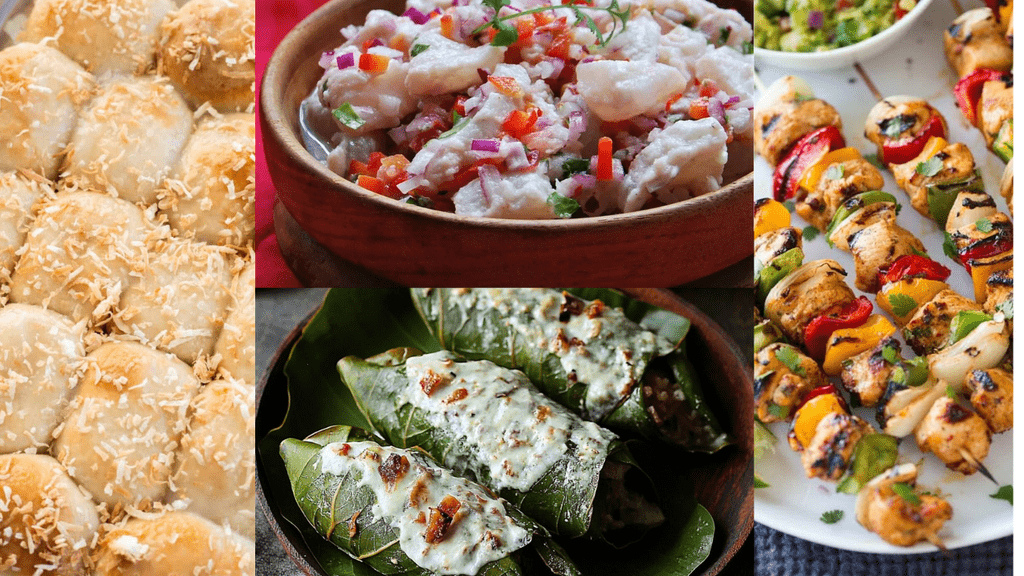
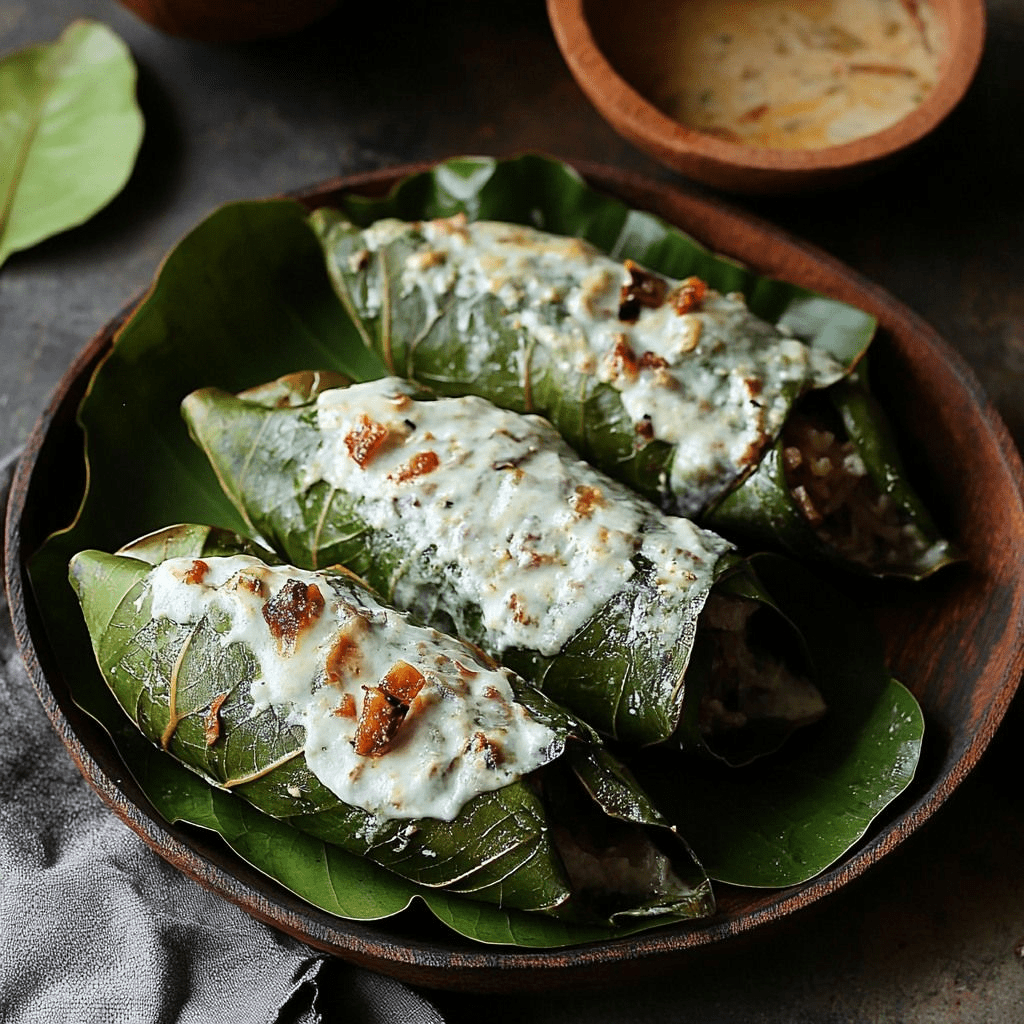
Palusami is one of the most recognizable dishes in Samoan cuisine. It is traditionally made with young taro leaves filled with coconut cream, often combined with onions and corned beef or another savory filling.
The taro leaves are carefully wrapped around the filling before being cooked until tender. Traditionally, palusami can be prepared in an umu, allowing the leaves and coconut mixture to become soft and flavorful.
The combination of creamy coconut, savory filling, and tender taro leaves makes palusami particularly satisfying. It is commonly associated with family gatherings and special occasions.
If you are preparing it at home, use taro leaves that are properly cooked because raw taro leaves contain irritating compounds that need to be neutralized through thorough cooking.
2. Oka I’a
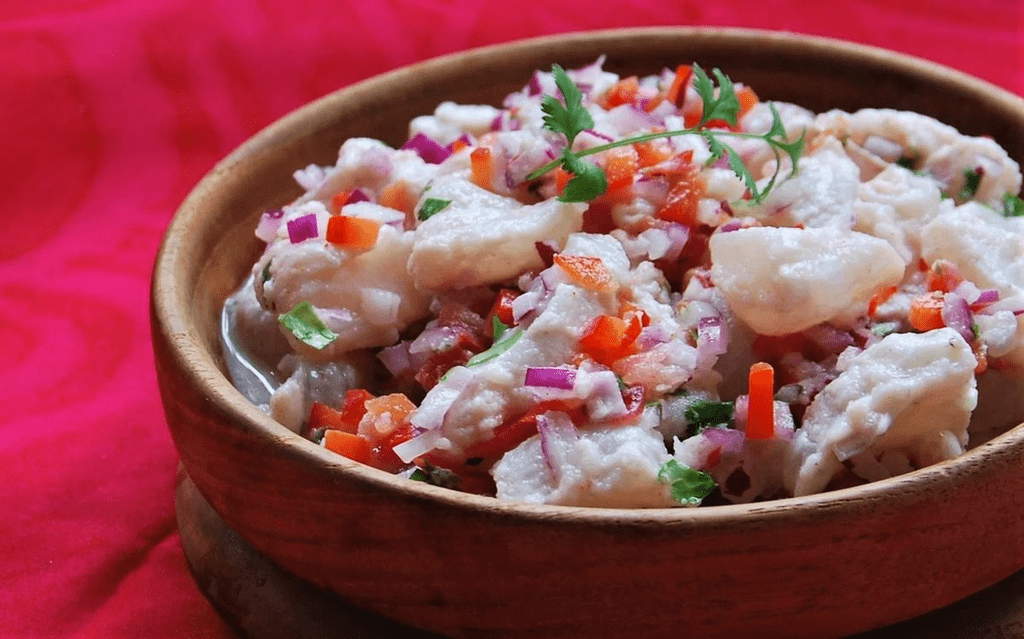
Oka i’a is a Samoan-style raw fish dish prepared with fresh fish and coconut cream. It is often compared to other Pacific Island raw fish preparations, but its combination of ingredients gives it a distinctive Samoan character.
Fresh fish is cut into small pieces and combined with ingredients such as coconut cream, lime or lemon juice, onion, cucumber, tomato, and sometimes chili.
The citrus adds brightness while the coconut cream creates a rich, creamy contrast. Freshness is essential, so use high-quality fish and keep it properly chilled during preparation.
Oka i’a makes a refreshing appetizer or light meal and is particularly appealing on warm days.
3. Lu’au
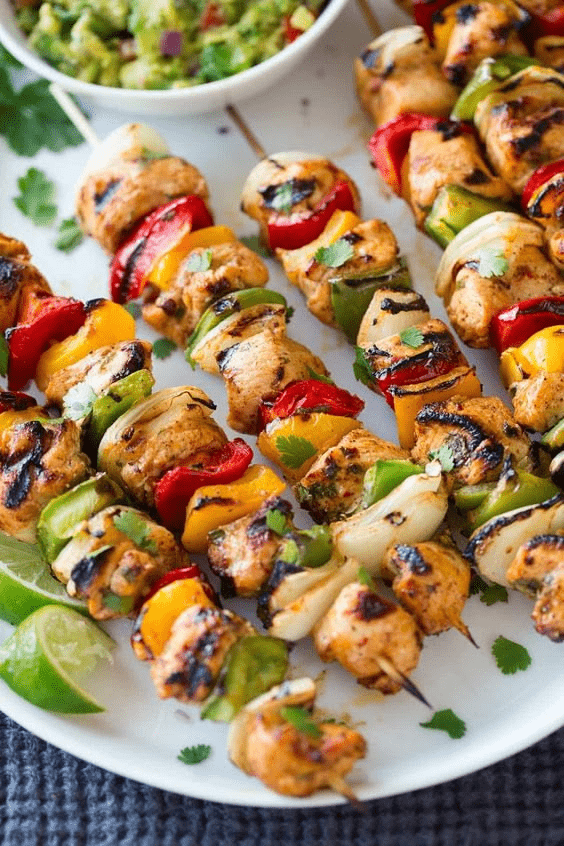
Lu’au is a traditional Samoan dish centered around young taro leaves cooked with coconut cream. Depending on the preparation and occasion, it may include meat or seafood.
The leaves are cooked until tender and combined with rich coconut cream. Some versions include onions and other ingredients to add flavor.
Because taro leaves need to be cooked thoroughly, this is not a dish where the greens should be eaten raw or only lightly cooked.
Lu’au is a wonderful example of how Samoan cooking transforms simple local ingredients into rich, comforting food.
4. Faiai eleni
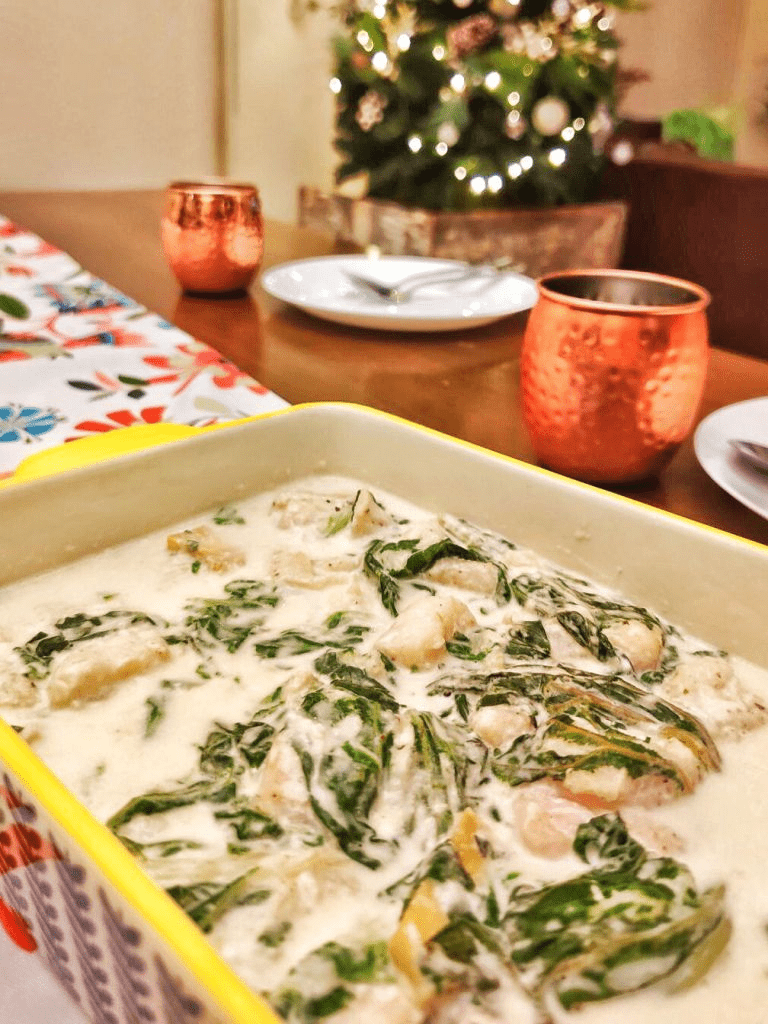
Faiai eleni is a traditional Samoan fish dish prepared with fish and coconut cream. It is a flavorful example of how seafood and coconut are combined throughout Samoan cuisine.
Fish is generally cooked with coconut cream and aromatics such as onion. Some preparations include additional vegetables or seasonings.
The coconut cream creates a rich sauce that works beautifully with rice, taro, breadfruit, or other starches.
For the best results, choose a firm-fleshed fish that holds its shape during cooking.
5. Fa’apapa
Fa’apapa is a traditional Samoan coconut bread or flatbread made with ingredients such as flour, coconut, sugar, and coconut milk.
The result is a dense, slightly sweet bread with a wonderful coconut flavor. It can be enjoyed as part of breakfast, alongside a meal, or as a snack.
Fa’apapa is relatively simple to prepare, making it a good introduction to Samoan baking. Fresh coconut can provide particularly good flavor, although unsweetened desiccated coconut can be used as an alternative when fresh coconut isn’t available.
Serve it warm or at room temperature with tea, coffee, or alongside other Samoan dishes.
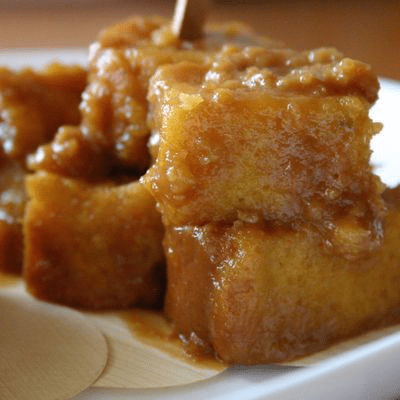
6. Pani Popo
Pani popo is a beloved Samoan coconut bread made with soft yeast rolls baked in a sweet coconut sauce.
The rolls absorb the coconut mixture as they bake, creating a soft interior and a deliciously rich, slightly sticky bottom.
The contrast between fluffy bread and creamy coconut sauce makes pani popo a popular treat for breakfast, snacks, celebrations, or gatherings.
For an especially appealing result, allow the dough enough time to rise properly before baking. Freshly baked pani popo is particularly delicious while still warm.
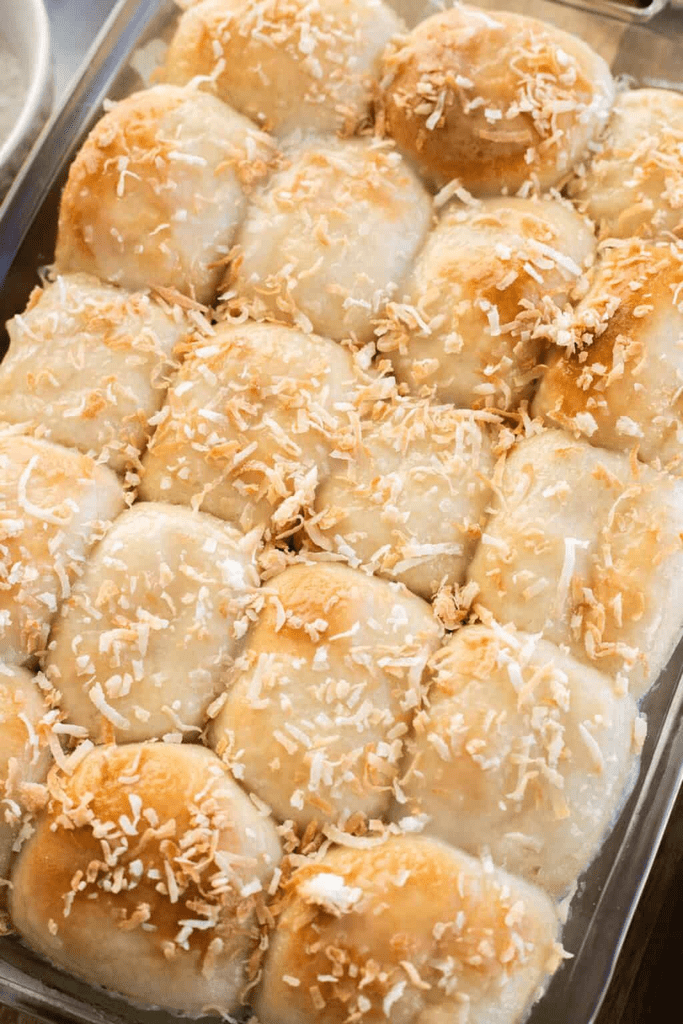
7. Sapasui
Sapasui is the Samoan version of chop suey and is a popular comfort food. It typically combines glass noodles with meat and vegetables in a savory, flavorful sauce.
Beef is commonly used, although variations can include other meats. Ingredients such as onion, garlic, soy sauce, and vegetables contribute to the dish’s savory character.
The noodles absorb the cooking juices, making every bite flavorful.
Sapasui is often served at family gatherings and celebrations and can be made in a large quantity, making it particularly useful when feeding a crowd.
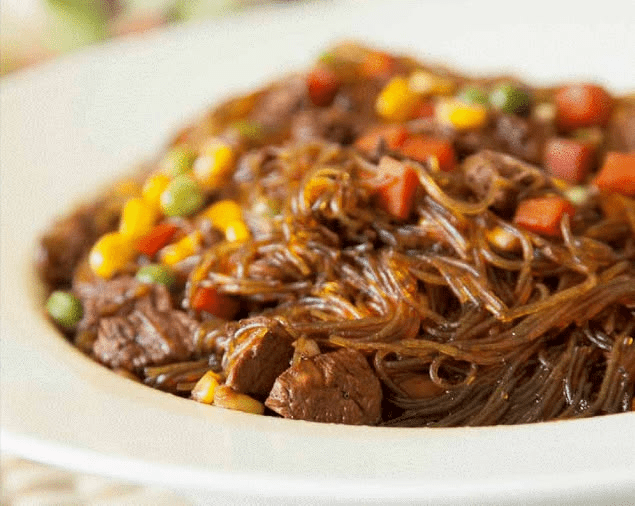
8. Pua’a Fa’asaina
Pua’a fa’asaina is a traditional Samoan pork dish prepared with coconut milk or cream and seasonings.
Pork is an important food in Samoan celebrations and traditional feasts, and dishes featuring pork are often associated with significant gatherings.
The pork is cooked until tender and combined with a creamy coconut-based sauce. The result is rich, savory, and filling.
Serve it with taro, breadfruit, bananas, or another traditional starch to create a hearty Samoan-style meal.
9. Chicken Lu’au
Chicken lu’au combines tender chicken with taro leaves and coconut cream.
The chicken provides savory richness while the taro leaves contribute a distinctive earthy flavor. Coconut cream brings the ingredients together into a creamy dish.
The dish can be prepared in a modern kitchen while still reflecting traditional Samoan flavors.
As with other taro-leaf dishes, make sure the leaves are thoroughly cooked before serving.
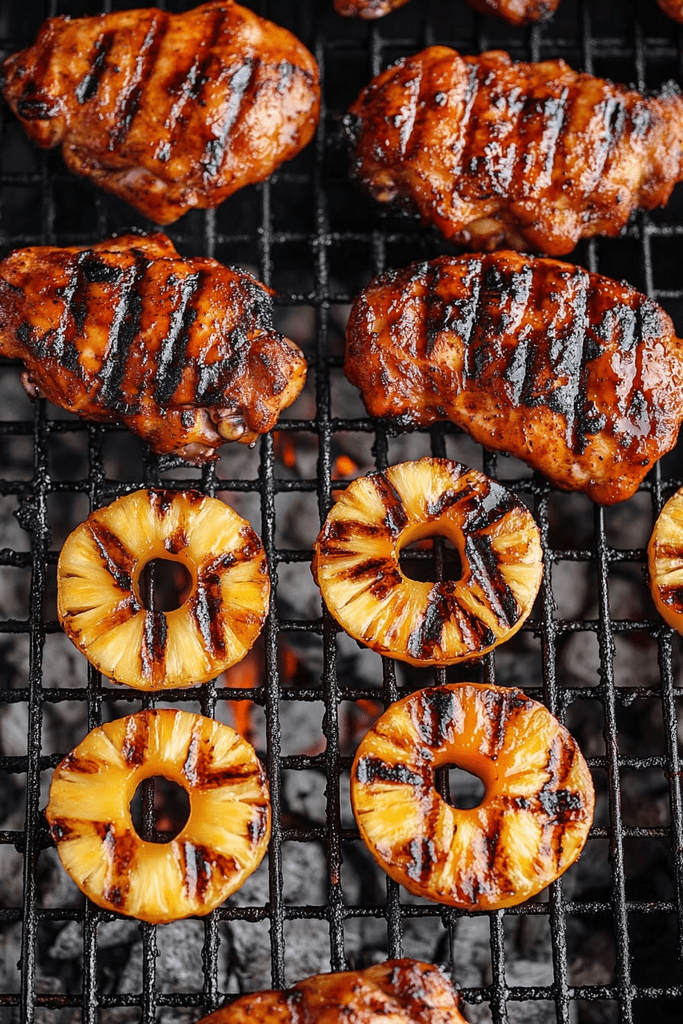
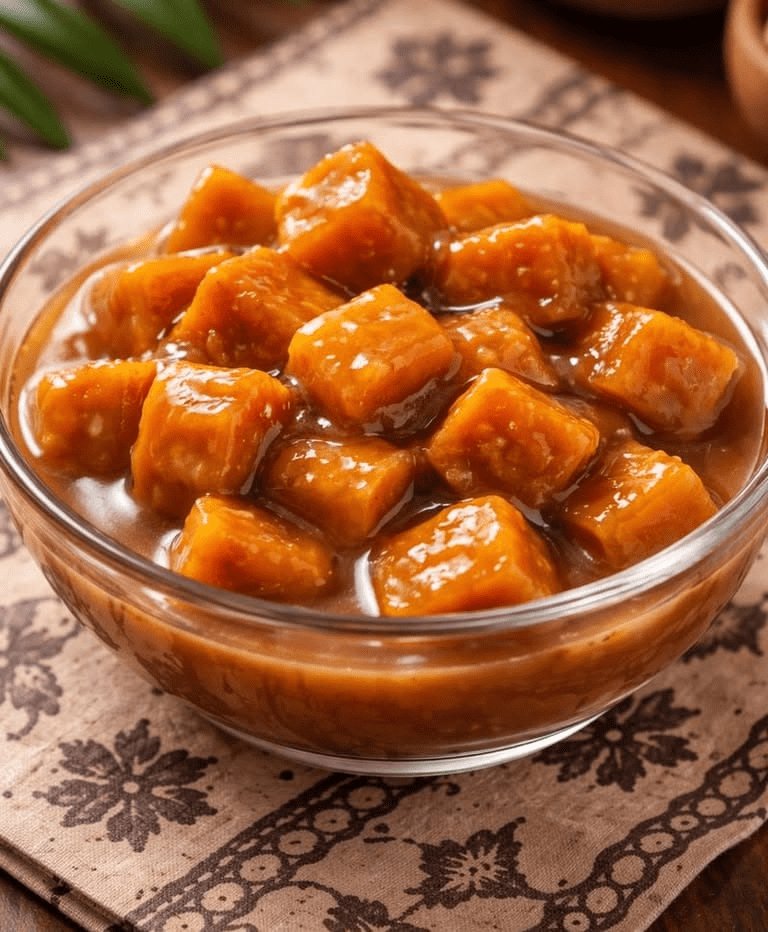
10. Fa’ausi
Fa’ausi is a traditional Samoan sweet treat made from baked or cooked dough or root-based preparations served with a rich caramel-like coconut sauce.
The coconut sauce is the star of the dish, combining coconut cream with sugar to create a sweet, creamy topping.
Different families may have their own approaches to preparing fa’ausi, so recipes can vary.
Serve it as a dessert or special treat after a Samoan meal. The combination of warm dough and sweet coconut sauce makes it especially comforting.
11. Keke Pua’a
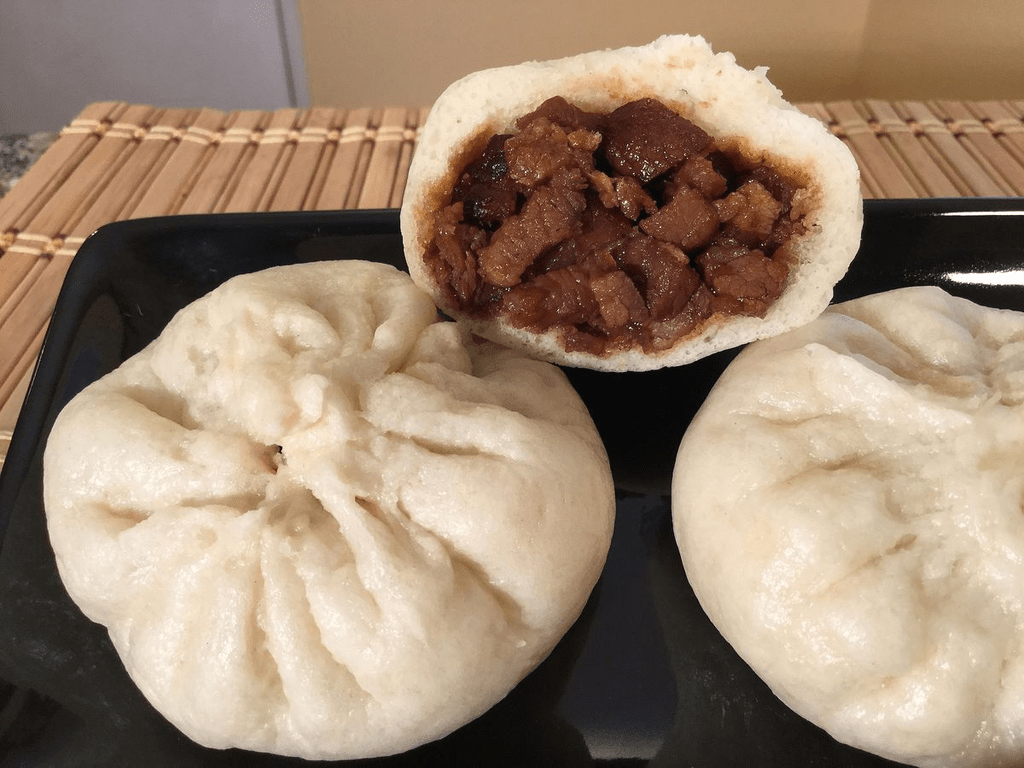
Keke pua’a are Samoan pork buns, consisting of soft dough wrapped around a savory pork filling.
The buns are steamed until the dough becomes soft and tender while the pork filling remains flavorful and juicy.
They make a convenient snack, breakfast item, or addition to a larger meal.
Preparing the dough correctly is important because properly steamed buns should be light and soft rather than dense.
You can prepare several at once, making them a practical choice for family gatherings.
12. Fai’ai
Fai’ai refers to Samoan dishes in which seafood or another main ingredient is prepared with coconut cream and often wrapped or cooked in traditional ways.
Fish is a particularly common choice because seafood has long been an important part of island cuisine.
Depending on the recipe, fish can be combined with coconut cream, onions, tomatoes, or other fresh ingredients.
The result is a creamy and flavorful dish that pairs naturally with taro, breadfruit, green bananas, or rice.
13. Taro With Coconut Cream
Taro is an important staple in Samoan cuisine and can be served in several ways. One simple preparation is cooked taro served with coconut cream.
The taro is cooked until tender and then served with creamy coconut sauce. The mild, starchy root provides a perfect base for the rich coconut.
This simple dish demonstrates how traditional island cooking can make a satisfying meal from just a few ingredients.
It can be served alongside fish, chicken, pork, or vegetable dishes.
14. Breadfruit With Coconut Cream
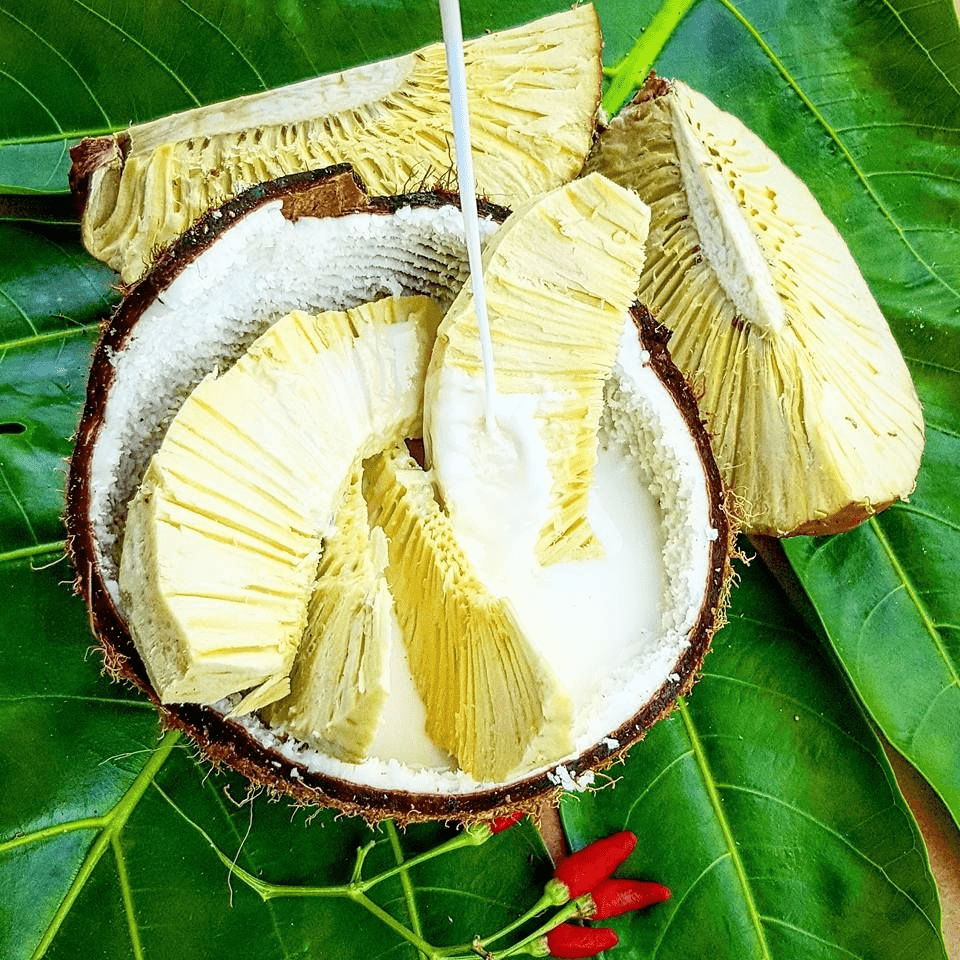
Breadfruit is another important Pacific Island staple and can be prepared by roasting, boiling, baking, or cooking in an umu.
A simple preparation involves cooking the breadfruit until tender and serving it with coconut cream.
The slightly nutty, starchy flavor of breadfruit pairs beautifully with the richness of coconut.
For a traditional-style feast, serve breadfruit alongside seafood, pork, taro, and other vegetables.
15. Koko Alaisa
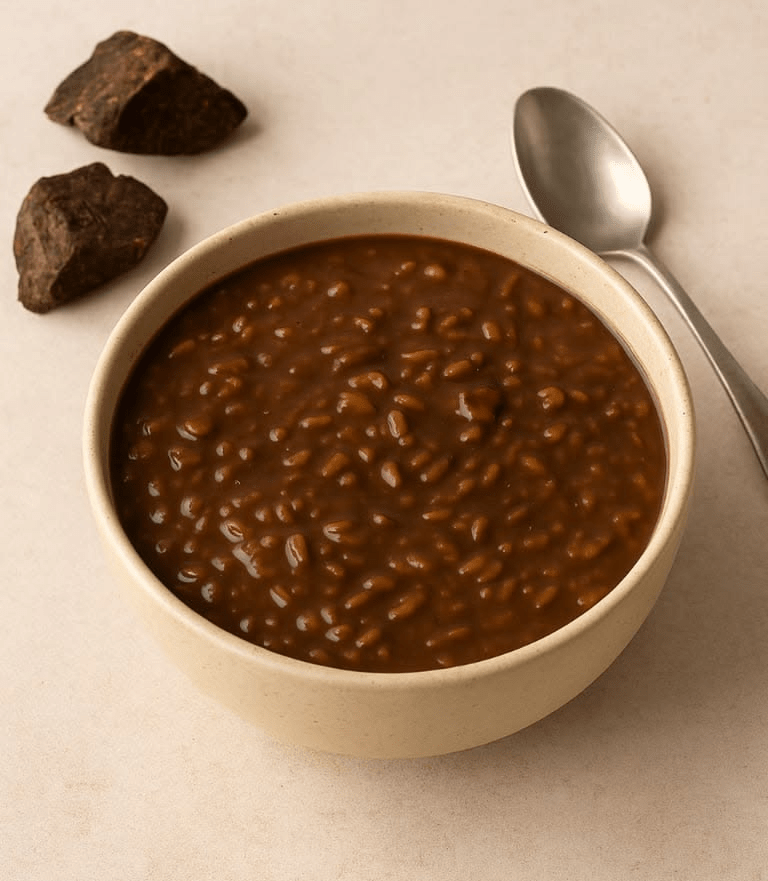
Koko alaisa is a traditional Samoan cocoa and rice dish that combines cooked rice with cocoa and coconut-based ingredients.
It is a comforting dish that can be served warm, particularly as a breakfast or simple meal.
The cocoa gives the rice a deep, chocolate-like flavor while coconut adds creaminess and richness.
The exact preparation can vary between households, which is common with traditional recipes passed down through families.
16. Samoan Banana Cake
Bananas are widely used in Pacific Island cooking, and Samoan-inspired banana cakes offer a delicious way to use ripe fruit.
A simple banana cake can combine ripe bananas with flour, sugar, coconut, and other basic baking ingredients. Coconut milk or shredded coconut can add extra island-inspired flavor.
This is an excellent option for using bananas that have become very soft and sweet.
Serve slices with tea or coffee, or include the cake as part of a larger dessert table at a family gathering.

Tips for Making Authentic Samoan Recipes
- Use coconut generously: Coconut cream and coconut milk are central ingredients in many Samoan dishes.
- Try traditional staples: Taro, breadfruit, bananas, and green bananas can help create a more authentic meal.
- Cook taro leaves thoroughly: Never serve raw or inadequately cooked taro leaves.
- Use fresh seafood: Fresh fish is particularly important for dishes such as oka i’a.
- Learn about the umu: Traditional Samoan earth-oven cooking gives food a distinctive flavor and texture.
- Don’t rush traditional dishes: Slow cooking can help meat and root vegetables become tender.
- Serve food family-style: Many Samoan meals are naturally suited to sharing.
- Adapt carefully: If traditional ingredients aren’t available, substitutions can work, but they may change the flavor or texture.
- Make enough for sharing: Many Samoan dishes are associated with hospitality and large gatherings.
- Respect the cultural context: Samoan food is closely connected to family, community, celebrations, and hospitality.
Short Summary
These 16 authentic Samoan recipes showcase the importance of coconut, seafood, pork, taro, breadfruit, bananas, and other staple ingredients in Samoan cooking. From creamy palusami and fresh oka i’a to pani popo, sapasui, fa’apapa, and traditional root vegetables, the dishes offer a combination of rich flavors, simple ingredients, and comforting textures.
Many Samoan recipes are especially meaningful when shared with family and friends. While modern kitchens may require adaptations of traditional cooking methods such as the umu, using familiar ingredients and preparation techniques can still help capture the spirit of Samoan cuisine.
FAQs
1. What is a traditional Samoan food?
Palusami, oka i’a, sapasui, pani popo, fa’apapa, taro, breadfruit, and coconut-based dishes are examples of foods commonly associated with Samoan cuisine.
2. What ingredients are common in Samoan cooking?
Coconut, taro, breadfruit, bananas, seafood, pork, chicken, onions, and other locally available fruits and vegetables are commonly used.
3. What is palusami made from?
Palusami is traditionally made using taro leaves and coconut cream, often with a savory filling such as corned beef and onions.
4. What is oka i’a?
Oka i’a is a Samoan raw fish dish prepared with fresh fish, coconut cream, citrus juice, and ingredients such as onion, cucumber, and tomato.
5. What is pani popo?
Pani popo is a Samoan coconut bread made from soft yeast rolls baked in a sweet coconut sauce.
6. What is sapasui?
Sapasui is a Samoan-style chop suey commonly made with glass noodles, meat, vegetables, and savory seasonings.
7. What is an umu?
An umu is a traditional Samoan earth oven that uses heated stones to cook food. It is commonly associated with communal meals and special occasions.
8. What are common Samoan side dishes?
Cooked taro, breadfruit, green bananas, vegetables, and coconut-based preparations are commonly served alongside main dishes.
9. Is coconut used often in Samoan food?
Yes. Coconut milk and coconut cream are important ingredients in many traditional Samoan dishes, including savory meals, seafood preparations, breads, and desserts.