Impressionist landscape painting is a wonderful way to explore color, light, and creativity while enjoying the beauty of nature. Inspired by artists who captured outdoor scenes with loose brushstrokes and vibrant colors, this painting style focuses more on the feeling of a moment than on perfect details. You do not need to be a professional artist to try it. With a few basic paints, brushes, and a canvas or sketchbook, you can create beautiful landscape artwork at home.
One of the best things about impressionist painting is that it encourages experimentation. You can use short brushstrokes, soft color blends, and small dabs of paint to represent trees, flowers, skies, and reflections. From peaceful gardens to colorful sunsets, there are many beginner-friendly subjects to explore. Here are ten beautiful impressionist landscape painting ideas to inspire your next creative project.
1. A Peaceful Garden Filled with Flowers
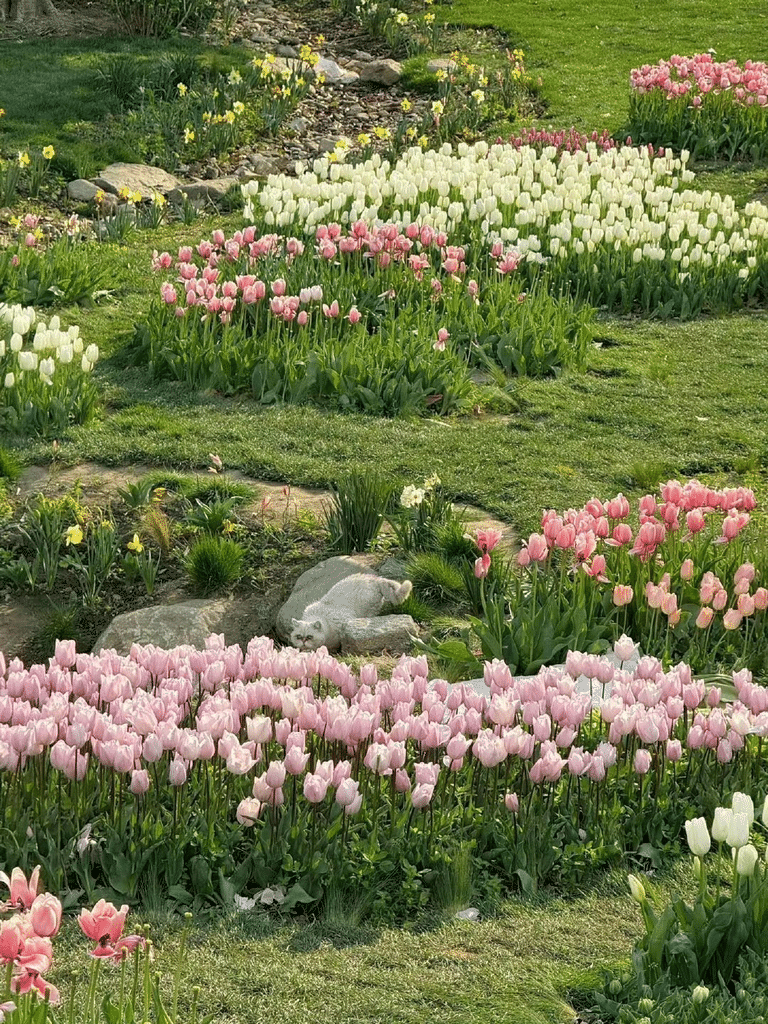
A colorful flower garden is an excellent subject for your first impressionist landscape painting. Instead of painting every flower individually, use small dabs and loose brushstrokes to suggest a garden filled with blooms. Choose colors such as pink, yellow, purple, white, and red to create a lively composition.
Start by painting a soft green background for the grass and shrubs. Add taller trees or bushes in the distance, then use brighter colors in the foreground to represent flowers. Varying the size and direction of your brushstrokes will make the garden feel natural and full of movement.
Beginner tip: Use a small round brush or the tip of a flat brush to create flower shapes with quick dabs of color.
2. A Beautiful Sunset Over the Ocean
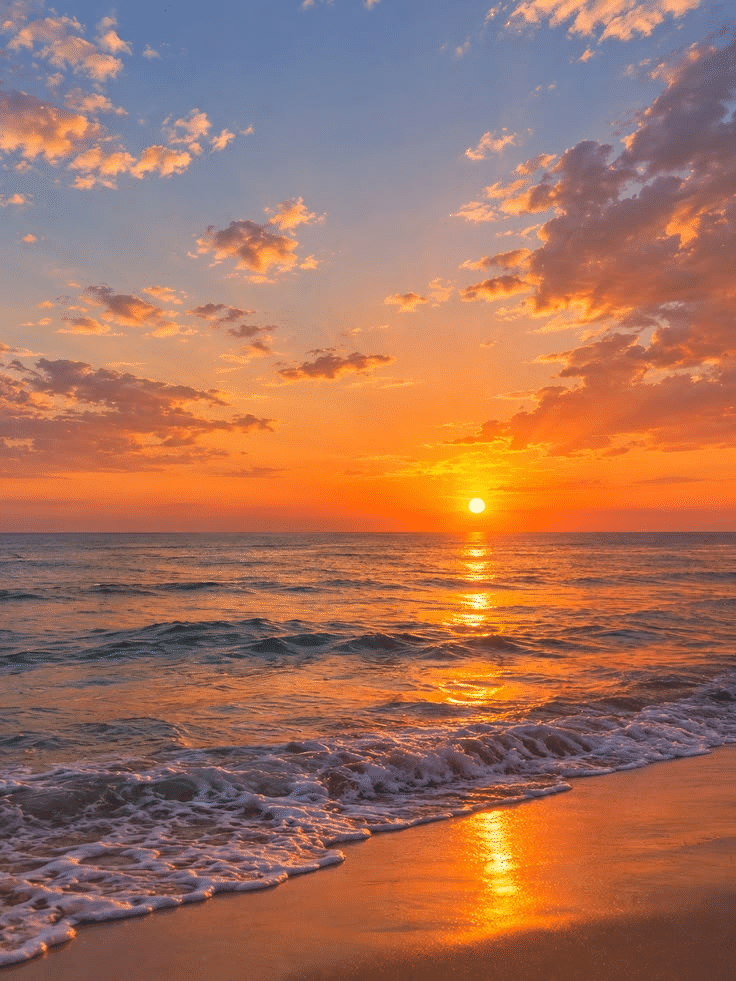
A sunset over the ocean offers a wonderful opportunity to experiment with warm colors and soft transitions. Use shades of orange, pink, yellow, purple, and blue to create a glowing sky. Paint the horizon slightly below the center of your canvas, leaving enough room for the colorful sky above.
For the water, use horizontal brushstrokes that reflect the colors of the sunset. Add small touches of brighter yellow or pale pink near the horizon to suggest the reflection of sunlight. You do not need perfectly straight lines because loose, expressive strokes help create an impressionist appearance.
Beginner tip: Blend the sky colors while the paint is still wet to create soft transitions between warm and cool tones.
3. A Charming Cottage in a Green Meadow
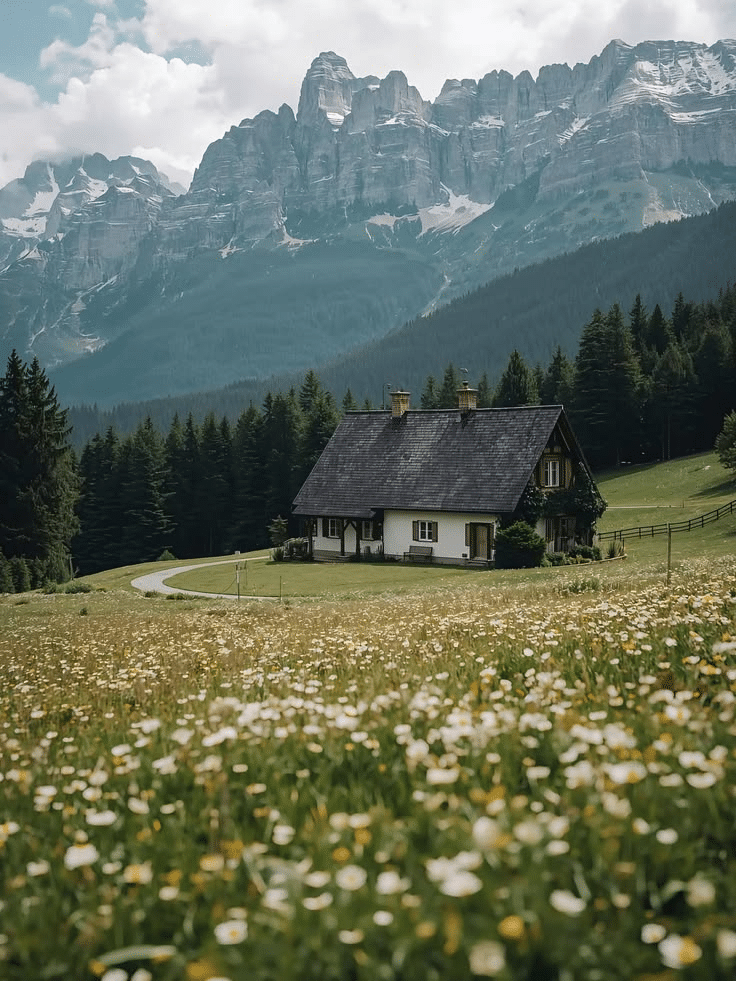
A little cottage surrounded by trees and flowers can become a beautiful impressionist landscape. Begin with a simple cottage shape in the middle or slightly off-center of your canvas. Add a soft roof, a few windows, and a doorway without worrying about intricate architectural details.
Surround the cottage with green grass, colorful flowers, and leafy trees. Use different shades of green to create depth, and add small touches of pink, yellow, or white to suggest flowers in the meadow. A pale blue sky with soft clouds can complete the peaceful countryside scene.
Beginner tip: Paint the cottage using simple blocks of color first, then add small details with a thinner brush.
4. A Lavender Field Under a Soft Blue Sky
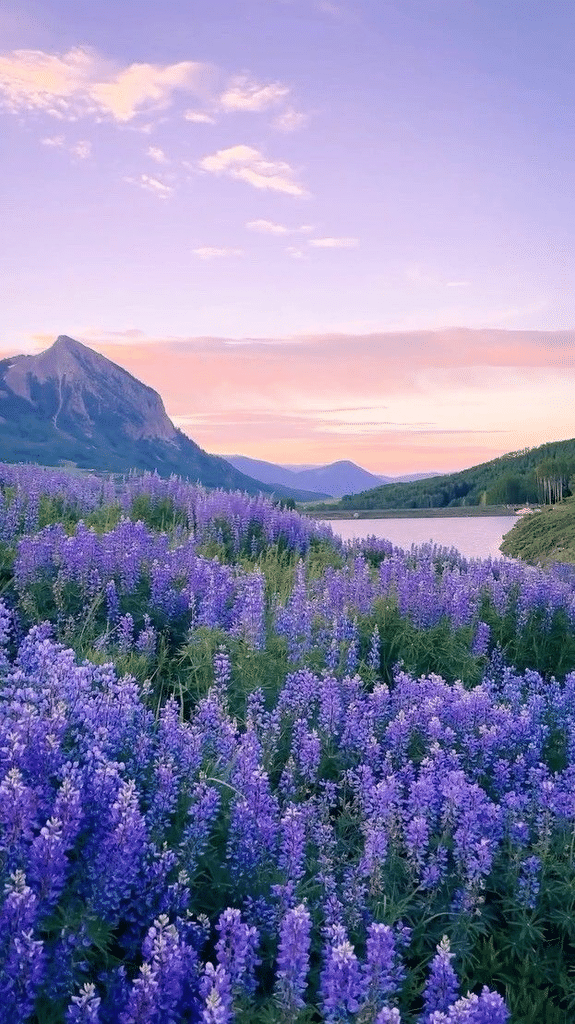
A lavender field is a lovely choice if you enjoy calming colors and repetitive brushstrokes. Paint a distant horizon with a few trees or hills, then create rows of purple flowers stretching toward the foreground. Use different shades of lavender, violet, and soft blue to give the field depth.
The foreground can contain larger, more visible brushstrokes, while the flowers in the distance can be represented with tiny touches of color. Add a few green stems between the purple flowers to make the scene feel more natural.
Beginner tip: Use a flat brush to create loose rows, then add small purple and white dabs to suggest individual flowers.
5. A Quiet Lake Surrounded by Trees
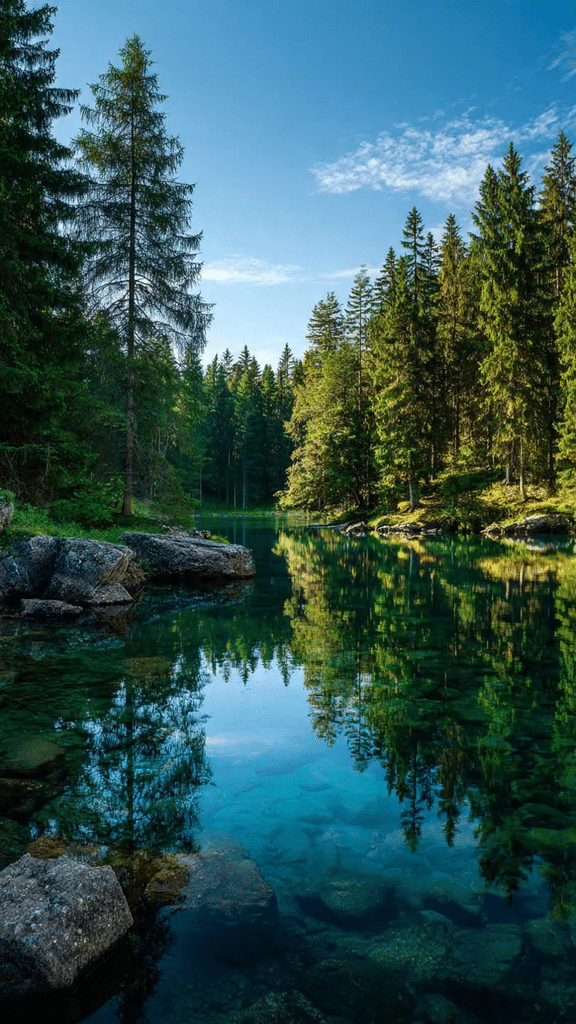
A peaceful lake surrounded by trees is ideal for practicing reflections and natural color combinations. Start by painting a soft blue or pale gray sky, followed by distant hills and trees. Add the lake beneath the horizon, using horizontal brushstrokes to represent still water.
To create reflections, repeat some of the colors used in the trees and sky directly below them. The reflected shapes do not need to be exact. Slightly broken brushstrokes can make the water look more realistic while maintaining the loose impressionist style.
Beginner tip: Use horizontal strokes for the water and shorter, textured strokes for the trees along the shoreline.
6. A Sunlit Forest Path
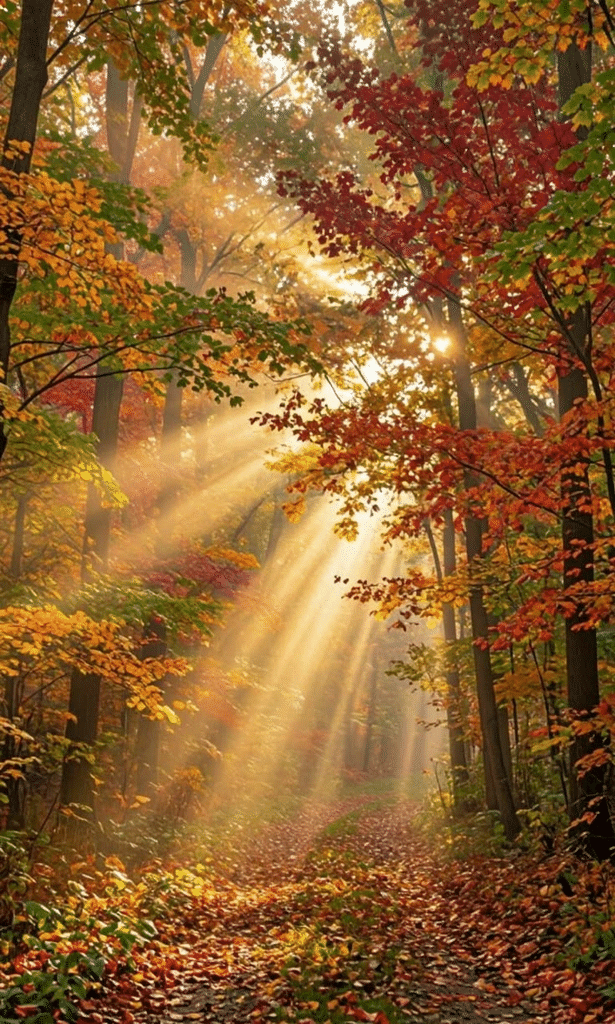
A forest path creates a beautiful sense of depth and invites the viewer into the painting. Begin by drawing a simple pathway that becomes narrower as it moves toward the background. Add tall trees along both sides, leaving a small opening where sunlight can shine through.
Use different shades of green, brown, and yellow to paint the trees and foliage. Add patches of warm light along the pathway to suggest sunlight passing through the leaves. Short, broken brushstrokes can help create the appearance of leaves, grass, and shadows.
Beginner tip: Use lighter colors in the distance and darker shades in the foreground to create a stronger sense of depth.
7. A Coastal Village with Colorful Houses
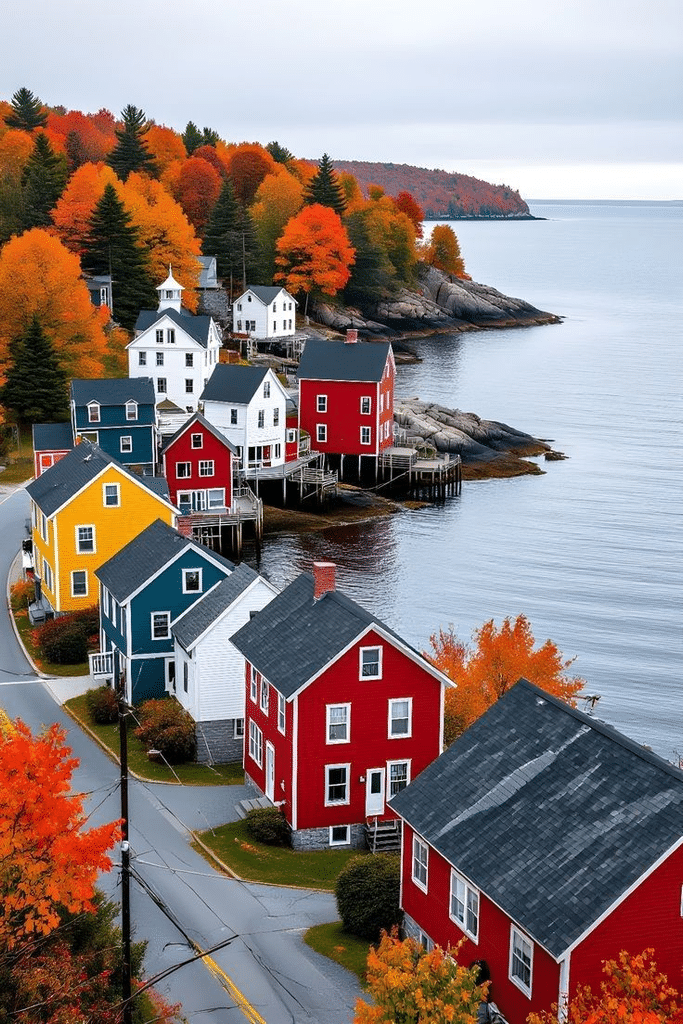
A coastal village with small colorful houses makes an attractive subject for an impressionist painting. Arrange a few simple buildings along a shoreline, using soft shades of white, blue, yellow, coral, or terracotta. Add small windows and rooftops without focusing too much on precise architectural details.
You can include a calm sea, distant boats, or a few trees to make the composition more interesting. Use loose brushstrokes to suggest sunlight reflecting on the walls and water. The contrast between colorful buildings and blue surroundings creates a cheerful, summery atmosphere.
Beginner tip: Keep the buildings simple and use larger blocks of color before adding windows, doors, and roof details.
8. A Golden Wheat Field at Sunrise
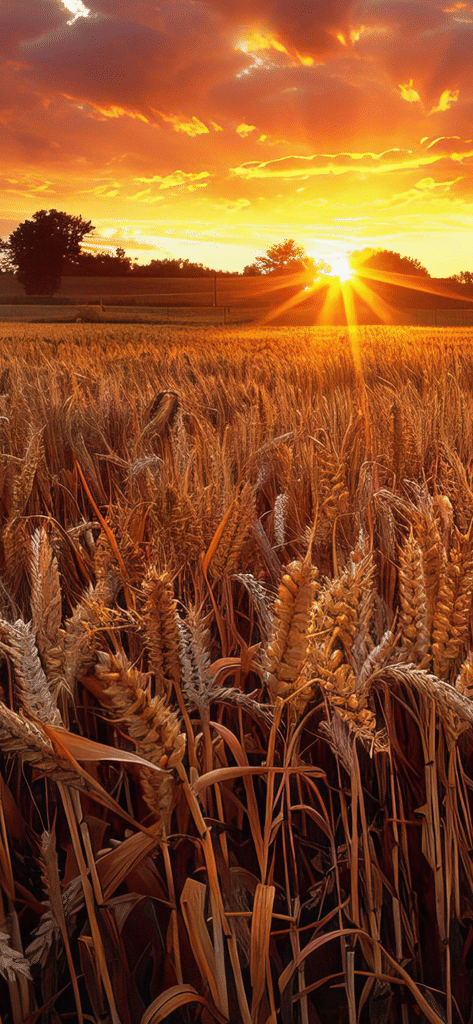
A golden wheat field is a beautiful landscape idea for practicing warm colors and expressive textures. Begin with a soft sunrise sky using pale yellow, peach, and light blue. Paint distant hills or trees along the horizon, then fill the foreground with golden yellow, ochre, and warm brown brushstrokes.
Use short, upward strokes to suggest wheat moving gently in the breeze. Add darker touches between the golden areas to create depth and variation. A few small wildflowers can add extra color without making the composition too busy.
Beginner tip: Use a thin brush to create loose vertical strokes in the foreground, mixing different shades of yellow and brown.
9. A Rainy Street with Reflections
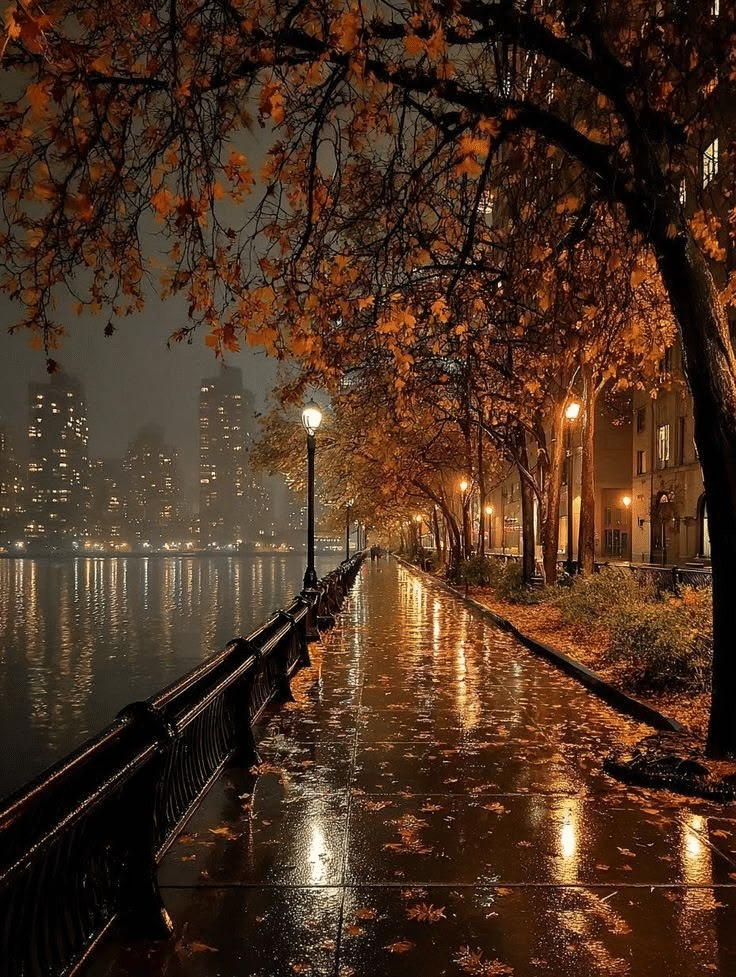
An impressionist rainy street scene is a great way to experiment with reflections, muted colors, and expressive brushwork. Paint a simple road or pavement leading toward a distant building or row of houses. Use gray, blue, lavender, and soft brown for the wet surroundings.
Add small areas of warm yellow or orange to represent streetlights or glowing windows. Reflect these colors on the wet pavement using loose horizontal strokes. You can also suggest distant people with a few simple shapes rather than drawing detailed figures.
Beginner tip: Keep the reflections slightly blurred and broken instead of drawing perfectly sharp shapes.
10. A Mountain Landscape in Morning Light
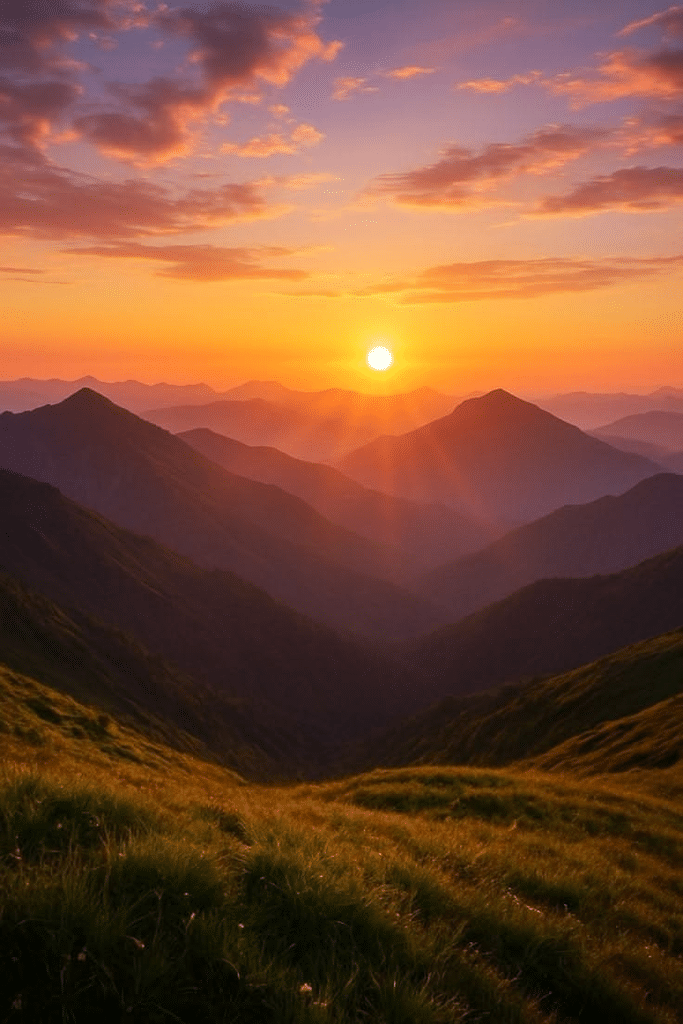
A mountain landscape is a wonderful subject for exploring layers, light, and color. Begin with a pale sky, then paint distant mountains using soft blue, violet, and gray tones. Add closer hills in deeper greens and browns to create a sense of distance.
You can include a small lake, a meadow, or a few trees in the foreground. Use loose brushstrokes to capture the texture of the mountains and the changing light across their surfaces. For a peaceful morning atmosphere, choose soft colors and avoid making every edge too sharp.
Beginner tip: Paint the farthest mountains first and gradually work toward the foreground, using stronger colors and more visible brushstrokes as you move closer.
Simple Tips for Creating Impressionist Landscape Paintings at Home
You do not need expensive equipment or advanced painting skills to enjoy impressionist art. A few simple techniques can help you create beautiful landscape paintings while developing your confidence.
- Choose simple subjects: Begin with gardens, lakes, fields, or sunsets that have recognizable shapes and colors.
- Use loose brushstrokes: Avoid outlining every object. Let short, visible strokes create the impression of flowers, trees, and clouds.
- Experiment with color: Try mixing warm and cool colors to capture different lighting conditions.
- Paint in layers: Start with the sky and distant background before adding trees, buildings, and foreground details.
- Observe natural light: Notice how sunlight changes the colors of objects throughout the day.
- Avoid overworking the canvas: Leave some brushstrokes visible to maintain a fresh, expressive appearance.
- Try different brushes: Flat, round, and filbert brushes can create different textures and effects.
- Enjoy the process: Focus on capturing the mood of the scene rather than making every detail perfect.
Summary
Impressionist landscape painting is a creative and relaxing way to explore nature through color, light, and expressive brushstrokes. From flower-filled gardens and lavender fields to ocean sunsets, rainy streets, and peaceful mountain scenes, there are many beautiful subjects beginners can try at home. Start with simple compositions, experiment with loose brushwork, and gradually explore different color combinations. Remember that impressionist art is about capturing the atmosphere of a moment, so you do not have to paint every detail perfectly to create something beautiful.
Frequently Asked Questions
1. What is impressionist landscape painting?
Impressionist landscape painting is an artistic style that focuses on capturing the atmosphere, light, and colors of outdoor scenes through loose, visible brushstrokes.
2. Is impressionist painting suitable for beginners?
Yes. Beginners can start with simple subjects such as sunsets, gardens, and lakes. The style encourages experimentation rather than perfect outlines and details.
3. What paints are best for impressionist landscape painting?
Acrylic and oil paints are both suitable. Acrylics are especially convenient for beginners because they dry relatively quickly and can be used with water.
4. What brushes should beginners use?
A small collection of flat, round, and filbert brushes is enough to get started. Different brush shapes help create foliage, flowers, clouds, and textured landscapes.
5. How can I create impressionist brushstrokes?
Use short, visible strokes, small dabs, and broken lines instead of blending everything into smooth surfaces. Vary the direction and size of your strokes to suggest different textures.
6. Do impressionist landscape paintings have to look realistic?
No. Impressionist paintings aim to capture the feeling and atmosphere of a scene. Colors, light, and brushwork are often more important than precise details.
7. Can I paint impressionist landscapes on paper?
Yes. You can use acrylic paper, canvas paper, or thick mixed-media paper. Choose a surface designed for the type of paint you are using.
SEO Meta Description: Discover 10 beautiful impressionist landscape paintings to try at home, with beginner-friendly ideas for gardens, sunsets, lakes, and colorful countryside scenes.