
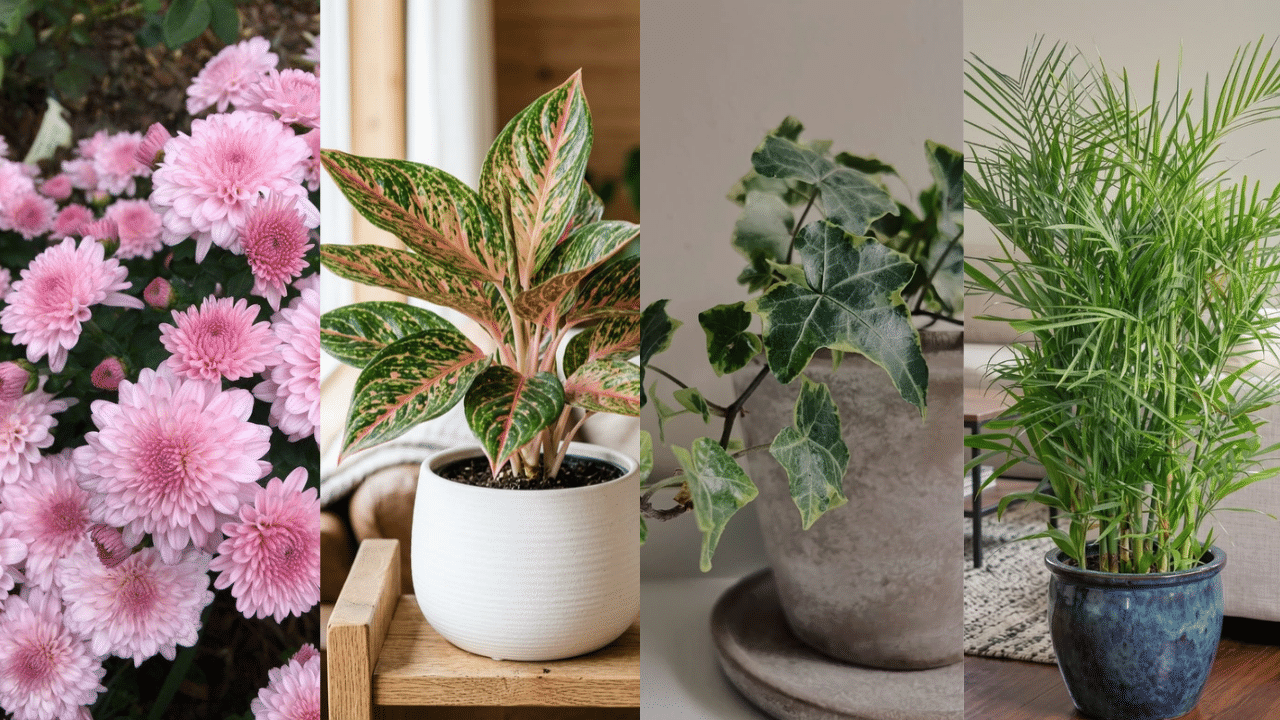
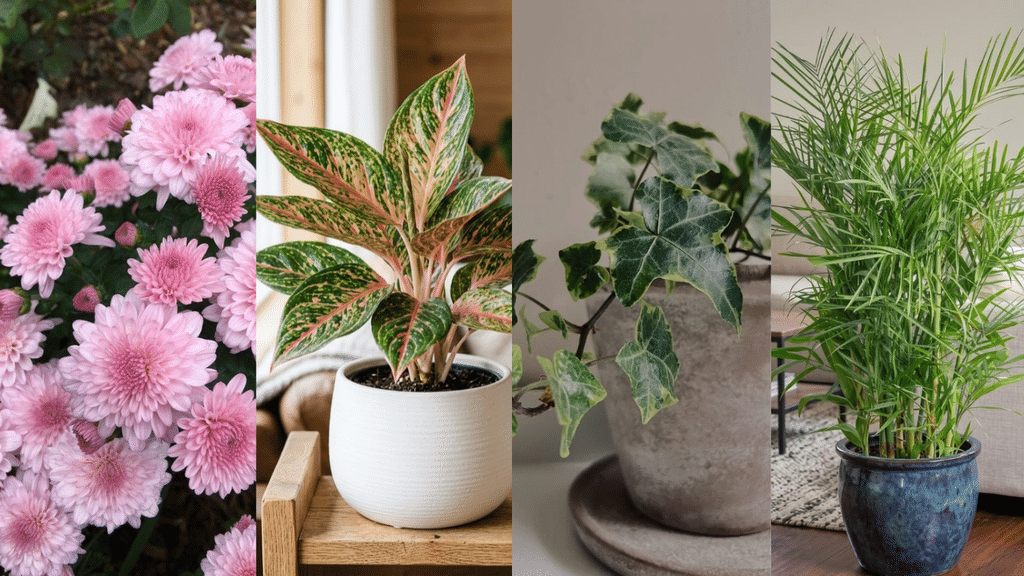
Indoor plants bring natural beauty into a home, add a touch of greenery, and can make living spaces feel more peaceful. Some houseplants have also been studied for their ability to absorb certain airborne chemicals under controlled laboratory conditions. This has made plants such as snake plants, spider plants, and peace lilies popular choices for people interested in creating a greener indoor environment.
However, there is an important difference between laboratory results and real homes. Although plants can absorb some pollutants, research has not shown that ordinary houseplants clean indoor air effectively enough to replace proper ventilation or air filtration. Still, they are lovely additions to your home and can encourage a healthier, more nature-inspired living space. Here are 15 popular indoor plants associated with air-cleaning research, along with their care requirements.
1. Snake Plant (Dracaena trifasciata)
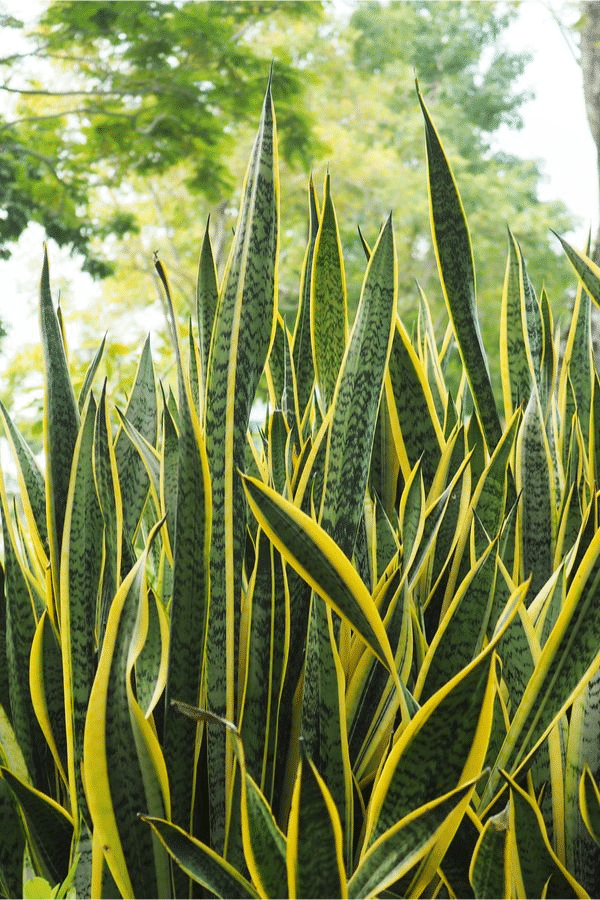
The snake plant is one of the most popular indoor plants because it is attractive, low-maintenance, and tolerant of different lighting conditions. Its upright, sword-shaped leaves add a modern touch to bedrooms, living rooms, and office spaces. It has also been included in research investigating how plants interact with indoor air pollutants.
Snake plants prefer bright, indirect light but can tolerate lower-light areas. Allow the soil to dry out between waterings because too much moisture can cause root rot.
Care tip: Choose a pot with drainage holes and avoid watering too frequently. Snake plants are toxic to cats and dogs if eaten.
2. Spider Plant (Chlorophytum comosum)
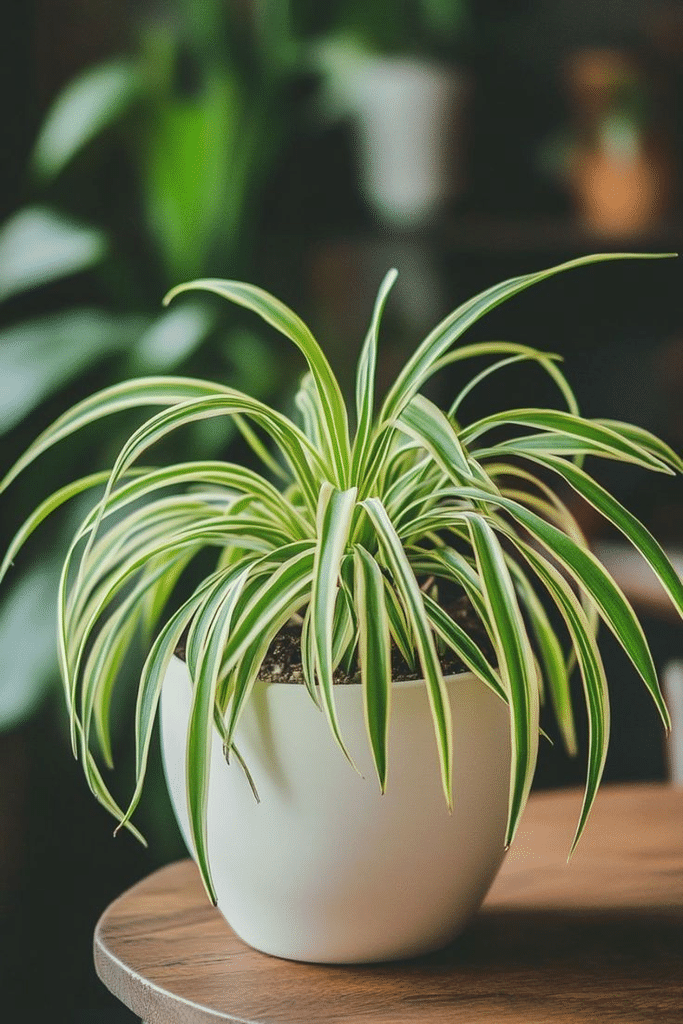
Spider plants are excellent choices for beginners who want an easy-to-grow houseplant. Their long, arching leaves usually feature green and white stripes, creating a fresh and decorative appearance. They produce small plantlets that hang from the mother plant, making them especially attractive in hanging baskets.
Spider plants have been studied for their ability to absorb certain airborne compounds under laboratory conditions. They grow well in bright, indirect light and prefer lightly moist soil.
Care tip: Allow the top layer of soil to dry slightly between waterings. Spider plants are generally considered non-toxic to cats and dogs.
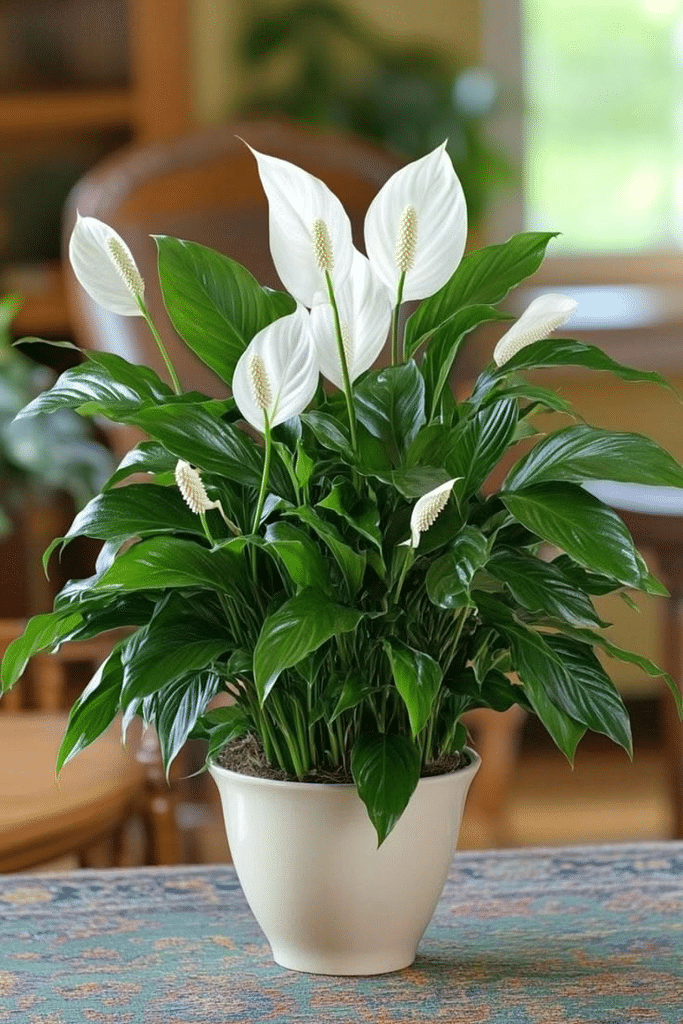
3. Peace Lily (Spathiphyllum)
Peace lilies are beautiful indoor plants known for their glossy green leaves and elegant white flowers. They can add a calm, natural atmosphere to bedrooms, living rooms, and shaded corners. They have also appeared in laboratory research examining the removal of certain volatile organic compounds from enclosed environments.
Peace lilies prefer indirect light and consistently moist but not waterlogged soil. Their leaves may droop when they need water, making it easier to recognize when they are thirsty.
Care tip: Keep the plant away from direct sunlight, which can scorch its leaves. Peace lilies are toxic to cats and dogs.
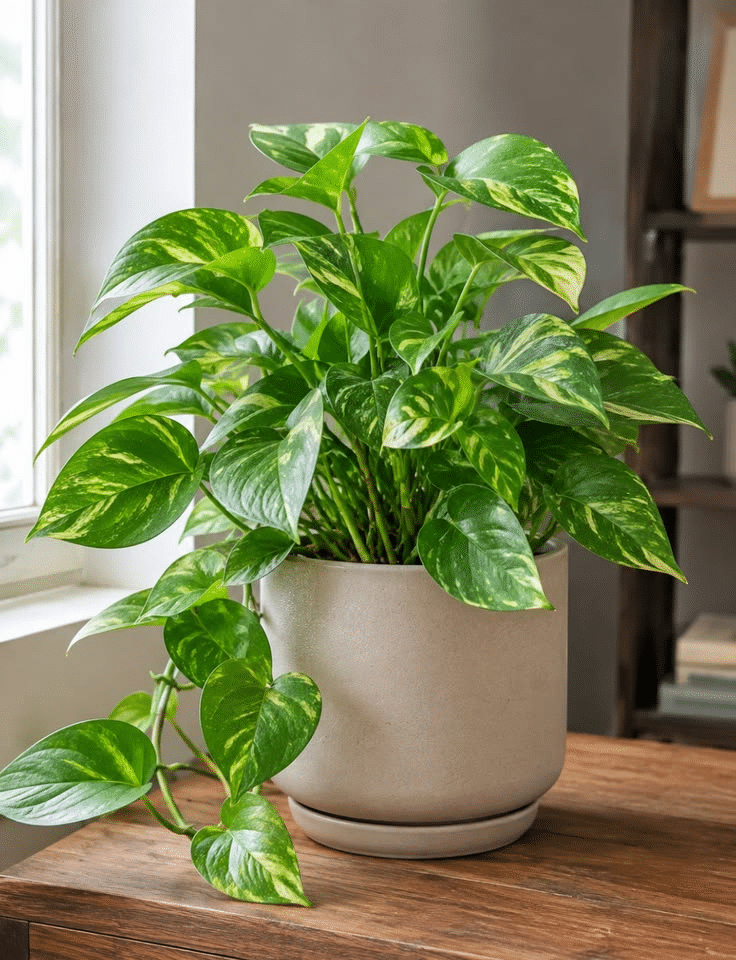
4. Golden Pothos (Epipremnum aureum)
Golden pothos is a popular trailing houseplant with heart-shaped green leaves decorated with golden-yellow markings. It looks beautiful on shelves, bookcases, and hanging planters, where its vines can grow downward naturally. Its ability to tolerate different indoor conditions makes it a practical choice for beginners.
Pothos has been studied for its ability to absorb certain airborne chemicals in controlled environments. It grows best in bright, indirect light but can also tolerate lower-light conditions.
Care tip: Water when the upper portion of the soil feels dry. Keep it out of reach of pets because pothos is toxic to cats and dogs.
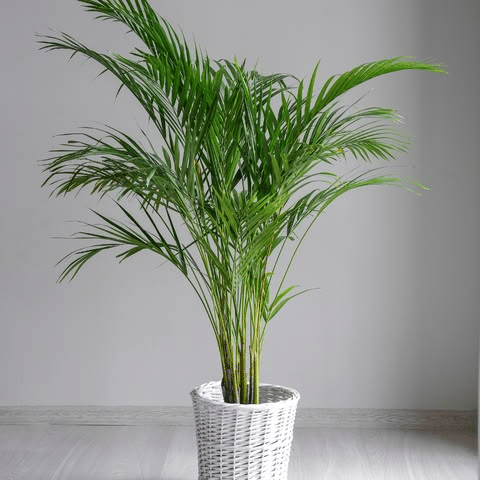
5. Areca Palm (Dypsis lutescens)
The areca palm is a beautiful tropical plant that can make an indoor space feel bright and refreshing. Its long, feathery fronds create a soft, lush appearance, making it a popular choice for living rooms, entrances, and spacious corners.
It is often mentioned in discussions about indoor plants and air quality, although its ability to meaningfully improve air in ordinary homes has not been established. Areca palms prefer bright, indirect light and consistently moist, well-draining soil.
Care tip: Keep the soil lightly moist without allowing water to collect around the roots. Areca palms are generally considered non-toxic to cats and dogs.
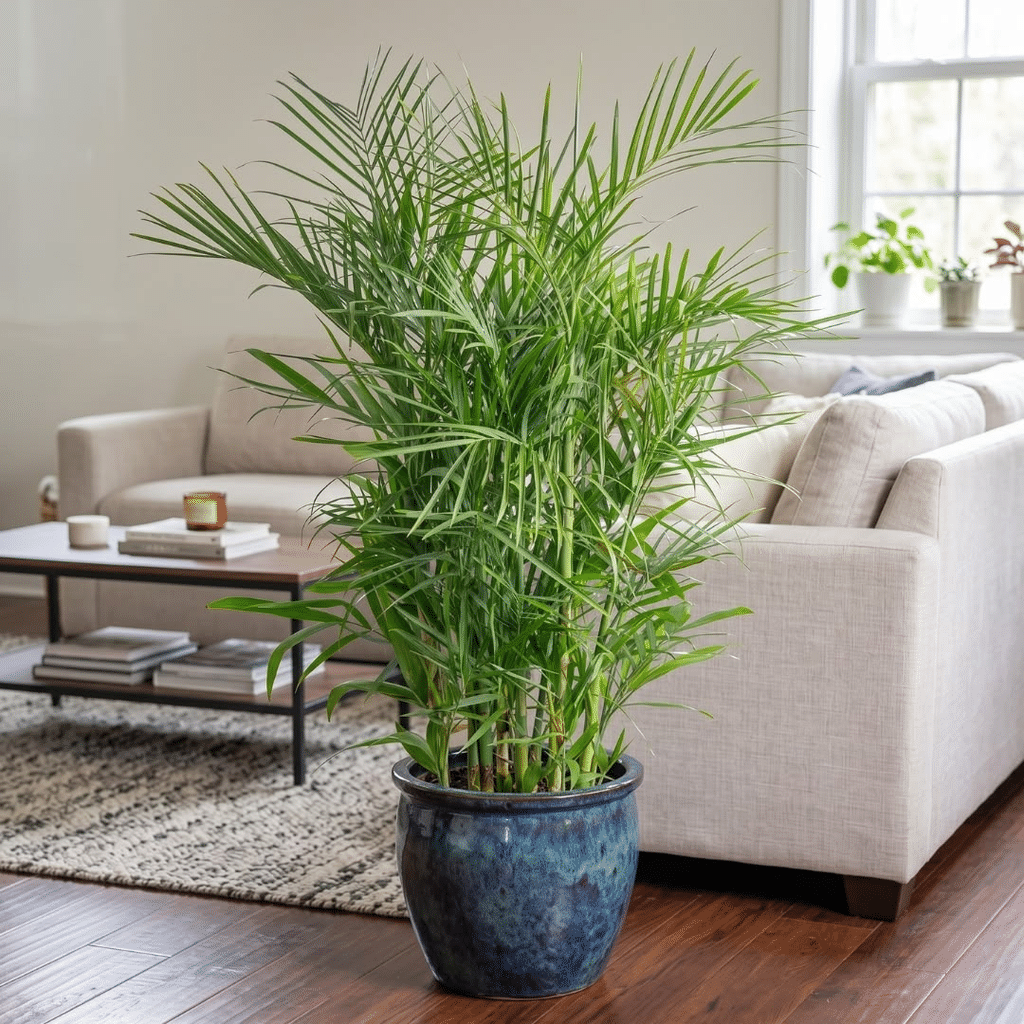
6. Bamboo Palm (Chamaedorea seifrizii)
Bamboo palms are attractive tropical houseplants with slender stems and delicate green leaves. Their upright growth makes them suitable for corners and spaces that need a little natural decoration. They have also been included in research into how indoor plants interact with certain airborne pollutants.
Bamboo palms generally prefer bright, indirect light and evenly moist soil. They can tolerate some shade, making them useful for indoor spaces that do not receive strong direct sunlight.
Care tip: Avoid placing the plant beside heaters or air-conditioning vents that create very dry conditions. Bamboo palms are generally considered pet-friendly.
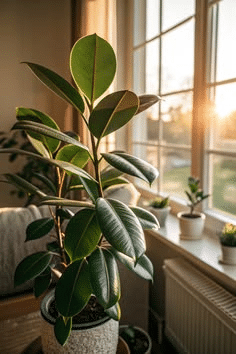
7. Rubber Plant (Ficus elastica)
The rubber plant is a striking indoor plant with large, thick, glossy leaves. Its deep green or burgundy foliage makes it a beautiful focal point in modern interiors. It is also relatively easy to maintain once you understand its watering and lighting needs.
Rubber plants have been investigated for their interaction with indoor air pollutants, but they should not be considered a replacement for ventilation or air filtration. They grow best in bright, indirect light and well-draining soil.
Care tip: Wipe the leaves occasionally with a damp cloth to remove dust and keep them looking healthy. Rubber plants are toxic to cats and dogs.
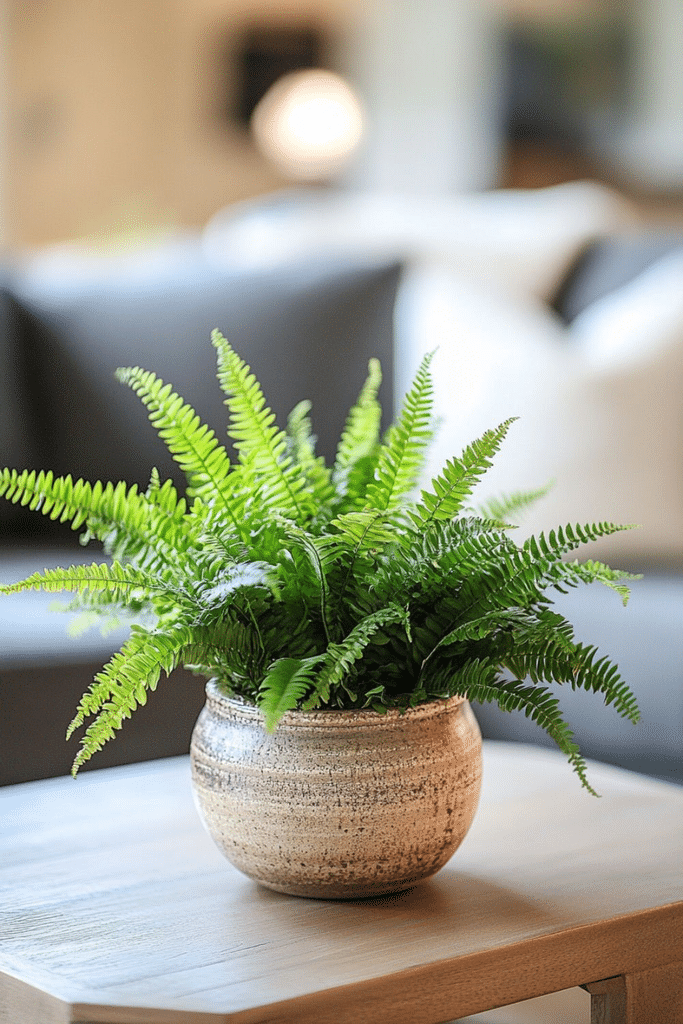
8. Boston Fern (Nephrolepis exaltata)
Boston ferns are popular for their soft, feathery foliage and lush appearance. Their cascading leaves look especially attractive in hanging baskets, decorative pots, and bright bathrooms. They are also frequently mentioned among houseplants studied for their ability to absorb certain airborne substances.
Unlike some low-maintenance plants, Boston ferns need consistent moisture and relatively high humidity. They prefer indirect light and should not be allowed to dry out completely.
Care tip: Mist the plant when appropriate or place it in a naturally humid room. Boston ferns are generally considered non-toxic to pets.
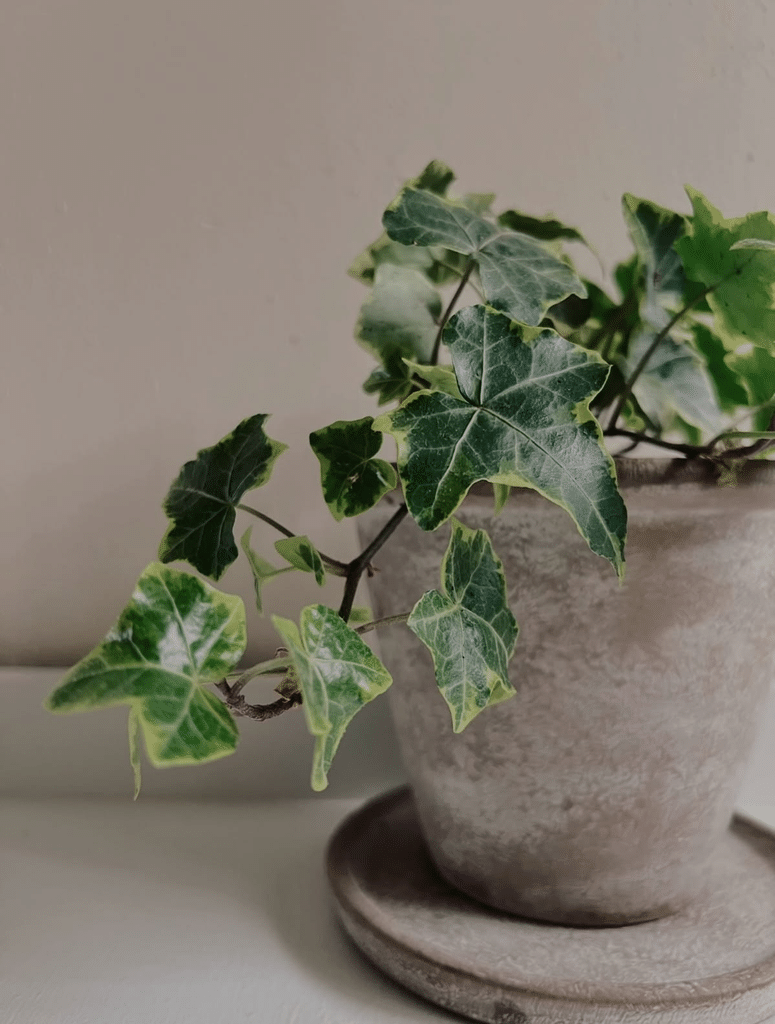
9. English Ivy (Hedera helix)
English ivy is a versatile trailing plant with attractive green leaves that may feature cream-colored markings. It can be grown in hanging baskets or trained along small indoor supports. Its decorative appearance makes it suitable for shelves and windowsills.
English ivy has been included in laboratory studies investigating the removal of airborne substances, including certain mould-related particles. However, laboratory findings do not establish that it can significantly improve indoor air quality in a typical home.
Care tip: Give it bright, indirect light and water when the soil begins to dry. English ivy is toxic to cats and dogs and should be kept out of their reach.
10. Dracaena (Dracaena Species)
Dracaena plants come in several attractive varieties, including the popular dragon tree with its narrow, pointed leaves. Their upright growth and interesting foliage make them excellent decorative choices for living rooms, offices, and other indoor spaces.
Certain dracaena varieties have been studied for their ability to remove selected airborne chemicals in controlled environments. They generally prefer bright, indirect light and soil that is allowed to dry slightly between waterings.
Care tip: Avoid overwatering and choose a well-draining potting mix. Many common dracaena varieties are toxic to cats and dogs.
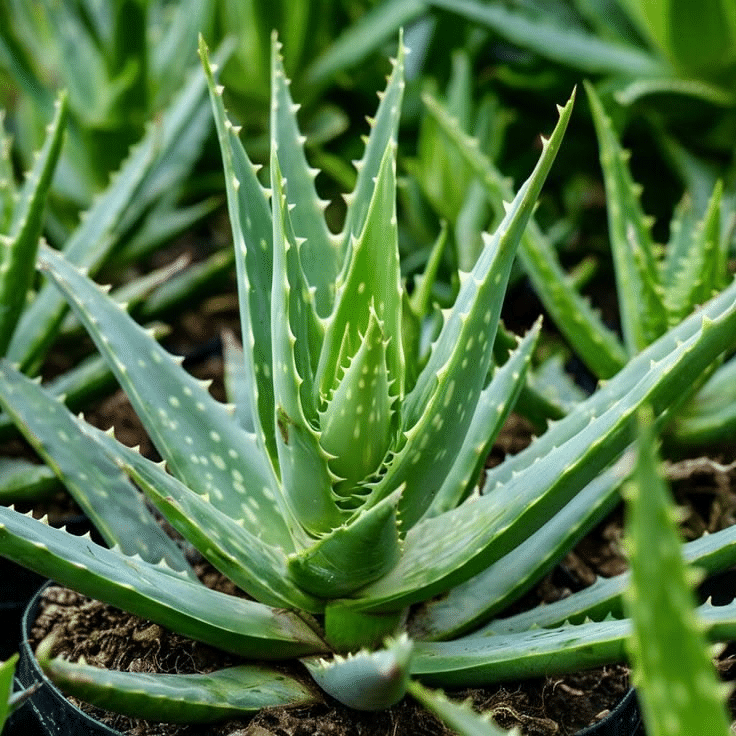
11. Aloe Vera (Aloe vera)
Aloe vera is a popular succulent with thick, fleshy leaves that store water. Its simple shape makes it a lovely addition to kitchens, windowsills, and minimalist interiors. Aloe is also well known for its traditional topical uses, although it should not be confused with a proven indoor air-cleaning solution.
This plant prefers bright light and well-draining soil. Unlike tropical houseplants, aloe does not need frequent watering. Allow the soil to dry completely before watering again.
Care tip: Place aloe near a bright window and avoid leaving it in standing water. Aloe vera is toxic to cats and dogs if ingested.
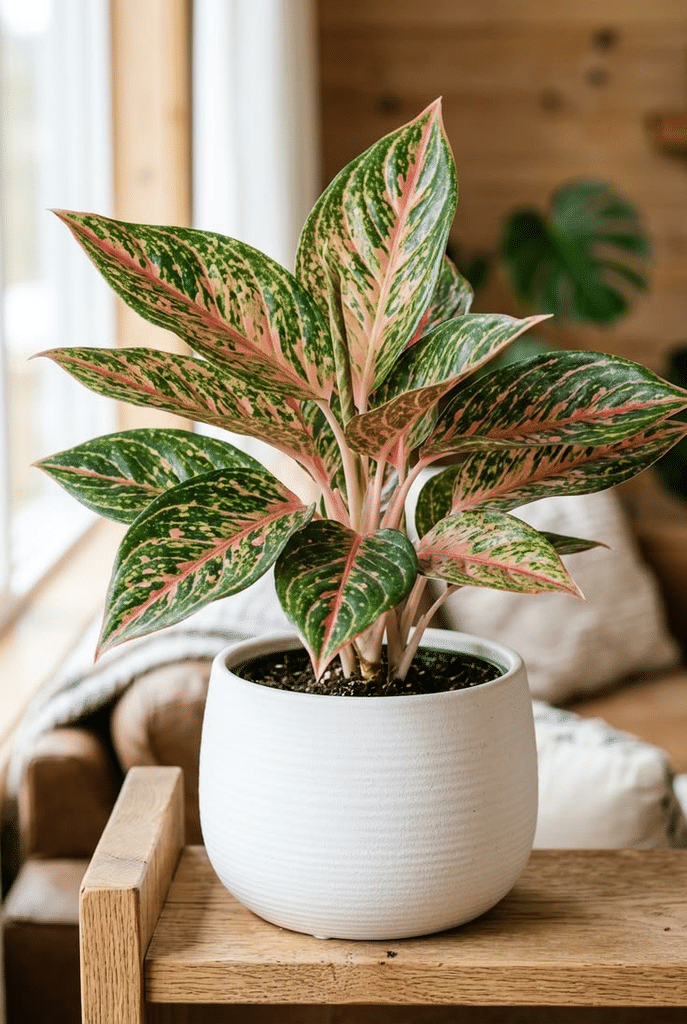
12. Chinese Evergreen (Aglaonema)
Chinese evergreen is a decorative houseplant known for its attractive patterned leaves. Depending on the variety, its foliage may include shades of green, silver, pink, or red. It is a popular option for people who want colorful greenery without needing a large amount of direct sunlight.
Some Aglaonema varieties have been investigated in research involving indoor pollutants. They generally grow well in low to medium indirect light and prefer moderately moist soil.
Care tip: Keep the plant away from harsh direct sunlight and avoid overwatering. Chinese evergreens are toxic to cats and dogs.
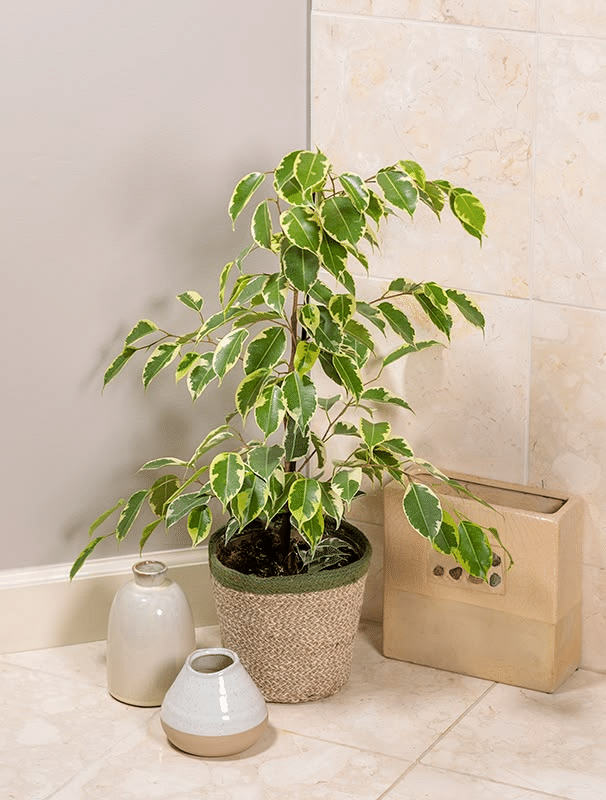
13. Weeping Fig (Ficus benjamina)
The weeping fig is a small indoor tree with graceful branches and delicate green leaves. Its full appearance makes it a lovely decorative feature in spacious living rooms and bright indoor areas. It has also been included in studies exploring how plants interact with indoor air pollutants.
Weeping figs prefer bright, indirect light and consistent watering. They can be sensitive to sudden environmental changes, so moving them frequently may cause leaves to drop.
Care tip: Find a suitable location and avoid frequently changing its position. Weeping figs can be toxic to cats and dogs.
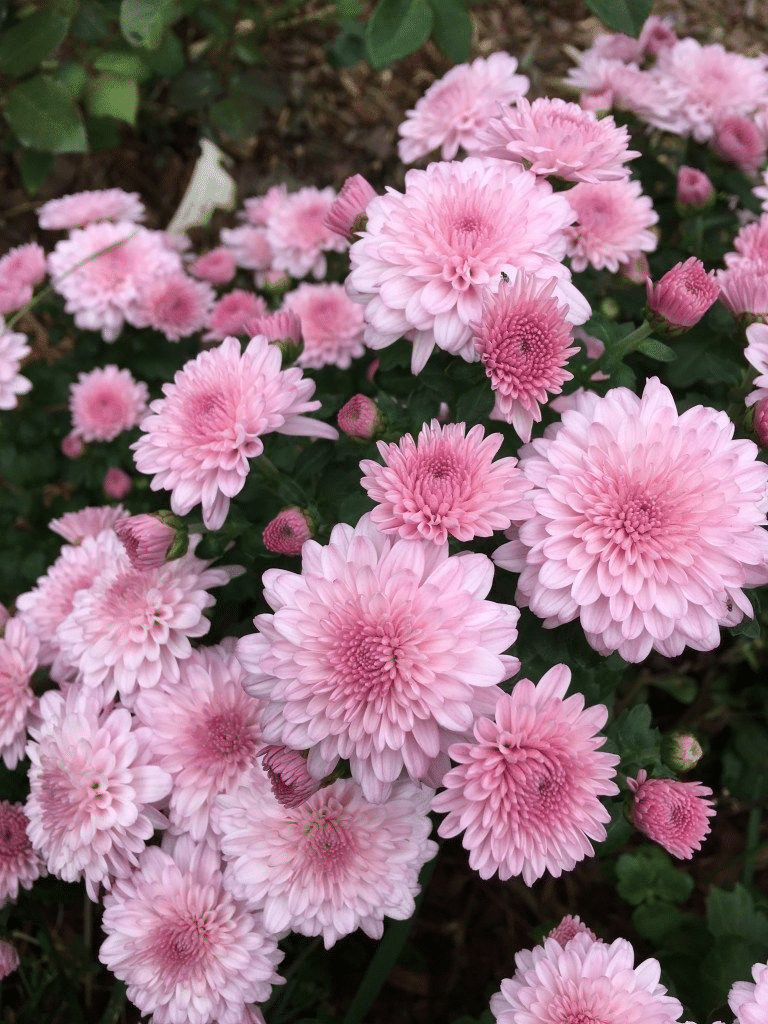
14. Chrysanthemum (Chrysanthemum morifolium)
Chrysanthemums bring beautiful seasonal color into indoor spaces with their full, cheerful flowers. They are available in many shades, including yellow, pink, white, purple, and orange. They have also been included in laboratory research investigating the removal of certain airborne chemicals.
Unlike foliage plants that are mainly grown for their leaves, chrysanthemums need plenty of light to flower well. Place them near a bright window and water when the surface of the soil begins to dry.
Care tip: Remove faded flowers to keep the plant looking tidy. Chrysanthemums are toxic to cats and dogs.
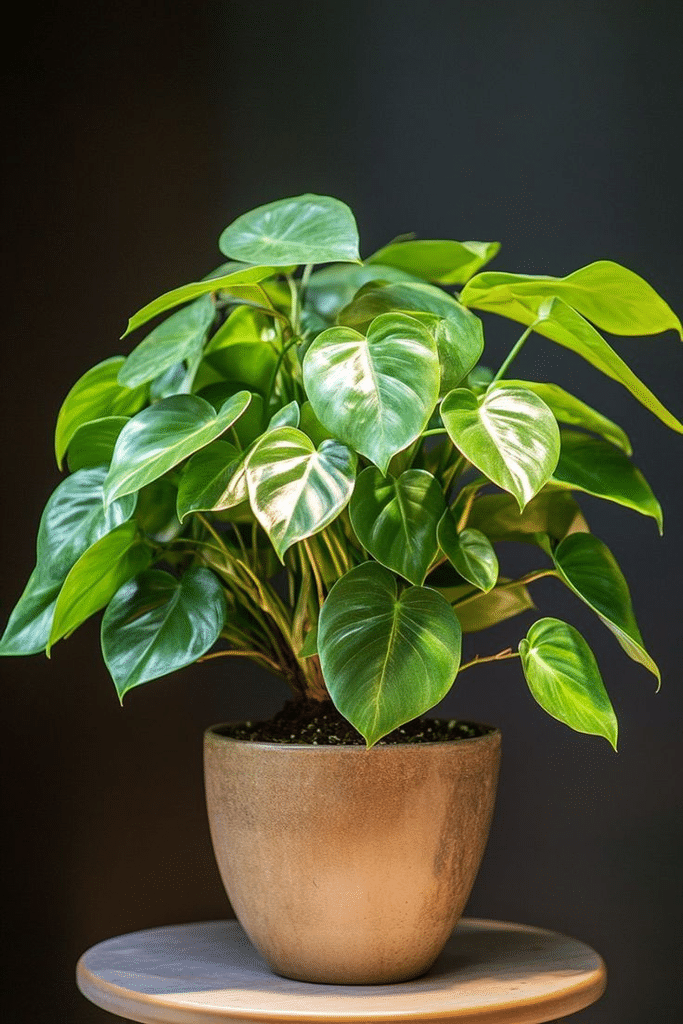
15. Philodendron (Philodendron Species)
Philodendrons are popular indoor plants because of their attractive leaves and adaptable growing habits. Some varieties have heart-shaped trailing foliage, while others grow in a more upright form. They are easy to incorporate into different decorating styles, from minimalist apartments to cozy reading corners.
Certain philodendron species have appeared in studies investigating how plants interact with airborne chemicals. They generally prefer bright, indirect light and moderately moist, well-draining soil.
Care tip: Allow the top layer of soil to dry before watering again. Philodendrons are toxic to cats and dogs.
Do Indoor Plants Really Clean the Air?
Indoor plants can absorb some airborne chemicals through their leaves and roots, and certain species have demonstrated pollutant-removal abilities in laboratory experiments. However, it is important to understand the limits of this research.
One well-known NASA study investigated how plants could remove volatile organic compounds from sealed experimental chambers. These findings helped popularize the idea of air-cleaning houseplants. However, a typical home is much larger, has continuous air movement, and receives pollutants from many different sources.
A later review of the research found that the number of ordinary potted plants needed to achieve meaningful air-cleaning effects in a typical indoor space would be impractically high.
If your goal is better indoor air quality, consider combining houseplants with these practical steps:
- Open windows when appropriate: Fresh outdoor air can help dilute indoor pollutants.
- Use an air purifier: A suitable HEPA filter can help remove airborne particles such as dust, pollen, and pet dander.
- Control indoor humidity: Keep moisture levels under control to reduce the risk of mould growth.
- Clean regularly: Vacuum carpets, wipe surfaces, and remove accumulated dust.
- Reduce indoor pollutants: Avoid indoor smoking and choose low-emission household products where possible.
- Maintain ventilation: Use kitchen and bathroom exhaust fans to remove moisture and cooking-related pollutants.
Summary
Indoor plants are a beautiful way to bring nature into your home, and several popular varieties have been studied for their ability to absorb certain airborne chemicals. Snake plants, spider plants, peace lilies, pothos, and Boston ferns are among the best-known examples. However, ordinary houseplants have not been shown to clean indoor air effectively enough to replace proper ventilation or air filtration. Choose plants based on your lighting conditions, available space, and maintenance preferences. With the right selection, you can enjoy a greener, more inviting home while supporting good indoor air habits.
Frequently Asked Questions
1. Which indoor plant is best known for air-cleaning research?
Snake plants, spider plants, peace lilies, and golden pothos are among the houseplants frequently discussed in connection with laboratory research on indoor air pollutants.
2. Do indoor plants really remove toxins from the air?
Some plants can absorb certain airborne chemicals under controlled conditions. However, there is limited evidence that ordinary numbers of houseplants significantly improve air quality in real homes.
3. How many indoor plants do I need to clean a room’s air?
There is no scientifically established number of houseplants that will effectively clean a typical room. Research suggests that an impractically large number would be needed to achieve meaningful pollutant removal.
4. Which indoor plants are easiest to maintain?
Snake plants, spider plants, golden pothos, and aloe vera are popular beginner-friendly options because they generally tolerate a range of indoor conditions.
5. Can I keep air-cleaning plants in my bedroom?
Many houseplants can be kept in bedrooms if the room provides suitable light and temperature conditions. Choose plants according to your available space and remember that they are not a substitute for ventilation.
6. Are indoor air-cleaning plants safe for pets?
Not all houseplants are pet-friendly. Spider plants, areca palms, and Boston ferns are generally considered safer choices, while peace lilies, pothos, aloe vera, and several others can be toxic to cats or dogs. Check the specific plant species before bringing one home.
7. Do indoor plants produce oxygen at night?
Most plants use photosynthesis during daylight and respire throughout the day and night. Some plants, including certain succulents, use a different photosynthetic process that allows them to take in carbon dioxide at night. However, the oxygen contribution of a typical houseplant is not enough to meaningfully change bedroom air quality.
SEO Meta Description: Discover 15 popular indoor plants associated with air-cleaning research, including snake plants, spider plants, peace lilies, and easy-care greenery for your home.