
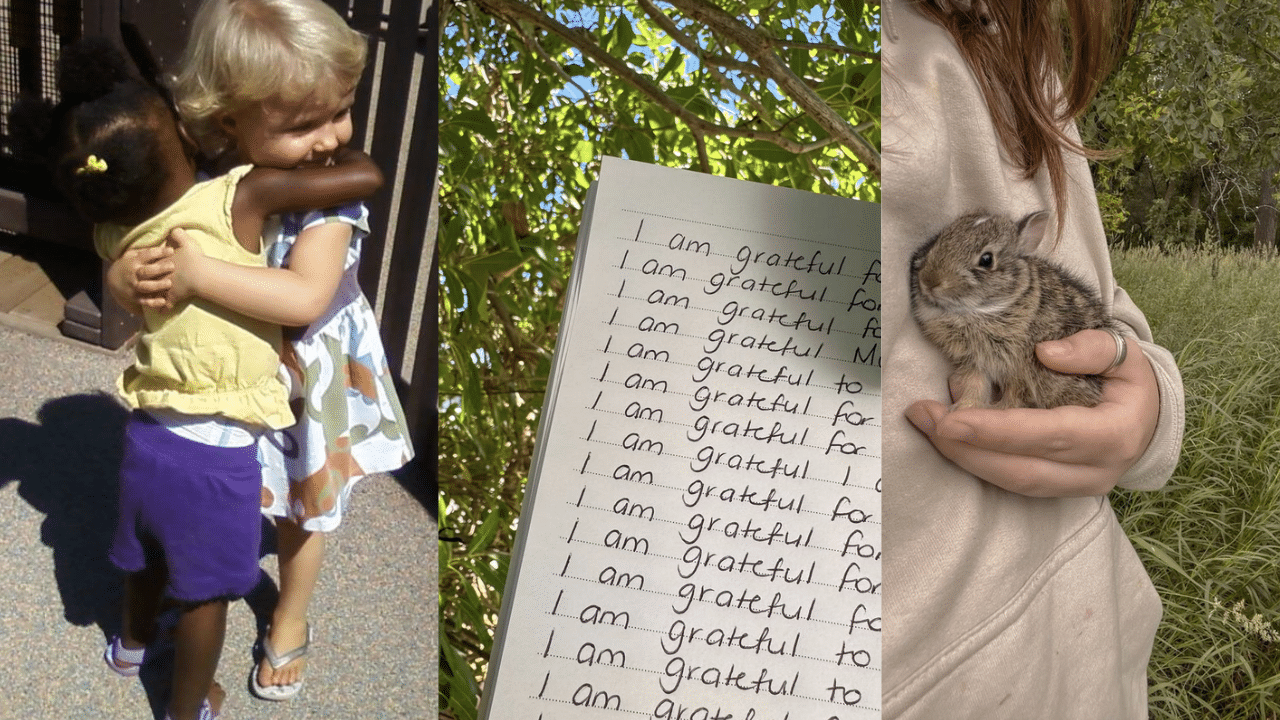
Good karma begins with the small choices we make every day. Whether it is offering a kind word, helping someone in need, or choosing patience during a difficult moment, our actions can influence the energy we bring into our relationships and communities. The idea of karma is rooted in several spiritual traditions, where actions and intentions are understood to have consequences. Although people interpret karma in different ways, practicing kindness, honesty, gratitude, and compassion can help create a more meaningful and positive daily life.
You do not need complicated rituals or expensive spiritual tools to invite more goodness into your everyday routine. Simple habits, such as listening without judgment, expressing appreciation, and treating others with respect, can make a genuine difference in how you experience the world. These practices also encourage self-awareness and help you respond thoughtfully instead of acting out of frustration or fear. If you want to cultivate a more peaceful mindset and build healthier connections with others, here are ten simple ways to attract good karma every day.
1. Practice Random Acts of Kindness
Kindness is one of the simplest ways to bring more goodness into your daily life. Small gestures, such as holding a door open, helping a neighbor carry groceries, checking on a friend, or offering a sincere compliment, can brighten someone’s day. These actions do not need to be dramatic or expensive to be meaningful. Often, the smallest gestures have the greatest impact because they show people that they are noticed, valued, and cared for.
Make kindness a daily habit by looking for opportunities to help without expecting anything in return. You could share useful information with a coworker, allow someone to go ahead of you in a queue, or send an encouraging message to someone going through a difficult time. The important part is your intention. Kindness should come from genuine care rather than a desire for praise or recognition. Over time, these small actions can strengthen your relationships, create a more supportive environment, and encourage you to approach everyday situations with greater compassion.
2. Practice Gratitude Every Morning
Gratitude helps you notice the positive parts of your life, even when everything is not going according to plan. Instead of focusing only on what you lack, taking a moment to appreciate what you already have can encourage a more balanced outlook. You might feel grateful for your health, a supportive friend, a comfortable home, a delicious meal, or simply the opportunity to begin another day. This practice does not mean ignoring your problems; it means making space to recognize the good alongside the difficult.
Start each morning by naming three things you appreciate. You can write them in a journal, say them quietly to yourself, or share them with someone you love. Try to be specific rather than repeating the same general statements every day. For example, you might appreciate a thoughtful conversation you had yesterday or the peaceful feeling of drinking tea before work. When practiced consistently, gratitude can help you become more attentive to positive experiences and encourage you to express appreciation more openly toward the people around you.
3. Speak With Honesty and Compassion
The words you choose can influence how people feel around you and how you experience your relationships. Speaking honestly builds trust, while compassion helps ensure that your honesty does not become unnecessarily hurtful. Good karma, in a practical everyday sense, can begin with choosing words that are truthful, respectful, and considerate. You do not need to agree with everyone, but you can communicate your thoughts without insults, humiliation, or unnecessary criticism.
Before responding during a disagreement, pause and consider whether your words are accurate, helpful, and respectful. If you need to offer feedback, focus on the issue rather than attacking the person. Avoid spreading rumors or repeating private information that someone trusted you to keep confidential. When you make a mistake, acknowledge it and apologize sincerely instead of making excuses. These habits may not prevent every conflict, but they can help you build stronger relationships and create a reputation for fairness and integrity. Honest, compassionate communication also makes it easier to maintain your own peace of mind.
4. Help Others Without Expecting a Reward
Helping others can create a sense of connection and purpose, especially when your actions respond to a genuine need. You might help a family member with an everyday task, share your knowledge with a beginner, volunteer for a community project, or offer support to someone who feels overwhelmed. These gestures reflect generosity and remind you that even small contributions can make life easier for another person.
To make this practice part of your routine, choose forms of help that fit your abilities, time, and resources. You do not need to donate money or take on major responsibilities to make a difference. Sometimes listening patiently, sharing a useful resource, or checking whether someone needs assistance is enough. It is also important to respect other people’s wishes rather than assuming they want your help. Genuine generosity leaves room for dignity and choice. When you help without keeping score, you can focus on the value of the action itself instead of worrying about whether someone will repay you.
5. Let Go of Resentment and Practice Forgiveness
Holding on to resentment can keep painful experiences at the center of your thoughts long after the original situation has passed. Practicing forgiveness may help you release some of that emotional weight and make room for a calmer perspective. Forgiveness does not mean pretending that someone did nothing wrong, excusing harmful behavior, or immediately restoring a damaged relationship. It means considering whether you are ready to stop carrying the same anger into every new day.
Begin by acknowledging what happened and how it affected you. Give yourself time to process difficult emotions rather than forcing yourself to forgive before you are ready. You might find it helpful to write down your feelings, talk with a trusted person, or reflect on the boundaries you need moving forward. In some situations, maintaining distance is the healthiest choice. You can work toward inner peace without allowing someone who hurt you to regain access to your life. Letting go is a personal process, and even small steps toward emotional freedom can help you respond to the future with greater clarity.
6. Treat Nature and Animals With Respect
Respecting nature is another meaningful way to practice responsibility and compassion in everyday life. The choices you make around your home, workplace, and community can affect the environment and the living things that depend on it. Simple actions, such as reducing waste, reusing household items, conserving water, planting suitable flowers, and avoiding unnecessary litter, can contribute to a cleaner and healthier environment.
You can also show kindness toward animals by providing appropriate care for pets, supporting responsible animal welfare efforts, or observing wildlife without disturbing it. If you have a garden, consider growing plants that suit your local climate and provide food or shelter for beneficial insects and birds. You do not need to make dramatic lifestyle changes all at once. Choose one or two realistic habits and practice them consistently. Treating the natural world with care encourages a greater sense of responsibility and reminds you that your actions can affect lives beyond your immediate circle.
7. Be Mindful of Your Intentions
Your intentions can influence the way you approach decisions, relationships, and challenges. Two people may perform the same action for very different reasons: one may help out of genuine concern, while another may do so mainly to gain attention or control someone. Reflecting on your intentions encourages you to understand what motivates your behavior and whether your choices reflect the values you want to live by.
Take a brief pause before important conversations or decisions and ask yourself why you are acting in a particular way. Are you responding with patience, or are you trying to prove a point? Are you offering help because you care, or because you expect praise? These questions are not meant to make you criticize yourself constantly. Instead, they can help you notice unhelpful patterns and make more thoughtful choices. Nobody has perfectly pure intentions all the time, and personal growth involves learning from mistakes. The goal is to become more aware, sincere, and responsible in the way you treat yourself and others.
8. Apologize When You Make a Mistake
Everyone makes mistakes, but taking responsibility for them can help repair trust and prevent unnecessary conflict. A sincere apology shows that you recognize the effect your behavior may have had on another person. Rather than focusing on protecting your pride, it allows you to acknowledge the situation and consider how to do better next time. This is an important everyday practice for building healthier relationships and living according to your values.
When apologizing, be specific about what you did and acknowledge the other person’s feelings without immediately defending yourself. For example, you might say, “I’m sorry I interrupted you earlier. I should have listened before responding.” Avoid adding excuses that shift the responsibility back onto the other person. If possible, ask what you can do to make things right, then follow through with meaningful changes. Remember that an apology does not guarantee immediate forgiveness. The other person may need time, and rebuilding trust often requires consistent behavior. Taking responsibility is valuable even when the outcome is not entirely within your control.
9. Create a Daily Mindfulness or Meditation Practice
Mindfulness and meditation can help you become more aware of your thoughts, emotions, and reactions. When you notice frustration or stress early, you may find it easier to pause before responding in a way you later regret. This makes mindfulness a useful complement to everyday habits such as patience, kindness, and honest communication. You do not need to meditate for an hour or follow a complicated routine to begin.
Set aside five minutes each day to sit quietly, breathe naturally, and notice what is happening in the present moment. If your mind wanders, gently bring your attention back to your breath without judging yourself. You can also practice mindfulness while walking, washing dishes, gardening, or drinking your morning tea. The purpose is not to eliminate every difficult thought but to develop a more thoughtful relationship with your experiences. With regular practice, this pause can help you respond more intentionally to everyday situations and make choices that reflect the kind of person you want to become.
10. End Each Day With Reflection
A short evening reflection can help you understand your actions, recognize progress, and identify opportunities to make better choices tomorrow. Instead of judging your entire day as good or bad, consider the individual moments that mattered. Perhaps you helped someone, handled a disagreement calmly, or showed patience when you felt frustrated. You can also acknowledge moments when you acted impulsively or failed to communicate as thoughtfully as you intended.
Before going to bed, ask yourself three simple questions: What did I do well today? Where could I have responded differently? What is one kind or responsible action I can take tomorrow? Writing your answers in a journal can help you recognize patterns over time. Keep the practice gentle and constructive rather than turning it into a list of personal failures. Growth requires honesty, but it also requires patience with yourself. By reviewing your day with curiosity and compassion, you can make small improvements that gradually shape your habits and relationships.
Summary: Simple Ways to Attract Good Karma Every Day
Attracting good karma can begin with everyday choices that reflect kindness, gratitude, honesty, generosity, and compassion. Whether you help someone without expecting a reward, apologize for a mistake, respect nature, or take a few minutes to reflect on your actions, each practice offers an opportunity to live more intentionally. Different spiritual traditions understand karma in different ways, so it is helpful to approach the concept with respect and an open mind. You cannot control every outcome or guarantee that good deeds will always be rewarded. However, you can choose how you treat others, respond to challenges, and learn from experience. Start with one small habit today and allow it to grow naturally into a more thoughtful daily routine.
Frequently Asked Questions
1. What is the simplest way to attract good karma?
Start with small acts of kindness, honest communication, and gratitude. Treat people with respect, help when you reasonably can, and take responsibility for your mistakes. These everyday habits can improve relationships and encourage you to live according to your values.
2. Does good karma mean good things will always happen to you?
Not necessarily. Karma is understood differently across spiritual and philosophical traditions, and it should not be treated as a guarantee that every good action will lead to an immediate reward. Practicing kindness and integrity is valuable even when you cannot predict the outcome.
3. Can I practice good karma without following a spiritual tradition?
Yes. You can practice kindness, generosity, honesty, and mindfulness as personal values without following a particular religion or spiritual path. If you explore karma as a religious concept, remember that its meaning and interpretation vary across traditions.
4. How can I make good karma part of my daily routine?
Choose one simple habit each morning, such as expressing gratitude or helping someone. During the day, try to communicate respectfully and act with awareness. In the evening, reflect on your choices and identify one thing you would like to improve tomorrow.
5. Is forgiving someone necessary for good karma?
Forgiveness may help some people find peace, but it should not be forced. You can work through resentment while maintaining healthy boundaries and protecting yourself from further harm. Taking responsibility for your own actions is important, but you are not responsible for excusing another person’s harmful behavior.
SEO Description: Discover 10 simple ways to attract good karma every day through kindness, gratitude, mindfulness, forgiveness, and positive daily habits that encourage a more peaceful and meaningful life.