
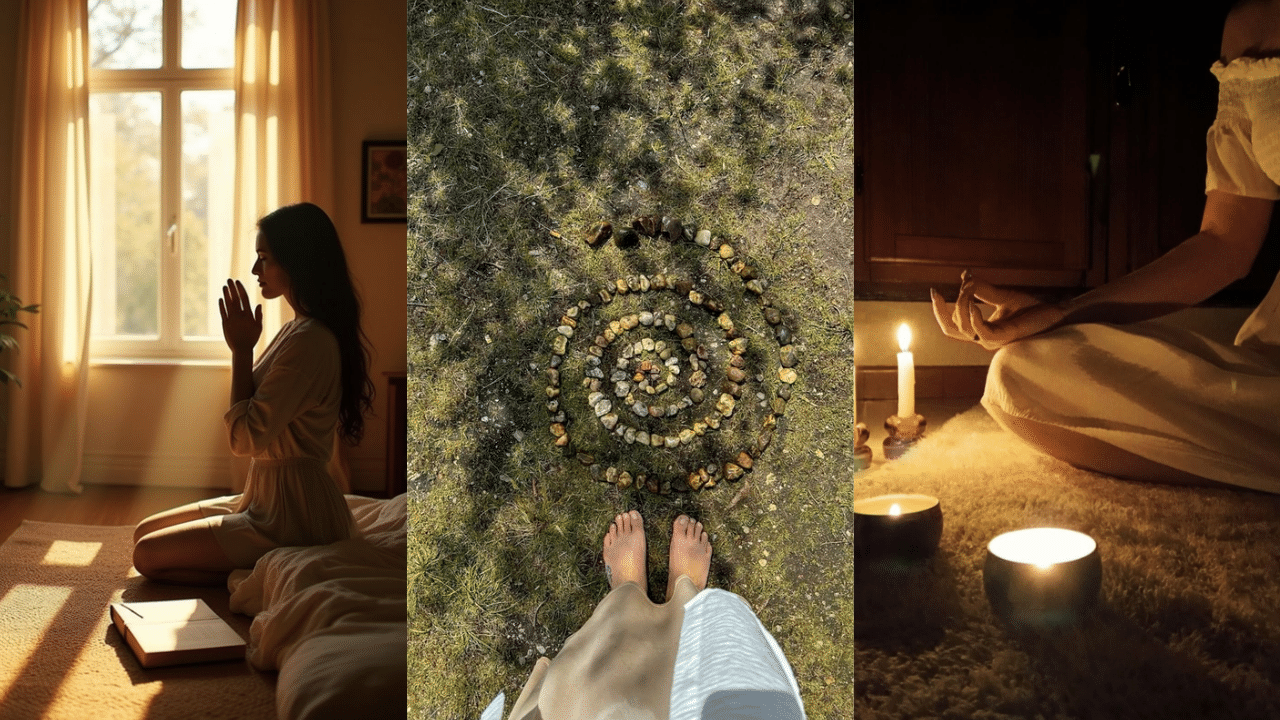
Awakening your spirit begins with creating space for peace, self-discovery, and a deeper connection with what makes your life meaningful. In the middle of busy schedules, endless responsibilities, and everyday distractions, it is easy to lose touch with your inner self. Simple spiritual rituals can help you slow down, become more present, and reconnect with your personal values. Whether you find meaning through prayer, meditation, nature, gratitude, or quiet reflection, small intentional habits can become powerful reminders to nurture your inner world.
You do not need an elaborate spiritual routine to begin your journey. A few minutes of mindful breathing in the morning, a gratitude practice before bed, or a peaceful walk outdoors can help you approach life with greater awareness and intention. These rituals are not about achieving perfection or escaping difficult emotions. Instead, they encourage you to listen to yourself, appreciate the present moment, and discover what brings you a genuine sense of peace and purpose. Here are 10 simple rituals to awaken your spirit and bring more meaning into your everyday life.
1. Begin Your Day With a Moment of Silence
Starting your morning in silence gives you an opportunity to connect with yourself before the world demands your attention. Instead of immediately reaching for your phone, checking messages, or thinking about your to-do list, allow yourself a few quiet moments to simply be present.
Find a comfortable place to sit and take several natural, gentle breaths. Notice your thoughts without judging them, and consider how you would like to approach the day. You might choose an intention such as patience, kindness, courage, or gratitude. This simple morning ritual can help you begin your day with greater awareness and a clearer sense of direction.
2. Create a Daily Gratitude Ritual
Gratitude invites you to recognize the meaningful experiences, relationships, and simple pleasures that are already part of your life. It does not mean ignoring difficulties or pretending everything is perfect. Instead, it encourages you to acknowledge positive moments alongside the challenges you may be facing.
Keep a small notebook near your bed and write down three things you appreciate each morning or evening. You might be grateful for a supportive friend, a peaceful home, a beautiful sunrise, or the opportunity to learn something new. Over time, this ritual can become a gentle reminder to notice the goodness that exists in ordinary moments.
3. Practice Mindful Breathing or Meditation
Mindful breathing and meditation offer a simple way to pause and reconnect with the present moment. When your thoughts feel overwhelming or your attention is constantly pulled in different directions, a few minutes of stillness can help you observe your inner experience more clearly.
Set aside five minutes in a quiet space. Breathe naturally and focus on the sensation of each breath. When your mind wanders, gently return your attention to breathing without criticizing yourself. You can also try a guided meditation or a spiritual reflection that aligns with your beliefs. The goal is not to stop thinking entirely but to develop a calmer, more attentive relationship with your thoughts.
4. Spend Time Connecting With Nature
Nature can offer a beautiful setting for spiritual reflection and self-discovery. Watching sunlight filter through leaves, listening to birds, feeling a gentle breeze, or observing the changing sky can remind you to slow down and appreciate the world around you.
Make time for a short walk, sit in your garden, or enjoy a few quiet moments outdoors. Leave your phone aside when possible and pay attention to the sights, sounds, and sensations around you. You might reflect on the changing seasons, the beauty of living things, or your place within the natural world. This ritual can help you feel more present and connected to something beyond your daily routine.
5. Light a Candle With a Meaningful Intention
Lighting a candle can become a simple symbolic ritual that marks a moment of reflection, prayer, or personal intention. The gentle light can serve as a visual reminder to slow down and turn your attention toward what matters most to you.
Choose a safe, quiet spot and light a candle while thinking about an intention for the day or week. You might focus on healing, gratitude, patience, hope, or personal growth. Spend a few minutes sitting quietly with that intention in mind. If you prefer not to use an open flame, an electric candle can create a similar visual reminder. Never leave a burning candle unattended.
6. Read Something That Nourishes Your Soul
Words can inspire reflection, encourage hope, and introduce ideas that help you understand yourself more deeply. Reading meaningful material can become a spiritual ritual when you approach it with curiosity rather than treating it as another task to finish.
Choose a religious text, an inspiring book, a thoughtful poem, or a passage about compassion, wisdom, and personal growth. Read a small section slowly, then pause to consider what it means to you. Ask yourself whether the message connects with something happening in your life or offers a perspective you had not considered before. Even five minutes of thoughtful reading can become a valuable part of your daily routine.
7. Use Journaling to Explore Your Inner World
Journaling creates a private space where you can explore your thoughts, beliefs, emotions, and hopes without needing to make everything sound perfect. It can help you recognize patterns, understand your priorities, and reflect on the experiences that shape your sense of purpose.
Set aside a few minutes to write freely about what is on your mind. If you need inspiration, consider questions such as: What makes me feel most connected to myself? What values do I want to live by? What am I ready to learn or release? What brings meaning to my life? You do not need to find immediate answers. Allow your thoughts to develop naturally as you continue the practice.
8. Practice Small Acts of Kindness
Awakening your spirit is not only about spending time alone or looking inward. It can also involve expressing your values through the way you treat other people. Small acts of kindness can help you develop compassion, strengthen relationships, and create a greater sense of connection.
Make kindness part of your daily ritual by offering sincere encouragement, listening carefully to someone, helping a neighbor, or expressing appreciation to a person who has supported you. You might also volunteer for a cause that matters to you. These actions do not need to be dramatic. Consistent, thoughtful gestures can make compassion a more natural part of your everyday life.
9. Release the Day Through an Evening Reflection
The end of the day offers an opportunity to pause, acknowledge your experiences, and prepare for rest. Rather than carrying every unfinished task or difficult interaction into the evening, create a small ritual that helps you reflect and gently shift your attention away from the day’s demands.
Before bed, sit quietly or write a few lines in your journal. Think about what went well, what challenged you, and what you learned. If something remains unresolved, consider one practical step you can take tomorrow instead of repeatedly replaying it in your mind. You can also say a prayer, practice slow breathing, or express gratitude for one meaningful moment. Let the ritual be a reminder that each day offers opportunities to learn and begin again.
10. Set a Weekly Intention for Spiritual Growth
A weekly intention gives your spiritual journey a sense of direction without turning it into a rigid set of rules. It helps you focus on a quality, value, or habit you would like to nurture in your everyday life.
At the beginning of each week, choose one intention that feels relevant to you. You might focus on patience, self-compassion, forgiveness, honesty, or spending more time in meaningful relationships. Write your intention somewhere visible and look for small ways to practice it throughout the week. At the end of the week, reflect on what you noticed and what you would like to continue. Remember that spiritual growth is personal, and it does not need to follow a particular timeline.
Tips for Making Spiritual Rituals Part of Your Routine
You do not need to practice all 10 rituals every day. The most meaningful routine is one that fits your lifestyle and reflects your personal beliefs.
- Start with one ritual: Choose an activity that feels comfortable, such as morning silence or evening gratitude.
- Keep your routine simple: Begin with five minutes rather than setting aside a large amount of time.
- Choose a consistent moment: Connect your ritual to an existing habit, such as breakfast, a lunch break, or bedtime.
- Create a peaceful environment: Find a comfortable spot where you can reflect without unnecessary distractions.
- Follow your own beliefs: Your rituals can be religious, spiritual, reflective, or nature-focused.
- Avoid forcing an experience: Some days may feel peaceful, while others may feel ordinary or difficult. Both are part of life.
- Be patient with yourself: Focus on building a meaningful relationship with your practices instead of expecting immediate transformation.
Summary
Simple rituals can help you awaken your spirit by making room for reflection, gratitude, mindfulness, and meaningful connection. Whether you begin your morning in silence, spend time in nature, write in a journal, or end the day with a peaceful reflection, each practice offers an opportunity to reconnect with what matters most to you.
There is no single correct way to explore spirituality, and your journey does not need to look like anyone else’s. Start with one ritual that resonates with you and allow it to become a natural part of your routine. With time, these small moments of intention may help you develop greater self-awareness, nurture inner peace, and live with a stronger sense of purpose.
Frequently Asked Questions
1. What does it mean to awaken your spirit?
Awakening your spirit generally refers to developing greater awareness of your inner self, personal values, sense of purpose, and connection with life. The meaning can differ depending on your beliefs and spiritual traditions.
2. What are simple spiritual rituals for beginners?
Beginners can start with daily gratitude, mindful breathing, quiet reflection, journaling, prayer, or spending a few minutes in nature. Choose one practice that feels meaningful and easy to maintain.
3. Can I awaken my spirit without following a religion?
Yes. Spirituality can be explored through personal reflection, meditation, compassion, nature, and living according to your values. You do not need to belong to a particular religion to develop a deeper sense of meaning and connection.
4. How long should a daily spiritual ritual take?
A ritual can take as little as three to five minutes. You can gradually spend more time on practices that feel valuable, but a longer routine is not automatically more meaningful.
5. What is the best time of day for spiritual rituals?
The best time depends on your schedule and preferences. Morning rituals can help you begin the day intentionally, while evening rituals provide space to reflect and unwind. Choose a time you can maintain comfortably.
6. How can I create a peaceful spiritual routine at home?
Choose a quiet corner, reduce distractions, and keep a journal, meaningful book, or other personal items nearby. Set aside a regular time for reflection, prayer, meditation, or gratitude.
7. Do spiritual rituals have to include candles or special objects?
No. Candles, crystals, journals, and other objects are optional. Spiritual rituals can be as simple as breathing mindfully, saying a prayer, reflecting on your values, or taking a quiet walk.
8. Can spiritual rituals help with everyday stress?
Practices such as mindful breathing, meditation, prayer, and reflection may help some people feel calmer and more grounded. They can complement other healthy coping strategies but are not a substitute for professional support when needed.
9. How do I know if my spiritual practice is meaningful?
A meaningful practice may help you reflect on your values, feel more connected to what matters, or approach everyday decisions with greater intention. You do not need to experience a dramatic feeling or immediate change for the practice to be worthwhile.
10. What should I do if I struggle to stay consistent?
Make the ritual smaller and easier to repeat. Try linking it to an existing daily habit, using a simple reminder, or choosing a different practice that better fits your needs. Missing a day is normal; you can begin again whenever you are ready.