

Feeling exhausted all the time can make even the simplest daily tasks feel difficult. You might wake up feeling tired despite spending enough hours in bed, struggle to concentrate at work, or find yourself running out of energy long before the day ends. While occasional tiredness is a normal response to a busy schedule, persistent exhaustion can affect your mood, productivity, motivation, and overall quality of life.
The reasons behind constant fatigue aren’t always obvious. Sometimes, the cause is related to everyday habits, such as inconsistent sleep, stress, dehydration, or skipping balanced meals. In other cases, ongoing tiredness may be linked to an underlying health condition, medication side effects, or a sleep disorder that needs professional attention. Understanding the possible causes can help you recognize patterns and decide what changes might be worth making.
If you’ve been wondering why you feel exhausted all the time, you’re not alone. Many people experience persistent low energy without immediately understanding what’s contributing to it. Here are 10 common reasons you may feel tired throughout the day, along with practical ways to support your energy and guidance on when it’s important to seek medical advice.
1. You’re Not Getting Enough Quality Sleep

One of the most common reasons for feeling exhausted is not getting enough restorative sleep. Even if you spend several hours in bed, frequent awakenings, an irregular sleep schedule, or poor sleep quality can leave you feeling drained the following day.
Adults generally need at least seven hours of sleep per night, although individual needs vary. Going to bed at different times, using your phone late at night, drinking caffeine too close to bedtime, or working irregular hours can interfere with your sleep routine. Some people also experience sleep disorders that prevent them from getting restful sleep, even when they allow enough time for it.
Try establishing a consistent bedtime and wake-up time, creating a dark and comfortable bedroom, and giving yourself time to wind down before bed. Reducing late-night screen use and avoiding caffeine in the afternoon or evening may also help.
If you regularly wake up feeling unrefreshed despite getting enough sleep, especially if you snore loudly or experience gasping or breathing pauses during sleep, talk with a healthcare professional about possible sleep problems.
2. You’re Experiencing Chronic Stress

Stress doesn’t only affect your emotions. Ongoing pressure from work, financial responsibilities, family demands, or personal challenges can also leave you feeling physically and mentally exhausted.
When you’re constantly worried or under pressure, it can become difficult to relax. You might replay conversations in your mind, struggle to fall asleep, feel tense throughout the day, or find it harder to concentrate. Over time, the combination of emotional strain, disrupted rest, and constant mental effort can contribute to persistent fatigue.
You don’t have to eliminate every source of stress to start feeling better. Small changes can help you create breathing room in your day. Try taking short breaks between tasks, going for a walk, practicing slow breathing, writing down your worries, or talking with someone you trust.
It’s also helpful to recognize when your responsibilities exceed the time and energy you have available. Setting boundaries, asking for support, and breaking overwhelming tasks into smaller steps can make daily demands feel more manageable.
If stress feels constant or is affecting your ability to function, consider speaking with a mental health professional or another qualified healthcare provider.
3. You’re Not Eating Enough Nutritious Food

Your body needs a steady supply of energy and essential nutrients to support everyday activities. If your meals are irregular, too small, or lacking variety, you may find yourself feeling sluggish, weak, or unable to concentrate.
Skipping meals, following overly restrictive diets, or relying heavily on foods that provide little nutritional variety can make it harder to meet your body’s needs. Iron, vitamin B12, folate, and other nutrients are important for normal bodily functions, and deficiencies can contribute to fatigue.
Try building balanced meals that include protein, carbohydrates, healthy fats, fruits, and vegetables. For example, you might pair eggs with whole-grain toast and fruit, enjoy rice with vegetables and fish or beans, or choose yogurt with fruit and nuts for a snack.
You don’t need a perfect diet to support your energy. Aim for regular, satisfying meals and a variety of foods that fit your preferences, budget, and nutritional needs.
If you feel exhausted despite eating regularly, or you have symptoms such as unusual weakness, dizziness, or shortness of breath, speak with a healthcare professional. They can determine whether a nutritional deficiency or another health issue may be contributing to your fatigue. Avoid taking high-dose supplements without appropriate guidance.
4. You’re Not Drinking Enough Water

Even mild dehydration can contribute to tiredness, headaches, dizziness, and difficulty concentrating. If you spend long hours working, exercise regularly, live in a hot climate, or simply forget to drink throughout the day, you may not be replacing enough fluid.
Your hydration needs depend on several factors, including your activity level, the weather, your health, and the foods you eat. There isn’t one exact amount that works for everyone, but regularly drinking fluids and paying attention to thirst can help you maintain hydration.
Keep a reusable water bottle nearby, drink water with meals, and take regular sips during busy periods. Foods with high water content, such as watermelon, cucumber, oranges, and soups, can also contribute to your overall fluid intake.
Urine that is pale yellow can be a useful general indicator of hydration for many people, although vitamins, medications, and medical conditions can affect its color.
If you experience persistent fatigue alongside ongoing dizziness, significant weakness, or difficulty keeping fluids down, seek medical advice. Severe dehydration can require urgent treatment.
5. You’re Not Getting Enough Physical Activity

It may seem surprising, but spending most of the day sitting can contribute to feeling sluggish. Long periods of inactivity may leave you feeling less alert, particularly when combined with limited daylight, repetitive tasks, and little movement throughout the day.
Regular physical activity can support sleep quality, mood, cardiovascular health, and overall well-being. You don’t need to begin an intense workout routine to experience potential benefits. Gentle, consistent movement is often a more realistic starting point, especially when you’re already feeling tired.
Try taking a short walk during your lunch break, stretching between work sessions, doing a few gentle mobility exercises, or choosing the stairs when appropriate. If you work at a desk, standing up and moving around periodically can help break up long periods of sitting.
Start at a level that feels manageable and increase activity gradually. If you have been inactive for a long time, have a chronic health condition, or experience unusual breathlessness or chest discomfort during activity, seek medical guidance before increasing your exercise.
Remember that persistent exhaustion shouldn’t automatically be blamed on inactivity. If movement doesn’t improve your energy or makes you feel significantly worse, it’s worth discussing the symptoms with a healthcare professional.
6. You May Have an Iron Deficiency or Anemia
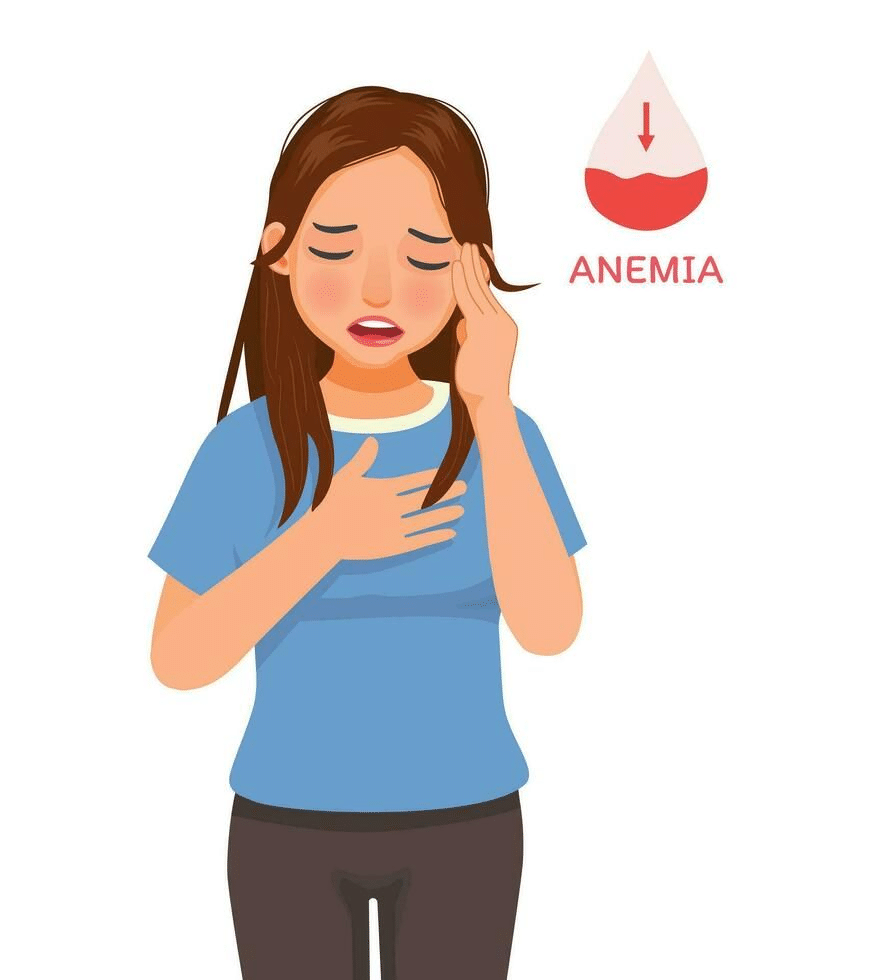
Iron deficiency is a possible cause of persistent fatigue, particularly when it leads to iron-deficiency anemia. Iron helps your body produce hemoglobin, a protein in red blood cells that carries oxygen. When iron levels are too low, your body may struggle to deliver enough oxygen to its tissues.
Symptoms can include tiredness, weakness, pale skin, headaches, dizziness, reduced exercise tolerance, and shortness of breath. Some people are at greater risk because of heavy menstrual bleeding, pregnancy, limited dietary iron, or blood loss from the digestive tract.
Iron-rich foods include meat, seafood, lentils, beans, tofu, and iron-fortified cereals. Plant-based sources of iron can be paired with vitamin C-rich foods, such as citrus fruits, tomatoes, or bell peppers, to improve iron absorption.
However, eating more iron-rich foods may not be enough if you already have a significant deficiency or if another condition is causing blood loss. A healthcare professional may recommend blood tests to check your blood count and iron status.
Don’t start taking iron supplements simply because you’re tired. Too much iron can be harmful, and the correct treatment depends on the underlying cause.
7. Your Thyroid May Not Be Working Properly

The thyroid is a small gland in your neck that produces hormones involved in regulating metabolism and many other bodily functions. When it produces too little thyroid hormone, a condition known as hypothyroidism, you may experience persistent tiredness and other changes in how you feel.
Possible symptoms include feeling unusually cold, constipation, dry skin, difficulty concentrating, muscle aches, and unexplained weight gain. These symptoms can develop gradually, making them easy to overlook or attribute to a busy lifestyle.
Thyroid problems cannot be diagnosed based on fatigue alone because many other conditions can cause similar symptoms. A healthcare professional may recommend blood tests, including thyroid-stimulating hormone (TSH) and, when appropriate, free thyroxine (T4), to assess thyroid function.
If you have ongoing exhaustion alongside several of these symptoms, arrange a medical appointment to discuss whether thyroid testing is appropriate.
If a thyroid condition is identified, treatment can often help manage the symptoms. The important step is finding the actual cause rather than trying to solve persistent fatigue through lifestyle changes alone.
8. You’re Experiencing Burnout

Burnout can develop when prolonged stress and excessive demands leave you feeling emotionally, mentally, and physically depleted. It is often associated with work, but ongoing caregiving responsibilities, study pressures, and other demanding situations can also leave you feeling overwhelmed.
You might notice that tasks you once handled easily now feel exhausting. You may struggle to concentrate, feel detached from your responsibilities, become more irritable, or lose motivation for activities you previously enjoyed.
One of the first steps toward addressing burnout is recognizing that you may need more than a single relaxing evening. Rest can help, but so can reducing excessive demands, taking appropriate time off, sharing responsibilities, and setting realistic expectations.
Try reviewing your schedule and identifying what can be postponed, simplified, delegated, or removed. Build short breaks into your day and make room for activities that help you feel connected to yourself outside your responsibilities.
If exhaustion is accompanied by persistent sadness, hopelessness, anxiety, or a loss of interest in most activities, consider seeking professional support. These symptoms may overlap with depression or other conditions that deserve attention.
9. You May Have a Sleep Disorder

Sometimes, the problem isn’t how long you sleep but how well you sleep. Sleep disorders can interrupt normal sleep patterns, leaving you tired even after spending an apparently adequate amount of time in bed.
One example is obstructive sleep apnea, a condition in which breathing repeatedly becomes interrupted during sleep. Symptoms may include loud snoring, gasping during the night, morning headaches, difficulty concentrating, and excessive daytime sleepiness. A person may not realize their sleep is being disrupted unless someone else notices the symptoms.
Other sleep-related problems, such as restless legs syndrome, insomnia, or irregular sleep-wake patterns, can also interfere with restorative rest.
If you regularly feel exhausted despite following a reasonable sleep schedule, keep a record of your bedtime, wake-up time, nighttime awakenings, caffeine intake, and daytime symptoms. This information may help your healthcare professional understand the pattern.
A clinician can assess your symptoms and determine whether a sleep study or other evaluation is needed. Treatment depends on the specific disorder, but identifying the cause can make a meaningful difference to daily functioning.
10. An Underlying Health Condition or Medication May Be Causing Fatigue

Persistent exhaustion can sometimes be a symptom of a medical condition that isn’t immediately obvious. In addition to anemia and thyroid problems, fatigue may be associated with diabetes, infections, heart or kidney conditions, inflammatory illnesses, depression, and other health issues.
Certain medications can also cause tiredness or drowsiness as a side effect. These may include some antihistamines, sedatives, sleep medications, and other prescription or over-the-counter products. The effect depends on the medication, dose, and individual response.
If you’ve recently started a new medication or noticed a change in your energy after a dose adjustment, review your symptoms with your prescribing clinician or pharmacist. Don’t stop or change prescribed medication without professional guidance.
A healthcare professional may ask about your sleep, diet, stress levels, medical history, and other symptoms. Depending on the situation, they may recommend tests to investigate possible causes.
Seek medical advice if your fatigue lasts for several weeks, keeps returning, affects everyday activities, or occurs alongside unexplained weight changes, fever, persistent pain, unusual bleeding, or other concerning symptoms.
Important: Seek urgent medical care if fatigue occurs with chest pain, severe shortness of breath, fainting, confusion, or sudden severe weakness.
Simple Ways to Support Your Energy Every Day
Although persistent fatigue sometimes requires medical treatment, a few everyday habits can support your overall health and help you identify patterns that affect your energy.
- Keep a consistent sleep schedule: Aim for regular sleep and wake times that allow enough rest.
- Eat balanced meals: Include a variety of protein sources, carbohydrates, healthy fats, fruits, and vegetables.
- Stay hydrated: Drink fluids regularly and adjust your intake for heat and physical activity.
- Move regularly: Take short walks, stretch, or find gentle activities you enjoy.
- Manage your workload: Break large tasks into smaller steps and take short breaks.
- Limit late-day caffeine: Caffeine can interfere with sleep, especially when consumed later in the day.
- Make time for relaxation: Reading, listening to music, spending time outdoors, or talking with loved ones may help you unwind.
- Review medications with a professional: Ask whether any medicines could be contributing to tiredness.
- Track your symptoms: Note when your energy is lowest and whether sleep, meals, stress, or activity seem to make a difference.
- Don’t ignore persistent fatigue: Arrange a medical appointment if tiredness continues, worsens, or affects your daily life.
Summary
Feeling exhausted all the time can have many possible causes, from poor-quality sleep and ongoing stress to nutritional deficiencies, inactivity, thyroid problems, sleep disorders, and other medical conditions. Although everyday habits can influence your energy, persistent fatigue isn’t always something you can fix by sleeping earlier or drinking more water.
Start by looking at your sleep routine, eating patterns, hydration, stress levels, and daily activity. Small changes may help, but don’t assume lifestyle habits are the only explanation if your exhaustion continues. A healthcare professional can assess your symptoms, review your medications, and recommend appropriate tests or treatment.
Most importantly, pay attention to what your body is telling you. If tiredness lasts for several weeks, interferes with your daily activities, or comes with other unexplained symptoms, seek medical advice rather than pushing through it.
Frequently Asked Questions
1. Why am I exhausted all the time even when I sleep enough?
You may be experiencing poor-quality sleep, a sleep disorder, stress, anemia, thyroid problems, medication side effects, or another health condition. If you regularly feel unrefreshed despite getting enough sleep, a healthcare professional can help identify the cause.
2. What is the most common reason for constant tiredness?
Insufficient or disrupted sleep is a common contributor to fatigue, but there isn’t one cause that explains every case. Stress, lifestyle factors, medications, and medical conditions can also play a role.
3. Can dehydration make me feel exhausted?
Yes. Dehydration can contribute to fatigue, headaches, dizziness, and difficulty concentrating. Drinking fluids regularly may help if dehydration is contributing, but ongoing exhaustion should be assessed rather than automatically attributed to hydration.
4. What vitamin deficiency can cause tiredness?
Iron deficiency, vitamin B12 deficiency, and folate deficiency can contribute to fatigue. Other nutritional problems may also affect energy. Blood tests and a healthcare assessment can help determine whether a deficiency is present.
5. Can stress make you physically exhausted?
Yes. Ongoing stress can affect sleep, concentration, mood, and physical well-being. It may contribute to persistent tiredness, especially when combined with a demanding schedule and insufficient recovery time.
6. Why do I wake up tired every morning?
Possible reasons include insufficient sleep, irregular sleep timing, nighttime awakenings, sleep apnea, stress, or certain medications. If you regularly wake up exhausted despite allowing enough time for sleep, discuss it with a healthcare professional.
7. When should I see a doctor about constant fatigue?
Arrange a medical appointment if fatigue persists for several weeks, keeps returning, affects your normal activities, or occurs alongside other unexplained symptoms. Seek urgent care if it occurs with chest pain, severe breathing difficulties, fainting, confusion, or sudden severe weakness.
8. Can changing my diet improve my energy levels?
A balanced diet with enough calories, protein, carbohydrates, healthy fats, and essential nutrients can support normal energy levels. However, dietary changes alone may not resolve fatigue caused by a medical condition or a significant nutrient deficiency.
9. Can too much caffeine make me feel more tired?
Caffeine may temporarily increase alertness, but it can also interfere with sleep, especially when consumed later in the day. If it disrupts your rest, you may feel more tired the following day. Reducing late-day caffeine may help improve sleep quality.
10. How can I feel less exhausted during the day?
Try maintaining a consistent sleep schedule, eating regular balanced meals, drinking fluids, moving throughout the day, and taking breaks from demanding tasks. If exhaustion continues despite these changes, seek medical advice to investigate possible underlying causes.