Have you ever picked up your phone to check one notification, only to realize that an hour has disappeared? Mindless scrolling can easily become part of your daily routine, especially when you’re bored, tired, or looking for a quick distraction. While spending time online isn’t necessarily bad, constantly switching between videos, posts, and updates can leave you feeling less refreshed than you expected. Finding enjoyable activities to replace some of that screen time can help you make your free hours feel more meaningful without turning your life into a strict productivity challenge.
The good news is that you don’t need to give up your phone completely or fill every spare minute with something productive. Sometimes, the best alternative is a relaxing hobby, a small creative project, a walk outside, or simply doing something that makes you feel present. The goal is to discover activities you genuinely enjoy, not to make yourself feel guilty for relaxing. If you’re looking for simple ways to spend your evenings, weekends, or little breaks throughout the day, these 15 enjoyable activities can help you step away from endless scrolling and reconnect with the things that make you happy.
1. Read a Book That Actually Interests You

Reading is a lovely alternative to scrolling because it gives your attention somewhere meaningful to settle. Instead of consuming dozens of unrelated posts, you can spend time exploring one story, learning about a subject, or enjoying a collection of beautiful ideas.
You don’t have to begin with a challenging classic or a long nonfiction book. Choose something that genuinely interests you, whether it’s romance, mystery, fantasy, personal development, travel, or an illustrated coffee-table book. Even reading five pages during a break can become a satisfying habit.
Make the experience more enjoyable by creating a comfortable reading corner with a blanket, a warm drink, and soft lighting. You could also visit a local library or bookstore to discover books you might not normally choose.
Keep a simple reading list and record the titles you finish. The point isn’t to race through books or meet an impressive goal. It’s to enjoy a slower activity that leaves you feeling entertained, curious, or inspired.
2. Go for a Walk Without Constantly Checking Your Phone

A short walk can be a refreshing way to break the habit of reaching for your phone whenever you have free time. You don’t need a hiking trail or a scenic destination. A nearby park, quiet neighborhood, garden, or familiar street can be enough.
Try walking for 10–20 minutes at a comfortable pace. Pay attention to the weather, buildings, trees, flowers, sounds, and other details you usually overlook. You might discover an interesting shop, a peaceful corner, or a new route worth exploring.
If you prefer listening to something while walking, choose music or a podcast before leaving and keep your phone tucked away when possible. You can also leave your headphones at home occasionally and enjoy the surroundings.
Walking doesn’t have to be an exercise challenge. Think of it as a small outing that helps you change your environment, clear your head, and make an ordinary day feel a little less repetitive.
3. Start a Creative Journal
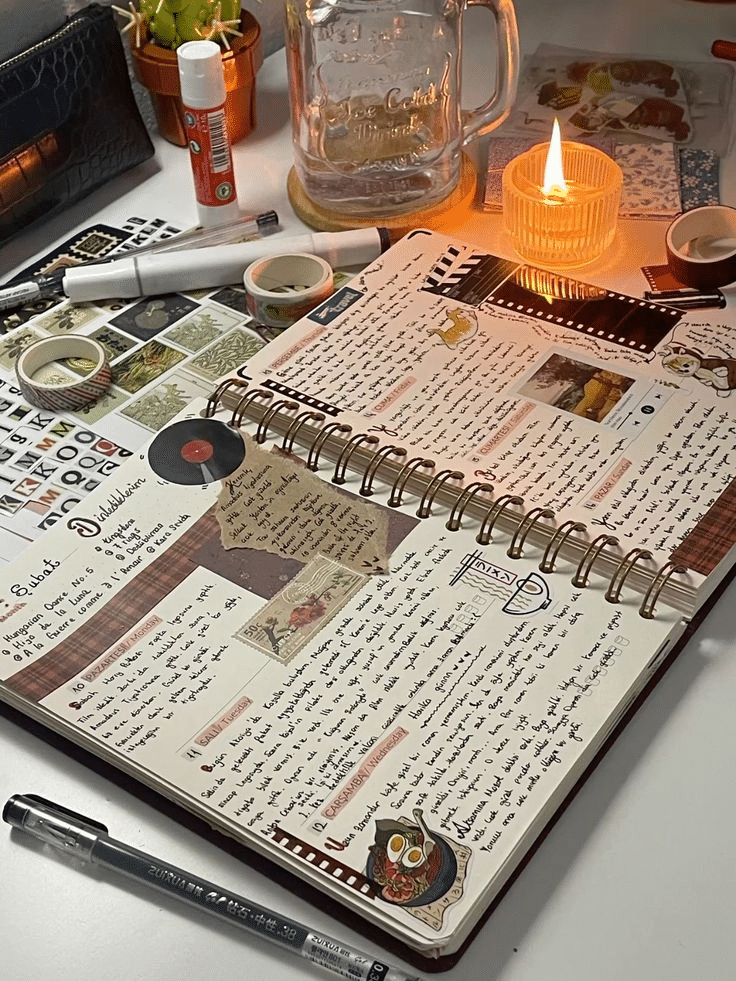
A creative journal gives you a place to collect your thoughts, memories, plans, and ideas without worrying about making everything look perfect. Unlike scrolling, journaling allows you to create something rather than continually consume other people’s content.
Start with an ordinary notebook and write about your day, your current goals, something you’re grateful for, or an idea you want to explore. If writing feels difficult, try drawing, adding photographs, making lists, or decorating pages with stickers and scraps of paper.
You could create themed pages such as books you want to read, places you’d like to visit, recipes to try, or little moments worth remembering. Another easy option is to write three sentences about your day before going to bed.
Keep your journal personal and flexible. It doesn’t need to resemble the elaborate spreads you might see online. A few honest lines in an ordinary notebook can be just as meaningful as a beautifully decorated page.
4. Learn a New Recipe

Cooking something new can turn a quiet afternoon or evening into an enjoyable little project. Rather than spending your break watching food videos, choose one recipe and try making it yourself.
Start with something manageable, such as homemade pasta, a simple soup, fresh cookies, a sandwich with an interesting filling, or a colorful rice bowl. You can explore different cuisines or learn a basic technique you’ve always wanted to try.
Cooking also gives you a practical skill that can make everyday meals more enjoyable. You may discover a new favorite dish, learn how to use ingredients you already have, or become more confident preparing food from scratch.
Create a small recipe notebook where you record successful dishes and note what you’d change next time. You don’t need expensive ingredients or professional equipment. The fun comes from experimenting, learning, and enjoying the finished result.
5. Try Painting or Drawing
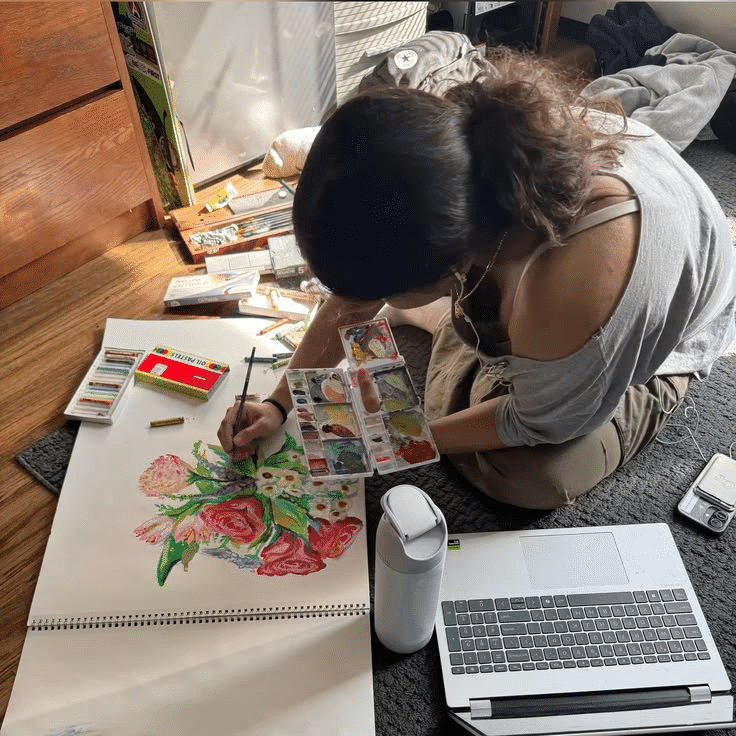
Painting and drawing are excellent ways to spend time with your hands instead of constantly looking at a screen. You don’t need to consider yourself artistic to enjoy them.
Start with simple subjects such as flowers, fruit, mugs, landscapes, pets, or everyday objects around your home. Watercolor pencils, sketchbooks, colored pencils, and basic acrylic paints can all be good starting points.
If you’re unsure what to draw, choose a small daily challenge. Sketch something on your desk, draw a plant by the window, or paint a scene inspired by a favorite memory. You can also follow a beginner tutorial when you need guidance.
Allow yourself to make imperfect work. Creative activities become less enjoyable when every result has to look impressive. Focus on experimenting with colors, lines, and shapes rather than comparing your progress with finished artwork online.
6. Declutter One Small Area

If you want an activity that makes your surroundings feel better, try organizing one small area of your home. Choose a drawer, bedside table, bookshelf, handbag, or section of your wardrobe instead of attempting to clean everything at once.
Remove items you no longer need, put useful things back in their proper places, and wipe down the surface. You might discover forgotten stationery, an old notebook, or an item you’ve been looking for.
Set a short time limit, such as 10 or 15 minutes, so the task doesn’t become overwhelming. You can listen to music while you work, but avoid turning the project into another opportunity to check notifications.
A small organizing session can give you a visible sense of progress. It also makes your space easier to use, which can be especially satisfying when you’ve been feeling stuck in a repetitive routine.
7. Listen to Music Without Multitasking
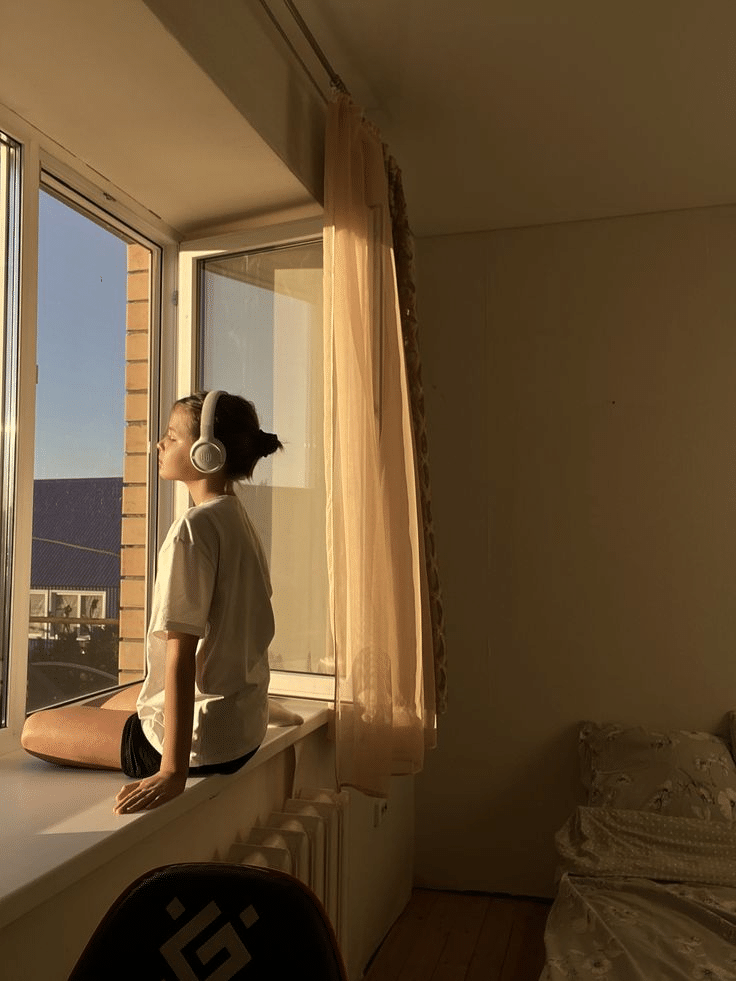
Music can become a more enjoyable experience when you give it your full attention. Instead of playing songs in the background while switching between apps, choose an album or playlist and listen without doing anything else for a little while.
Try an artist you’ve never heard before, revisit music you loved years ago, or explore a genre outside your usual preferences. You might notice lyrics, instruments, or melodies that you previously overlooked.
You can make themed playlists for different moods, seasons, memories, or activities. For example, create one for rainy afternoons, quiet mornings, long walks, or getting ready for the day.
If you play an instrument, use this time to practice a simple song or learn a few chords. Music doesn’t need to become a serious skill-building project. Sometimes, sitting comfortably and enjoying a few favorite songs is more than enough.
8. Take Yourself on a Solo Date
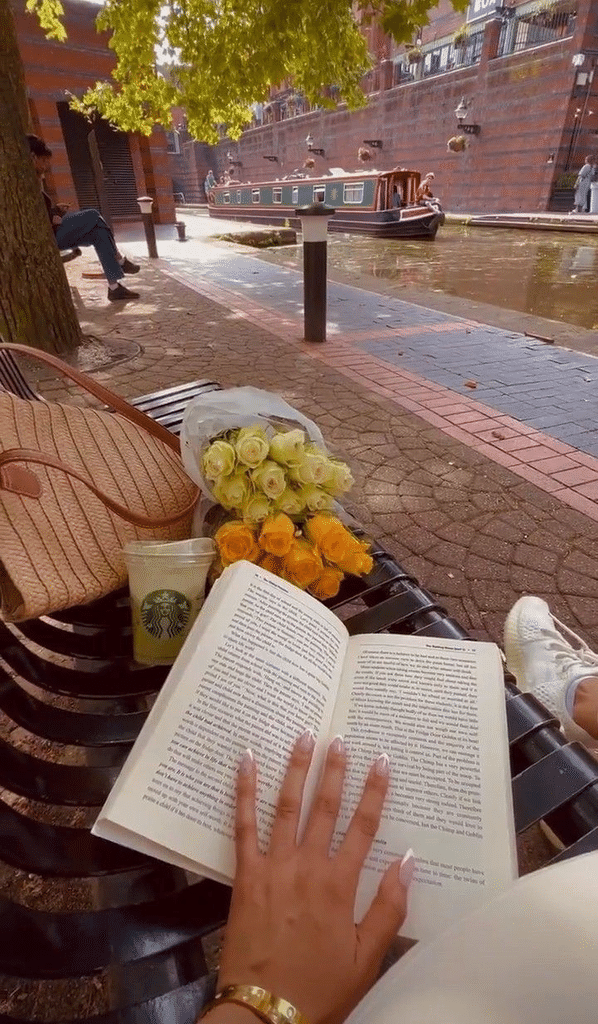
A solo date is a simple way to make your free time feel more intentional. Instead of waiting for friends or family to be available, choose an activity you enjoy and make time for yourself.
Visit a café, browse a bookstore, explore a museum, walk through a market, or enjoy a meal somewhere you’ve wanted to try. You could also have a cozy date at home with a favorite film and a homemade snack.
The idea isn’t to make every outing look aesthetic or photograph everything you do. It’s about becoming comfortable enjoying your own company and choosing activities because they make you happy.
Start with something easy if going out alone feels unfamiliar. Even a short coffee stop or visit to a local shop can be a pleasant change from spending another free hour on your phone.
9. Try a Puzzle or Brain Game
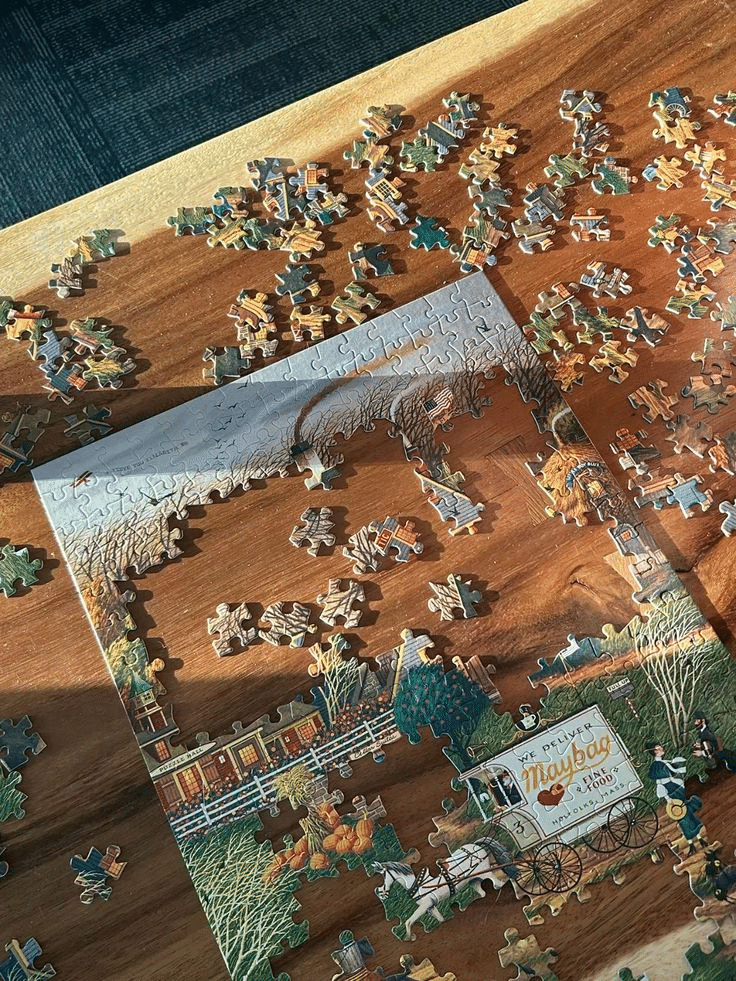
Puzzles give your mind something specific to work on and can be an enjoyable alternative to constantly switching between short videos and posts.
Choose a jigsaw puzzle, crossword, Sudoku, word search, logic puzzle, or a strategy-based board game. If you enjoy working with your hands, try a mechanical puzzle or a small model-building kit.
Start with a difficulty level that feels satisfying rather than frustrating. You can spend 10 minutes solving a few clues or work on a larger puzzle over several days.
Puzzles can provide a welcome sense of focus, especially when you want an activity that is engaging but doesn’t require a major commitment. They also work well during quiet evenings, rainy afternoons, or breaks when you want to keep your phone out of reach.
10. Grow a Small Collection of Plants

Caring for plants can introduce a gentle routine into your day. You don’t need a garden or a large collection to get started. A single easy-care houseplant or a few herbs in containers can be enough.
Choose plants that suit your available light and space. Depending on your environment, you might try pothos, snake plants, or herbs such as mint and basil. Research the care requirements of your chosen plants rather than watering them automatically every day.
You can spend your free time checking soil moisture, removing dead leaves, cleaning pots, or learning about propagation. Keeping a simple plant journal can help you track new growth and understand what works.
Plant care encourages you to pay attention to something living over time. Watching a new leaf emerge can feel surprisingly rewarding, especially when you replace a few minutes of scrolling with a small act of care.
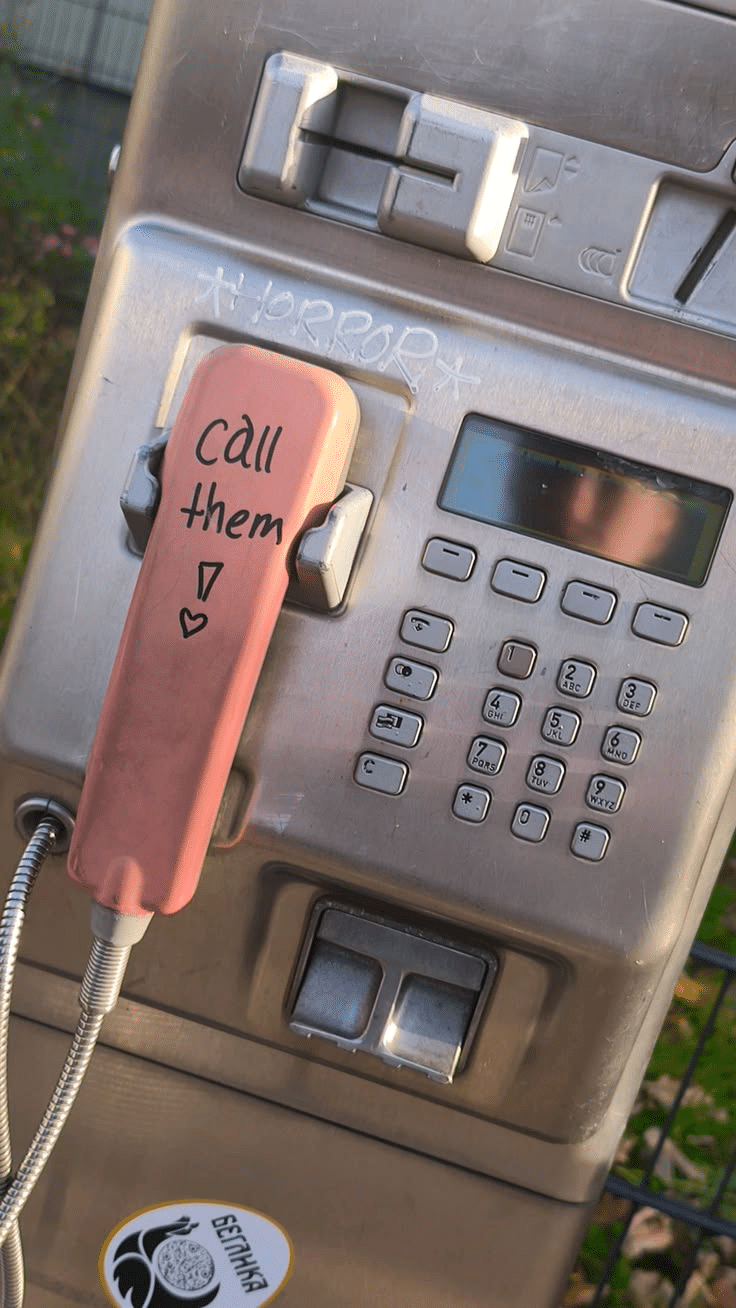
11. Call or Visit Someone You Care About
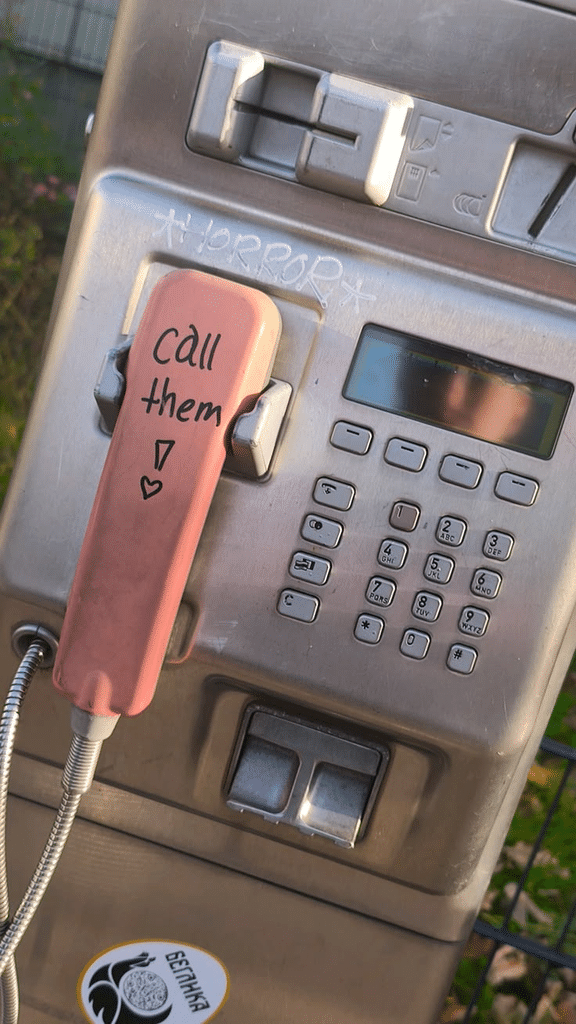
Sometimes, the most satisfying alternative to scrolling is genuine human connection. You might spend a long time viewing other people’s updates online while missing opportunities to connect with the people who matter in your own life.
Send a thoughtful message, call a friend, check in with a family member, or arrange to meet someone for a walk or coffee. You don’t need a special reason to reach out.
If you live with other people, consider having a meal together without phones on the table. You could also play a card game, cook together, or share stories about something that happened during the week.
Small moments of connection can make ordinary days feel more meaningful. The goal isn’t to be constantly social, either. If you need time alone, that’s perfectly fine. Just consider whether a real conversation might leave you feeling more connected than another hour online.
12. Learn a Practical New Skill
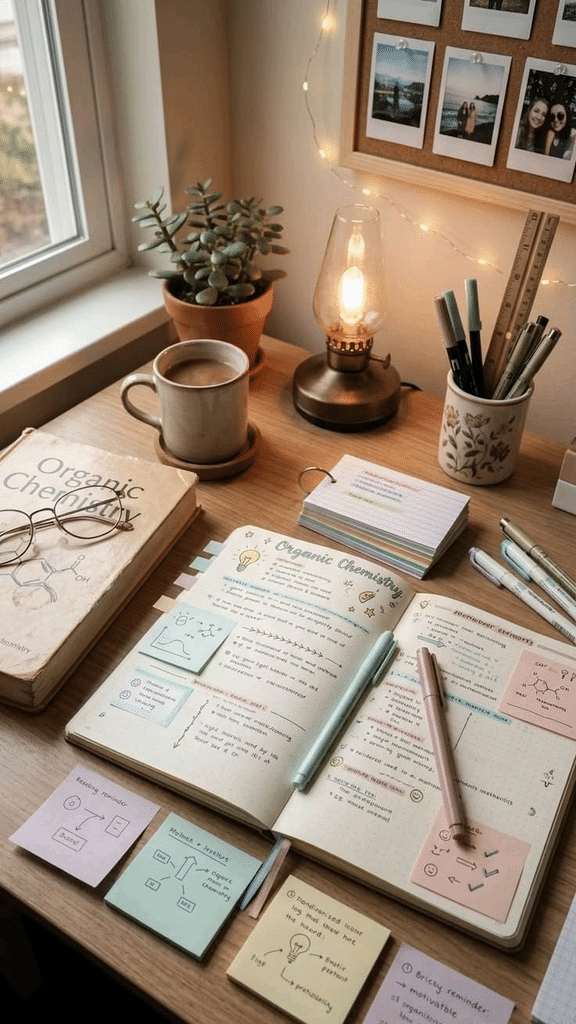
Free time can become more rewarding when you use some of it to learn something you’ve always wanted to do. Choose a practical skill that interests you rather than something you feel pressured to master.
You could learn basic sewing, practice a new language, improve your photography, understand personal budgeting, develop typing skills, or try simple home repairs. Cooking techniques and beginner coding projects are other options.
Break the skill into small steps. For example, if you want to learn sewing, begin with basic stitches before attempting a complete garment. If you’re learning a language, practice a few useful phrases each day.
You can use books, library resources, structured lessons, or selected online tutorials to help you learn. The important difference is having a specific goal instead of endlessly browsing content without a clear purpose.
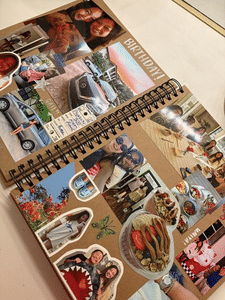
13. Create a Personal Vision Board
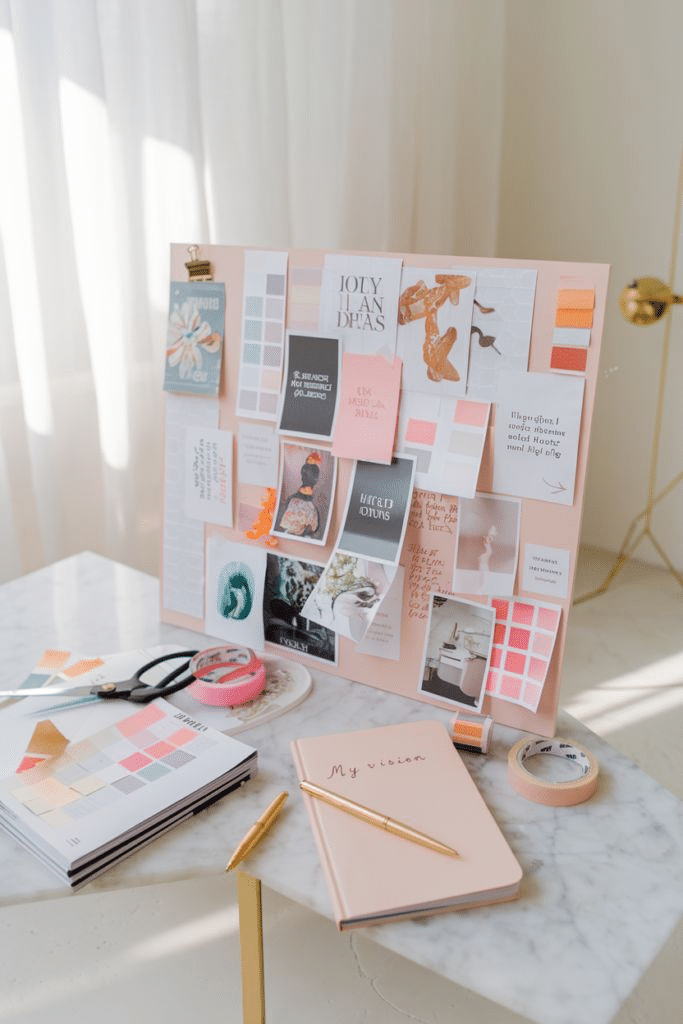
A vision board is a collection of images, words, and ideas representing things you want to explore or work toward. It can be a fun creative activity when you’re thinking about your next chapter or simply want to clarify what matters to you.
Use paper, magazines, photographs, printed images, and handwritten notes to create a physical board. You might include goals related to hobbies, travel, learning, friendships, home décor, or personal routines.
Try focusing on experiences and actions rather than only material possessions. For example, include learning to cook, spending more time outdoors, developing a creative skill, or making room for restful evenings.
Once your board is complete, choose one small action you can take toward something on it. This keeps the activity grounded in real life instead of making it another collection of inspiring images to browse.
14. Spend Time Outdoors Without a Specific Plan

Not every enjoyable activity needs a goal or a carefully planned itinerary. Sometimes, stepping outside without a strict plan is a lovely way to break up a repetitive day.
Visit a public garden, sit on a park bench, explore a walking path, watch the clouds, or find a comfortable spot to read. If the weather is pleasant, bring a drink and spend a little time enjoying the fresh air.
You can make the outing more interesting by noticing seasonal changes, photographing unusual details, or exploring a route you don’t usually take. Keep basic safety in mind and choose locations appropriate for the time of day and your surroundings.
This kind of unstructured time gives you permission to slow down. You don’t have to turn every moment into a productive achievement. Sometimes, enjoying where you are is a perfectly worthwhile use of your time.
15. Create a Cozy Evening Ritual

A cozy evening ritual can help you replace automatic scrolling with activities that make you feel relaxed and settled. It doesn’t need to involve an elaborate self-care routine or expensive products.
Choose two or three simple activities you enjoy. You might make tea, take a warm shower, prepare your clothes for tomorrow, read a chapter of a book, stretch gently, or write a few lines in a journal.
Put your phone on silent or leave it charging away from your usual sitting area if that helps you stay present. You can still use it when necessary; the goal is simply to make other activities easier to choose.
Keep the ritual flexible. Some evenings you might have 10 minutes, while others allow for an hour. A few small, enjoyable habits can make the end of the day feel more intentional without turning relaxation into another task on your to-do list.
Tips for Replacing Mindless Scrolling Without Pressure
- Notice your triggers: Pay attention to when you reach for your phone out of habit, such as when you’re bored, tired, or waiting.
- Make alternatives visible: Keep a book, sketchbook, puzzle, or craft project somewhere easy to reach.
- Start with short breaks: Try replacing just 10 minutes of scrolling with another activity.
- Choose activities you enjoy: Don’t force yourself to take up a hobby simply because it seems productive.
- Create phone-free moments: Try leaving your phone aside during meals, walks, or the first few minutes after waking up.
- Prepare for boredom: Keep a short list of activities you can choose from when you don’t know what to do.
- Avoid all-or-nothing thinking: Enjoying social media occasionally doesn’t mean you’ve failed. The aim is to make your screen time more intentional.
Summary
Finding enjoyable activities to try instead of mindless scrolling doesn’t require a complete digital detox. Reading, walking, journaling, cooking, painting, solving puzzles, caring for plants, and connecting with loved ones are simple ways to make your free time feel more satisfying. You can also use short breaks to learn a skill, explore somewhere new, or create a relaxing evening routine. Start with one activity that genuinely appeals to you and make it easy to begin. Over time, you’ll discover which alternatives leave you feeling refreshed, entertained, or connected. The goal isn’t to eliminate every moment of screen time, but to make more room for experiences you actively enjoy.
FAQ
What can I do instead of scrolling on my phone?
Try reading, walking, journaling, cooking, painting, solving puzzles, listening to music, or calling someone you care about. Choose an activity that suits your energy and available time.
What are some relaxing activities to do instead of scrolling?
Reading, listening to music, gardening, drawing, gentle stretching, and creating a cozy evening ritual are all relaxing options.
How do I stop mindlessly scrolling when I’m bored?
Notice when the habit usually begins and keep a few appealing alternatives nearby. Start with a short activity, such as reading five pages or taking a 10-minute walk, rather than expecting yourself to change everything immediately.
What can I do instead of scrolling before bed?
Try reading a physical book, writing in a journal, preparing for the next day, listening to calming music, or doing gentle stretches. If your phone is distracting you, charge it away from your bed when practical.
What are some screen-free hobbies to try at home?
Painting, sewing, baking, gardening, puzzles, journaling, knitting, scrapbooking, and learning an instrument are all enjoyable hobbies you can explore at home.
Is it okay to use social media for relaxation?
Yes. Social media can be entertaining and help you connect with others. The useful distinction is whether you’re choosing to use it or continuing automatically when you’d rather be doing something else.
How can I spend my free time more meaningfully?
Think about what you want more of in your life, such as creativity, movement, connection, learning, or rest. Choose small activities that support those interests instead of trying to fill every spare moment with productivity.
SEO Description
Discover 15 enjoyable activities to try instead of mindless scrolling, from reading and journaling to creative hobbies, outdoor adventures, and cozy evening rituals.