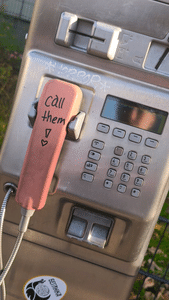
Ever wish your everyday life felt a little more like a movie? Sometimes, all it takes is a new hobby to make ordinary moments feel more exciting, romantic, or meaningful. Imagine spending a rainy afternoon painting, discovering a hidden bookstore, learning to sew your own clothes, or taking yourself on a solo café date. These little experiences can help you feel more connected to yourself and give you something fun to look forward to beyond your usual routine.
The best hobbies aren’t necessarily expensive or impressive. They’re the ones that make you curious, help you express your personality, or encourage you to experience the world differently. Whether you’re a creative soul, an adventurous explorer, a cozy-at-home person, or someone ready to try something completely new, there’s something here for you. These 30 hobbies can add a little main-character energy to your everyday life without requiring a dramatic makeover or a big budget.
1. Journaling Your Everyday Life
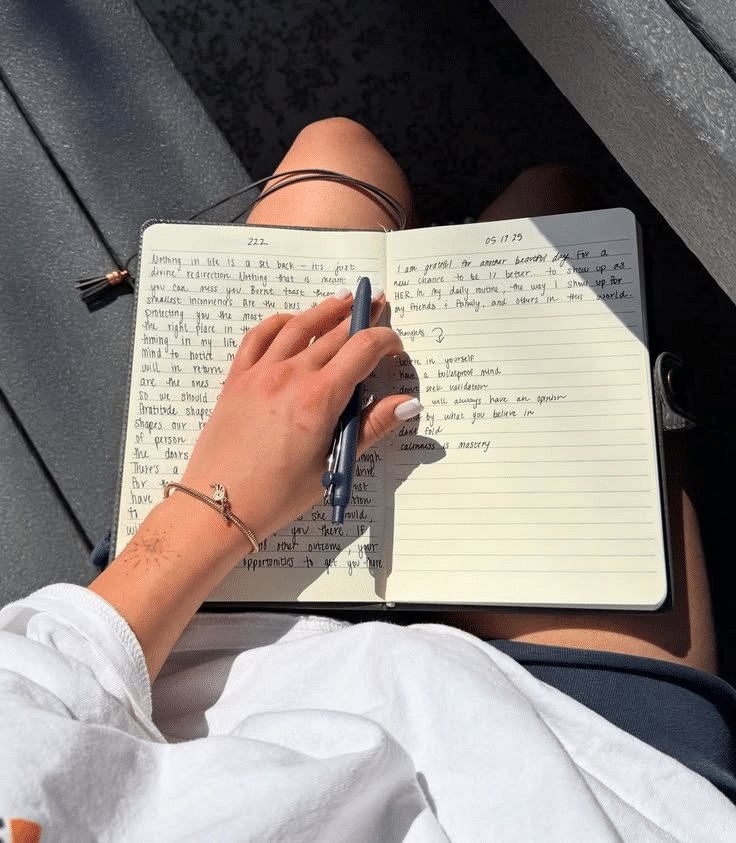
Journaling is a simple way to turn ordinary experiences into memories worth keeping. Instead of letting days blur together, you can record your thoughts, little victories, interesting conversations, dreams, and moments that made you smile.
Start with a notebook and write for five to ten minutes each day. You could describe your day, make a gratitude list, reflect on your goals, or write about the person you’re becoming. If you prefer a visual approach, add photographs, doodles, stickers, or small keepsakes.
To make the experience feel special, create a comfortable writing corner with soft lighting and your favorite drink. You don’t need perfect handwriting or beautifully decorated pages. The goal is to create a personal space where you can understand yourself a little better.
Main-character idea: Write a short monthly recap titled “The Chapter I Just Lived.”
2. Learning to Paint
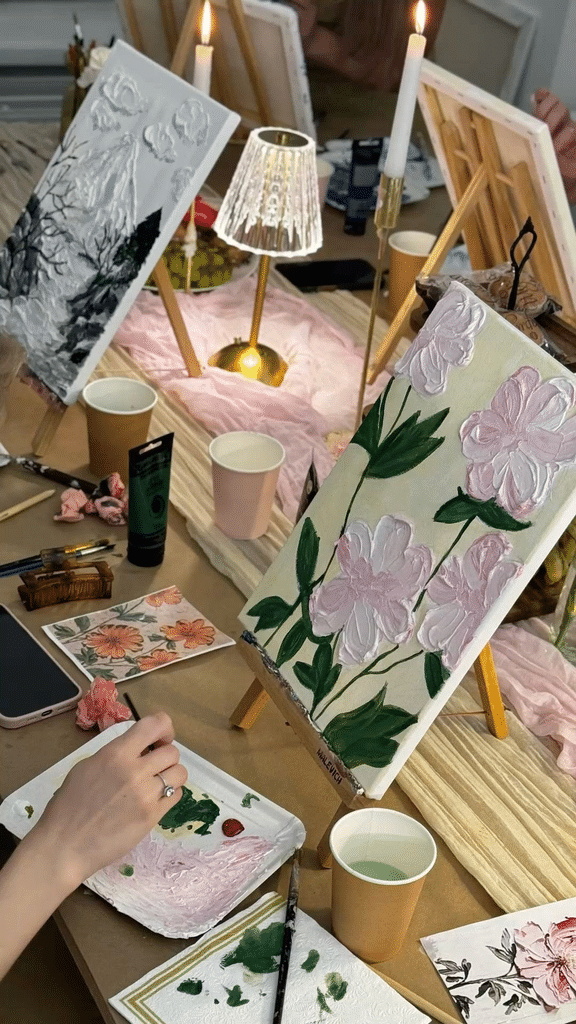
Painting lets you express yourself without needing to explain everything in words. You can experiment with watercolor, acrylics, gouache, or simple painting kits to discover which medium you enjoy most.
Begin with easy subjects such as flowers, landscapes, fruit, sunsets, or objects around your home. You can also paint abstract shapes and color combinations when you don’t feel like following a specific subject.
Set aside an hour on a quiet afternoon, play music, and allow yourself to experiment. Your first paintings don’t have to be perfect. In fact, learning to enjoy the process rather than judging every result makes the hobby much more rewarding.
Over time, you might develop a recognizable style or create artwork to display in your room.
Main-character idea: Create a painting inspired by your favorite season or a place you’d love to visit.
3. Exploring Bookstores and Libraries

There’s something wonderfully cinematic about wandering through shelves of books and discovering a story you didn’t know you needed. Bookstore and library visits can become a hobby even if you don’t read every day.
Explore different sections, browse unfamiliar authors, and choose books based on their covers, descriptions, or subjects that interest you. Libraries are particularly useful when you want to experiment without spending money on every title.
You could make a list of books to explore throughout the year or visit a different bookstore each month. Pair your outing with a walk or a coffee stop to turn it into a relaxing solo adventure.
Main-character idea: Choose one book based on a spontaneous discovery instead of researching every option beforehand.
4. Photography Walks
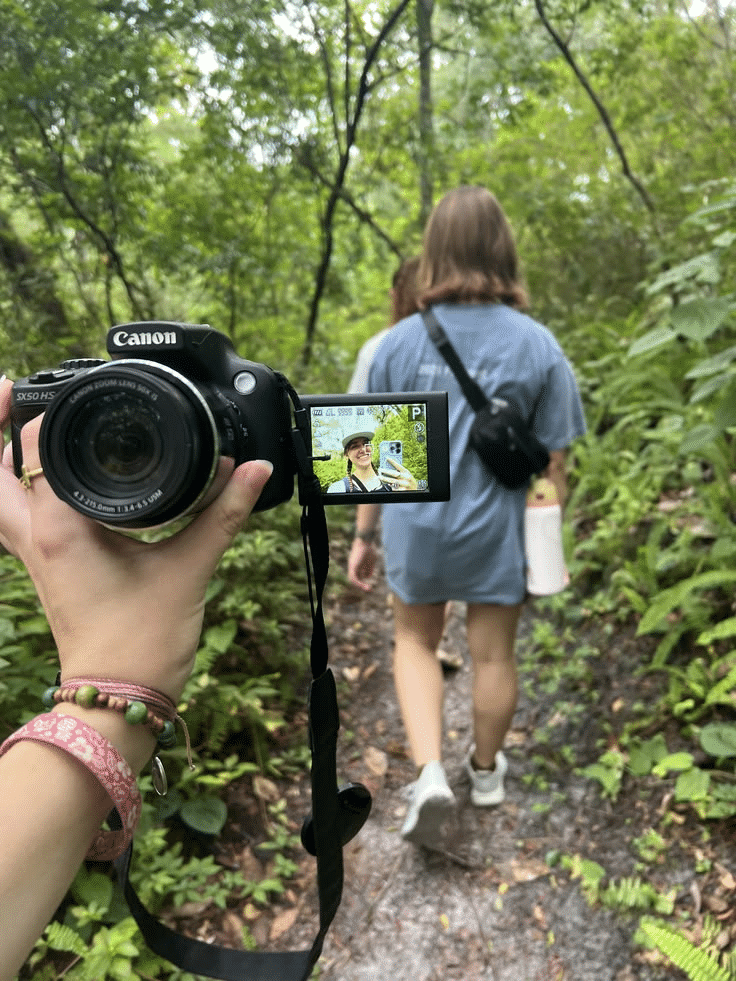
Photography makes familiar surroundings feel new again. A quiet street, interesting architecture, sunlight through leaves, or a colorful market can become an opportunity to notice beauty in everyday life.
You don’t need a professional camera. Your phone is enough to practice composition, lighting, framing, and visual storytelling.
Choose a theme for each walk, such as flowers, reflections, old buildings, street fashion, or interesting shadows. You can also create a photo diary that documents one ordinary day each month.
As your skills improve, you’ll learn to recognize details that other people might walk past without noticing.
Main-character idea: Create a photo collection called “Little Things That Made My Week.”
5. Learning to Sew Your Own Clothes
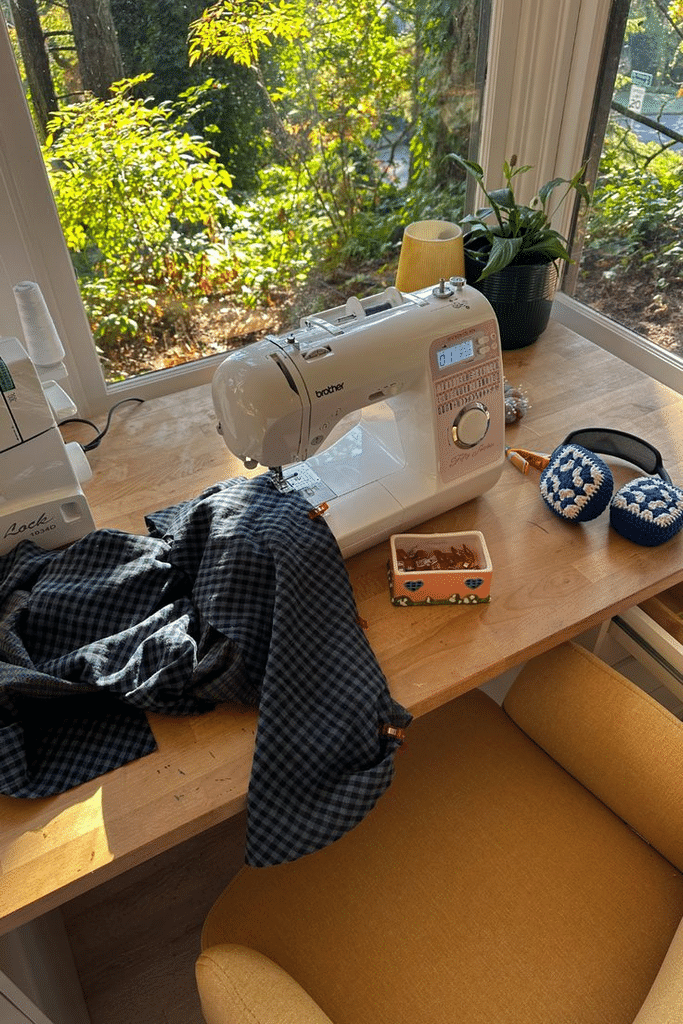
Learning to sew combines creativity with a practical skill that can change how you approach fashion. You can begin with basic hand stitches before learning to use a sewing machine.
Start with simple projects such as tote bags, scrunchies, cushion covers, or basic clothing alterations. Once you’re comfortable, explore patterns and gradually try making skirts, tops, or other garments.
Sewing also teaches you about fabric, fit, construction, and garment details. You may find yourself looking at clothing differently once you understand how each piece is made.
It’s a particularly rewarding hobby if you enjoy fashion but want to develop a more personal style.
Main-character idea: Make one accessory or clothing item that feels completely your own.
6. Flower Arranging
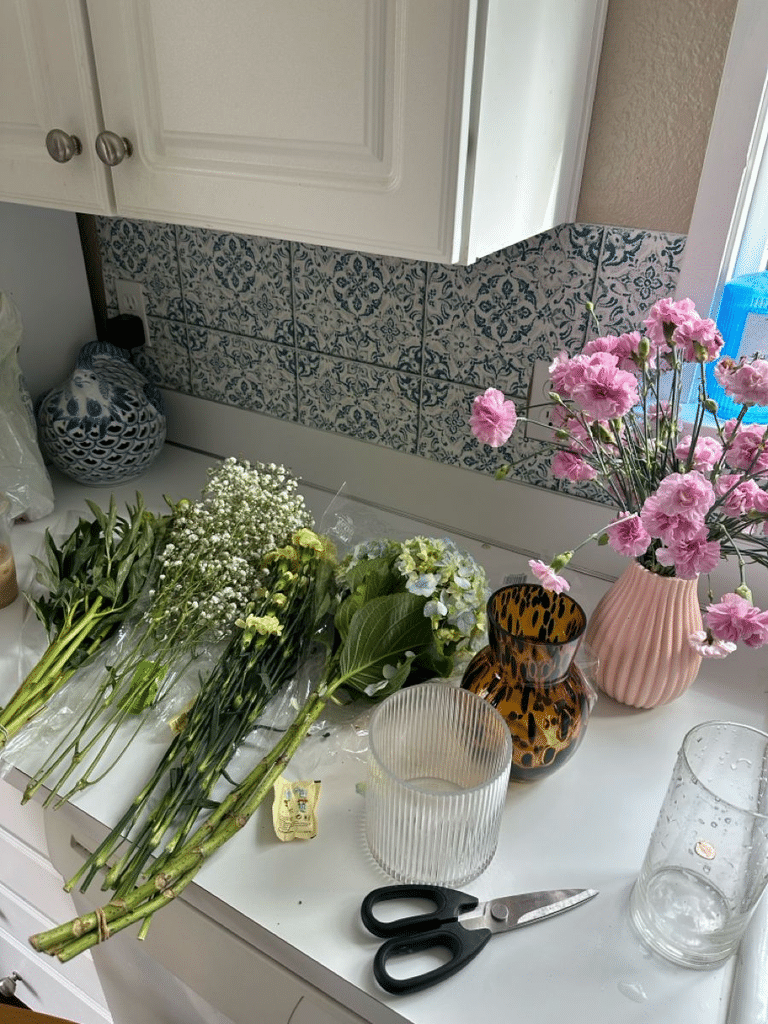
Flower arranging can make even an ordinary room feel more welcoming. You don’t need expensive bouquets or professional floristry skills to create something beautiful.
Start with a few seasonal flowers from a local shop or garden. Experiment with height, color, shape, and texture, using a simple vase or recycled glass jar.
Try arranging flowers once a week or whenever you want to refresh your surroundings. You can also learn how to trim stems, change the water, and care for different flower varieties to help arrangements last longer.
This hobby is perfect for anyone who enjoys creative activities with a tangible result.
Main-character idea: Make a small bouquet for your desk or bedside table just because you want one.
7. Baking From Scratch
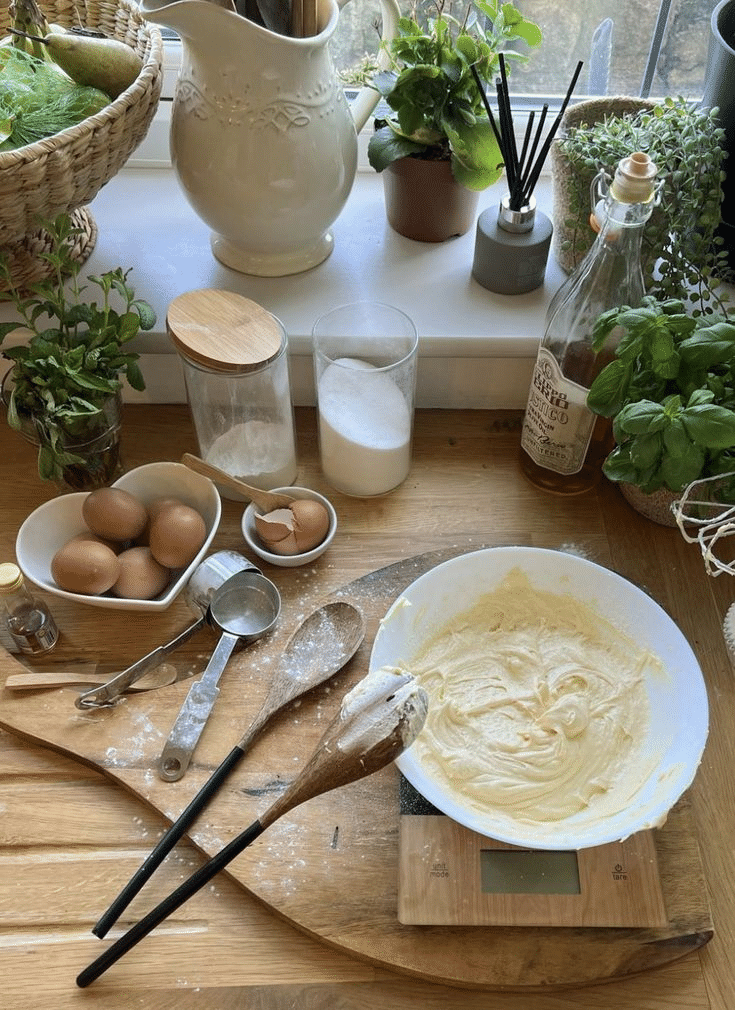
Baking can make a quiet afternoon feel like a cozy scene from a favorite film. The process gives you something enjoyable to do with your hands, and you get a delicious result at the end.
Start with cookies, muffins, brownies, simple cakes, or homemade bread. As your confidence grows, experiment with fillings, flavors, decoration, and more advanced techniques.
Keep a recipe notebook where you record successful bakes and ideas for future experiments. You can also choose a new recipe every weekend to create a small baking tradition.
You don’t need specialized equipment or expensive ingredients to begin. A few basic tools and a willingness to experiment are enough.
Main-character idea: Bake a seasonal treat while listening to music on a slow Sunday afternoon.
8. Gardening and Plant Care
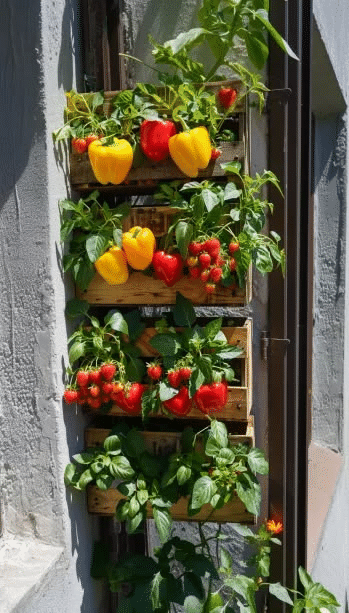
Gardening gives you a reason to spend time with nature and watch something grow through your care. Even a small balcony, windowsill, or sunny corner can become a place for plants.
Start with easy-care houseplants or herbs that suit your available light and climate. Learn how to check soil moisture, recognize new growth, and understand each plant’s needs.
If you enjoy cooking, growing herbs such as basil or mint can be especially satisfying. If you prefer flowers, choose varieties that are appropriate for your growing conditions.
Gardening also encourages patience because growth happens gradually rather than instantly.
Main-character idea: Create a tiny plant corner and give each plant a name if that makes you smile.
9. Taking Yourself on Solo Dates
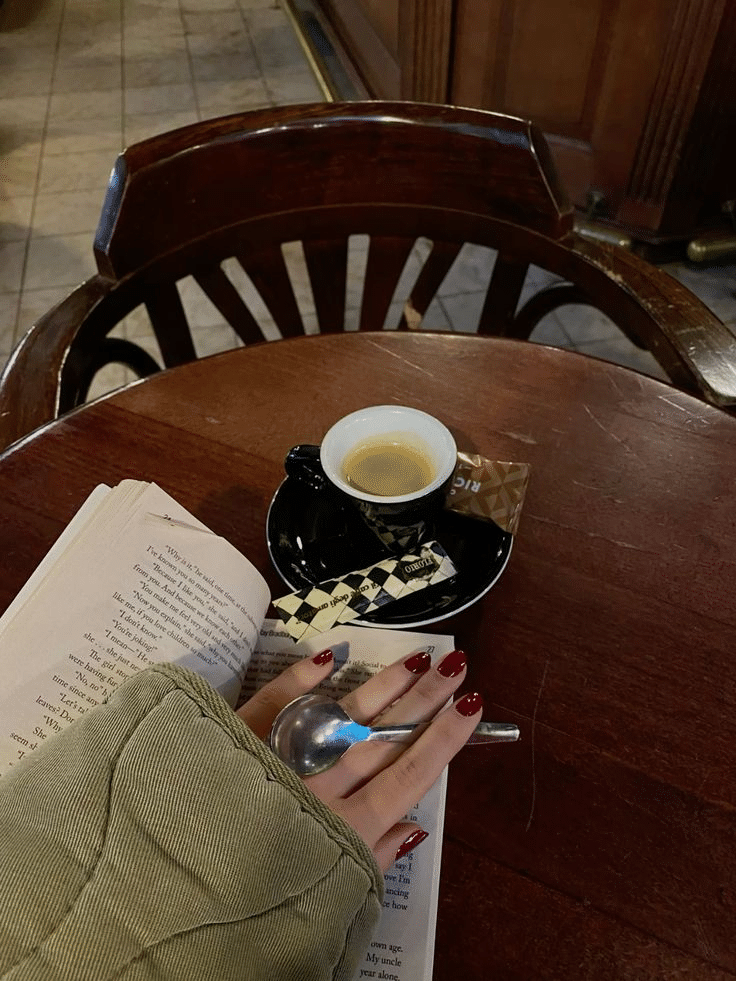
A solo date is a lovely way to enjoy your own company without waiting for someone else’s schedule to match yours.
Visit a café, browse a bookstore, explore a museum, attend a workshop, or enjoy a meal at a place you’ve wanted to try. You can also plan a simple outing around a local park or market.
If going somewhere alone feels unfamiliar, start with a short visit. Bring a book or journal if you’d like, but don’t feel obligated to stay occupied every second.
The point is to discover what you enjoy when you’re free to choose the activity, pace, and destination yourself.
Main-character idea: Plan one solo date each month around something you’ve always wanted to experience.
10. Learning Calligraphy
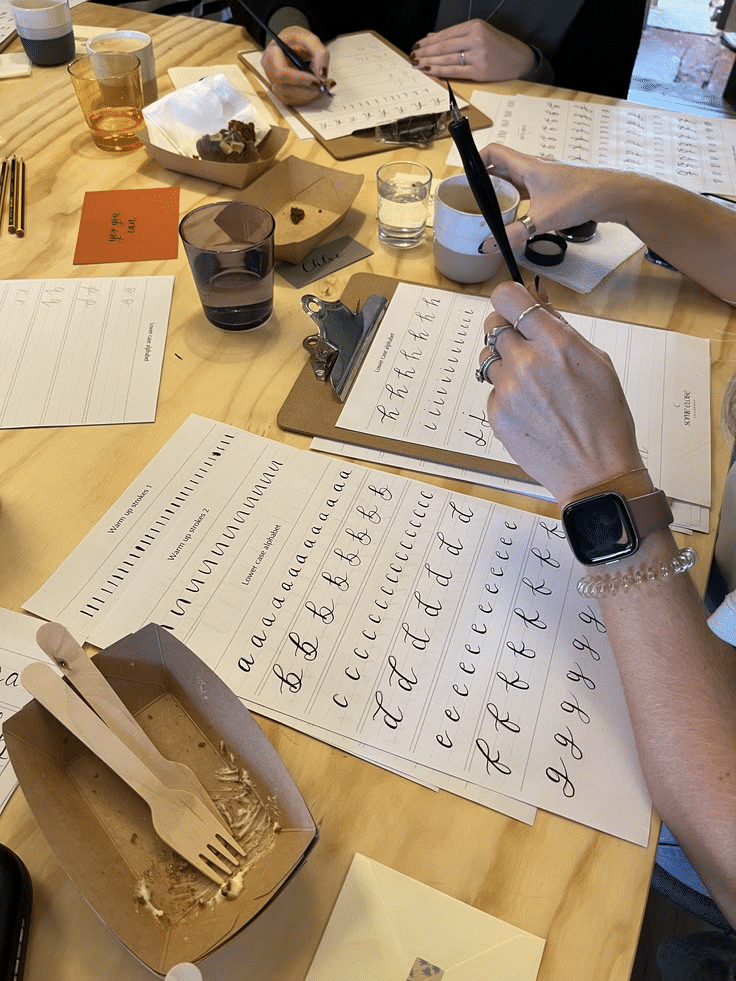
Calligraphy transforms ordinary lettering into a creative art form. You can explore modern lettering, traditional calligraphy, brush pens, or decorative handwriting.
Begin with inexpensive pens and practice sheets. Learn basic strokes before moving on to individual letters, words, and complete phrases.
Once you’re comfortable, use your skills to create greeting cards, bookmarks, journal headings, invitations, or personalized gifts.
Calligraphy is particularly enjoyable if you want a quiet, screen-free hobby that rewards patience and practice.
Main-character idea: Handwrite a favorite quote and frame it for your room.
11. Learning a New Language
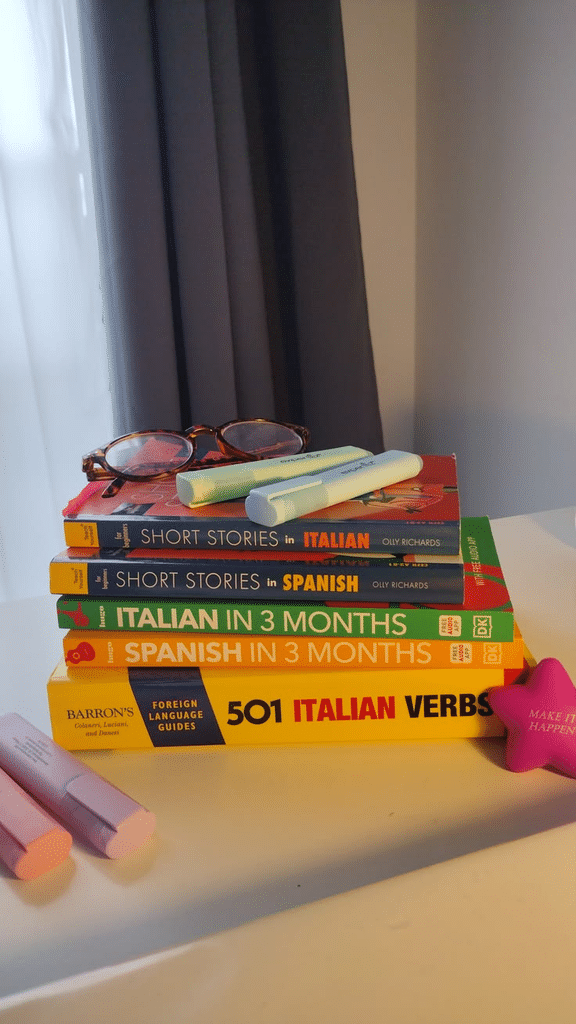
Learning another language can make the world feel bigger. It opens the door to new books, films, music, conversations, and travel experiences.
Choose a language that genuinely interests you. Perhaps you’re fascinated by a country’s culture, enjoy its movies, or hope to visit one day.
Start with useful phrases, pronunciation, and everyday vocabulary. Short daily practice sessions are often easier to maintain than occasional long study sessions.
You can make learning more enjoyable by listening to music, watching beginner-friendly videos, or keeping a notebook of phrases you want to remember.
Main-character idea: Learn enough of a new language to introduce yourself and order your favorite drink.
12. Thrifting and Vintage Hunting
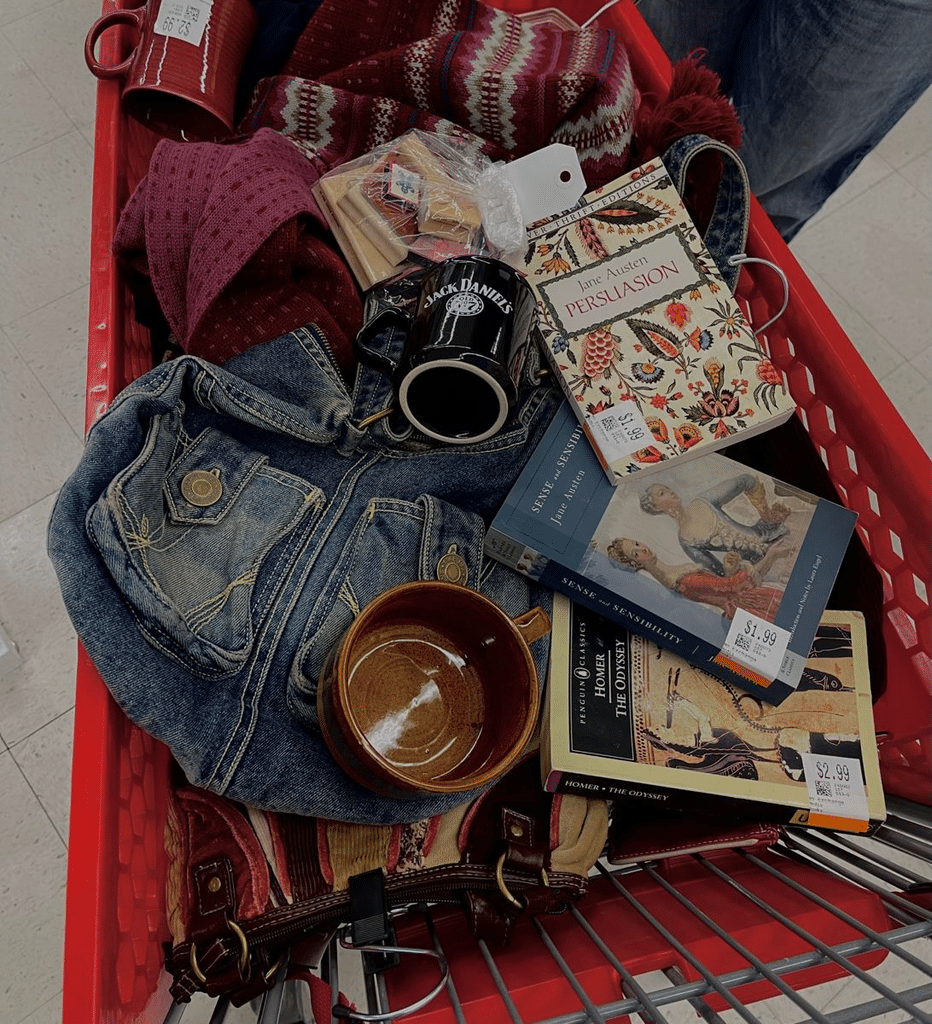
Thrifting turns shopping into a treasure hunt. Instead of choosing from a predictable collection, you search for interesting pieces that might become part of your personal style or home.
Explore secondhand clothing, vintage accessories, old books, ceramics, picture frames, or furniture. Learning about materials, construction, and quality can make the experience more rewarding.
Set a budget before you go and focus on finding pieces you’ll genuinely use. You don’t need to buy something every time.
Main-character idea: Build an outfit around one unusual secondhand piece or find a vintage item for your room.
13. Making Your Own Jewelry
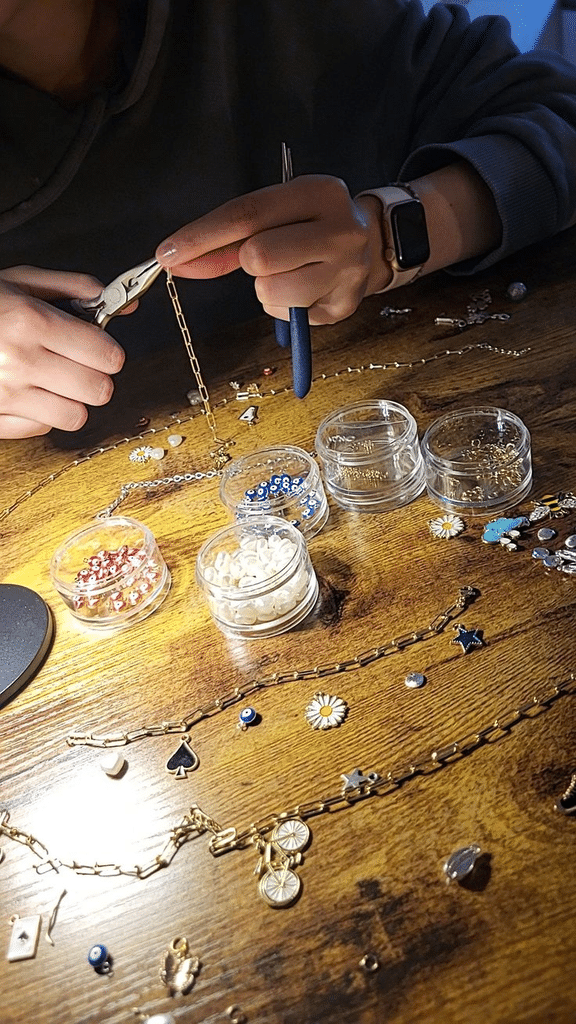
Jewelry making gives you the freedom to design accessories that match your personality. Begin with beads, charms, jewelry wire, polymer clay, or simple necklace-making kits.
You can create bracelets, earrings, necklaces, rings, and decorative charms. Experiment with color combinations and materials to find a style you enjoy.
Once you become more confident, you can make personalized gifts for friends or design a small collection for yourself.
This hobby doesn’t require artistic perfection. Sometimes the most interesting pieces come from experimenting with unexpected colors and shapes.
Main-character idea: Create a signature necklace or bracelet that you wear regularly.
14. Dancing Just for Fun
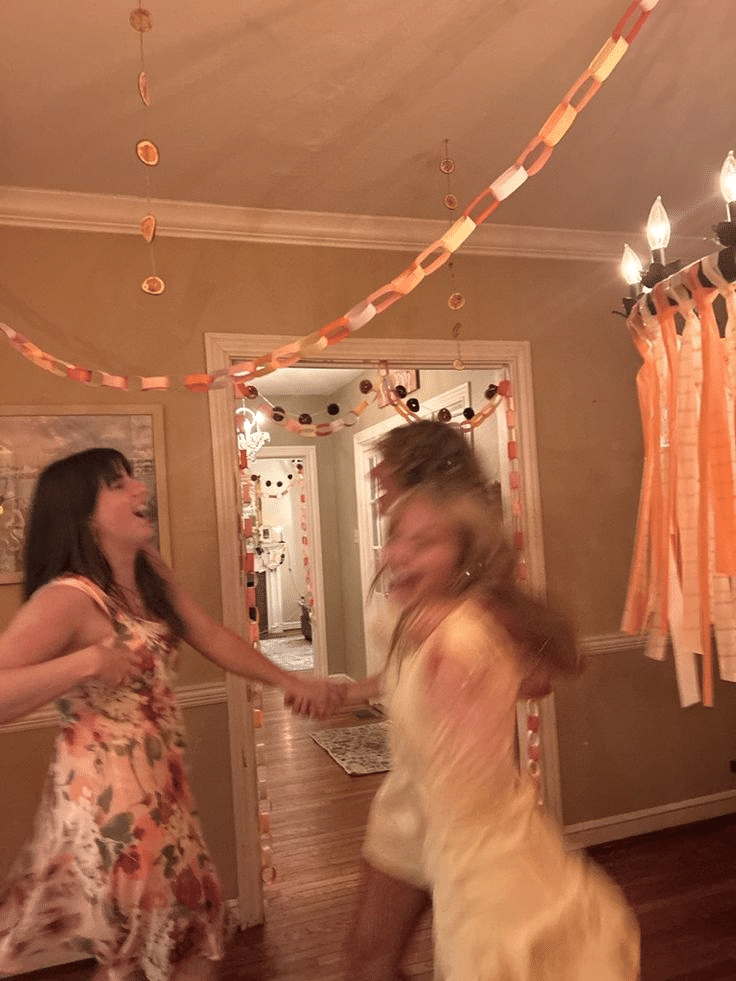
Dancing is an enjoyable way to add movement, music, and self-expression to your routine. You don’t need to perform for anyone or have previous experience.
Try different styles, including salsa, contemporary, hip-hop, ballet, jazz, or ballroom. You can join a beginner class or practice simple routines at home.
Choose music that makes you want to move and allow yourself to learn gradually. The more comfortable you become, the easier it is to enjoy dancing without worrying about how you look.
Main-character idea: Learn a short routine to a song that makes you feel confident.
15. Hiking and Nature Exploring

Hiking offers adventure without requiring an elaborate travel plan. Start with accessible walking trails, nature reserves, or local parks, then gradually explore more challenging routes if you enjoy it.
Wear suitable footwear, bring enough water, check the weather, and research the route before setting out. If you’re new to hiking, consider going with a companion or choosing a well-marked, popular trail.
You can combine hiking with photography, birdwatching, or nature journaling to make each outing more interesting.
Main-character idea: Choose a scenic beginner-friendly trail and spend time enjoying the journey rather than rushing to the end.
16. Stargazing

Stargazing can make a regular evening feel surprisingly magical. It encourages you to slow down, look beyond your immediate surroundings, and learn about the night sky.
Begin by identifying a few recognizable constellations or learning how the Moon changes throughout the month. A beginner astronomy guide or a reliable sky map can help.
Choose a safe viewing location with minimal light pollution, check the forecast, and give your eyes time to adjust to the darkness. You don’t need a telescope to start observing the sky.
Main-character idea: Keep a small astronomy journal with notes about what you observe on clear nights.
17. Learning a Musical Instrument
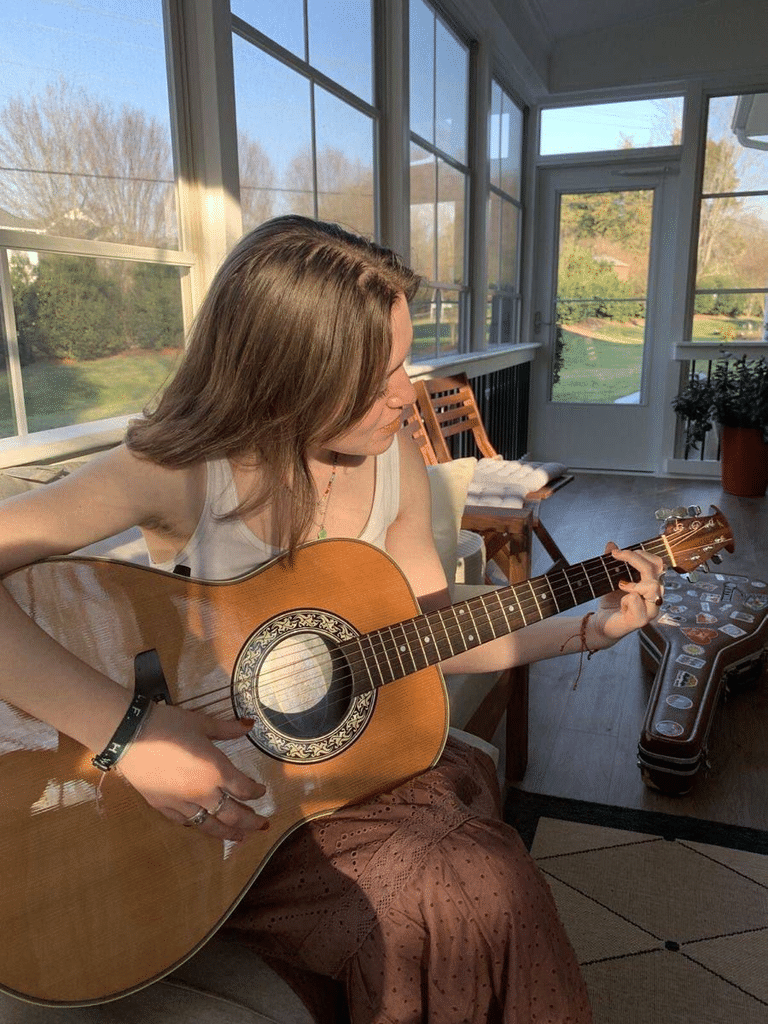
Learning an instrument gives you a creative skill that can grow with you over time. Guitar, keyboard, piano, ukulele, and many other instruments offer beginner-friendly starting points.
Choose an instrument whose sound you genuinely love. Start with basic chords, simple melodies, or short exercises rather than trying to master a complicated song immediately.
Regular practice, even for ten minutes a day, can help you develop familiarity and confidence. You can track the songs you learn and celebrate small improvements along the way.
Main-character idea: Learn one complete song that you can play from beginning to end.
18. Scrapbooking Your Memories
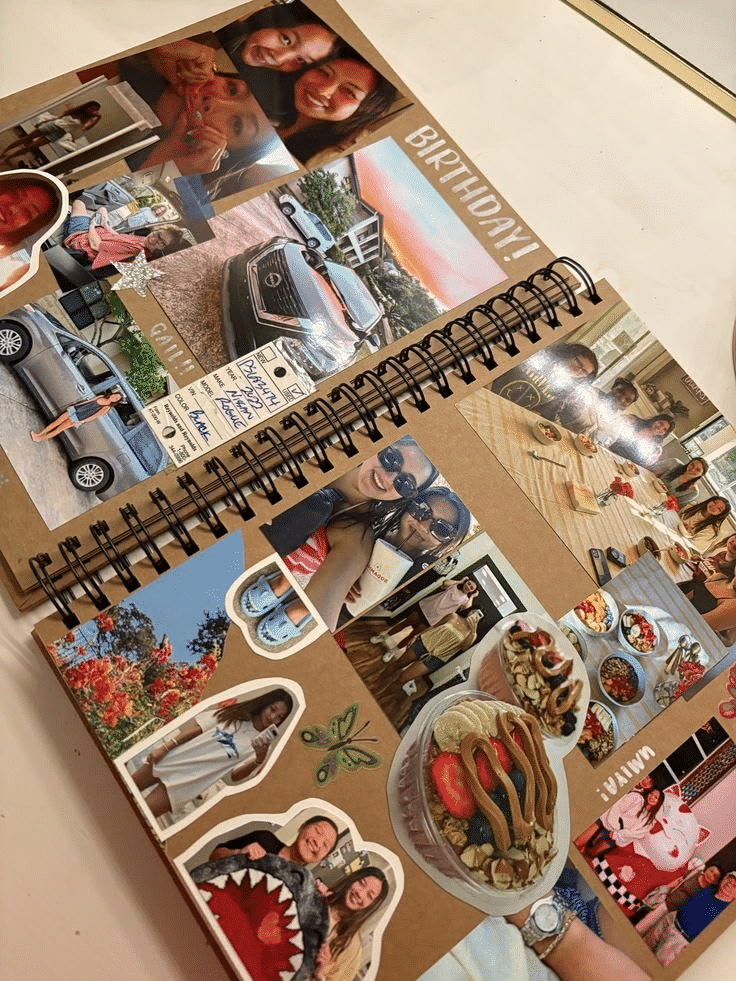
Scrapbooking helps you preserve little moments that might otherwise be forgotten. Collect photographs, postcards, tickets, notes, packaging, and other keepsakes that remind you of meaningful experiences.
Arrange them in an album using paper, handwritten captions, stickers, and decorative details. You can make a scrapbook about a trip, friendship, year of your life, or collection of ordinary days.
The hobby doesn’t need to look polished. The most meaningful pages often contain personal details that wouldn’t mean much to anyone else.
Main-character idea: Create a scrapbook page about one ordinary day you genuinely enjoyed.
19. Pottery and Clay Art
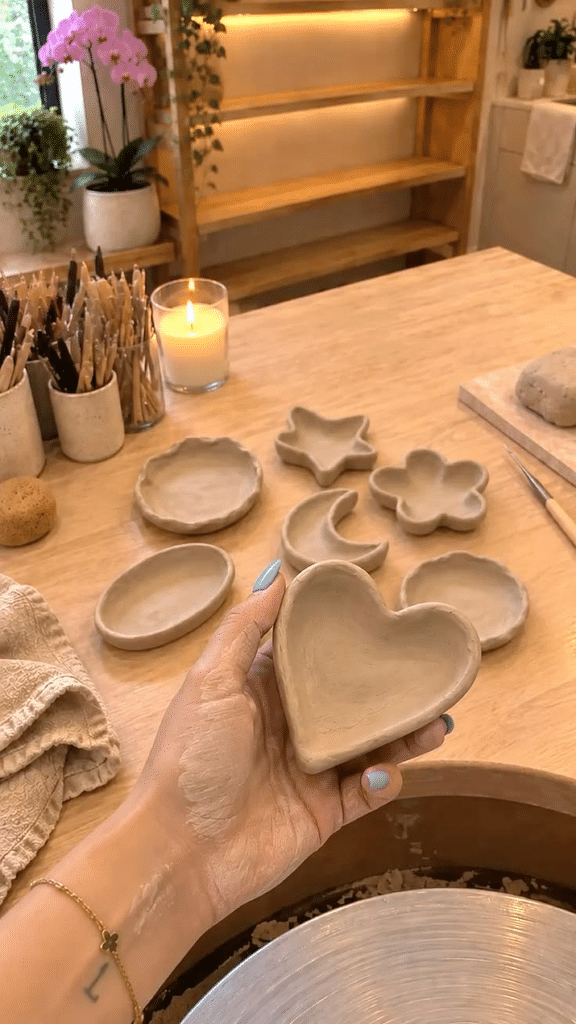
Working with clay offers a hands-on creative experience that feels different from painting or drawing. You can attend a pottery class or begin with air-dry clay for small projects at home.
Try making simple dishes, decorative ornaments, trinket trays, candle holders, or small sculptures. Start with basic shapes before moving on to more detailed designs.
Pottery teaches patience because the process can involve shaping, drying, firing, and finishing. Even imperfect creations can have charm and personality.
Main-character idea: Make a small handmade dish for your jewelry or everyday accessories.
20. Trying One New Recipe Every Week
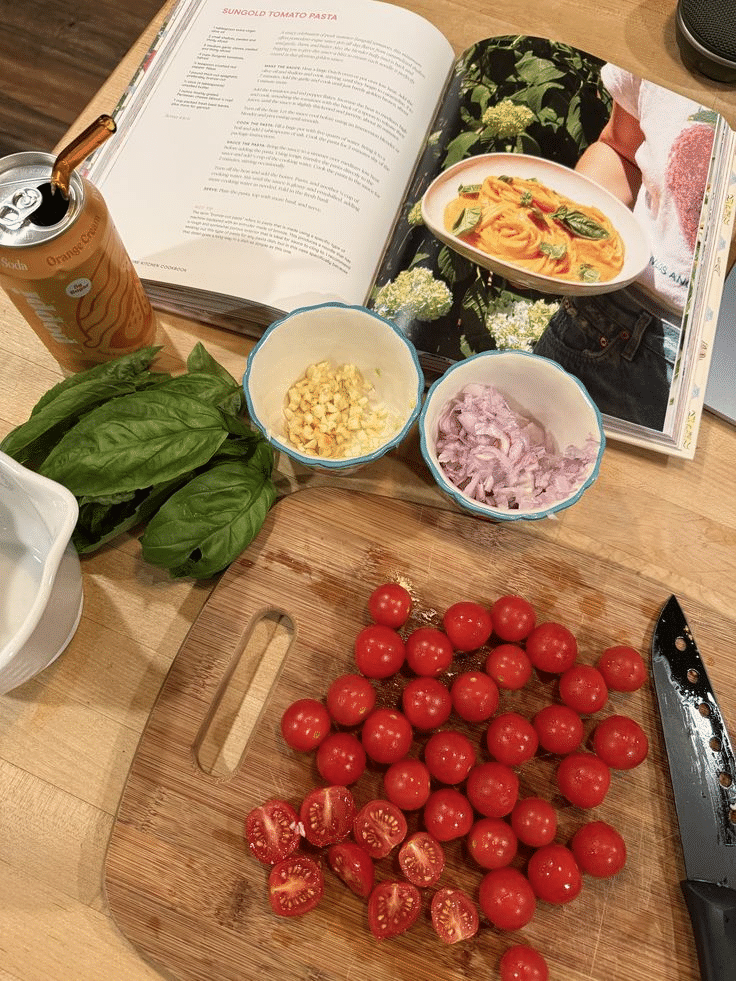
Instead of cooking the same meals repeatedly, turn your kitchen into a place for weekly experiments.
Choose one new recipe each week and explore different cuisines, cooking methods, or ingredients. You could try homemade pasta, a new soup, a regional dish, or a dessert you’ve always wanted to make.
Keep notes about the ingredients, techniques, and flavors you enjoyed. Over time, you’ll build a personal collection of recipes that you know how to prepare confidently.
Main-character idea: Give each week a food theme and create a special dinner around it.
21. Writing Poetry or Short Stories

Creative writing gives you a way to explore ideas, memories, emotions, and imaginary worlds. You don’t need formal training to begin writing poetry or short stories.
Start with a small prompt, such as describing a rainy afternoon, imagining a conversation between strangers, or writing about a place you remember clearly.
You can write in a notebook, on a computer, or wherever you feel most comfortable. Try experimenting with different genres and styles instead of judging every piece immediately.
Main-character idea: Write a short story inspired by a place you’ve visited or a dream you remember.
22. Cycling Around Your Neighborhood
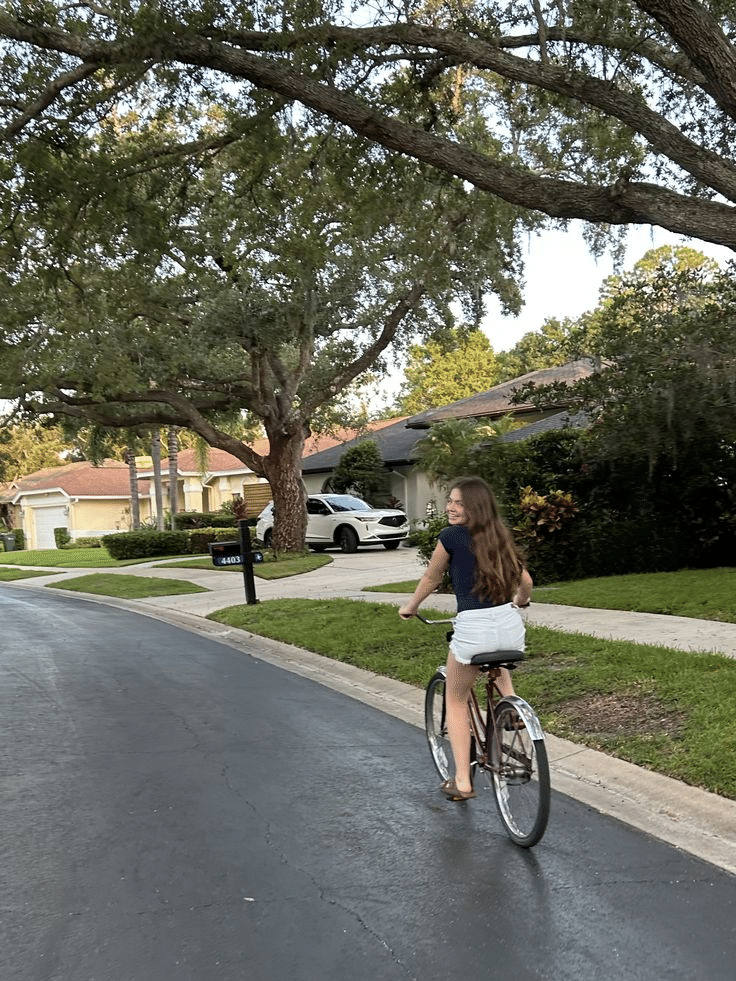
Cycling can make familiar surroundings feel more adventurous. Begin with relaxed rides on suitable paths or quiet roads before attempting longer distances.
Plan routes that pass through parks, scenic areas, or neighborhoods you haven’t explored. Bring water, wear appropriate safety equipment, and follow local cycling rules.
You can also combine cycling with photography or make a list of places you’d like to visit along your routes.
Main-character idea: Plan a leisurely weekend ride to a nearby place you’ve never visited.
23. Experimenting With Film Photography
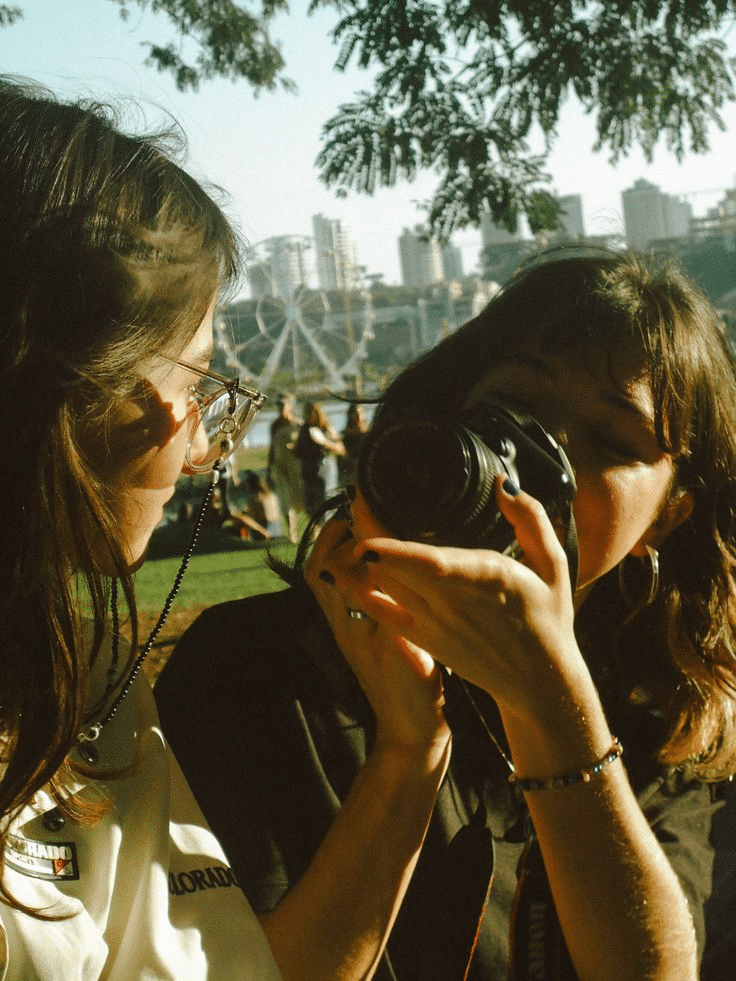
Film photography encourages you to slow down and think carefully about the moments you want to capture. Unlike digital photography, you usually don’t see the results immediately.
If you’re interested, explore beginner film cameras and learn about film types, lighting, composition, and developing costs before investing too much.
You can start with simple subjects such as buildings, landscapes, portraits, and everyday objects. The limited number of exposures encourages you to be more deliberate with each photograph.
Main-character idea: Create a small photo series documenting one weekend.
24. Learning to Cook Without a Recipe
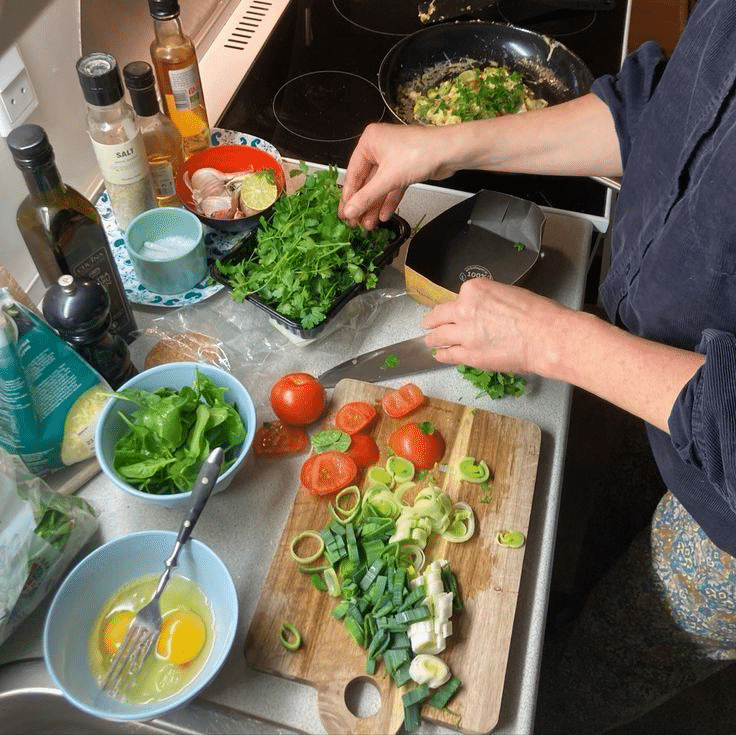
Once you’re comfortable following recipes, learning to cook by intuition can make you feel much more confident in the kitchen.
Begin with familiar dishes and practice adjusting seasoning, balancing flavors, and using ingredients you already have. Learn how different cooking techniques affect texture and taste.
You might experiment with homemade sauces, soups, dressings, grain bowls, or simple pasta dishes.
Keep food safety in mind, especially when experimenting with unfamiliar ingredients or cooking temperatures.
Main-character idea: Create your own signature dish and give it a name.
25. Decorating Your Living Space
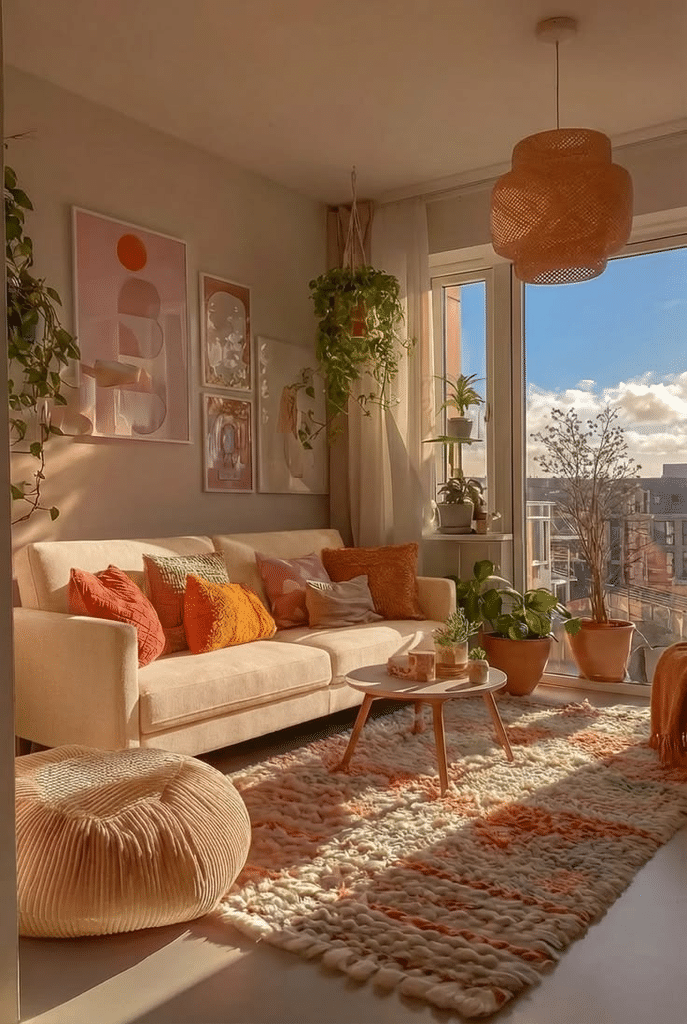
Interior decorating lets you turn your surroundings into a reflection of your personality. You don’t need a large budget or a complete room makeover to make a difference.
Try rearranging furniture, displaying favorite books, adding plants, creating a reading corner, or experimenting with textiles and lighting.
You can explore styles such as vintage, minimalist, bohemian, rustic, or eclectic, but there’s no need to follow one aesthetic perfectly.
The most satisfying spaces are often the ones that feel comfortable and personal rather than designed solely for photographs.
Main-character idea: Transform one small corner of your home into a space you genuinely love spending time in.
26. Exploring Local Museums and Galleries
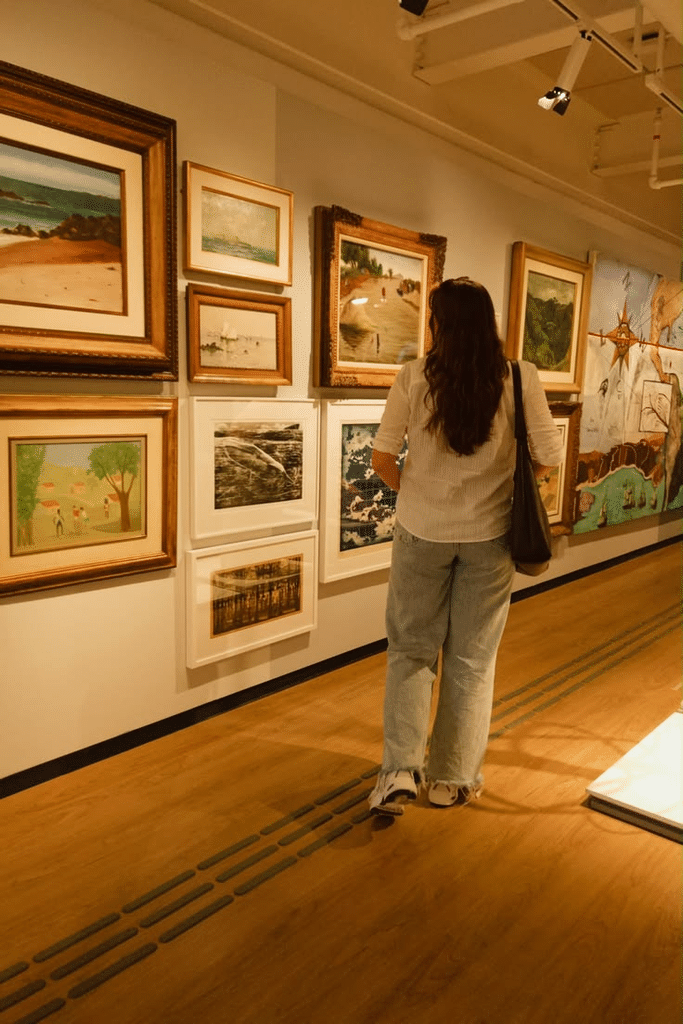
Museums and art galleries offer opportunities to discover history, culture, art, and ideas you might not encounter in everyday life.
Choose an exhibition that interests you and take your time exploring it. You can read about the artists, examine the details of particular works, or keep notes about pieces that catch your attention.
Many museums offer free admission days, reduced-price tickets, or special community programs, making this hobby accessible on different budgets.
You don’t need to be an art expert to enjoy the experience. Curiosity is enough.
Main-character idea: Choose one artwork or exhibit and write down what you found most interesting about it.
27. Creating Mood-Based Playlists
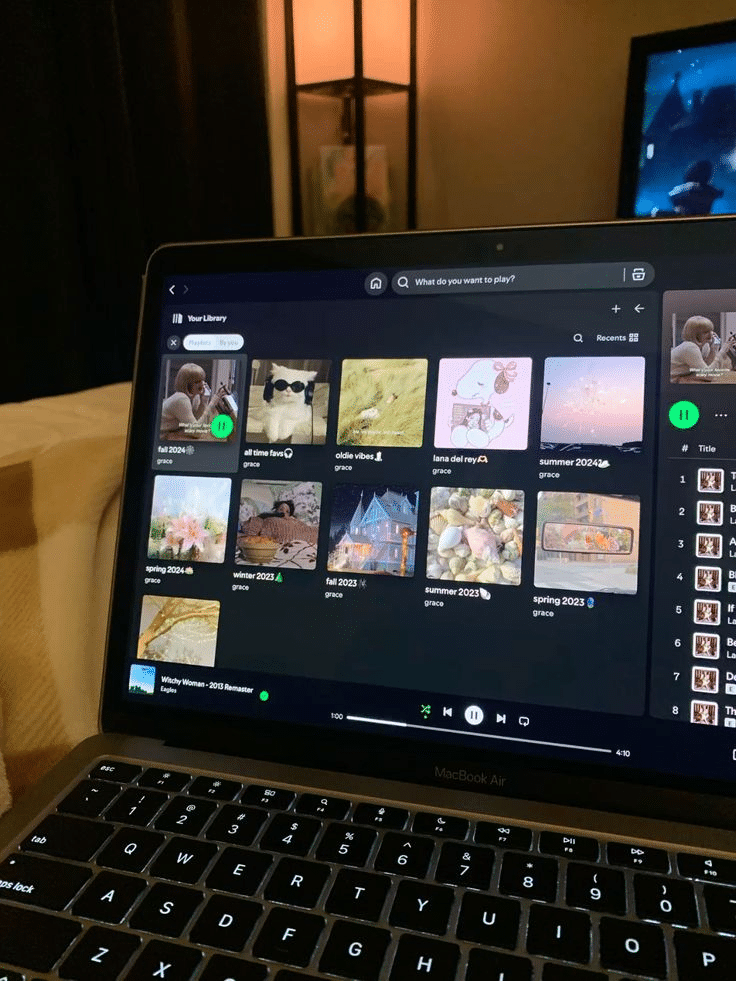
Music can help you give different parts of your life their own atmosphere. Creating playlists around moods, seasons, memories, or imagined movie scenes is a simple but surprisingly creative hobby.
Make playlists for rainy mornings, summer road trips, late-night reflection, getting ready, or slow weekend afternoons.
You can also revisit songs from different periods of your life and create collections that remind you of specific memories.
Main-character idea: Make a playlist for the next chapter of your life, filled with songs that capture how you want it to feel.
28. Learning Makeup or Hairstyling
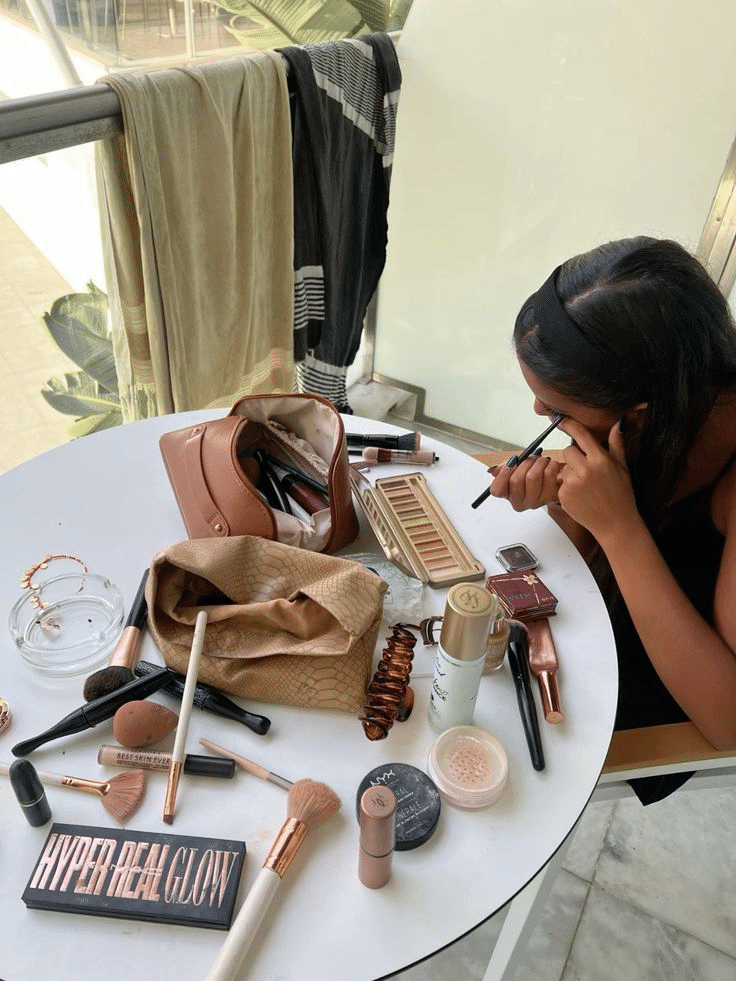
Makeup and hairstyling can become creative outlets rather than activities reserved for special occasions.
Experiment with different hairstyles, braids, simple updos, eyeliner techniques, blush placement, or color combinations. Practice one technique at a time using products you already own.
You can also explore styles from different decades and adapt the details that appeal to you.
The goal isn’t to achieve a particular appearance or buy an entire collection of products. It’s to learn techniques, express yourself, and discover what makes you feel comfortable and confident.
Main-character idea: Create a signature hairstyle or everyday look that feels like you.
29. Exploring Your City Like a Tourist
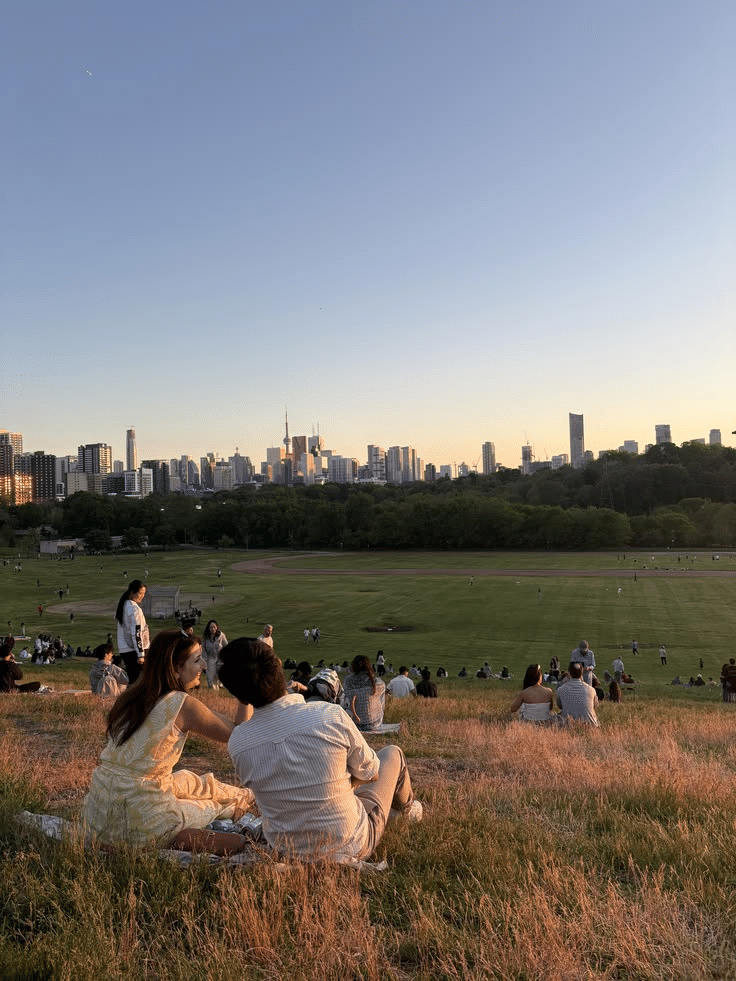
You don’t have to travel far to experience something new. Exploring your own city with fresh eyes can reveal places and activities you’ve overlooked.
Visit local markets, historic buildings, gardens, museums, cafés, independent shops, or unfamiliar neighborhoods. You could also look for community events, craft workshops, or walking tours.
Set a small budget and choose one new place to explore each month. Take photographs or keep a journal of your discoveries if you’d like to remember them.
Main-character idea: Plan a mini adventure in your own city, complete with a new destination and a favorite snack.
30. Creating Your Own Signature Hobby Ritual
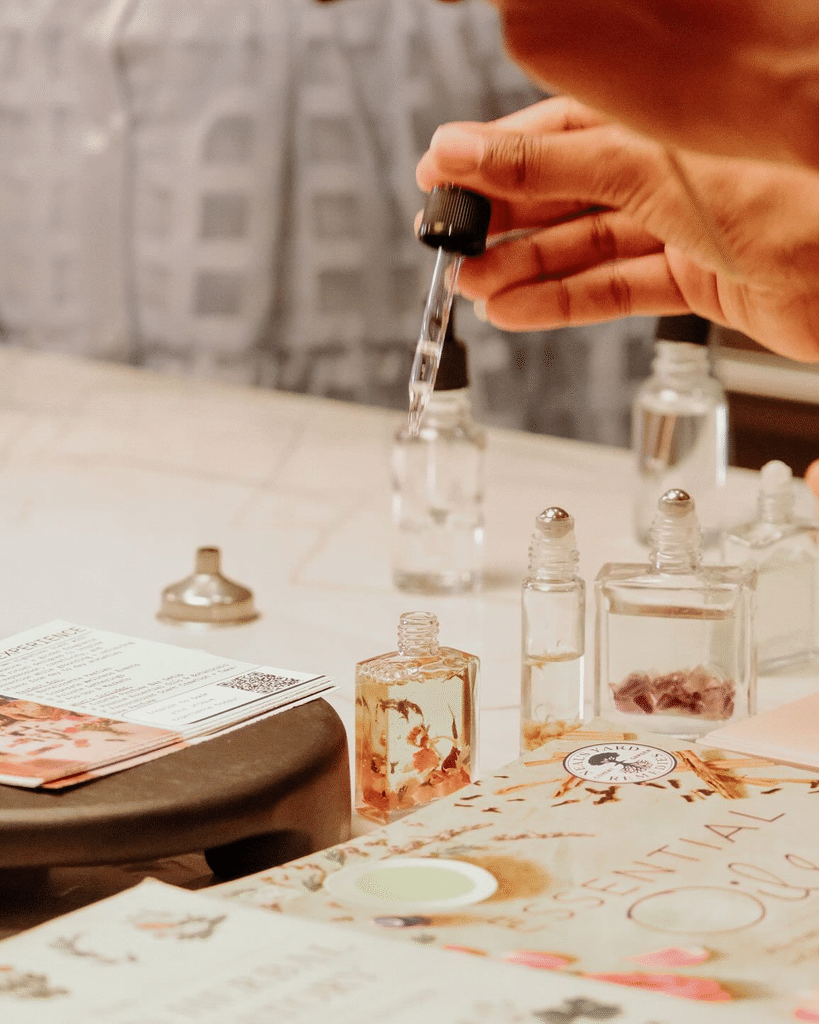
Your final hobby doesn’t have to be something you’ve never tried before. You can combine activities you already enjoy into a ritual that feels uniquely yours.
For example, dedicate Sunday afternoons to baking, painting, and listening to music. Or create a monthly creative day that includes a bookstore visit, a journal entry, and a photography walk.
The important part is making space for experiences you genuinely look forward to. Your ritual doesn’t need to be impressive, expensive, or shared online to matter.
Main-character idea: Design a monthly tradition that reflects your interests and gives you something special to anticipate.
How to Choose a Hobby That Fits Your Personality
With 30 ideas to choose from, it’s easy to feel overwhelmed. Instead of trying to start several hobbies at once, think about what you want more of in your everyday life.
- For creativity: Painting, sewing, photography, jewelry making, pottery, or writing.
- For adventure: Hiking, cycling, stargazing, and exploring local places.
- For relaxation: Reading, journaling, gardening, calligraphy, or music.
- For confidence: Dancing, solo dates, learning an instrument, or trying new experiences.
- For practical skills: Cooking, sewing, gardening, or learning a language.
- For a cozy lifestyle: Baking, flower arranging, scrapbooking, and decorating your space.
Choose one activity and try it for a few weeks before deciding whether you want to continue. Remember that hobbies are meant to add enjoyment to your life, not become another source of pressure.
Summary
These 30 hobbies can help you make everyday life feel more creative, adventurous, and personal. From painting and journaling to learning new skills, exploring bookstores, baking, and taking solo dates, there are plenty of ways to make your free time more enjoyable. You don’t need an expensive lifestyle or a dramatic transformation to experience that main-character feeling. Sometimes, it’s simply about discovering a new interest, noticing the beauty around you, or creating something with your own hands. Start with one hobby that excites you, allow yourself to be a beginner, and enjoy the experience without worrying about perfection.
FAQ
What hobbies make you feel like the main character?
Photography, journaling, painting, reading, dancing, baking, sewing, and solo exploring can make everyday life feel more creative and meaningful.
What are the best hobbies to start alone?
Reading, painting, journaling, photography, gardening, baking, learning a language, and visiting bookstores are all good options for independent beginners.
What are some aesthetic hobbies to try?
Flower arranging, film photography, scrapbooking, calligraphy, pottery, baking, and interior decorating combine creativity with opportunities to create beautiful things.
What hobbies can I start without spending much money?
Writing, walking, journaling, reading library books, phone photography, dancing at home, and exploring local places can all be inexpensive hobbies.
How many hobbies should I have at once?
There is no fixed number, but starting with one or two can make it easier to enjoy the process without feeling overwhelmed.
Can hobbies help me feel more confident?
Yes. Learning new skills, expressing yourself creatively, and trying unfamiliar experiences can help you recognize your progress and become more comfortable stepping outside your usual routine.
How can I make everyday life feel more exciting?
Try introducing small experiences into your routine, such as visiting a new café, learning a recipe, exploring a different walking route, or setting aside time for a creative hobby.
SEO Description
Discover 30 hobbies that make you feel like the main character, from creative hobbies and solo dates to cozy activities, outdoor adventures, and new skills.