
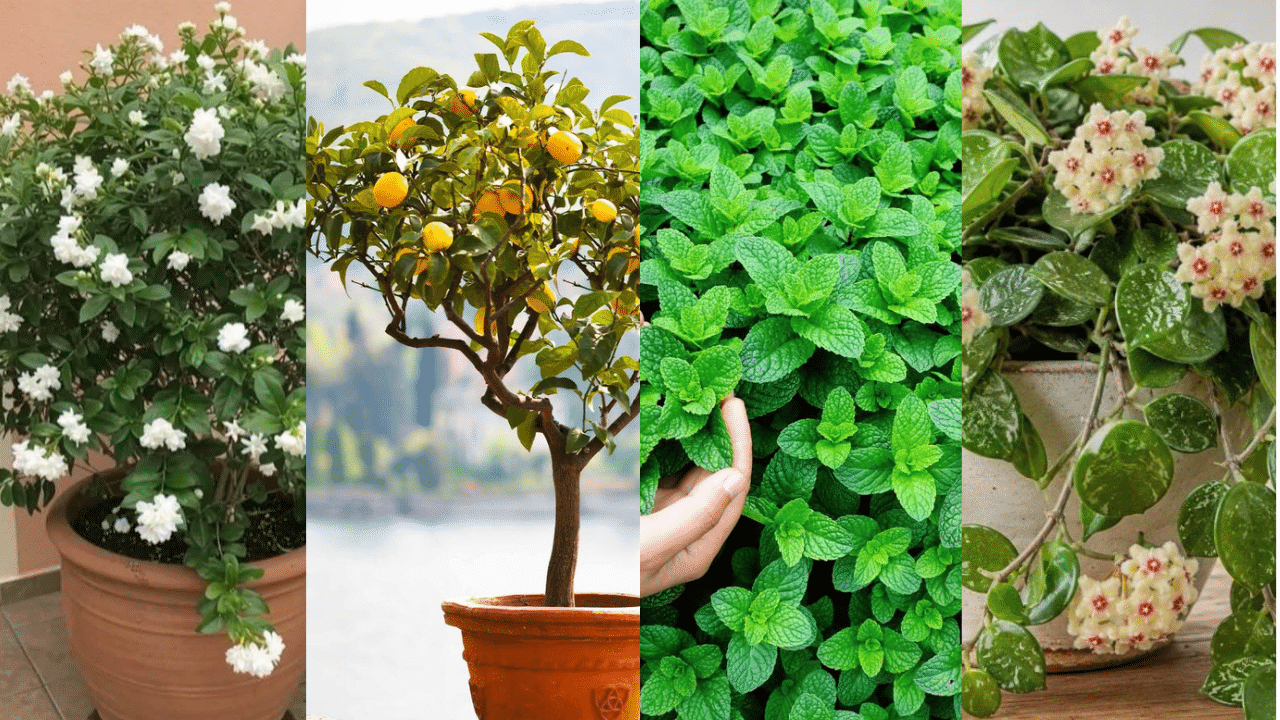
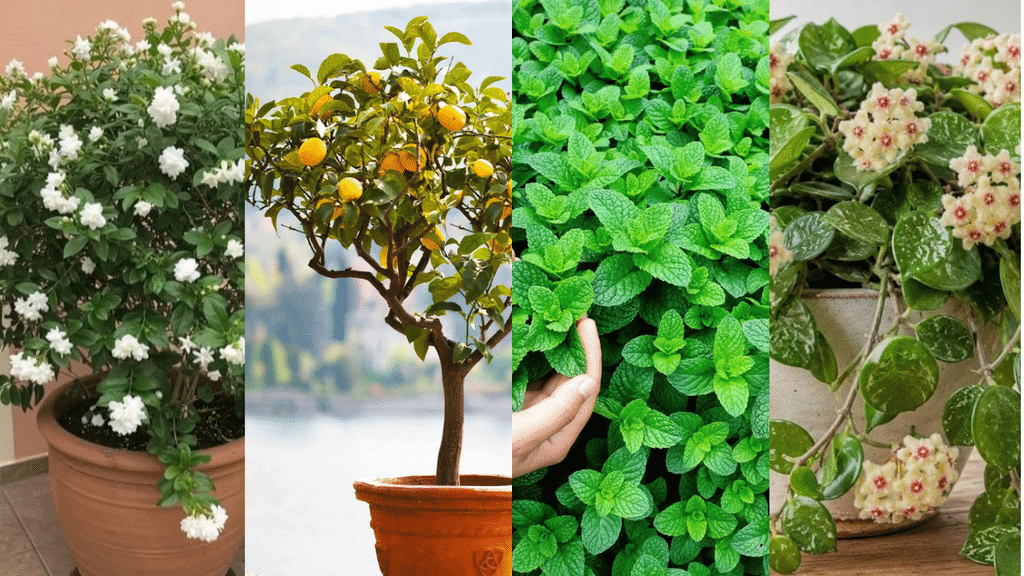
If you love the look of houseplants but also want your home to smell naturally fresh, fragrant indoor plants are worth considering. Unlike artificial air fresheners, scented plants can add a gentle, living fragrance while also bringing greenery and personality to your space. Depending on the variety, you may notice sweet, citrusy, floral, herbal, or even spicy scents when the plant blooms or when its leaves are gently brushed.
The best indoor plants that smell amazing aren’t necessarily difficult to grow. Many fragrant plants can thrive in containers when they receive enough light, appropriate watering, and good drainage. Some are especially suitable for sunny windowsills, while others can work well in kitchens, living rooms, balconies, or bright bedrooms. Choosing a plant based on your home’s natural light and temperature is usually more important than simply choosing the plant with the strongest fragrance.
1. Gardenia
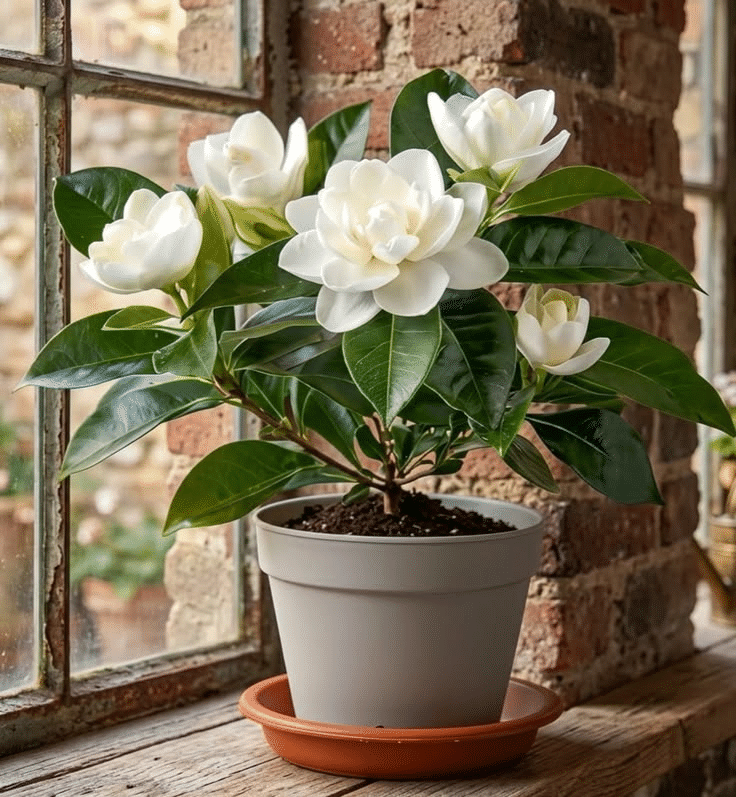
Gardenia is one of the most popular choices when you’re looking for a beautifully fragrant indoor plant. Its white flowers have a rich, sweet scent that can quickly fill a room, particularly when several flowers are open at the same time.
Gardenias prefer bright, indirect light and generally do best near a sunny window where they can receive plenty of light without being exposed to harsh afternoon sun for long periods. They also appreciate consistently moist but well-draining soil. Avoid allowing the roots to sit in standing water.
Humidity is another important factor. If your indoor air is very dry, the plant may struggle to produce healthy growth and flowers. A humidifier or a naturally humid location can help. Gardenias can be more demanding than some beginner houseplants, but their combination of glossy green leaves and fragrant white blooms makes them especially attractive.
Best for: Bright rooms and sunny windowsills
Fragrance: Sweet and floral
Care level: Moderate
2. Jasmine
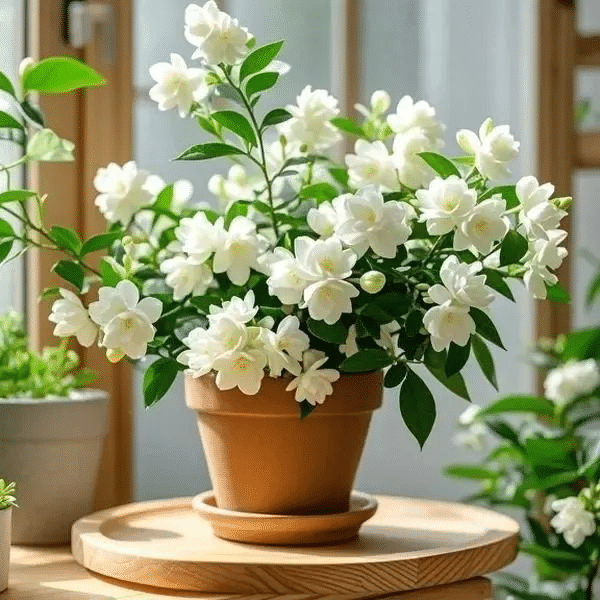
Jasmine is another excellent option for anyone who wants a strong, naturally sweet fragrance indoors. Certain jasmine varieties can produce delicate white flowers with an aroma that becomes especially noticeable in the evening.
Give jasmine plenty of bright light. A sunny window is often ideal, although very intense direct sunlight through glass may need to be filtered depending on your climate. Regular watering is important, but the soil should not remain soggy.
Jasmine is also a climbing plant, so providing a small trellis or support can help guide its growth. With the right conditions, it can become an attractive indoor feature rather than simply sitting on a windowsill.
Because jasmine fragrance can be quite noticeable, it works particularly well in areas where you want a pleasant floral scent. A living room, sunroom, enclosed balcony, or bright home office can all be good locations.
Best for: Bright rooms and sunrooms
Fragrance: Sweet and floral
Care level: Moderate
3. Lavender
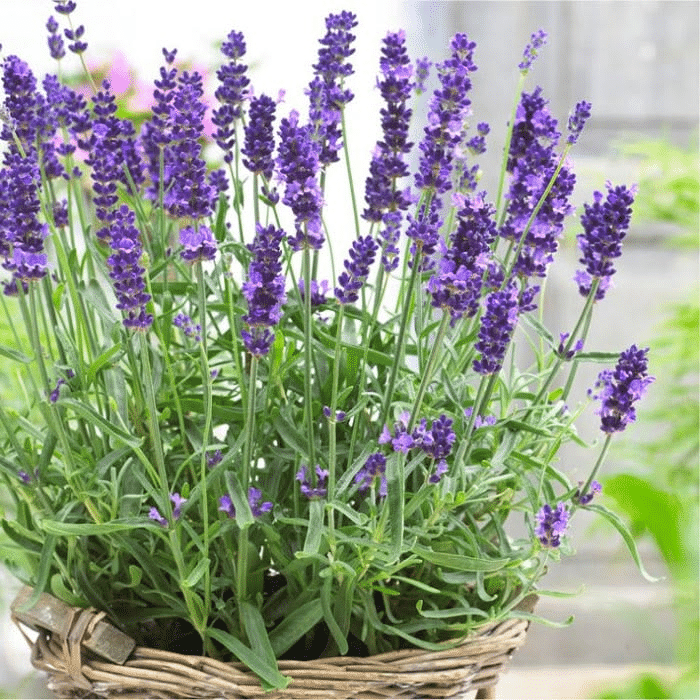
Lavender is famous for its calming, herbal fragrance and is one of the more recognizable scented plants. While it is commonly grown outdoors, compact lavender varieties can also be grown indoors when they receive enough sunlight.
Place lavender near your brightest window. It generally prefers several hours of strong light each day and does not like consistently wet soil. Allowing the soil to dry somewhat between waterings can help prevent root problems.
Good air circulation is also helpful. Avoid placing the plant in a dark corner or a consistently damp area. A terracotta pot with drainage can be particularly useful because it allows excess moisture to escape.
Lavender’s silvery foliage also makes it attractive even when it isn’t flowering. When the leaves or flowers are gently brushed, they release their distinctive scent. This makes lavender a lovely choice for a kitchen windowsill, sunny bedroom, or home office.
Best for: Sunny windows
Fragrance: Herbal and fresh
Care level: Easy to moderate
4. Lemon Verbena
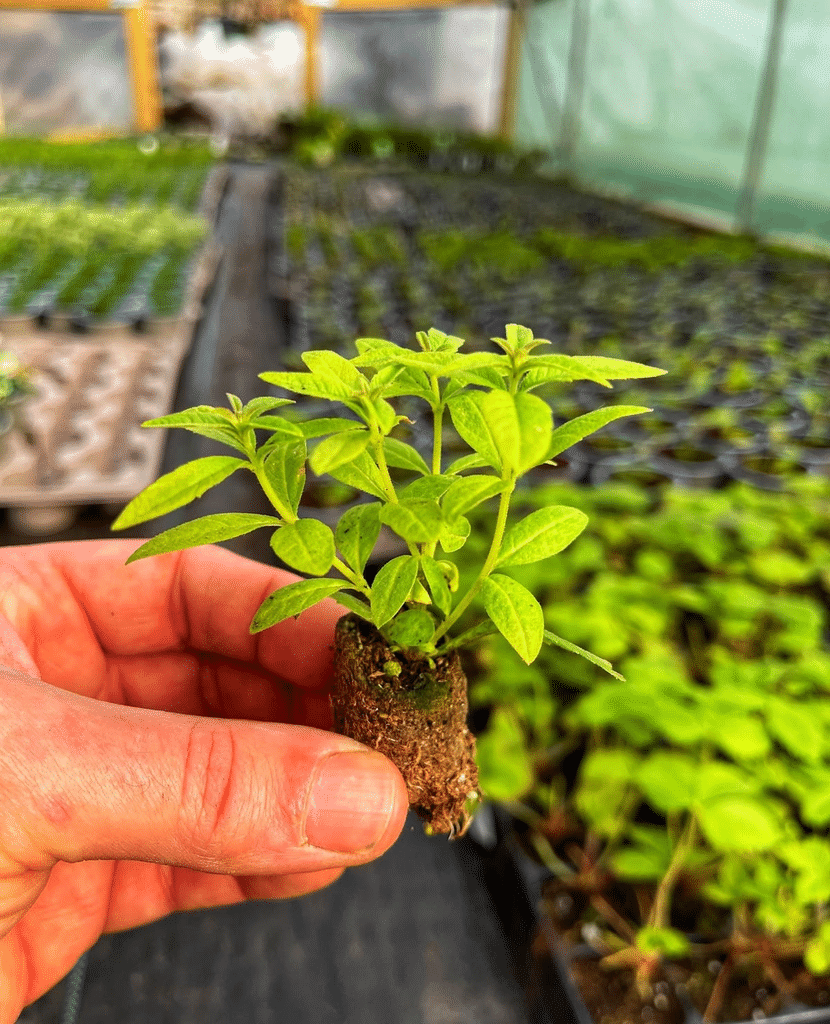
Lemon verbena is an excellent choice if you prefer fresh citrus scents instead of traditional floral fragrances. Its narrow green leaves release a bright lemon-like aroma when touched or gently crushed.
This plant needs plenty of sunlight, making it particularly suitable for a bright kitchen or sunny windowsill. Use a container with good drainage and avoid keeping the soil constantly saturated.
One of the biggest attractions of lemon verbena is that you don’t have to wait for flowers to enjoy its fragrance. Simply brushing against the leaves can release their naturally citrusy scent.
The plant can grow fairly vigorously when conditions are favorable, so occasional trimming helps maintain a compact indoor shape. Regular pruning can also encourage fuller growth.
If you enjoy fresh, clean-smelling plants and want something different from highly floral houseplants, lemon verbena is worth considering.
Best for: Kitchens and sunny windowsills
Fragrance: Fresh lemon and citrus
Care level: Moderate
5. Mint
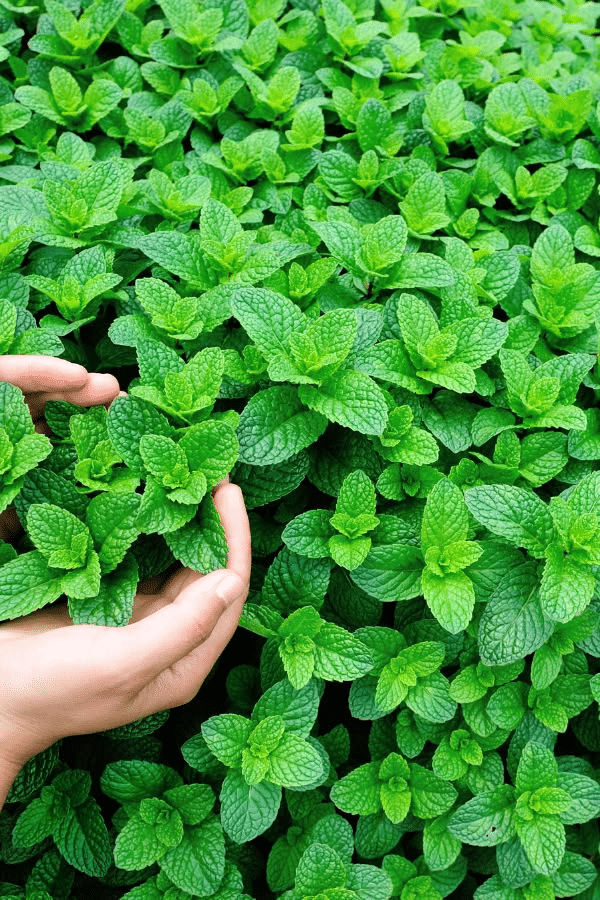
Mint is one of the easiest fragrant plants to introduce into an indoor garden. Its refreshing scent is released whenever the leaves are touched, making it particularly enjoyable near a kitchen window.
Mint generally prefers bright light and consistently moist soil. Unlike many drought-tolerant plants, it doesn’t appreciate being allowed to become completely dry for long periods.
Because mint spreads quickly, growing it in its own container is usually a good idea. Regular harvesting and trimming can help keep the plant bushy and prevent it from becoming too leggy.
There are also several varieties to explore, including spearmint, peppermint, chocolate mint, and other cultivars with distinctive aromas. Besides providing fragrance, mint can also be useful in cooking and drinks.
Place your mint where you can easily reach it. A kitchen windowsill is especially convenient because you can enjoy the scent while also having fresh leaves available.
Best for: Kitchens
Fragrance: Cool and minty
Care level: Easy
6. Lemon Balm
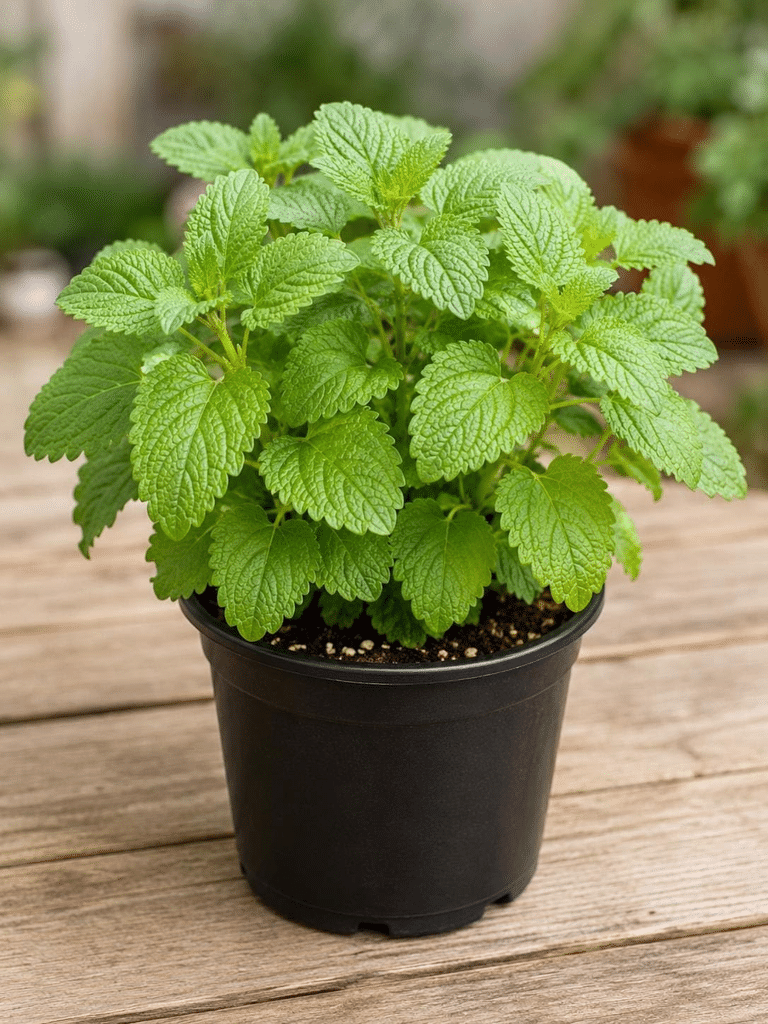
Lemon balm is another fragrant herb that can make an indoor space smell pleasantly fresh. Its soft green leaves have a light lemony aroma that becomes more noticeable when the foliage is touched.
It generally prefers bright light, although it can tolerate somewhat less intense conditions than some sun-loving herbs. Keep the soil moderately moist while ensuring the container drains well.
Lemon balm grows relatively quickly, so pruning is useful if you’re trying to maintain a small indoor plant. Regular trimming can encourage new growth and help prevent the plant from becoming overly tall.
Because its fragrance is relatively gentle, lemon balm can be a good choice if you want something fresh without an overpowering scent. It works well in kitchens, sunny shelves, or home herb gardens.
For an indoor plant collection focused on both appearance and fragrance, lemon balm offers a simple and useful option.
Best for: Kitchens and herb gardens
Fragrance: Light lemon and citrus
Care level: Easy
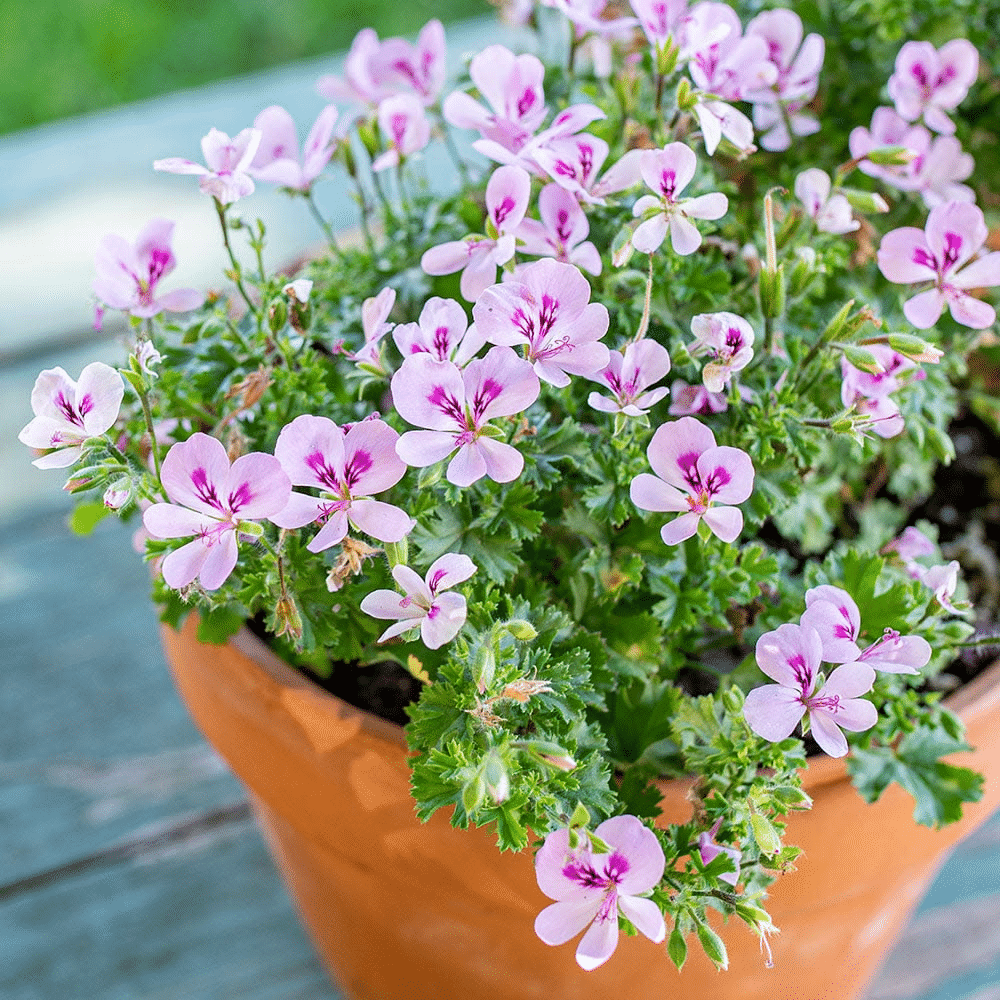
7. Scented Geranium
Scented geraniums are particularly interesting because different varieties can have very different aromas. Depending on the cultivar, the leaves may smell like rose, lemon, mint, apple, or other fragrances.
Unlike plants that depend mainly on flowers for their scent, scented geraniums often release their fragrance when their leaves are gently touched. This makes them enjoyable even when they aren’t blooming.
Give them plenty of bright light and use a well-draining potting mix. Allow the soil to dry somewhat between waterings rather than keeping it constantly wet.
Pruning can help maintain a compact shape and encourage fuller growth. If you’re growing several fragrant plants, scented geraniums are also fun because you can choose varieties based on the fragrance you personally enjoy.
They are particularly suitable for sunny windowsills, enclosed balconies, and bright kitchens.
Best for: Sunny windowsills
Fragrance: Varies by variety
Care level: Easy to moderate
8. Citrus Trees
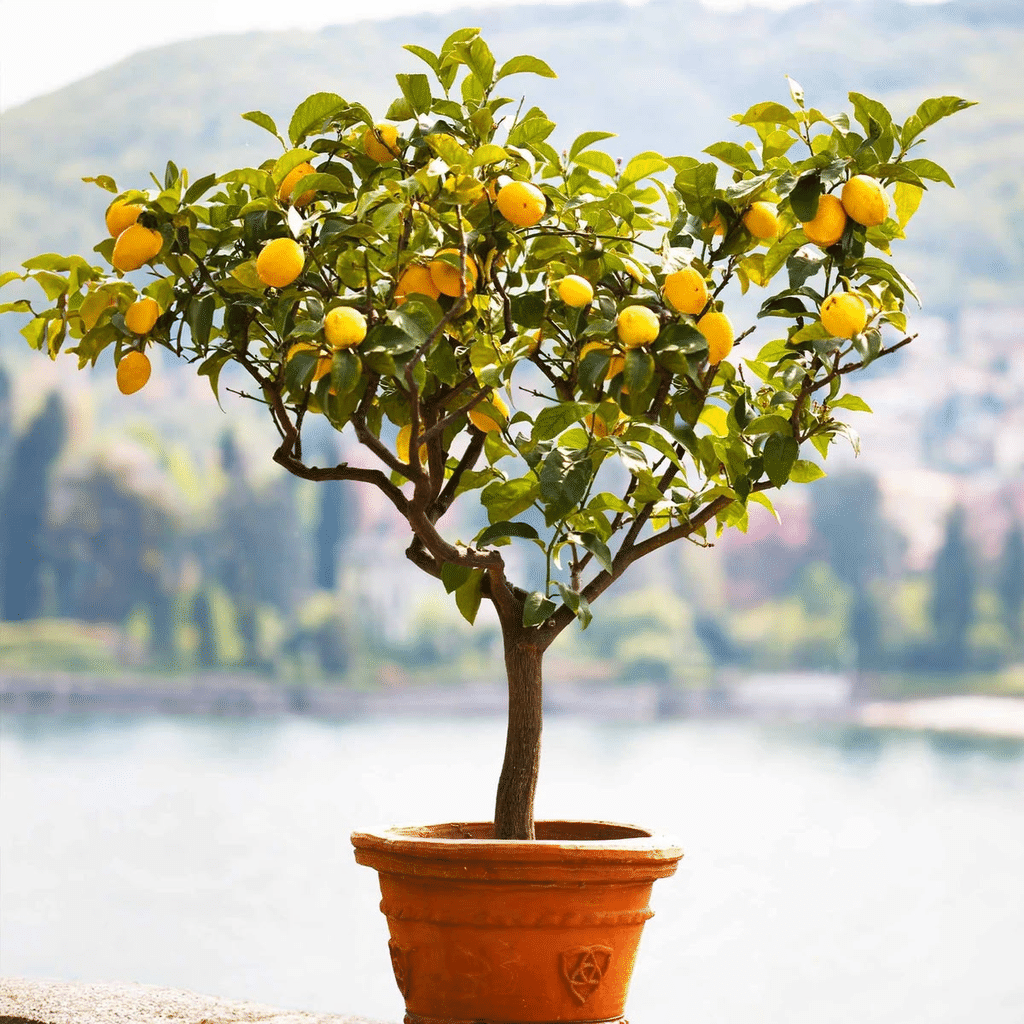
Small citrus trees can bring both greenery and fragrance into your home. Compact varieties of lemon, lime, calamondin, and other citrus plants can be grown in containers under suitable conditions.
Their leaves can have a fresh citrus aroma, while their blossoms may produce a delicate floral fragrance. Some varieties can also produce edible fruit when they receive sufficient light and proper care.
Citrus plants generally need plenty of sunlight. A bright south-facing or similarly sunny window can work well, depending on your location and climate. Water when the upper layer of soil begins to dry, and make sure the container drains freely.
Indoor citrus trees can become larger than typical houseplants, so choose a naturally compact variety and a suitable container.
They can make an especially attractive addition to a kitchen, dining area, sunroom, or bright balcony.
Best for: Very bright rooms
Fragrance: Citrus and floral
Care level: Moderate
9. Hoya
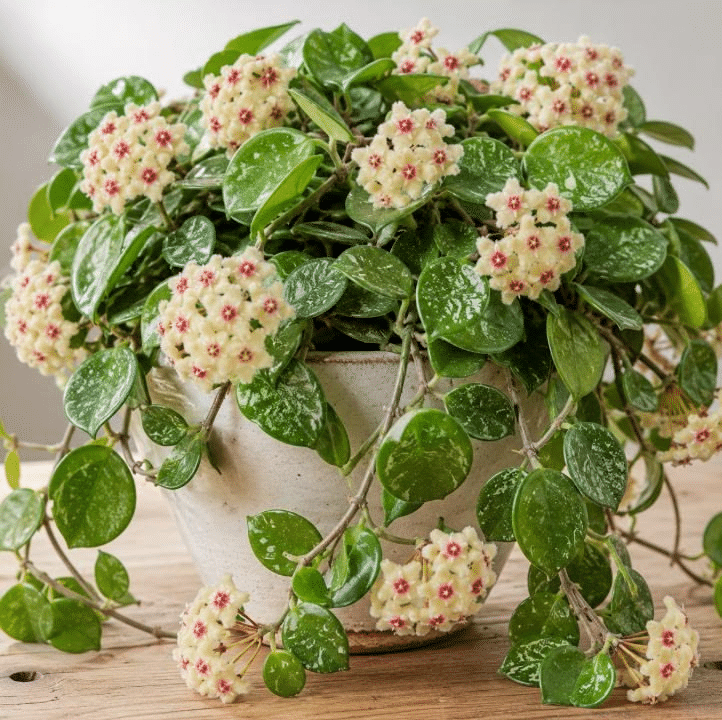
Hoya, sometimes called the wax plant, is a popular houseplant known for its attractive foliage and unusual clusters of flowers. When certain hoya varieties bloom, the flowers can produce a sweet fragrance that becomes more noticeable at certain times of day.
Hoyas generally prefer bright, indirect light and a well-draining growing medium. Allow the soil to dry somewhat between waterings rather than keeping it constantly damp.
One advantage of hoya is that it can be grown as a trailing plant or trained around a support. This makes it useful for shelves, hanging planters, or plant stands.
The flowers are often small but appear in attractive clusters, giving the plant an ornamental appearance in addition to its fragrance.
If you want a houseplant that combines interesting foliage, unusual flowers, and occasional fragrance, hoya can be an excellent choice.
Best for: Shelves and hanging planters
Fragrance: Sweet and floral
Care level: Easy to moderate
10. Stephanotis
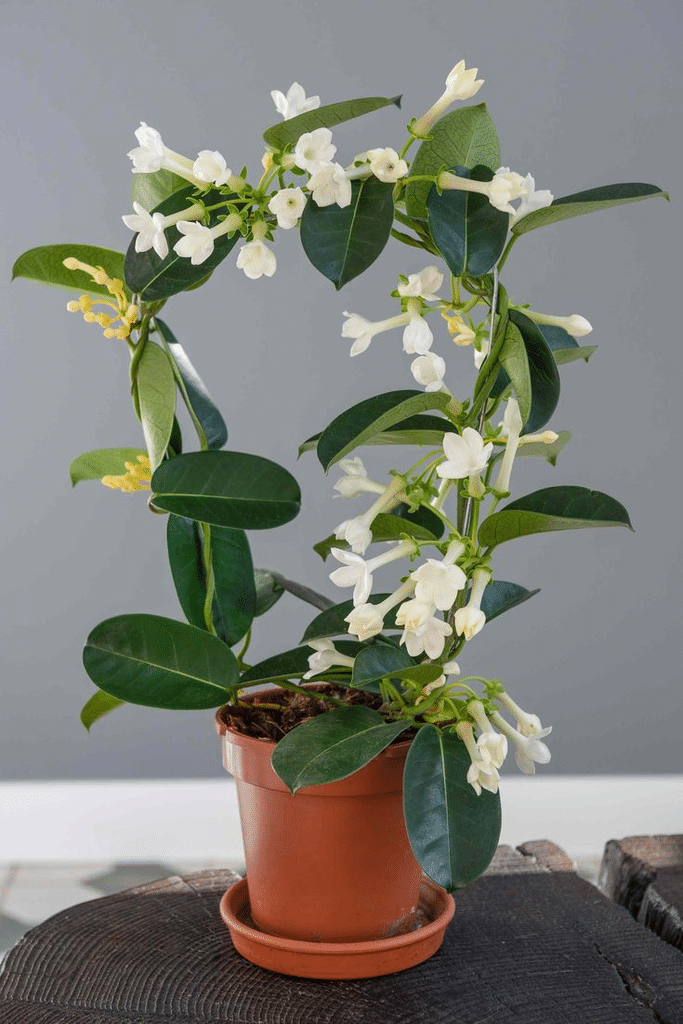
Stephanotis, also known as Madagascar jasmine, is a beautiful flowering plant known for its white, star-shaped blooms and sweet fragrance.
It prefers bright light and can benefit from a support structure because it naturally grows as a vine. A small trellis can help keep the plant organized while also turning it into an attractive decorative feature.
Water it when the soil begins to dry slightly, but avoid allowing the roots to remain in standing water. Good humidity and stable temperatures can also help support healthy growth.
Stephanotis can be more particular than easy-care houseplants, especially when it comes to flowering. However, when it produces flowers, the fragrance can be a wonderful addition to a bright indoor space.
Its elegant flowers make it particularly suitable for decorative areas where you want both visual interest and fragrance.
Best for: Bright rooms and conservatories
Fragrance: Sweet and floral
Care level: Moderate
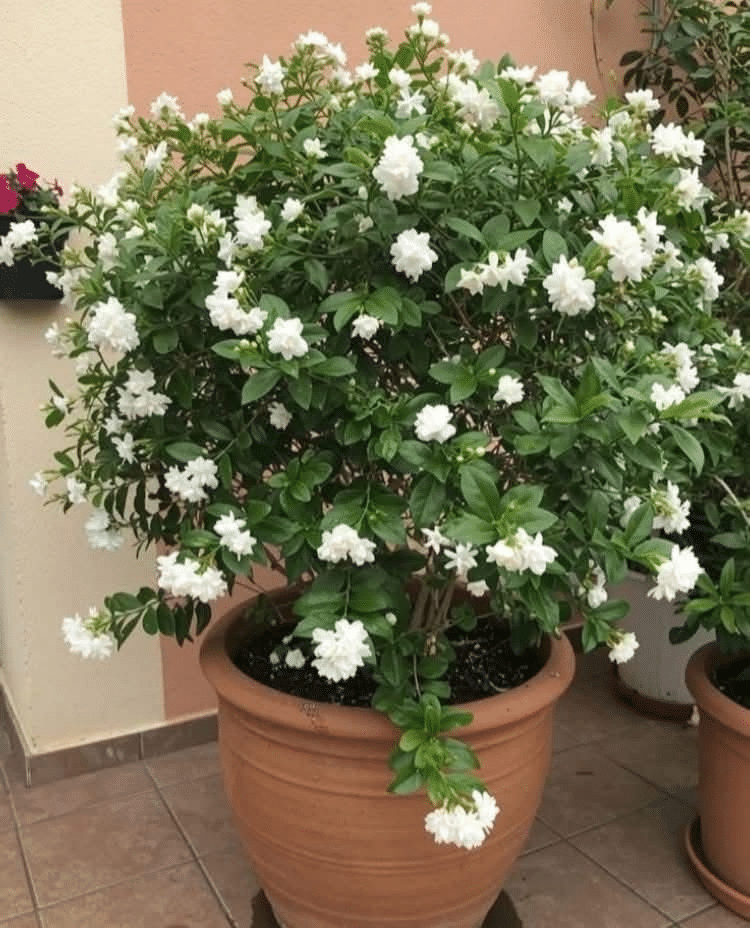
11. Arabian Jasmine
Arabian jasmine is prized for its small, delicate white flowers and rich floral fragrance. It can be grown in a container and trained as a small shrub or climbing plant when provided with suitable support.
Bright light is important for healthy growth and flowering. Keep the soil moderately moist, but make sure excess water can drain away easily.
The flowers are the main attraction, producing a strong fragrance that can make a room feel especially inviting. Because the scent can be noticeable, consider placing the plant in a larger room or an area with good airflow if you’re sensitive to strong fragrances.
Regular pruning can help maintain the plant’s shape and encourage new growth. With appropriate light and care, Arabian jasmine can become both a decorative houseplant and a natural source of fragrance.
Best for: Bright living areas
Fragrance: Rich and floral
Care level: Moderate
12. Sweet Alyssum
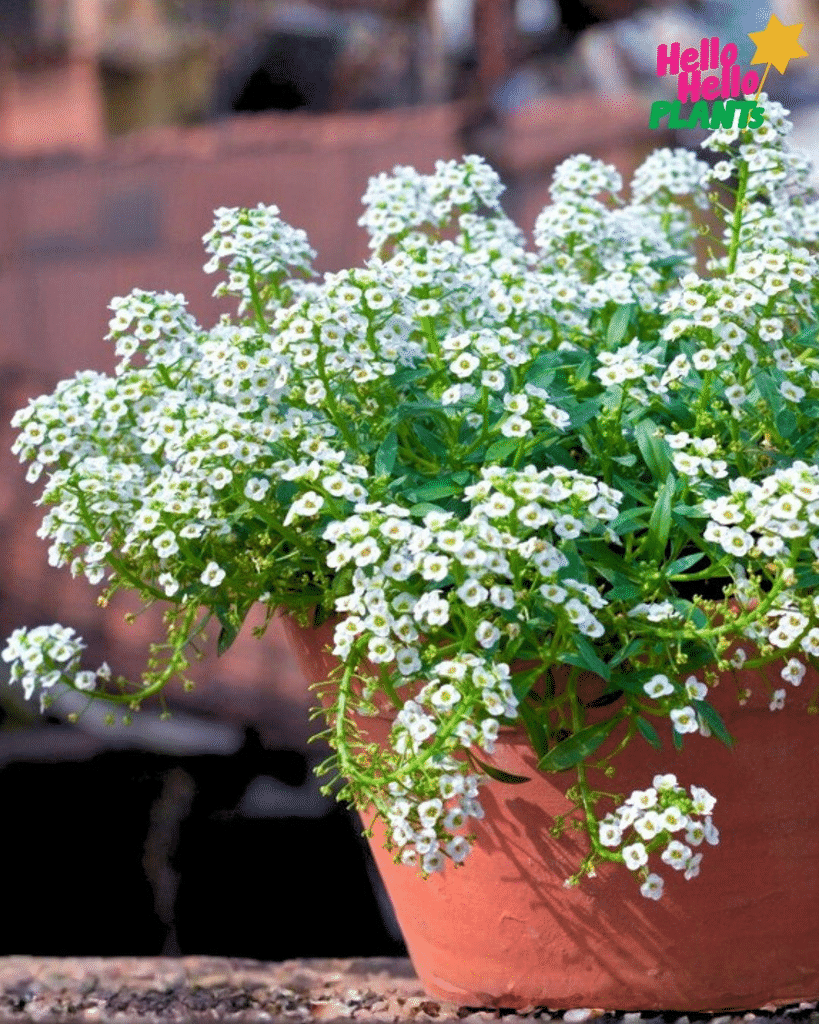
Sweet alyssum is a compact flowering plant with clusters of tiny flowers that can produce a pleasant honey-like fragrance. Although it is often grown outdoors, it can work indoors temporarily or in very bright indoor spaces.
It needs plenty of light to remain healthy and produce flowers. A sunny windowsill can provide the brightness it needs, while good drainage helps prevent problems caused by excess moisture.
Sweet alyssum is particularly useful if you want a smaller fragrant plant rather than a large houseplant. Its tiny flowers can add a soft, decorative touch to a windowsill, plant shelf, or tabletop arrangement.
Because it is relatively compact, it can also be combined with other plants in a bright indoor display, provided each plant has compatible watering needs.
Best for: Sunny windowsills and small spaces
Fragrance: Sweet and honey-like
Care level: Easy to moderate
Tips for Growing Fragrant Indoor Plants
Choosing the right plant is only part of creating a naturally fragrant indoor garden. These simple care tips can help your plants stay healthy and encourage better growth and flowering.
- Give flowering plants enough light: Many fragrant plants need bright light to produce flowers.
- Check the plant’s watering needs: Avoid treating every houseplant the same. Some prefer consistently moist soil, while others need the soil to dry between watering.
- Use pots with drainage holes: Good drainage helps reduce the risk of root problems.
- Don’t overcrowd plants: Leave enough space around each plant for air circulation.
- Prune regularly: Trimming can encourage fuller growth and keep larger fragrant plants manageable indoors.
- Choose fragrance levels carefully: Some flowers have a subtle scent, while others can be quite strong.
- Place plants where you can enjoy them: A fragrant plant is most rewarding when it’s positioned where you regularly spend time.
- Rotate plants when needed: Turning containers periodically can help plants grow more evenly toward the light.
- Check for pests: Indoor herbs and flowering plants can still attract common houseplant pests.
- Choose pet-safe plants when necessary: If you have cats, dogs, or other pets, check whether a plant is safe before bringing it home.
Summary
The best indoor plants that smell amazing can add much more than greenery to your home. Gardenia and jasmine offer beautiful floral fragrances, while lavender, mint, lemon balm, and lemon verbena provide fresh herbal or citrus aromas. Scented geraniums, hoyas, citrus trees, stephanotis, Arabian jasmine, and sweet alyssum offer even more choices depending on your available light and preferred fragrance.
Before choosing a plant, consider how much sunlight your space receives, how often you can water it, and how strong a fragrance you prefer. With the right match, even a small windowsill can become a beautiful and naturally scented indoor garden.
Frequently Asked Questions
1. What is the best-smelling indoor plant?
Gardenia, jasmine, Arabian jasmine, and stephanotis are popular choices for strong floral fragrances. The best option depends on your light conditions and how intense a scent you prefer.
2. Which indoor plant has a natural lemon scent?
Lemon verbena and lemon balm are excellent choices. Their leaves release a fresh citrus fragrance when touched or gently rubbed.
3. What is an easy fragrant plant for beginners?
Mint and lemon balm are generally easier choices because they grow readily when given suitable light, water, and drainage.
4. Can lavender grow indoors?
Yes. Lavender can grow indoors when placed in a bright, sunny location with good drainage. Avoid overwatering and provide plenty of light.
5. Which fragrant indoor plants flower?
Gardenia, jasmine, hoya, stephanotis, Arabian jasmine, and sweet alyssum can produce fragrant flowers under suitable growing conditions.
6. Do fragrant plants need more sunlight?
Not necessarily, but many flowering fragrant plants need sufficient light to produce blooms. Herbs such as mint may tolerate somewhat lower light, although brighter conditions generally encourage healthier growth.
7. How can I make indoor plants smell stronger?
Healthy growth and adequate light are important, particularly for flowering plants. Some plants naturally release more fragrance when their leaves are touched or when flowers open at certain times.
8. Can I grow fragrant herbs indoors?
Yes. Mint, lemon balm, lavender, and lemon verbena can all be grown in containers indoors when their basic light, watering, and drainage requirements are met.
9. Where should I place fragrant indoor plants?
Bright windowsills, kitchens, living rooms, enclosed balconies, and sunrooms can all work well. Choose the location based on the plant’s light requirements rather than fragrance alone.
10. Are all fragrant houseplants safe for pets?
No. Plant safety varies by species and by pet. If you have cats or dogs, check the specific plant’s toxicity before bringing it indoors.