
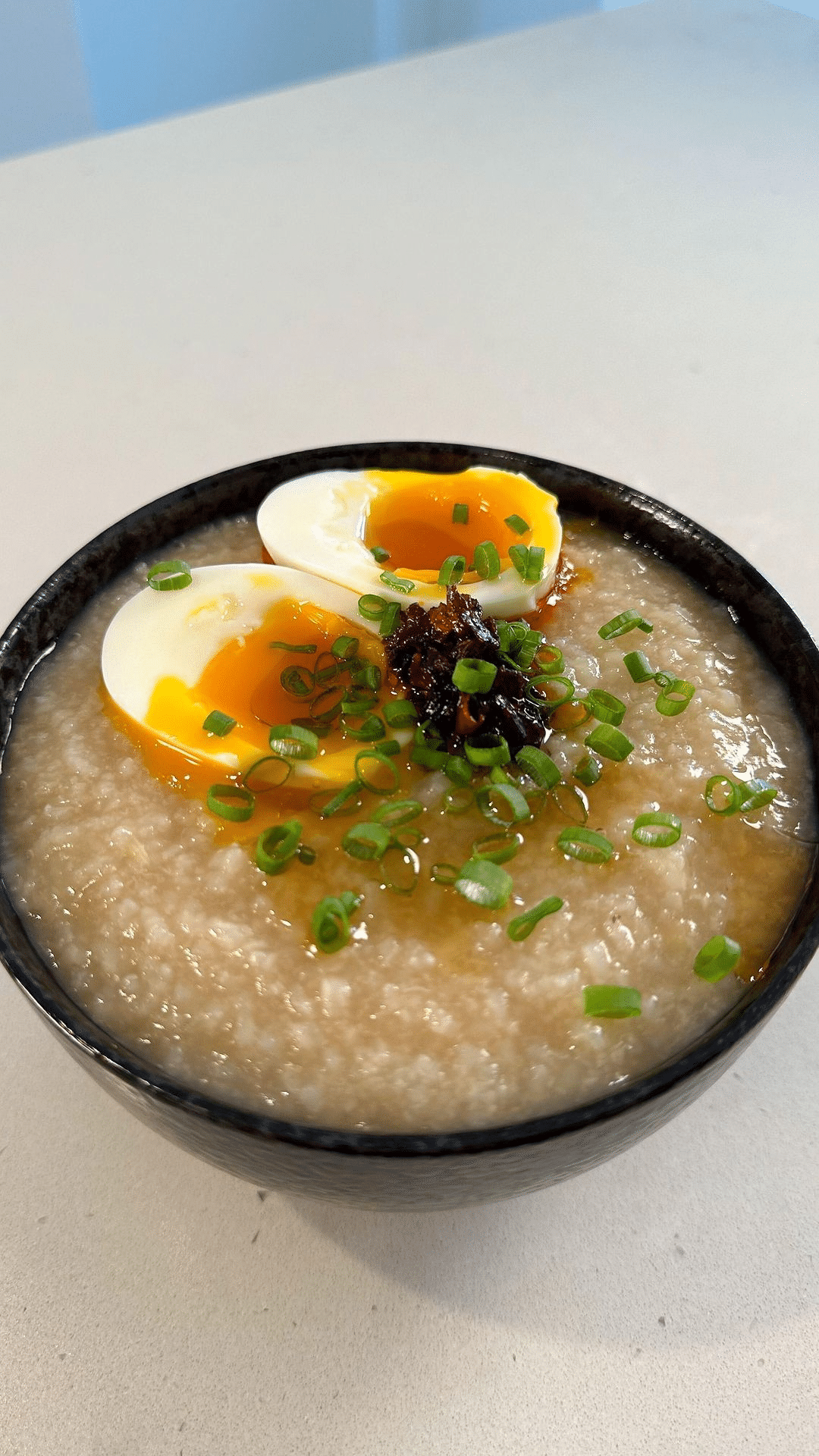
When you have no appetite, even choosing what to eat can feel like a difficult task. Heavy meals, strong flavors, or large portions may seem unappealing, while simple foods can feel much easier to manage. During these times, the goal does not have to be eating a full meal. Small amounts of gentle, nourishing foods can be a practical way to give your body some energy while you gradually regain your appetite.
Foods that are soft, mild, easy to prepare, and not overly greasy are often easier to approach when you are not feeling hungry. Warm soups, plain rice, oatmeal, bananas, toast, yogurt, and simple eggs are examples of foods that can be adapted to your preferences. You can also try eating smaller portions throughout the day rather than expecting yourself to finish a large plate at once. Sipping fluids regularly is important too, especially if your poor appetite is related to illness, heat, or an upset stomach.
Here are 13 gentle foods to eat when you have no appetite, with simple ways to make them easier and more appealing.
1. Warm Chicken or Vegetable Soup
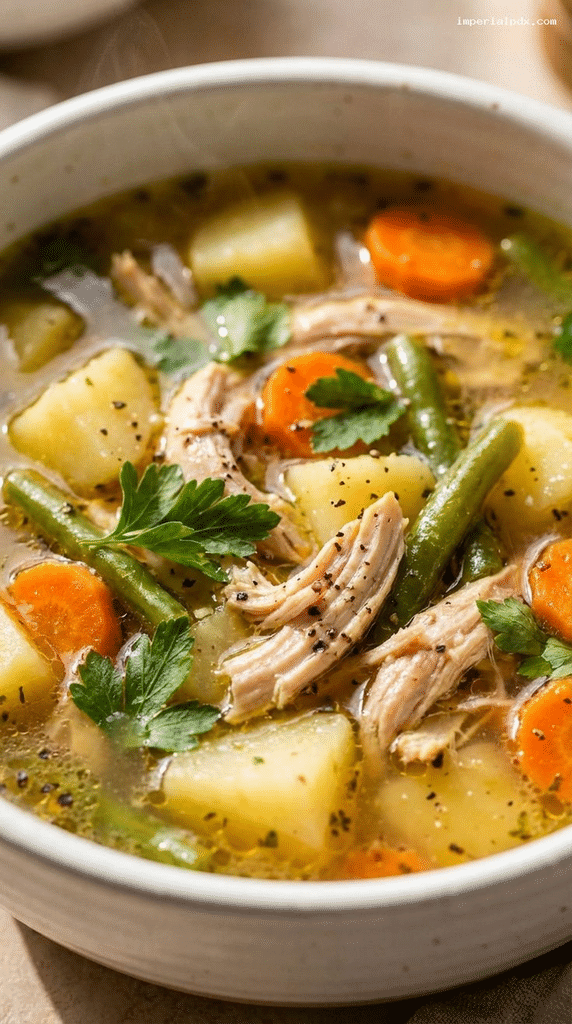
Soup is one of the easiest foods to consider when a full meal feels unappealing. A warm bowl of chicken or vegetable soup can provide fluid, carbohydrates, protein, and other nutrients depending on the ingredients.
Keep the soup simple if you are feeling sensitive. A light broth with soft vegetables, rice, noodles, or shredded chicken may be easier to eat than a thick, creamy, or heavily seasoned soup.
You do not need to eat a large bowl. Start with a small serving and take your time. If chewing feels tiring, choose ingredients that have been cooked until soft.
Homemade soup can also be adjusted to your preferences. You can add carrots, potatoes, pumpkin, rice, noodles, or tender chicken while keeping the seasoning mild.
If you are experiencing nausea, strong smells may make eating more difficult. In that case, let the soup cool slightly and choose a mild version with less seasoning.
Soup can be particularly useful because it combines food and fluid in one dish, making it a gentle option when your appetite is low.
2. Plain Rice
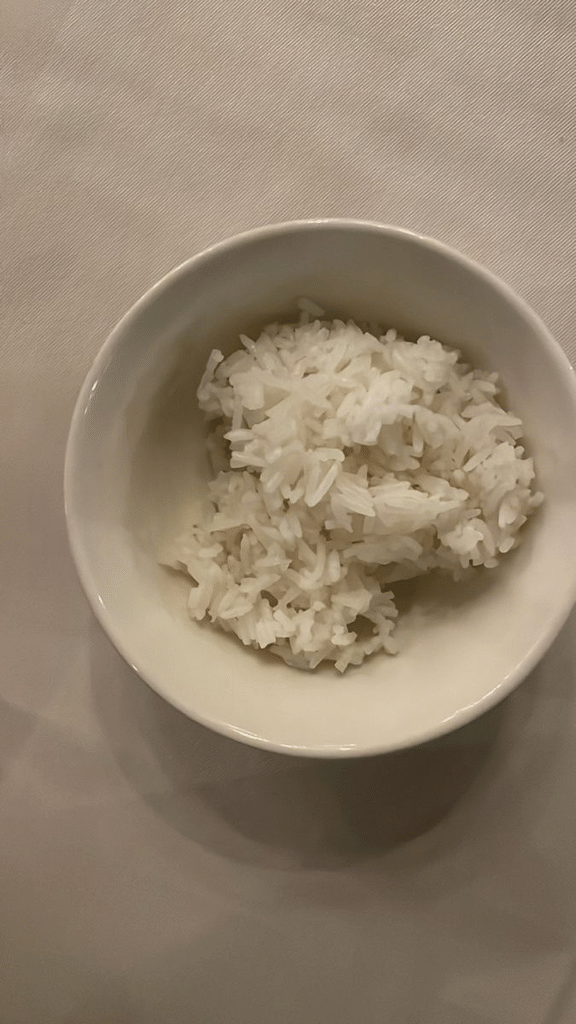
Plain rice is a simple staple that can be useful when you want something mild and easy to portion. White rice is soft when cooked properly and has a neutral flavor that can be easier to tolerate than strongly seasoned dishes.
Start with a small serving rather than preparing a large plate. If plain rice feels too dry, add a little broth, soft cooked vegetables, or a small amount of a mild protein.
You can also turn rice into a simple porridge by cooking it with additional water until it becomes softer. This can make it easier to eat when your appetite is particularly low.
Avoid making the meal overly oily or spicy if those flavors are unappealing or seem to worsen stomach discomfort.
Rice can also provide carbohydrates, which are an important source of energy. If you can tolerate it, pairing a small amount with egg, yogurt, chicken, or another gentle protein can make the meal more balanced.
The goal is not to create a complicated recipe. A small bowl of soft, simply prepared rice can be enough to get something into your system when eating feels difficult.
3. Oatmeal
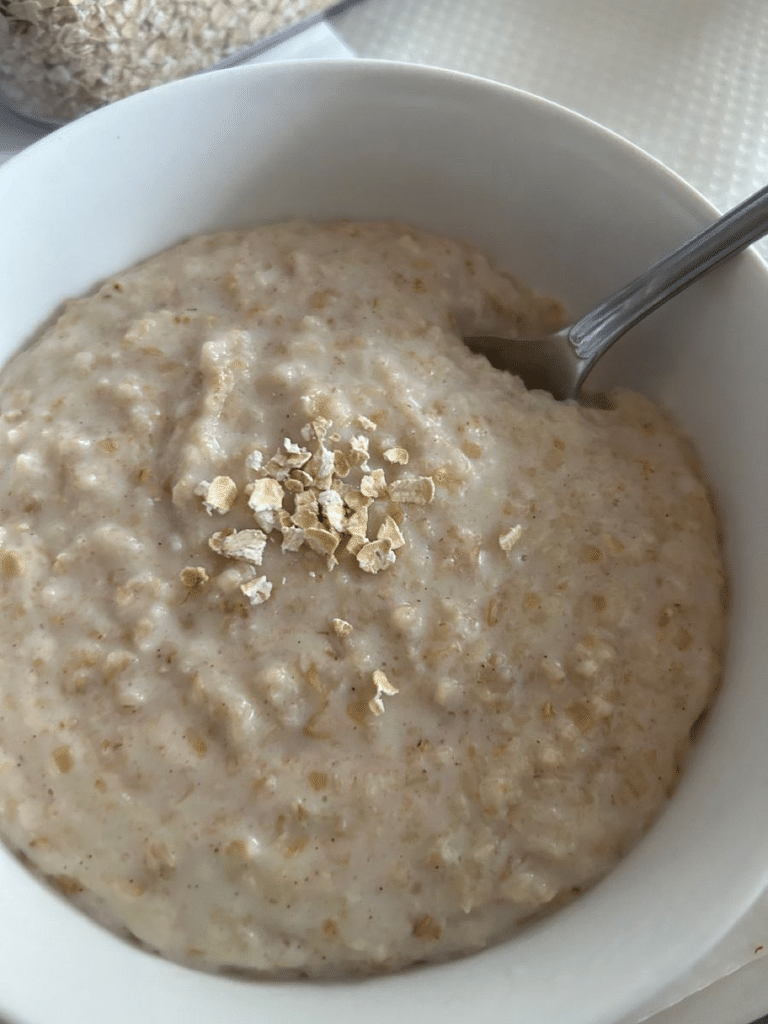
Warm oatmeal is another gentle option that can be customized according to your appetite. Its soft texture makes it easy to eat, while the neutral flavor allows you to keep the toppings simple.
Prepare oatmeal with water or milk, depending on what you normally tolerate. If you are not very hungry, begin with a small bowl.
For natural sweetness, add mashed banana, applesauce, or a small amount of honey if desired. You can also add a little cinnamon for flavor if you enjoy it.
If you are trying to make your breakfast more filling, a spoonful of yogurt or nut butter can provide additional protein and fat. However, when your appetite is particularly low, keeping the bowl simple may be easier.
Oatmeal can be prepared quickly, which makes it useful when you do not have much energy for cooking.
Choose a consistency that feels comfortable. Some people prefer thick oatmeal, while others find a softer, more liquid consistency easier to eat when they are feeling unwell.
4. Bananas
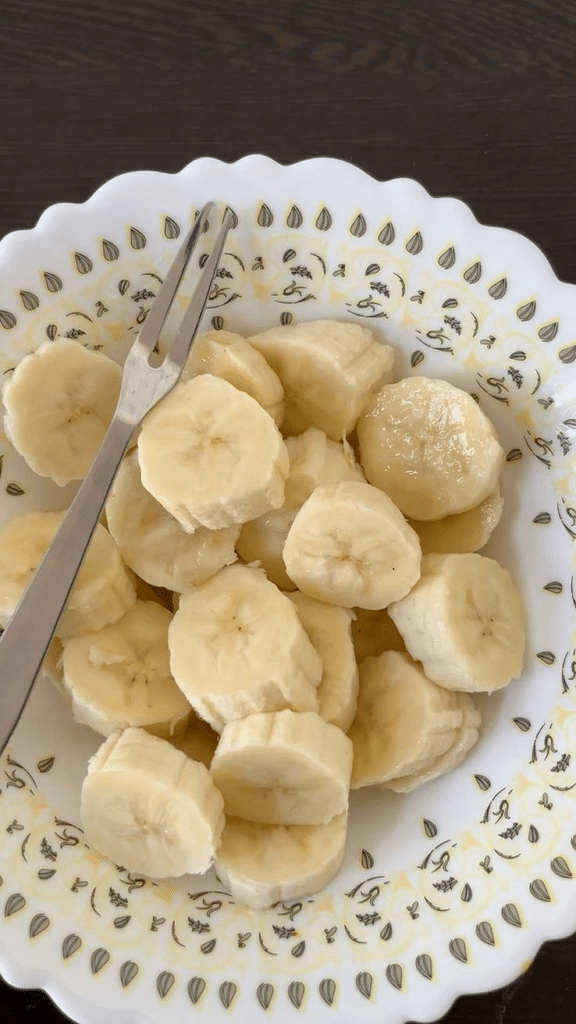
Bananas are a convenient fruit that requires little preparation, making them useful when you have little appetite or energy for cooking.
A ripe banana has a soft texture and naturally sweet flavor. You can eat a few bites at a time rather than trying to finish the entire fruit.
If eating a banana on its own feels boring, slice it into oatmeal, blend it into a smoothie, or pair it with plain yogurt.
Bananas also provide carbohydrates and potassium. However, if you have been advised to limit potassium because of a medical condition, follow your healthcare professional’s dietary guidance instead.
Choose a ripe banana if you prefer a softer texture. Very ripe bananas can also be mashed and mixed into oatmeal for an easy meal.
Because bananas are portable and require no cooking, they are particularly useful to keep available when your appetite is unpredictable.
If you are struggling to eat enough overall, combining a banana with another food can help make a small snack more substantial.
5. Toast or Crackers

Plain toast and simple crackers can be helpful when you want something dry, mild, and easy to eat. They are particularly convenient when the thought of a large meal feels overwhelming.
Start with a small piece of toast or a few crackers. You can eat them slowly and decide whether you want more.
If plain toast feels too dry, try a small amount of butter, mashed avocado, nut butter, or another topping that you know you tolerate well.
Choose simple varieties rather than heavily flavored crackers if strong tastes or spices are unappealing.
Toast can also be paired with a soft-boiled or scrambled egg to add protein. Alternatively, you can have it alongside soup for a slightly more complete meal.
The biggest advantage is simplicity. There is little preparation involved, and you can control the portion easily.
If you are experiencing persistent nausea or vomiting, however, focus on fluids and follow medical advice rather than forcing solid foods.
6. Applesauce or Soft Cooked Apples
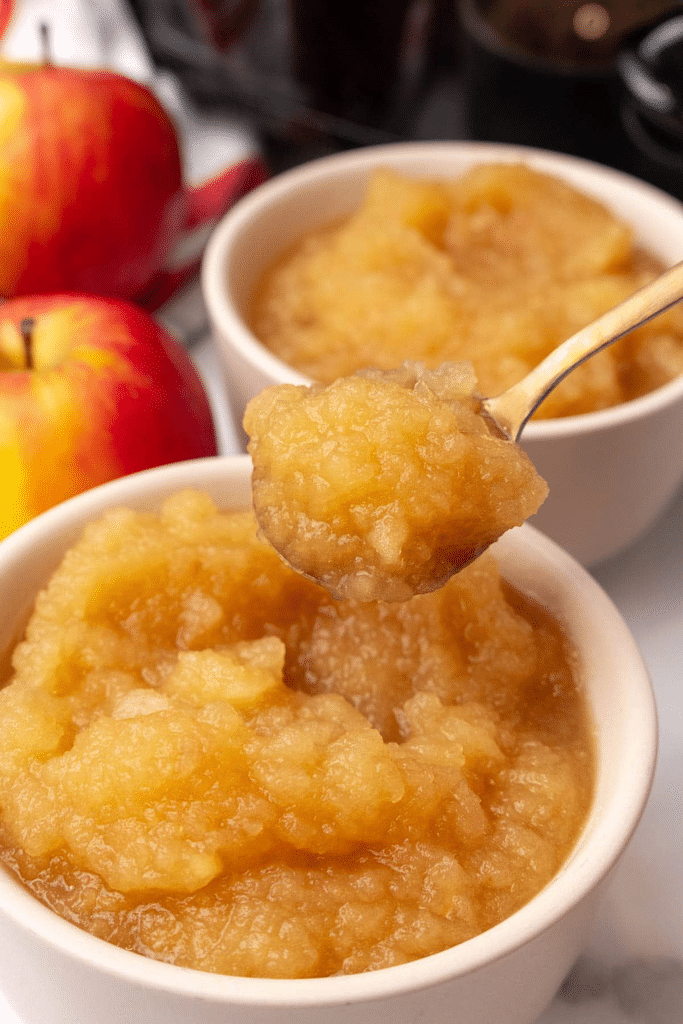
Applesauce is soft, easy to portion, and naturally sweet, making it a useful option when you want fruit but do not feel like eating something crunchy.
Choose unsweetened applesauce when possible, or prepare soft cooked apples at home. You can gently cook peeled apple pieces until tender and add a small amount of cinnamon if desired.
A few spoonfuls may be enough when your appetite is low. You can also add applesauce to oatmeal or eat it alongside toast.
If raw fruit feels too firm or difficult to eat, cooked fruit can offer a softer alternative.
As with any food, personal tolerance matters. If fruit seems to worsen digestive symptoms, choose another option until you feel better.
Keeping small portions ready in the refrigerator can make it easier to eat something without having to prepare a full meal.
Soft fruit preparations can also provide variety when you have been eating mostly plain foods.
7. Plain Yogurt
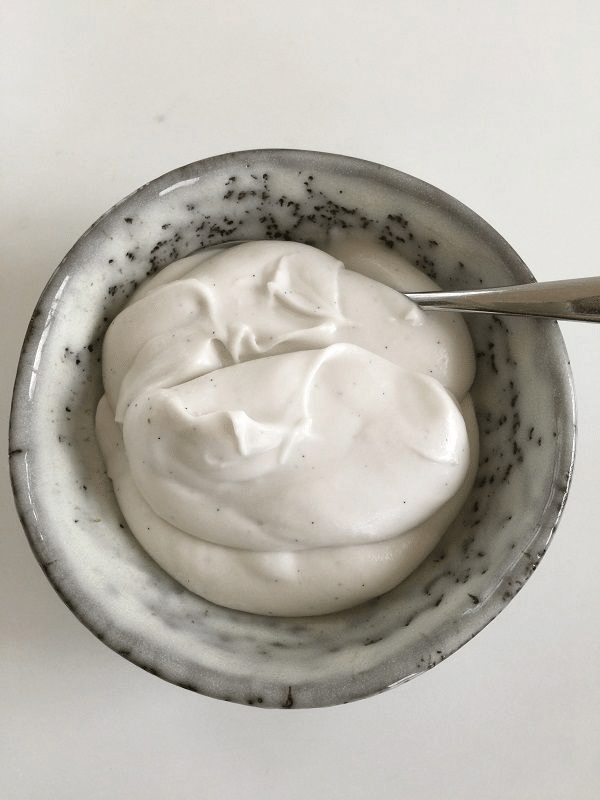
Plain yogurt can be a convenient source of protein and other nutrients, depending on the variety. Its cool, smooth texture may also be appealing when warm foods do not sound good.
Choose a yogurt that you normally tolerate. If dairy causes digestive discomfort for you, consider a suitable lactose-free or non-dairy alternative.
You can eat a few spoonfuls on their own or add soft fruit such as banana or cooked apple. A small amount of oats can also provide additional texture and energy.
If you are experiencing nausea, avoid forcing yourself to eat yogurt simply because it is considered a healthy option. Your tolerance and preferences are more important.
Keep the portion small at first. If it feels comfortable, you can gradually eat more.
Yogurt can also work as a snack between small meals, helping you add nutrition without needing to sit down for a large meal.
8. Scrambled Eggs

Soft scrambled eggs are a simple way to add protein when you do not have much appetite. They cook quickly and can be made with a soft texture that is relatively easy to eat.
Prepare the eggs gently and avoid making them overly dry. You can keep the seasoning mild and add a small amount of toast if desired.
If a full serving feels like too much, start with a few bites. Eating slowly can make the experience less overwhelming.
Eggs can also be combined with soft rice, mashed potatoes, or mild vegetables to create a more complete small meal.
If you do not feel like eating eggs, there is no need to force them. The goal is to find foods that you can comfortably tolerate.
For people recovering from an illness, protein can be particularly useful as part of an overall balanced diet, but individual nutritional needs vary.
9. Mashed Potatoes
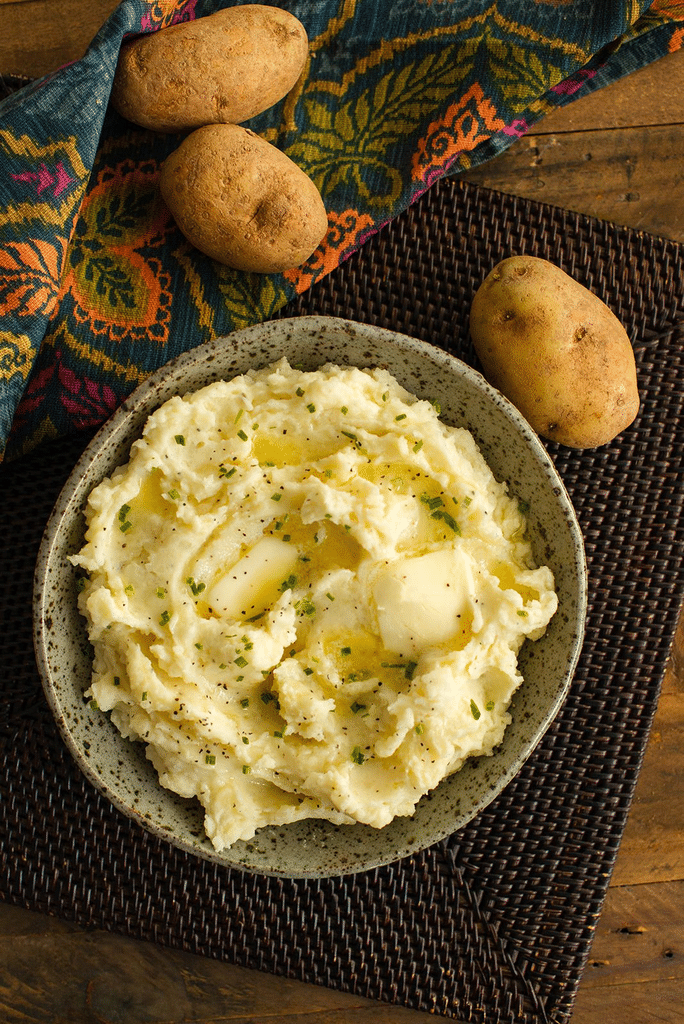
Mashed potatoes are soft, comforting, and easy to portion. They can be prepared simply with potatoes, a little milk or butter, and mild seasoning.
If your appetite is low, keep the portion small. You can eat a few spoonfuls and save the rest for later if appropriate.
For additional nutrition, mashed potatoes can be paired with a small amount of shredded chicken, scrambled egg, or soft cooked vegetables.
Avoid making them excessively rich if heavy foods are difficult for you to tolerate. A simple preparation may be easier than one containing lots of butter, cream, cheese, or strong seasoning.
Sweet potatoes can also be used if you prefer their flavor and texture.
The soft consistency makes mashed potatoes useful when crunchy or chewy foods are unappealing.
They can also be prepared in advance, making them a convenient option to have available during periods when cooking feels like too much effort.
10. Smoothies
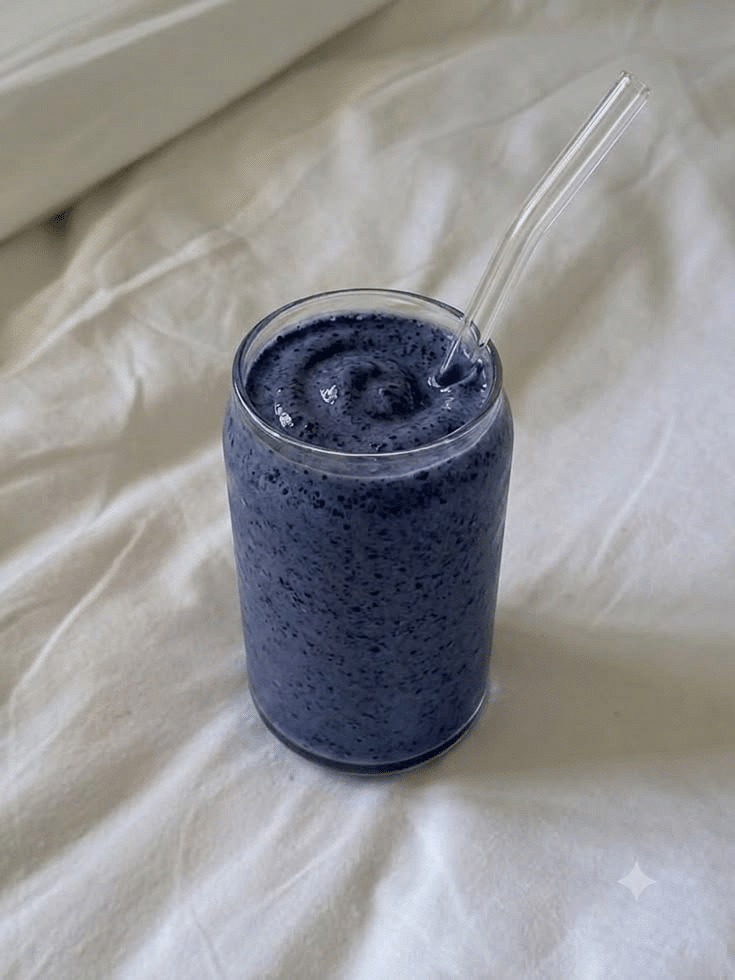
A simple smoothie can be useful when drinking feels easier than eating a solid meal. You can combine fruit with yogurt, milk, or a suitable alternative to create a small, nutrient-containing drink.
Keep the recipe simple if your appetite is low. Banana, yogurt, and milk are enough for a basic smoothie. You can add berries or another soft fruit if desired.
Avoid making the smoothie excessively large. A smaller portion may be easier to finish and less overwhelming.
If you are experiencing nausea, very sweet or strongly flavored smoothies may not appeal to you. In that case, choose a milder combination or focus on fluids that you can tolerate.
Smoothies can also be adjusted based on dietary needs. For example, lactose-free milk or plant-based alternatives can be used if appropriate for you.
Remember that smoothies can be filling, so sipping slowly may be easier than drinking quickly.
11. Soft Noodles
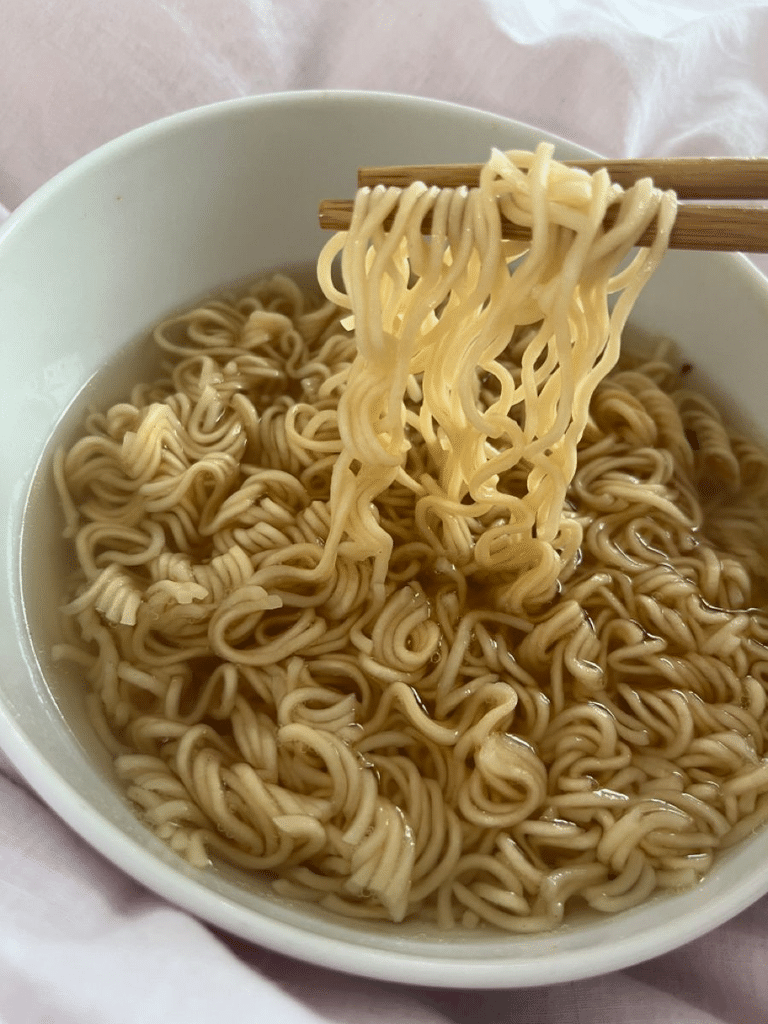
Plain or lightly seasoned noodles can be an easy option when you want something warm and filling but do not have much appetite.
Cook the noodles until they are soft and keep the seasoning mild. You can add a small amount of broth to make them easier to eat.
If you feel able to eat more, add a little scrambled egg, shredded chicken, tofu, or soft vegetables.
Avoid very spicy sauces, heavy cream sauces, or large amounts of oil if your stomach feels sensitive.
Noodles can also be served in a simple broth to create a light noodle soup. This provides both fluid and carbohydrates in one dish.
Start with a small portion and eat slowly. If you find that warm food is comforting, a small bowl can be an appealing alternative to a cold snack.
The versatility of noodles makes them useful because you can adjust the texture, flavor, and ingredients according to how you feel.
12. Avocado on Toast
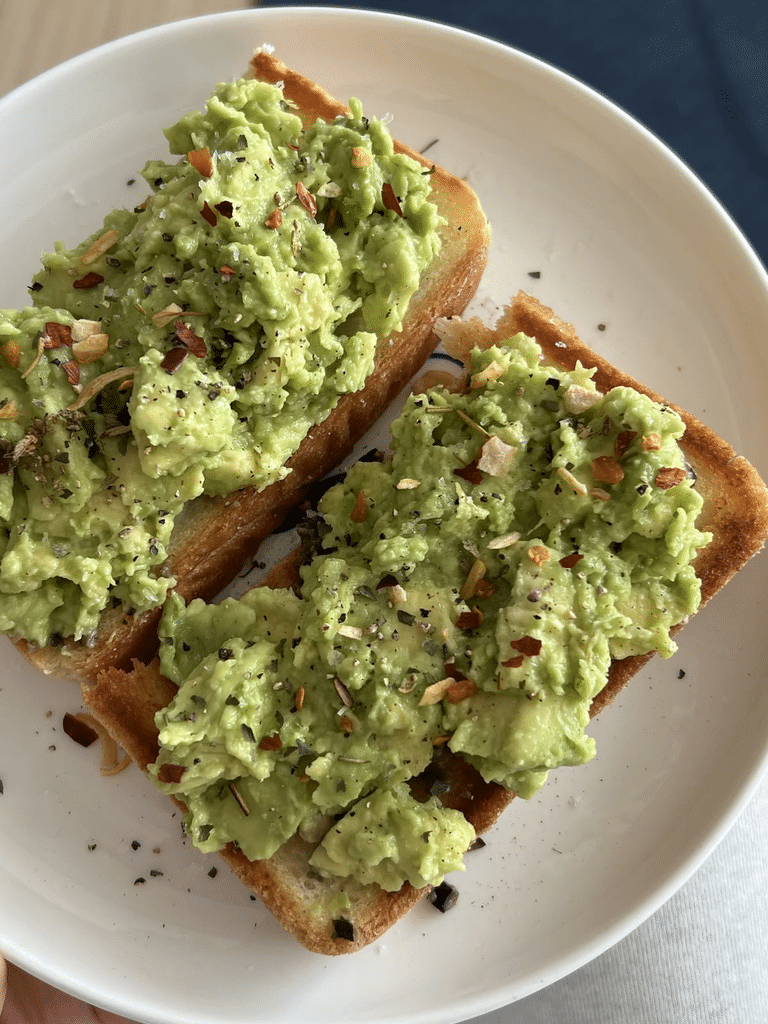
Avocado toast can be a gentle option when you want something slightly more substantial but still simple. Mash ripe avocado onto soft toast and keep the seasoning mild.
Avocado provides energy and healthy fats, while toast supplies carbohydrates. If you tolerate eggs, adding a small scrambled or boiled egg can increase the protein content.
You do not need to make a large portion. Half a slice of toast topped with a small amount of avocado may be enough when your appetite is low.
If rich foods tend to make you feel uncomfortable, use a smaller amount of avocado and see how you respond.
You can also replace toast with soft rice or crackers if that is easier for you.
The combination can be particularly useful when you are gradually transitioning from very light foods back toward normal meals.
Keep the toppings simple and focus on textures and flavors that you already know you tolerate.
13. Rice Porridge or Congee
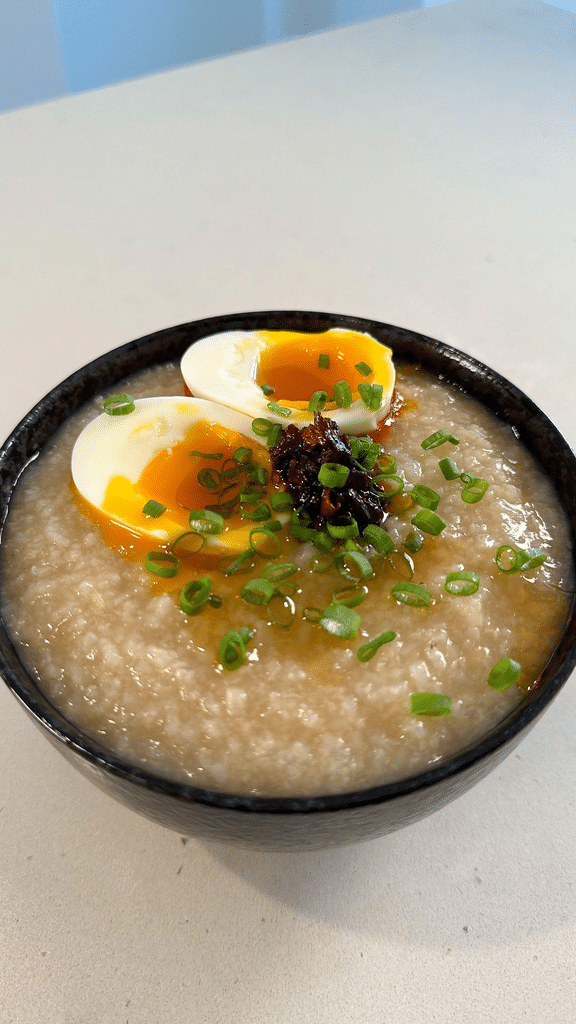
Rice porridge, often called congee, is a gentle meal made by cooking rice with plenty of water or broth until it becomes very soft.
Because the rice breaks down during cooking, the finished dish has a smooth, soft consistency. You can keep it plain or add mild ingredients such as shredded chicken, soft vegetables, or a little egg.
This makes congee particularly flexible. On days when your appetite is very low, you can have a small bowl of plain porridge. As your appetite improves, you can gradually add more ingredients.
Keep the seasoning mild if strong flavors are unappealing. You can also prepare a larger batch and refrigerate portions for later use, following safe food-storage practices.
Rice porridge is especially comforting when you prefer warm foods and want something that feels more substantial than crackers or toast.
The most important thing is to listen to your body’s tolerance and avoid forcing a large serving when you are not hungry.
Short Summary
When you have no appetite, small portions of simple, gentle foods may be easier to manage than large or heavy meals. Options such as soup, rice, oatmeal, bananas, toast, yogurt, eggs, mashed potatoes, smoothies, noodles, avocado toast, and rice porridge can provide energy and nutrients while remaining relatively easy to prepare. Try eating slowly and choosing foods based on what feels comfortable rather than forcing yourself to eat a particular item. Staying hydrated is also important, particularly when poor appetite occurs alongside illness. If a lack of appetite is severe, persistent, or accompanied by concerning symptoms, seek advice from a healthcare professional.
Frequently Asked Questions
1. What should I eat if I have no appetite at all?
Start with small amounts of foods that are easy to tolerate, such as soup, toast, rice, oatmeal, banana, yogurt, or a simple smoothie. You do not necessarily need to eat a full meal at once.
2. Should I eat small meals when I have no appetite?
Small, frequent meals or snacks can be easier to manage than large meals for some people. Try eating modest portions throughout the day based on your tolerance.
3. What can I drink when I don’t feel like eating?
Water, oral rehydration solutions when appropriate, clear soups, and other fluids you normally tolerate can help maintain hydration. If you have been vomiting or have significant diarrhea, seek medical guidance about appropriate fluid replacement.
4. Are bananas good when you have no appetite?
A ripe banana can be a convenient, soft food that provides carbohydrates and potassium. However, dietary needs vary, particularly for people with certain medical conditions.
5. Is soup good when you have no appetite?
A simple soup can be a practical option because it provides fluid and can contain easily eaten ingredients such as rice, noodles, vegetables, or chicken.
6. What foods should I avoid when my appetite is low?
If they make you feel worse, you may want to temporarily avoid very greasy, spicy, strongly flavored, or heavy foods. Your individual tolerance is important.
7. How long can you have a poor appetite?
The duration depends on the underlying cause. If your poor appetite persists, keeps returning, causes unintended weight loss, or makes it difficult to maintain adequate food and fluid intake, contact a healthcare professional.
8. When should I seek medical help for loss of appetite?
Seek medical advice if loss of appetite is persistent or severe, or if it occurs with symptoms such as repeated vomiting, significant dehydration, severe pain, confusion, difficulty breathing, or unexplained weight loss. Urgent symptoms should be assessed promptly.