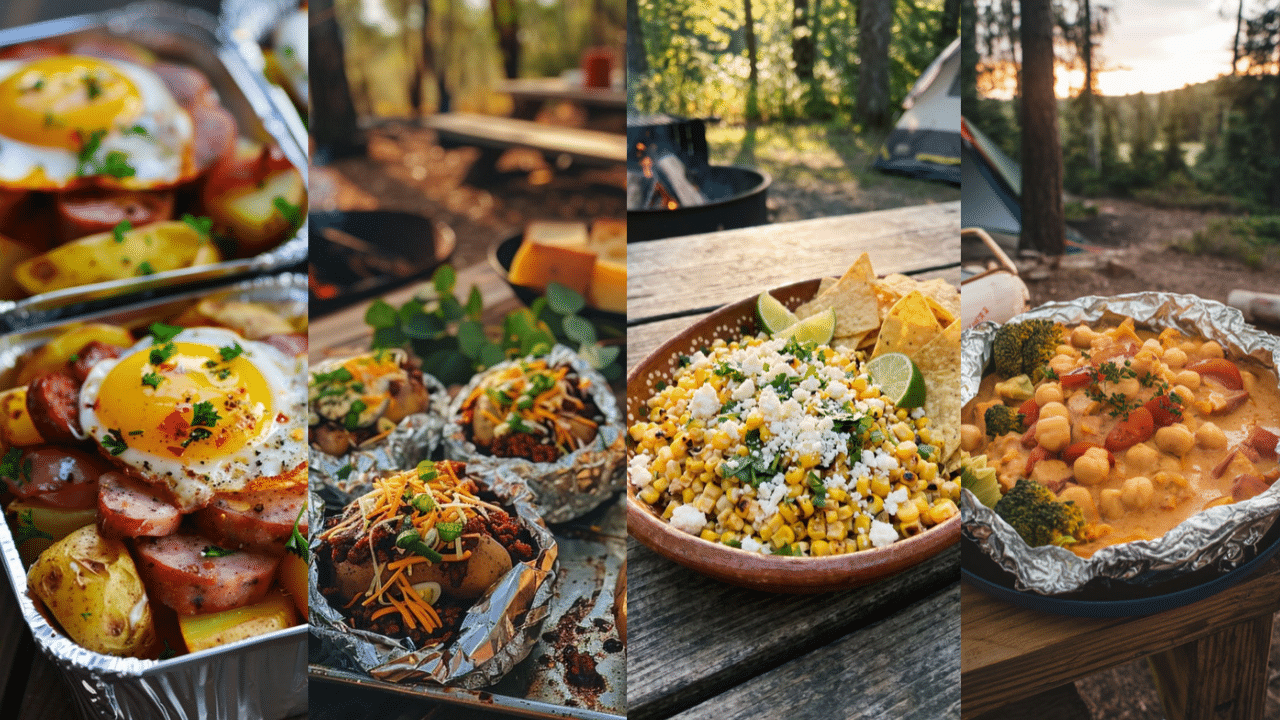
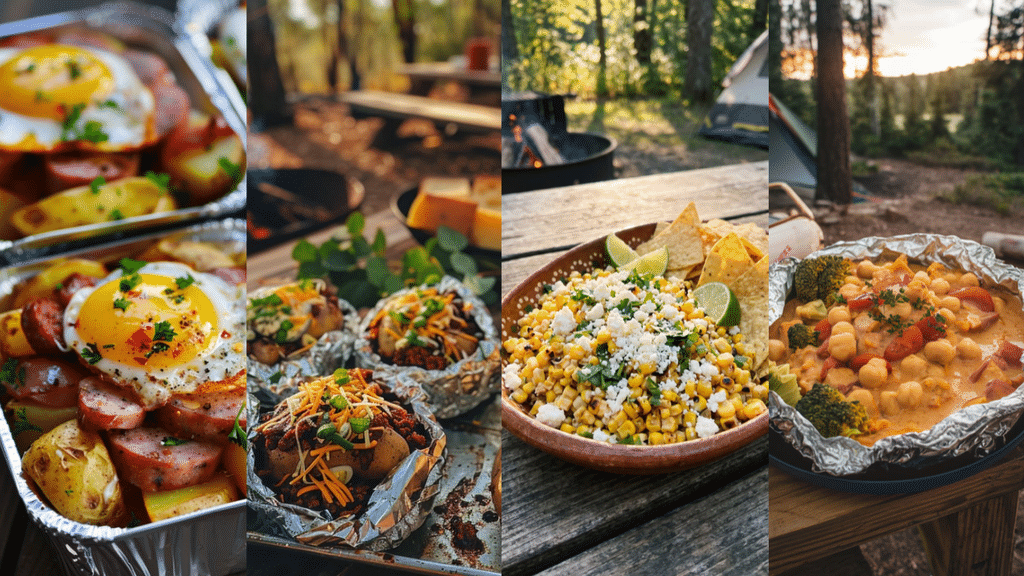
Camping meals do not have to mean spending every evening chopping vegetables and cooking from scratch. Premade camping food can make outdoor trips much easier because most of the preparation is done at home. You can portion ingredients, cook complete meals in advance, and pack everything into containers so that campsite cooking becomes a matter of reheating, assembling, or adding a few fresh ingredients.
Preparing camping food ahead of time is especially useful for busy camping trips, family vacations, road trips, and weekends when you want to spend more time hiking and exploring. Premade meals can also help you control portions, reduce food waste, and avoid bringing a large collection of ingredients and cooking equipment.
The best make-ahead camping meals are filling, easy to transport, and simple to reheat. Think pasta salads, breakfast burritos, chili, sandwiches, wraps, cooked rice bowls, muffins, and snack boxes. The ideas below include a mixture of premade camping meals, breakfasts, lunches, dinners, and snacks so you can prepare a practical menu before leaving home.
1. Make-Ahead Breakfast Burritos
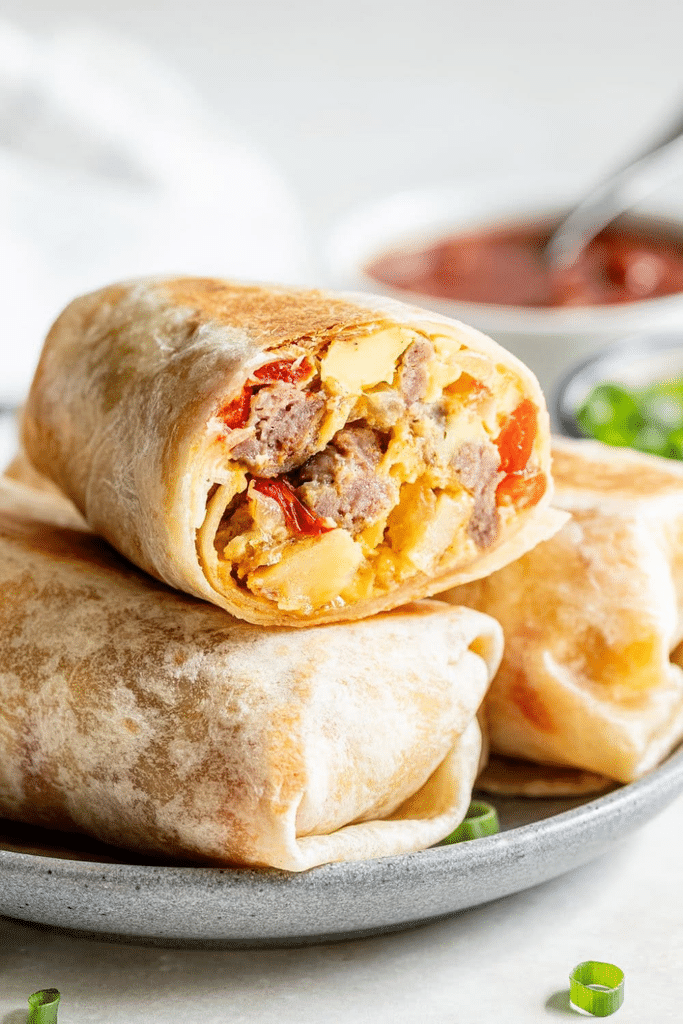
Breakfast burritos are one of the easiest premade camping foods because they can be prepared, wrapped, and refrigerated or frozen before your trip.
Fill tortillas with scrambled eggs, cooked potatoes, cheese, beans, and breakfast sausage or bacon. You can also add peppers, onions, spinach, or other vegetables.
Wrap each burrito individually in foil or another suitable food-safe wrapping material. At camp, warm them over a camp stove, skillet, or other appropriate heat source.
Make several different varieties if you are camping with a group. Vegetarian burritos can contain eggs, beans, potatoes, cheese, and vegetables, while meat versions can include sausage or bacon.
They are filling, portable, and require very little campsite preparation.
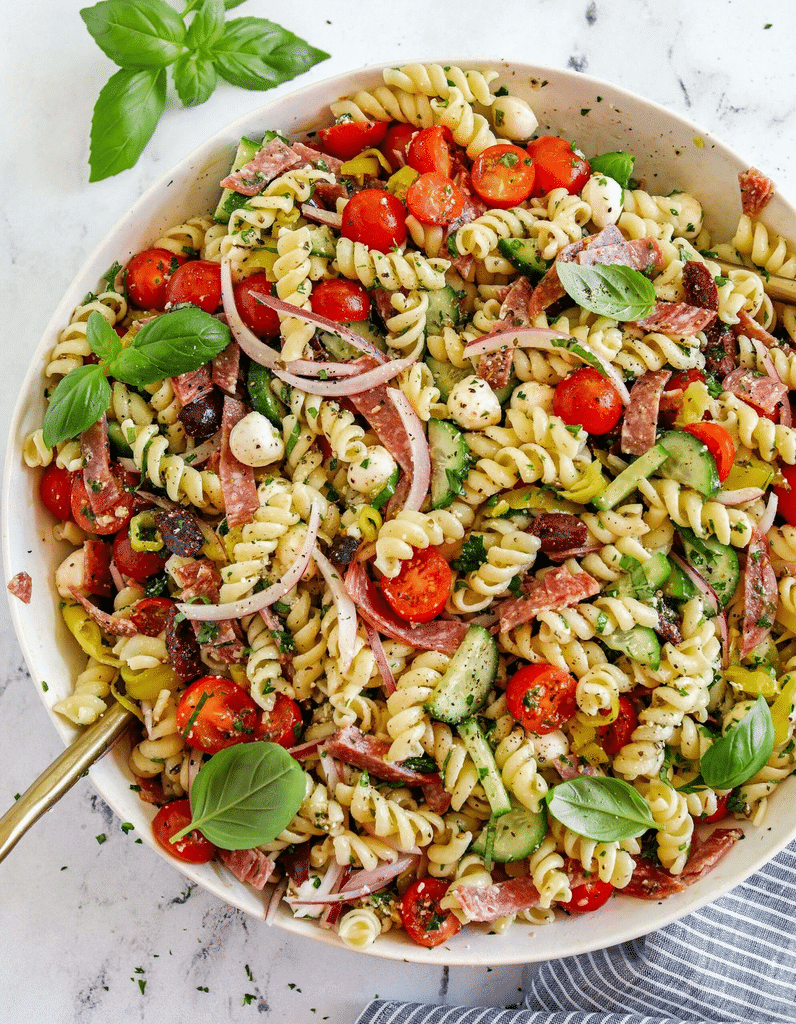
2. Premade Pasta Salad
Pasta salad is a convenient cold camping lunch because it can be prepared entirely at home. Cook pasta, allow it to cool, and mix it with vegetables, cheese, beans, chicken, or another protein.
Add a dressing such as Italian dressing, pesto, or a simple olive-oil-based mixture. Cherry tomatoes, cucumbers, bell peppers, olives, and spinach are easy additions.
Keep the pasta salad properly chilled during transportation and storage. For longer trips, pack it in an insulated cooler with sufficient ice or cold packs.
Divide the salad into individual containers before leaving home so you can grab a ready-to-eat portion whenever you need lunch.
3. Homemade Camping Chili
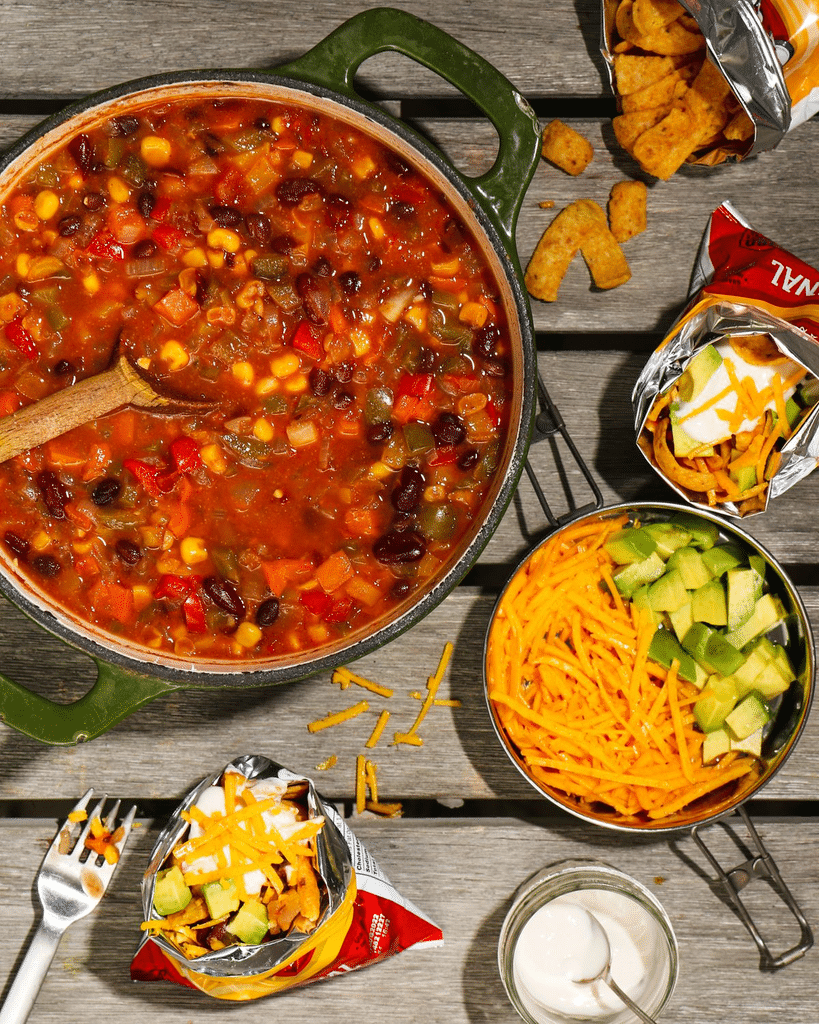
Chili is an excellent make-ahead camping dinner because it reheats easily and can be prepared in a large batch.
Cook ground beef or turkey with beans, tomatoes, onions, peppers, and chili spices at home. Allow it to cool appropriately before packing it into sealed containers and keeping it properly chilled.
At camp, reheat the chili in a pot over a camp stove or suitable cooking fire. Serve it with tortilla chips, bread, shredded cheese, or another topping.
For a vegetarian option, leave out the meat and use additional beans, lentils, or vegetables.
4. Pre-Made Sandwiches
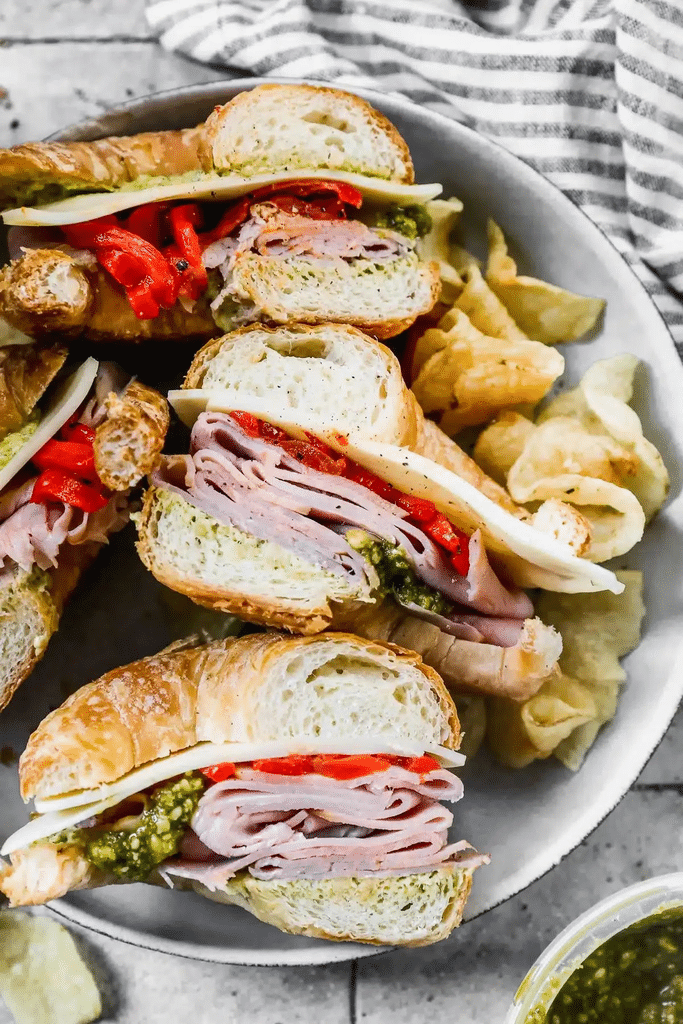
Sandwiches are one of the simplest premade camping foods for lunch or a quick dinner. Prepare them before leaving home using sturdy bread and fillings that travel well.
Turkey and cheese, chicken salad, peanut butter and banana, hummus and vegetables, or ham and cheese are a few options.
For sandwiches that need to stay fresh, pack them in individual containers or reusable bags and keep perishable fillings properly chilled.
You can also pack the ingredients separately and assemble sandwiches at camp if you are concerned about soggy bread.
5. Overnight Oats
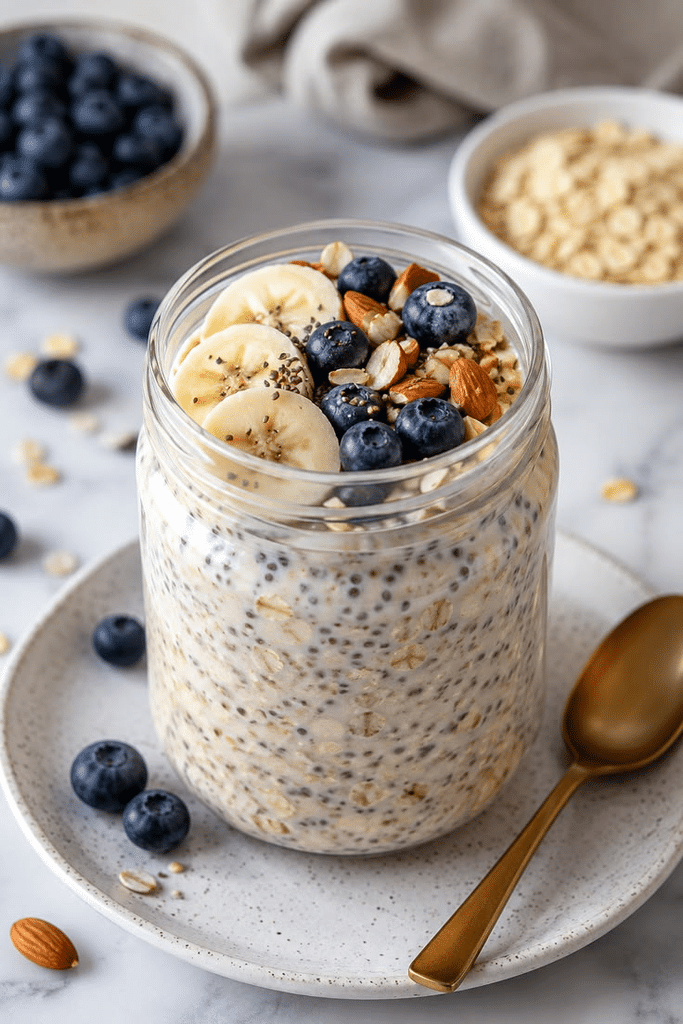
Overnight oats make an easy no-cook camping breakfast. Prepare individual jars or containers at home using rolled oats, milk or a suitable alternative, yogurt, chia seeds, fruit, and other toppings.
Popular combinations include banana and peanut butter, berries and yogurt, apple and cinnamon, or chocolate and banana.
Keep the containers chilled and eat them cold the next morning. For camping trips without reliable refrigeration, choose shelf-stable ingredients and prepare only what can be safely stored under your conditions.
The individual portions make breakfast simple and eliminate the need for cooking first thing in the morning.
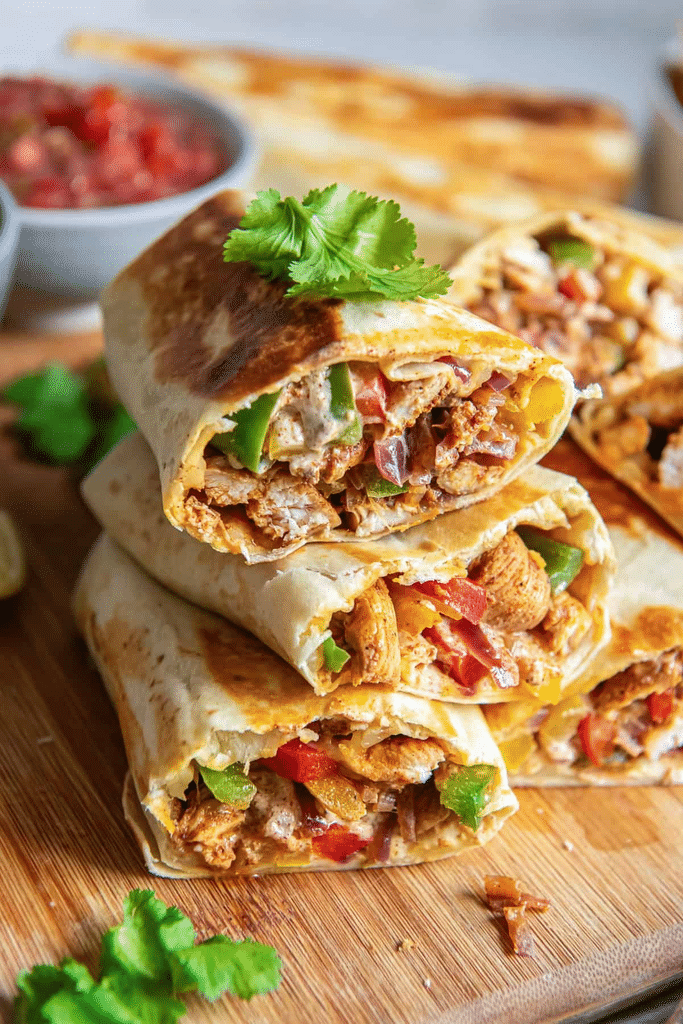
6. Premade Chicken Wraps
Chicken wraps are portable, filling, and easy to prepare before a camping trip. Cook chicken at home and allow it to cool before assembling wraps with tortillas, lettuce, cheese, and vegetables.
You can make different flavors using barbecue chicken, Mediterranean-style chicken, or simple seasoned chicken.
If using ingredients that can make tortillas soggy, such as dressing or juicy vegetables, pack them separately and assemble the wraps at camp.
Wrap each portion individually and keep perishable ingredients appropriately chilled. These are especially convenient for hiking lunches when you want something that can be eaten without utensils.
7. Homemade Trail Mix
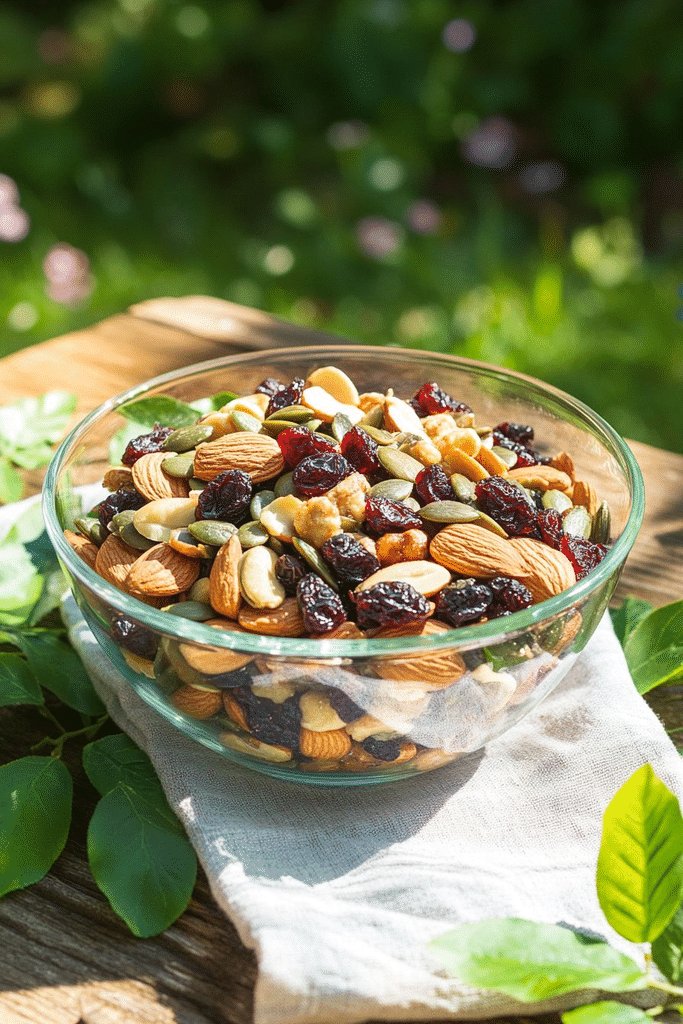
Trail mix is one of the easiest camping foods to prepare in advance because it requires no cooking. Combine nuts, seeds, dried fruit, pretzels, whole-grain cereal, coconut flakes, or other shelf-stable ingredients.
Create individual snack bags so everyone can take one on a hike. You can make different versions based on dietary preferences.
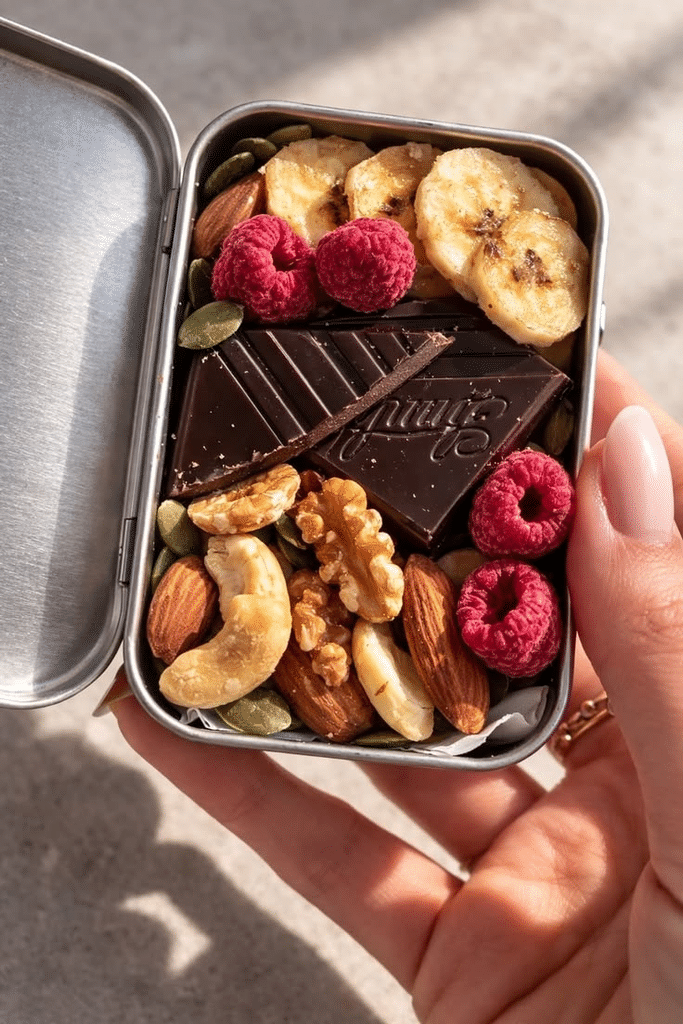
For a sweeter combination, add a small amount of chocolate or dried banana. For a savory option, use roasted nuts, seeds, pretzels, and crackers.
Store trail mix in airtight containers or resealable bags to keep it fresh and easy to carry.
8. Pre-Cooked Rice and Chicken Bowls
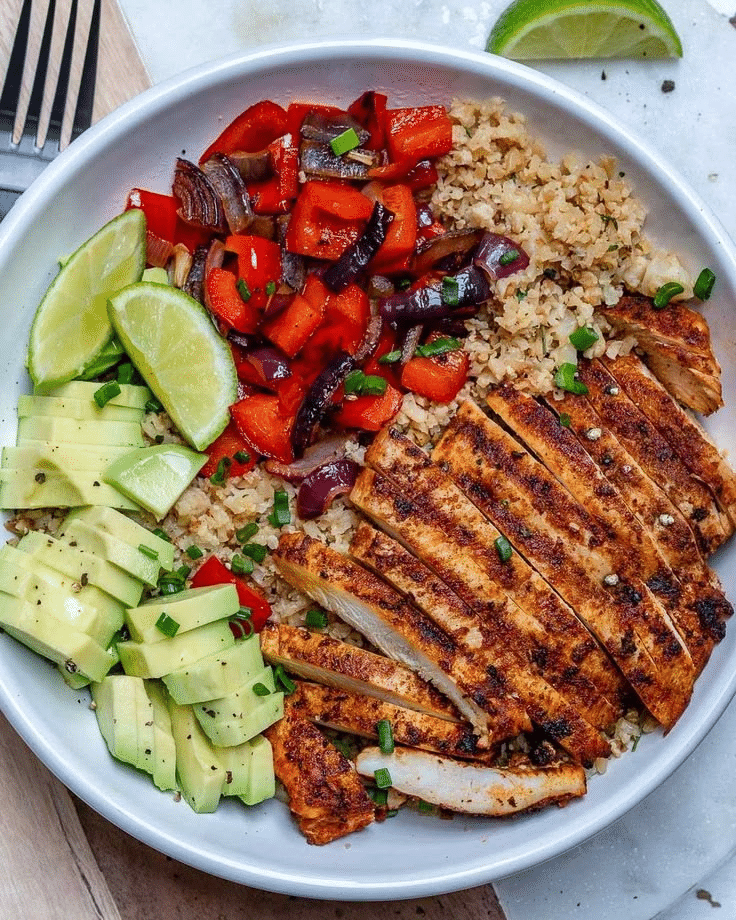
Rice and chicken bowls can be prepared at home and reheated at the campsite. Cook rice and seasoned chicken, then divide them into individual containers.
Add vegetables such as roasted broccoli, carrots, corn, peas, or bell peppers. Pack sauce separately if you want to keep the rice from becoming soggy.
At camp, heat the entire meal in a pot or skillet with a small amount of water or broth.
This is a great option for campers who want a substantial dinner without having to prepare raw meat outdoors.
9. Homemade Muffins
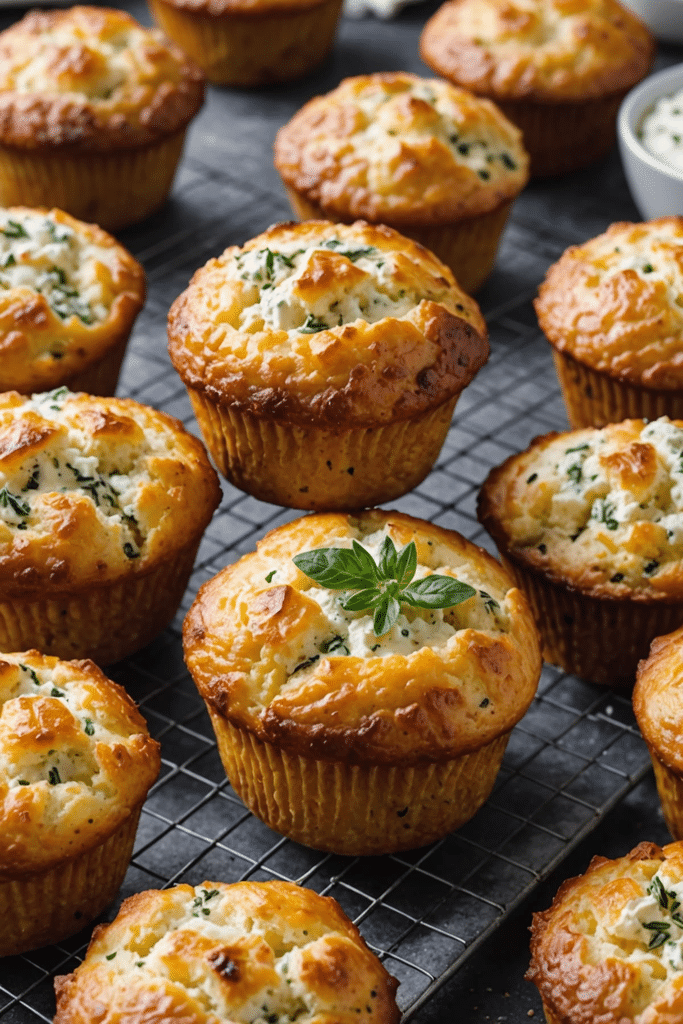
Muffins are an excellent premade camping breakfast or snack because they travel well and require no refrigeration when made with suitable ingredients.
Bake blueberry, banana, apple cinnamon, carrot, or chocolate chip muffins at home. Allow them to cool completely before packing them in an airtight container.
You can make mini muffins for snacks or larger muffins for breakfast. Pair them with fruit, nut butter, yogurt, or another suitable breakfast food.
Muffins are particularly useful for early mornings when you want to eat something quickly before starting a hike or other outdoor activity.
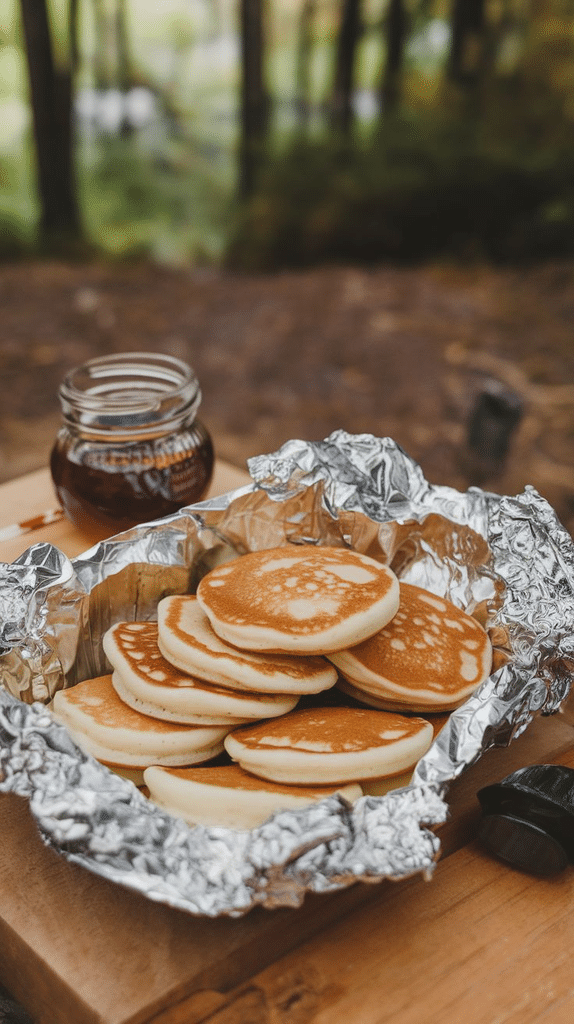
10. Premade Pancake Mix
Prepare a homemade dry pancake mix before your trip by combining flour, baking powder, sugar, and other dry ingredients. Store it in a sealed container or bag.
At camp, add the required wet ingredients and cook the pancakes on a camp stove or suitable griddle.
For an even easier option, prepare pancake batter at home only if you can keep it safely refrigerated throughout transportation and storage.
Pack small containers of syrup, nut butter, jam, or dried fruit for toppings. Pancake mix is a fun choice for relaxed camping mornings.
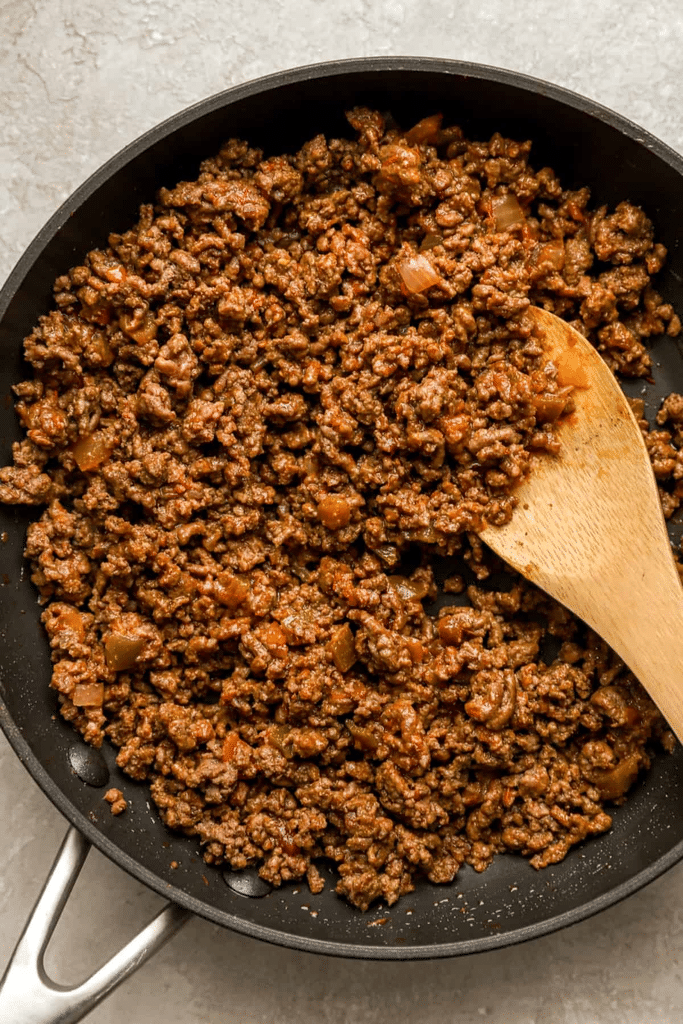
11. Pre-Cooked Taco Meat
Taco meat can be cooked at home and transported in a chilled container. At camp, simply warm it and serve it with tortillas or taco shells.
Add toppings such as shredded cheese, lettuce, tomatoes, salsa, avocado, or beans. Keep perishable toppings properly chilled.
You can prepare ground beef, turkey, chicken, or a plant-based filling depending on your preferences.
This is especially useful for families because everyone can build their own tacos. It also reduces campsite cooking time and minimizes the number of ingredients you need to prepare outdoors.
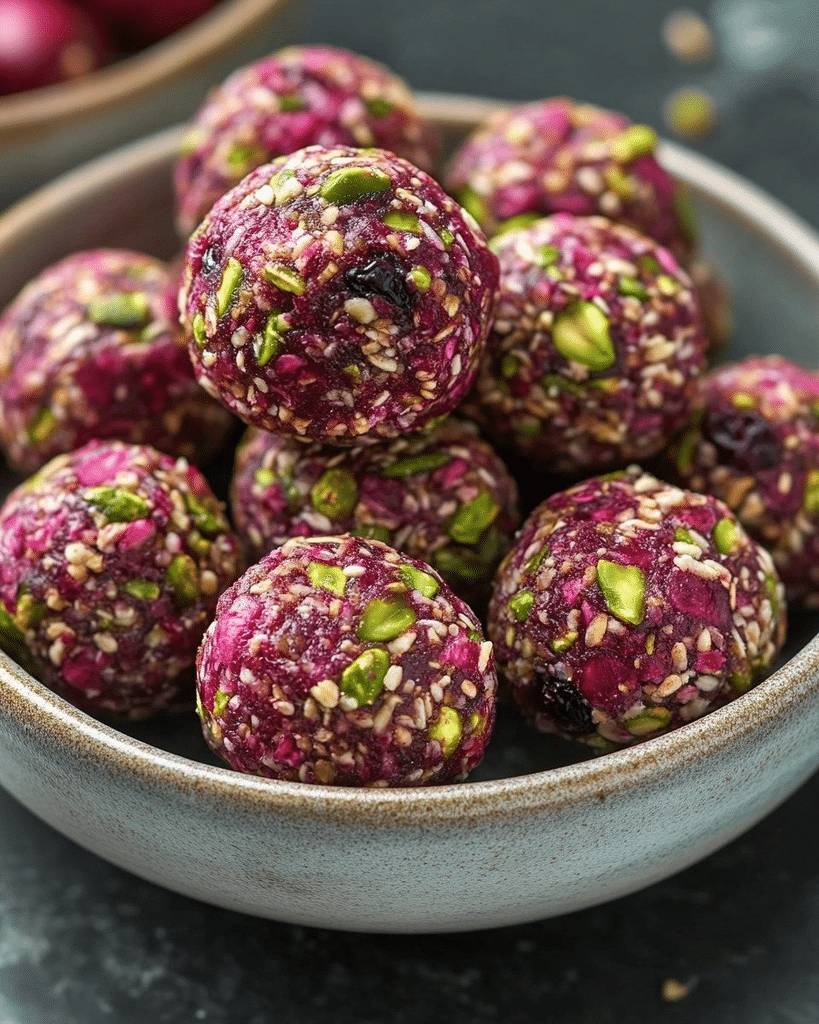
12. Homemade Energy Bites
No-bake energy bites are convenient snacks for hiking and camping. Combine ingredients such as oats, peanut butter or another nut butter, seeds, dried fruit, and a small amount of honey.
Roll the mixture into small balls and chill them before packing. Keep them in a suitable container and follow appropriate food-safety practices for the ingredients used.
You can make different flavors with coconut, cocoa, cinnamon, raisins, or dried cranberries.
Pack individual portions so they are easy to grab during a hike. They are compact, require no utensils, and can help make outdoor snacking more convenient.
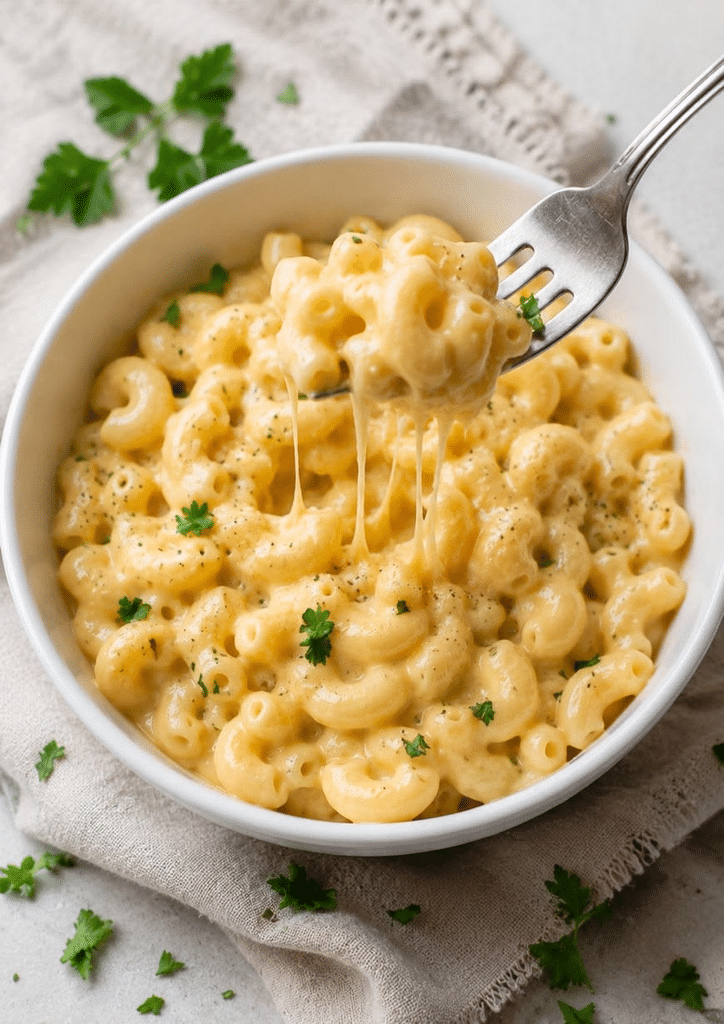
13. Premade Mac and Cheese
Homemade mac and cheese can be prepared ahead of time and transported as a chilled meal. Cook the pasta and cheese sauce at home, then divide it into heat-safe containers.
At camp, reheat it gently in a pot or skillet. Add a splash of milk if the sauce becomes too thick.
You can mix in cooked chicken, broccoli, peas, or bacon for a more substantial meal.
This is particularly appealing for family camping trips because it is familiar, comforting, and easy to customize.
14. Breakfast Sandwiches
Make-ahead breakfast sandwiches are another convenient option for busy camping mornings. Assemble English muffins, bagels, or sturdy bread with cooked eggs, cheese, and breakfast meat.
Wrap each sandwich individually and keep them properly chilled. At camp, reheat them in foil over appropriate heat or use a camp stove and skillet.
You can also make vegetarian versions with egg, cheese, spinach, mushrooms, or roasted peppers.
Prepare several sandwiches at once so everyone can grab one for breakfast without waiting for a full meal to cook.

15. Homemade Snack Boxes
Snack boxes are a simple way to organize several small foods into one portable meal. Prepare individual containers with combinations such as cheese, crackers, fruit, nuts, hard-boiled eggs, vegetables, hummus, and dried fruit.
Create different combinations depending on whether the box is intended for breakfast, lunch, hiking, or an afternoon snack.
Keep perishable foods properly chilled and separate foods that need different storage conditions.
Snack boxes are especially useful for families because each person can have their own container. They also reduce the need to carry large packages of individual ingredients.
Tips for Preparing Premade Camping Food
- Plan your menu first: Decide how many breakfasts, lunches, dinners, and snacks you need before shopping.
- Portion meals at home: Individual containers make serving much easier at the campsite.
- Label everything: Add the meal name and date to containers so you can quickly identify what you packed.
- Use sturdy containers: Choose leak-resistant containers that can handle transportation.
- Keep perishable foods cold: Meat, dairy, eggs, cooked meals, and other perishable foods need appropriate temperature control.
- Freeze some meals: When suitable, frozen meals can act as additional cold sources while traveling and can thaw gradually.
- Pack sauces separately: This helps prevent wraps, salads, and sandwiches from becoming soggy.
- Choose easy-to-reheat foods: Chili, pasta, rice bowls, taco meat, and casseroles are convenient choices.
- Bring shelf-stable snacks: Nuts, dried fruit, crackers, trail mix, and suitable energy bars can reduce reliance on refrigeration.
- Pack according to your trip length: Bring only as much refrigerated food as you can safely keep cold for the duration of the trip.
- Use a cooler efficiently: Keep the cooler organized so frequently needed foods are easy to access.
- Prepare simple meals for hiking days: Wraps, sandwiches, muffins, and snack boxes are easier to eat when you are away from camp.
Summary
Premade camping food can make outdoor trips much easier by moving most of the cooking and preparation to your kitchen at home. Breakfast burritos, pasta salads, chili, sandwiches, chicken wraps, rice bowls, muffins, taco meat, and snack boxes can all reduce the amount of work required at the campsite. The key is to choose meals that travel well, portion them before leaving, and store perishable foods at safe temperatures. With a little planning, you can spend less time cooking at camp and more time enjoying the outdoors while still having satisfying meals ready when you need them.
FAQ
1. What are the best premade foods for camping?
Breakfast burritos, chili, pasta salad, sandwiches, wraps, rice bowls, muffins, taco meat, and snack boxes are convenient options that can be prepared before leaving home.
2. Can I prepare camping meals several days ahead?
Many foods can be prepared ahead, but how far in advance depends on the ingredients and storage method. Perishable meals should be kept properly refrigerated or frozen and used within appropriate food-safety time limits.
3. What camping foods don’t need refrigeration?
Shelf-stable options can include trail mix, crackers, certain packaged snacks, some breads, dried fruit, nuts, and unopened shelf-stable foods. Always check the packaging and storage instructions.
4. How do I keep premade camping food cold?
Use a well-insulated cooler with sufficient ice or frozen cold packs. Keep the cooler closed as much as possible and organize it so you can quickly retrieve what you need.
5. Can I freeze premade camping meals?
Some meals, such as chili, cooked meat dishes, burritos, and certain casseroles, can be frozen successfully. Check how the specific ingredients respond to freezing and thawing before preparing large quantities.
6. What is a good premade camping breakfast?
Breakfast burritos, overnight oats, muffins, breakfast sandwiches, and prepared pancake mix are all practical options.
7. What is a good premade camping lunch?
Sandwiches, chicken wraps, pasta salad, snack boxes, and trail mix are convenient choices, especially when you are planning a day of hiking.
8. What premade camping meals are good for dinner?
Chili, chicken and rice bowls, taco meat, premade mac and cheese, and other cooked meals that can be reheated are useful camping dinners.
9. How can I reduce dishes while camping?
Prepare as much as possible at home, portion meals into individual containers, and choose foods that can be reheated in one pot or eaten directly from their containers.
10. How should I pack homemade camping food?
Use sealed, leak-resistant containers or bags, label each meal, separate raw and cooked foods, and keep all perishable items properly chilled during transportation and storage.