Autumn is one of the most inspiring seasons for creative projects. Falling leaves, warm colors, pumpkins, acorns, cozy landscapes, and changing trees provide endless ideas for painting, drawing, collage, and mixed-media art. You do not need expensive supplies or advanced artistic skills to enjoy autumn art. Simple materials such as paper, crayons, paint, leaves, cardboard, and markers can become beautiful seasonal artwork with a little imagination.
The best thing about autumn art is that it can be adapted for almost any age. Young children can explore colors and textures through simple leaf crafts, while older kids and adults can experiment with watercolor landscapes, textured paintings, and more detailed compositions. These projects are also great for classrooms, homeschool activities, family craft afternoons, or a relaxing creative weekend at home. Whether you want an easy fall craft for children or a more artistic project for yourself, there are plenty of ways to bring the feeling of autumn into your artwork.
Here are 12 creative autumn art ideas that encourage imagination, experimentation, and seasonal creativity for all ages.
1. Autumn Leaf Painting
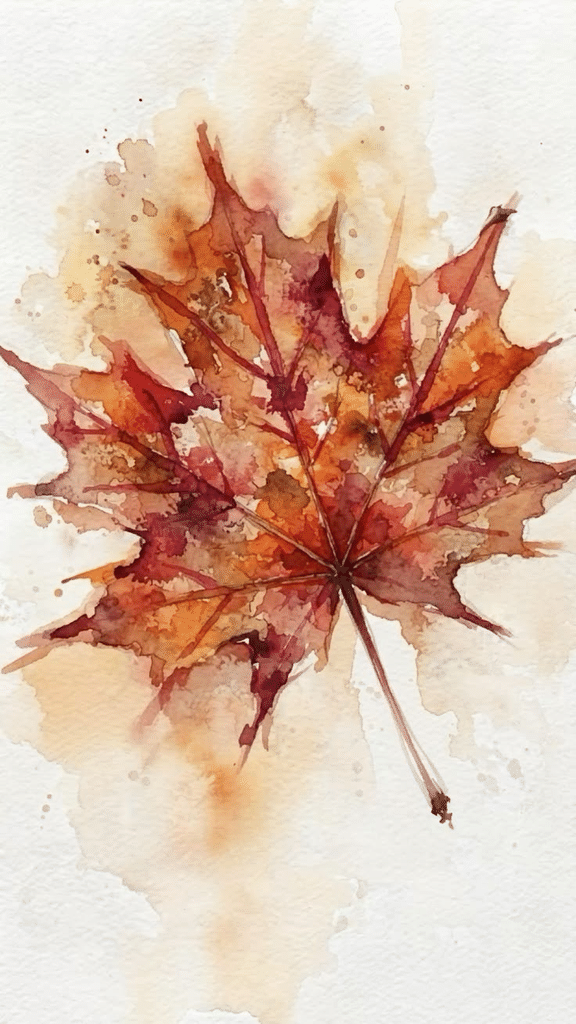
Autumn leaves are one of the easiest natural materials to turn into art. Instead of simply collecting colorful leaves, use them as inspiration or painting tools for a creative seasonal project.
Start by gathering a few leaves with interesting shapes. You can paint directly onto the leaves using washable or acrylic paint and then press them onto paper to create leaf prints. Experiment with different colors, overlapping several leaves to create a layered autumn composition.
Another option is to trace leaf shapes onto paper and fill them with warm seasonal colors such as orange, yellow, red, brown, and muted green. Children can practice identifying different leaf shapes while experimenting with color combinations.
Adults and older children can take the idea further by creating a detailed leaf collage or arranging several printed leaves into a tree, wreath, or abstract design.
This project is inexpensive, easy to customize, and perfect for different age groups. If collecting leaves outdoors, choose clean, dry leaves and avoid picking them from protected areas.
2. Handprint Autumn Tree
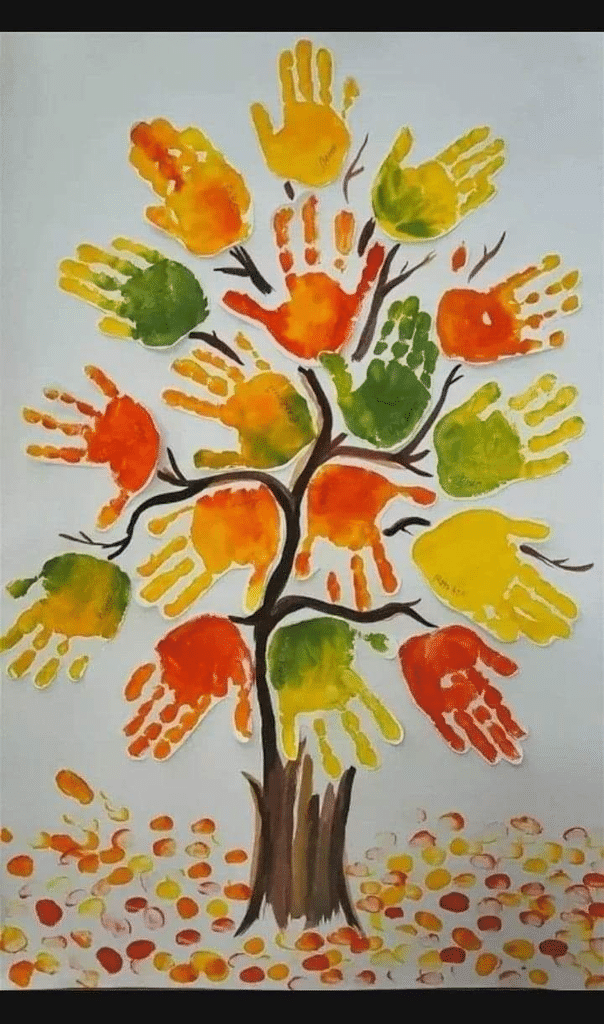
A handprint autumn tree is a fun project for younger children and can also become a sentimental keepsake for families.
Begin by creating the trunk and branches of a tree on a large sheet of paper. Children can then use their fingertips or fingerprints to create colorful autumn leaves around the branches.
Use several seasonal colors to make the tree look full and vibrant. You can create red, orange, yellow, and brown fingerprints or let children invent their own autumn palette.
For a classroom project, each child can make an individual tree and write their name or a short autumn message at the bottom. Families can also create a series of trees showing how children’s artwork changes as they grow.
Older children can add additional details such as grass, falling leaves, birds, clouds, or a small path beneath the tree.
The project requires only paper, paint, and a little creativity, making it an excellent low-cost autumn art activity. It also encourages children to explore texture while creating a recognizable seasonal image.
3. Watercolor Autumn Landscape
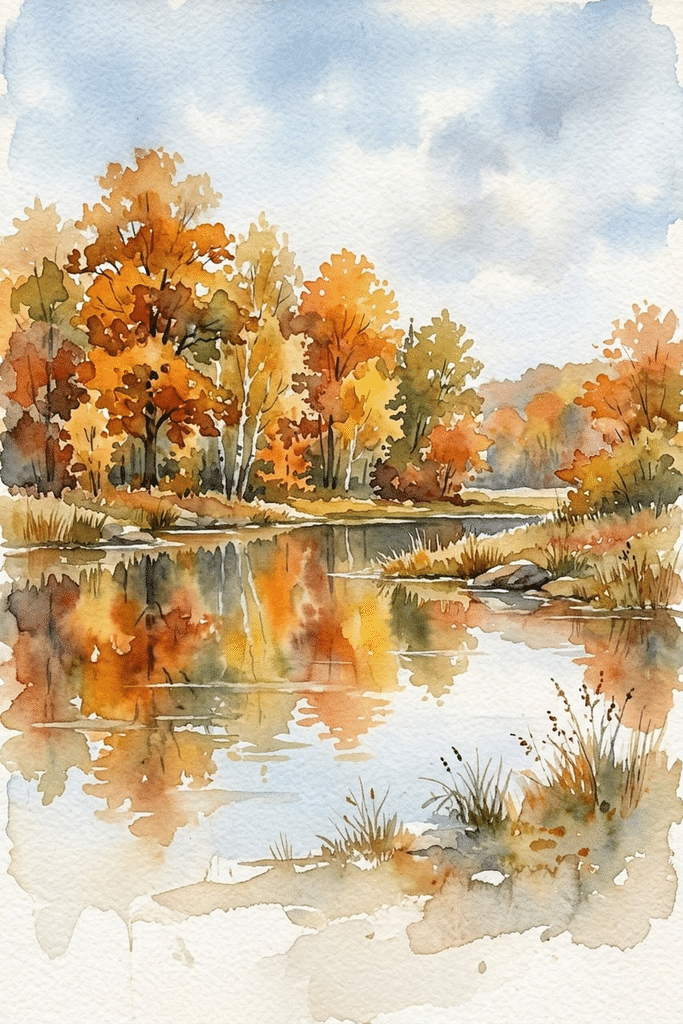
Watercolor is a wonderful medium for capturing the soft atmosphere of autumn. A simple landscape can feature colorful trees, distant hills, a winding path, and a cloudy sky.
Begin with a light pencil sketch before adding watercolor. Use pale washes for the background and gradually add stronger colors to the foreground. Experiment with orange, golden yellow, reddish brown, muted green, and soft blue.
Younger children can create simple trees using basic shapes, while older artists can experiment with perspective, shadows, and atmospheric effects.
One fun technique is to paint the background first and then add small dots or brushstrokes in autumn colors to represent distant leaves. You can also use a dry brush to create texture on tree trunks.
Do not worry about making the landscape photorealistic. Autumn art works beautifully when it has a loose, expressive quality.
Once the painting dries, add small details with colored pencils or fine markers if desired. Frame the finished artwork or use it as seasonal wall décor.
4. Paper Plate Autumn Wreath
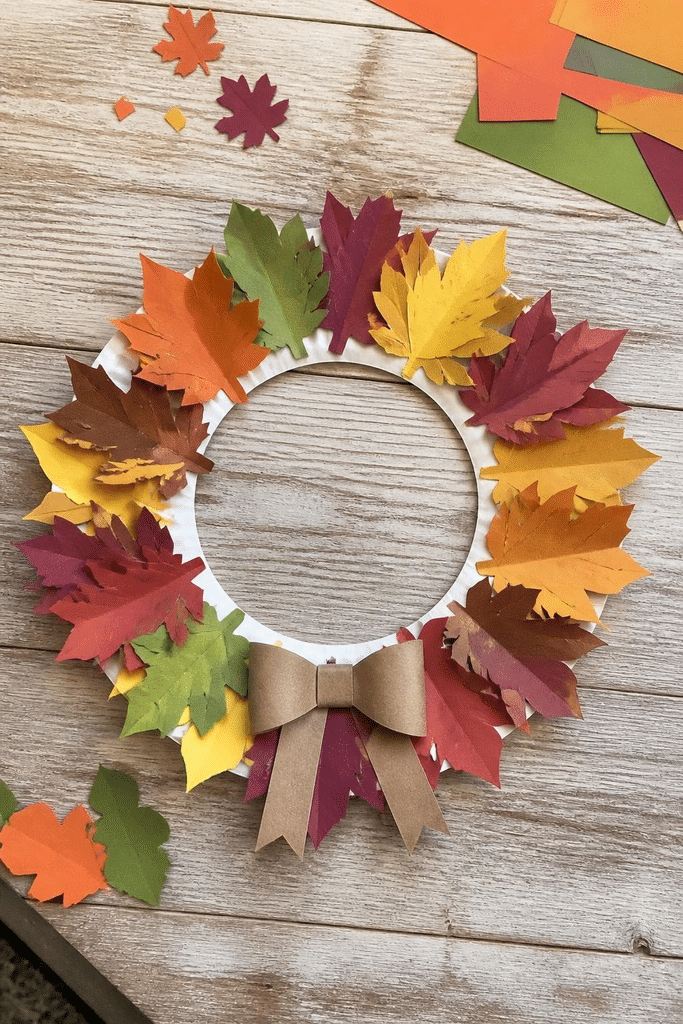
Create a colorful autumn wreath using a paper plate as the base. This project is particularly suitable for children because it combines cutting, coloring, painting, and arranging.
Cut out the center of a paper plate to create a circular wreath shape. Then decorate it with paper leaves in different autumn colors. You can draw leaf shapes onto colored paper and cut them out, or create your own patterns with crayons and markers.
Arrange the leaves around the plate and glue them into place. Add small paper pumpkins, acorns, berries, or simple flowers for additional decoration.
Older children can experiment with layered leaves and different textures. Adults can create a more sophisticated version using cardstock, dried leaves, ribbon, and natural materials.
The finished wreath can be displayed on a classroom door, bedroom wall, or interior door.
This project is especially useful when you want a seasonal decoration that does not require complicated crafting skills.
5. Pumpkin Still-Life Drawing
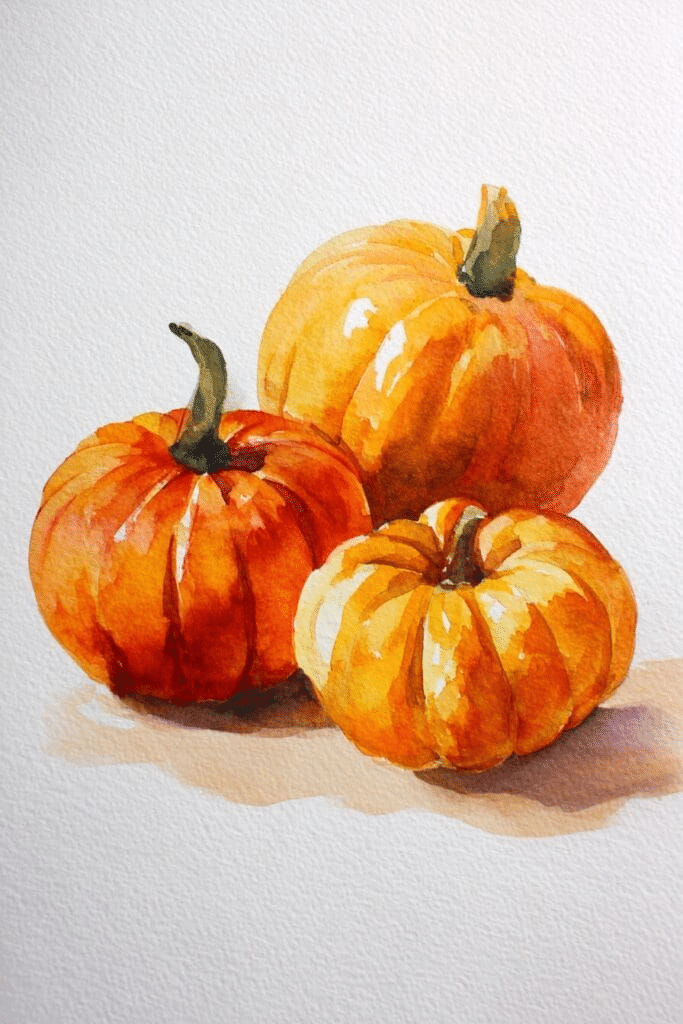
Pumpkins are a classic autumn subject and make an excellent introduction to still-life drawing.
Place one or several pumpkins on a table and observe their shapes, shadows, stems, and textures. Younger children can draw simplified pumpkins using curved lines, while older artists can focus on proportion, shading, and realistic details.
Start with light pencil lines to establish the basic shape. Add curved lines across the pumpkin to show its sections, then gradually build darker areas around the edges and underneath the stem.
Colored pencils, crayons, markers, pastels, or paint can all be used to finish the artwork.
You can also create an imaginative pumpkin still life by adding apples, leaves, books, mugs, candles, or other seasonal objects.
The project teaches observation skills while providing plenty of room for creativity. Each person can interpret the same pumpkin arrangement differently, making it an excellent activity for families or classrooms.
6. Autumn Tree with Tissue Paper Leaves
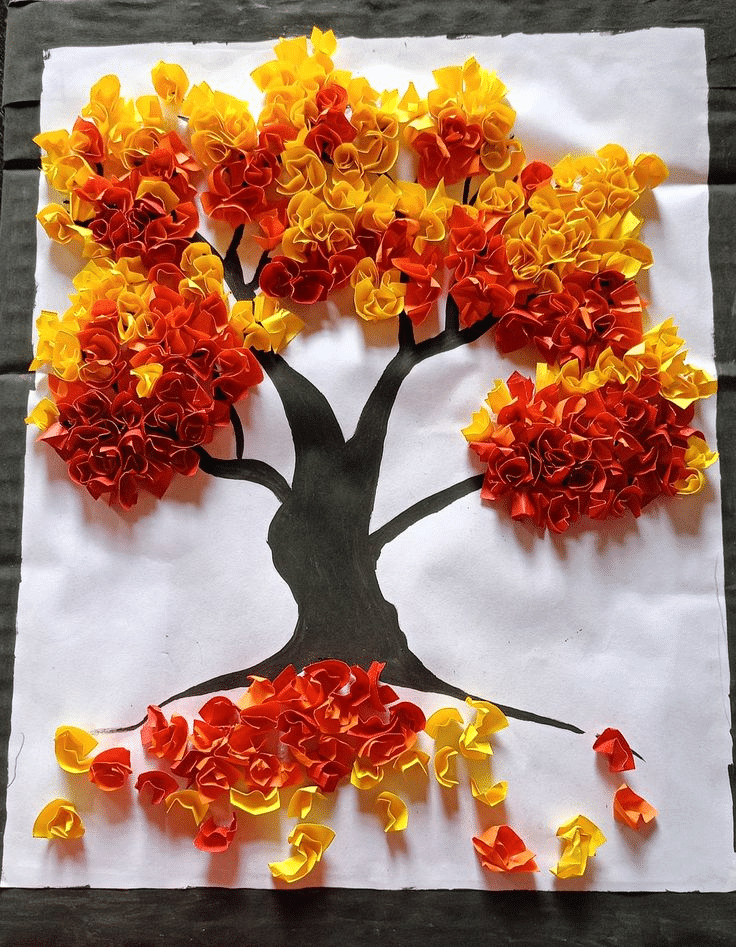
Tissue paper is perfect for creating colorful autumn leaves with plenty of texture.
Draw a tree trunk and branches onto cardstock or construction paper. Cut small pieces of tissue paper in colors such as red, orange, yellow, and brown. Scrunch each piece gently into a small shape and glue it onto the branches.
You can make the tree dense with leaves or allow some branches to remain visible. Add a few loose tissue-paper leaves below the tree to create the appearance of falling leaves.
Younger children can focus on gluing and arranging colors, while older children can create more detailed tree shapes and layered backgrounds.
For an interesting variation, use different shades of the same color to create depth. You could also add a sunset background using watercolor or colored paper.
The combination of paper texture and warm colors makes this project especially attractive when displayed as seasonal artwork.
7. Leaf Rubbing Art
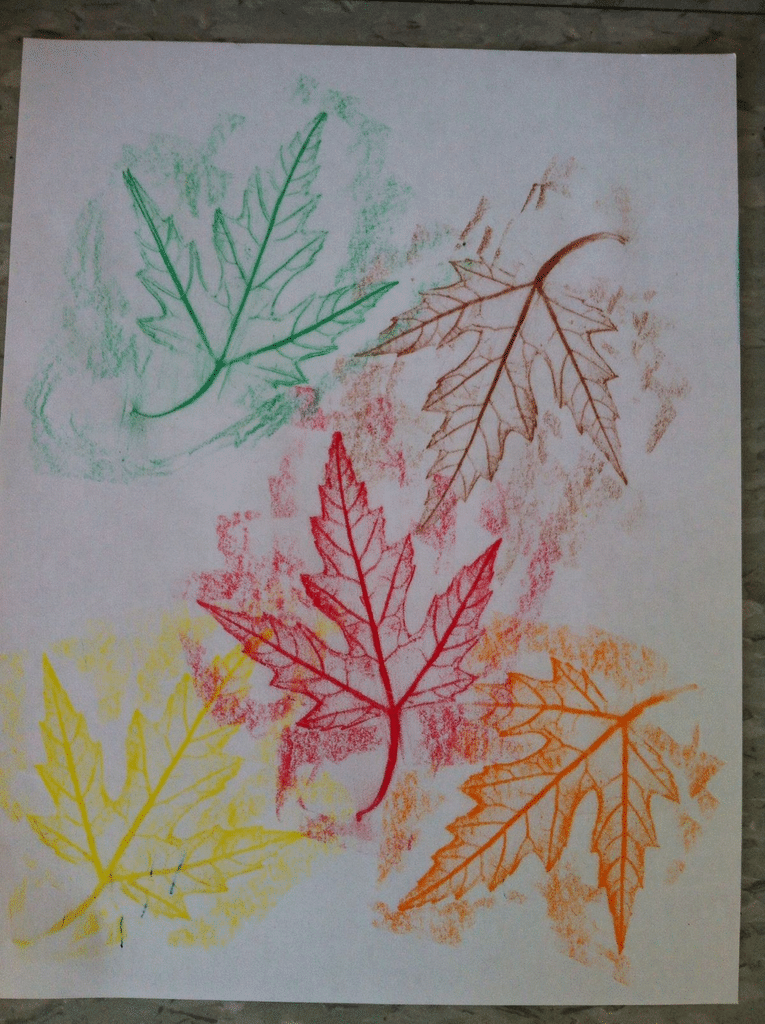
Leaf rubbing is one of the simplest autumn art activities, but it can produce surprisingly beautiful results.
Place a dry leaf underneath a sheet of thin paper with the textured side facing upward. Hold the paper securely and gently rub a crayon sideways across the surface. The leaf’s veins and shape should gradually appear through the paper.
Experiment with different leaves and colors. You can overlap several rubbings to create an autumn collage or arrange them into the shape of a tree, wreath, or large seasonal design.
Children can learn about leaf textures and patterns while practicing gentle hand movements. Adults can create more sophisticated compositions by combining multiple colors and layering different leaf shapes.
You can also cut out finished leaf rubbings and use them to make greeting cards, bookmarks, gift tags, or wall art.
This project requires very few supplies, making it ideal for classrooms, rainy afternoons, or spontaneous family art sessions.
8. Autumn Sunset Silhouette Painting
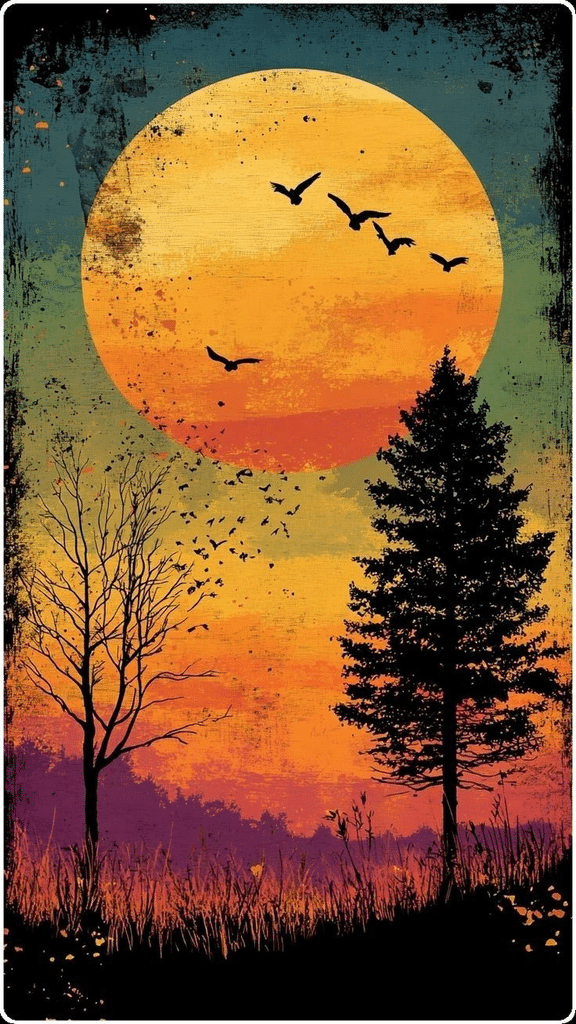
Create a dramatic autumn scene by combining a colorful sunset background with dark tree silhouettes.
Start by painting the sky using several warm colors. Blend shades gradually from lighter near the horizon to deeper tones toward the top of the page. Allow the background to dry completely.
Next, use dark paint or a marker to create silhouettes of tree branches, leaves, birds, hills, or a small house.
Younger children can use simple shapes to create their silhouettes, while older artists can experiment with detailed branches and layered landscapes.
The contrast between the warm background and dark foreground creates a striking finished piece without requiring complicated painting techniques.
You can also personalize the scene by adding a person walking, a bicycle, a cabin, or a winding path.
This activity is a great opportunity to experiment with blending, contrast, and composition while creating artwork that captures the cozy atmosphere of autumn evenings.
9. Recycled Cardboard Pumpkin Art
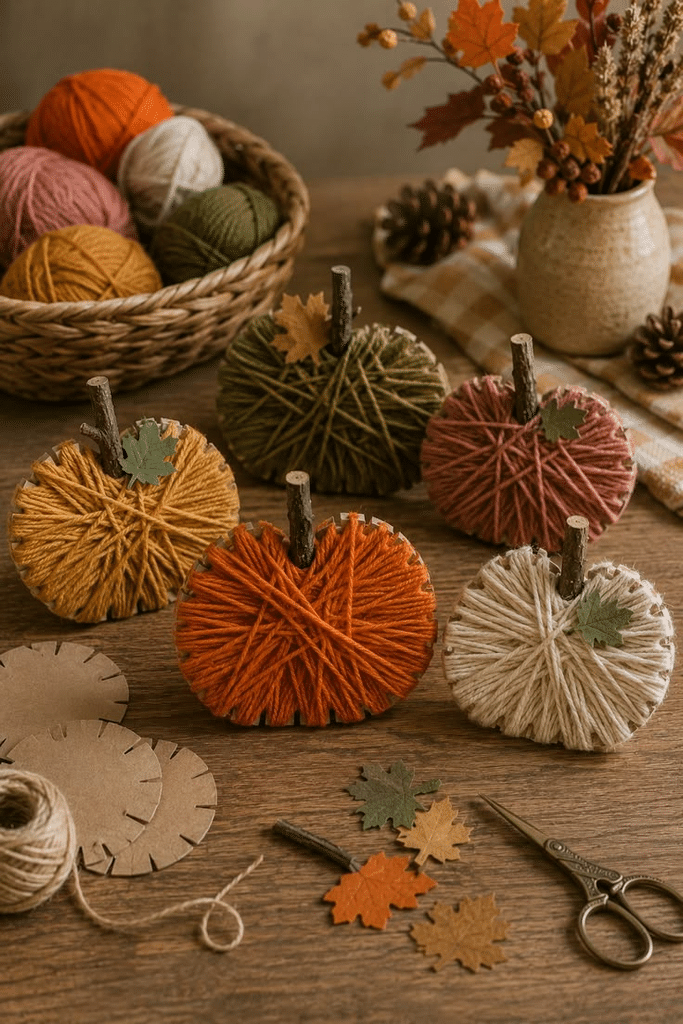
Turn ordinary cardboard into a creative autumn decoration or piece of wall art.
Cut a pumpkin shape from a piece of clean cardboard. Younger children can decorate it using paint, crayons, markers, or colored paper. Older children can experiment with layered cardboard pieces to create a three-dimensional effect.
Paint the pumpkin orange or use multiple shades to create texture. Add a brown cardboard stem and green paper leaves. You can also cover sections with patterned paper, fabric scraps, or tissue paper.
For a more artistic approach, leave some of the cardboard exposed and combine its natural brown color with autumn shades.
Create several pumpkins in different sizes and arrange them together as a seasonal display.
This project encourages creativity while giving old cardboard packaging a second use. It is particularly useful for classrooms or families looking for inexpensive craft materials.
10. Autumn Nature Collage
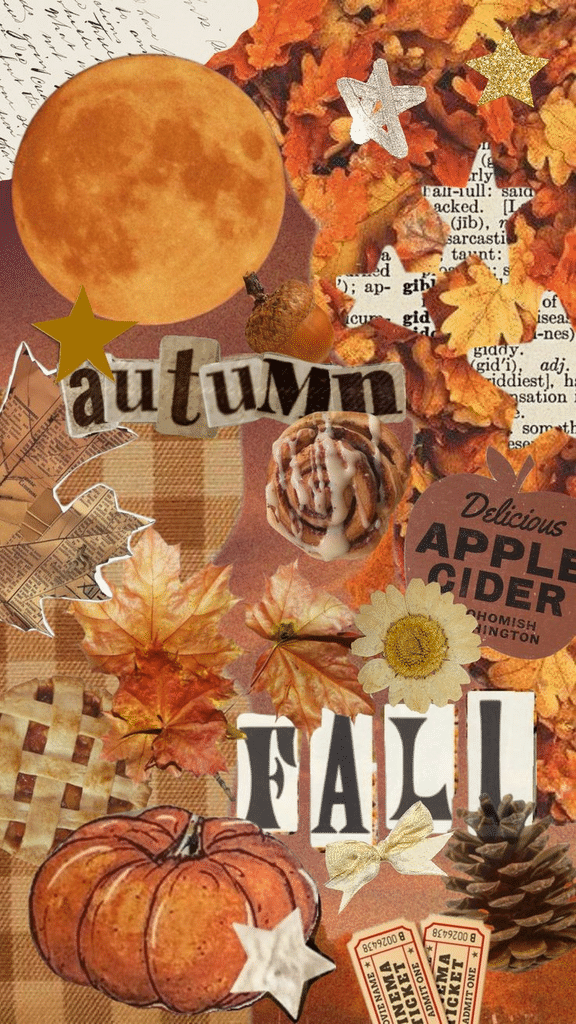
An autumn nature collage allows artists to combine different textures and natural materials into one composition.
Collect safe, dry materials such as fallen leaves, small twigs, grass, seed pods, or dried flowers. Arrange them on sturdy paper or cardboard before gluing anything down.
You can create a recognizable scene such as a tree, landscape, fox, owl, or pumpkin. Alternatively, arrange the materials into an abstract pattern based on color and texture.
Younger children can focus on sorting materials by color and shape. Older artists can think about composition, balance, and layering.
If you prefer not to use natural materials directly, photograph them or use paper versions instead.
Avoid collecting materials from protected areas or taking living plants. Choose naturally fallen items whenever possible.
The finished collage can have a wonderfully organic appearance and provides a different creative experience from traditional drawing and painting.
11. Autumn Animal Art
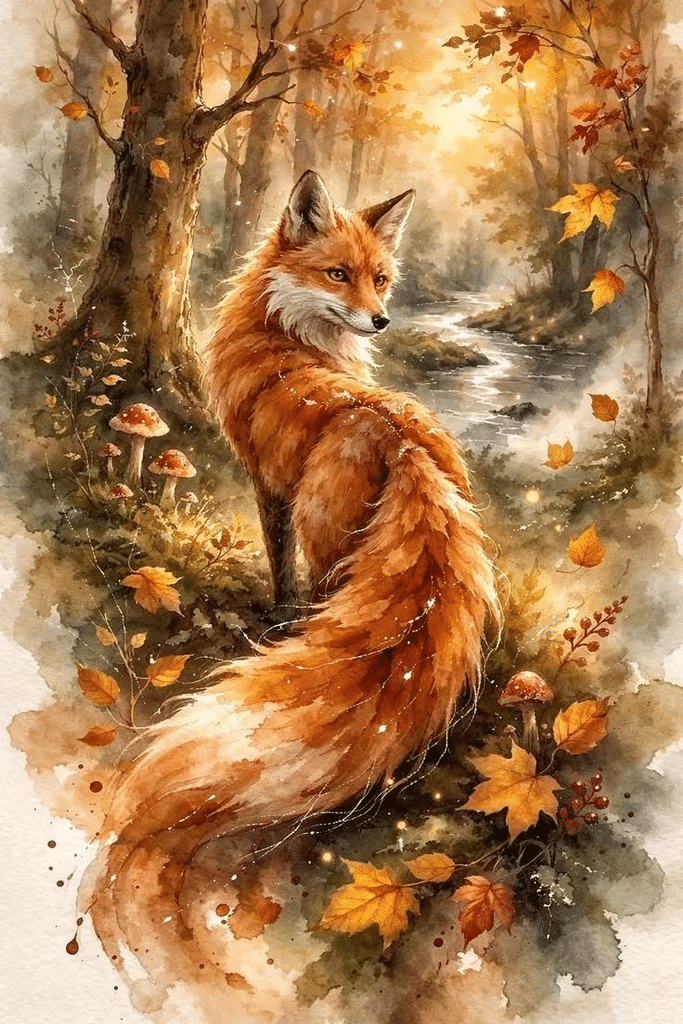
Autumn is a great time to create artwork featuring seasonal animals such as foxes, owls, squirrels, hedgehogs, or woodland birds.
Choose one animal as the main subject and surround it with autumn leaves, trees, acorns, pumpkins, or a woodland background.
Young children can draw simple animal shapes and fill them with autumn colors. Older children can experiment with more detailed fur, feathers, shadows, and backgrounds.
One fun approach is to create an animal from leaf shapes. For example, several leaves can become the body and tail of a fox, while smaller pieces can form its ears and facial details.
You can also use watercolor, colored pencils, paper collage, or mixed media.
This project encourages children to connect seasonal changes with the natural world while giving them freedom to choose their favorite animals and artistic style.
12. Autumn Mixed-Media Art Journal Page
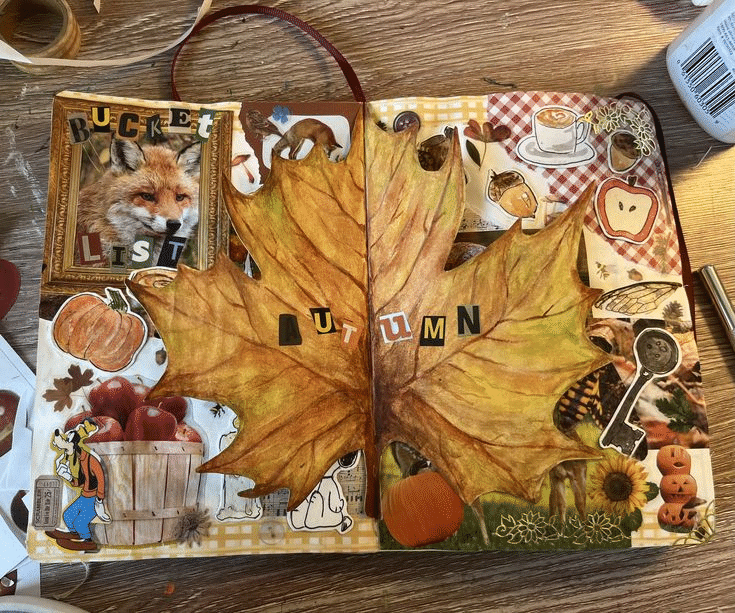
For older children, teens, and adults, an autumn mixed-media art journal page can combine several techniques into one creative project.
Start with a blank journal page or thick sheet of paper. Add a painted background using autumn colors, then layer drawings, leaf rubbings, paper scraps, handwritten words, stamps, or small collage pieces.
You could create a page around a theme such as “Things I Love About Autumn,” “Cozy Autumn Weekend,” or “My Favorite Fall Colors.”
Experiment with different textures and materials rather than worrying about making every element perfect.
This activity can also become a seasonal memory project. Add small notes about favorite meals, places visited, books read, activities enjoyed, or memorable moments.
Adults may enjoy using the page as a relaxing creative journaling exercise, while teens can use it to experiment with personal artistic styles.
Because mixed-media art has very few rules, it is an excellent final project for anyone who wants to explore creativity without following a strict template.
Short Summary
These 12 creative autumn art ideas offer something for every age and skill level. From simple leaf rubbings and fingerprint trees to watercolor landscapes, pumpkin drawings, nature collages, and mixed-media journal pages, each project can be adapted to suit different abilities. Many require inexpensive or recycled materials, making them ideal for classrooms, families, and cozy afternoons at home. The most important part is not creating perfect artwork but experimenting with autumn colors, textures, shapes, and seasonal inspiration. Choose one project, gather a few simple supplies, and enjoy creating something that captures the warmth and beauty of the season.
Frequently Asked Questions
1. What are some easy autumn art projects for kids?
Leaf rubbings, fingerprint trees, paper plate wreaths, tissue-paper trees, and cardboard pumpkins are all simple autumn art projects for children.
2. What materials are useful for autumn art?
Common supplies include paper, cardboard, crayons, markers, paint, colored pencils, glue, tissue paper, and naturally fallen leaves.
3. What autumn art can toddlers do?
Toddlers can enjoy simple activities such as finger painting, sponge painting, large leaf stamping, and creating colorful marks inspired by autumn.
4. What are good autumn art ideas for older children?
Older children can try watercolor landscapes, pumpkin still-life drawings, silhouette paintings, nature collages, animal artwork, and mixed-media projects.
5. Can adults enjoy these autumn art ideas too?
Absolutely. Many of these projects can be made more detailed or artistic for adults by experimenting with composition, textures, mixed media, and realistic drawing techniques.
6. How can I make autumn art without spending much money?
Use materials you already have at home, such as cardboard packaging, paper scraps, crayons, old magazines, and naturally fallen leaves. Recycled materials can become excellent art supplies.
7. What colors work well for autumn artwork?
Traditional autumn colors include orange, red, yellow, brown, gold, cream, and muted green. You can also add blue, purple, or pink for a more creative interpretation.
8. How can I display autumn artwork?
Finished pieces can be framed, hung on a wall, displayed on a refrigerator, turned into seasonal cards, or arranged together as a temporary autumn gallery.