Transforming your life and image in six months does not require becoming a completely different person overnight. Meaningful change often comes from small, consistent improvements in your habits, appearance, mindset, environment, and daily choices. Six months gives you enough time to establish routines, develop new skills, improve your confidence, and create a lifestyle that feels more aligned with the person you want to become. Whether you want to refresh your wardrobe, improve your health habits, become more organized, or build a stronger sense of self, the process begins with realistic goals and regular action.
A personal transformation should be about feeling more confident and comfortable in your own life rather than trying to meet someone else’s expectations. Your image includes more than clothing or physical appearance. It also reflects your posture, communication style, energy, self-care habits, surroundings, and the way you treat yourself and others. By focusing on a few meaningful changes each month, you can create progress without overwhelming yourself. The following twelve ideas offer practical ways to refresh your lifestyle, improve your presentation, and build a stronger relationship with yourself over a six-month period.
1. Define the Person You Want to Become
The first step in transforming your life and image is deciding what you genuinely want to change. Without a clear direction, it is easy to jump between goals or compare yourself with other people. Take some time to imagine what you would like your life to look and feel like six months from now.
Think about different areas, including your daily routine, appearance, confidence, relationships, finances, career, health habits, and personal interests. Ask yourself questions such as, “What do I want more of in my life?” and “Which habits are no longer helping me?” Your answers can help you identify meaningful priorities.
Write down three to five realistic goals and explain why each one matters. For example, instead of simply writing “look better,” you might choose to develop a simple personal style, create a consistent skincare routine, or improve your posture.
Review your goals every month and adjust them when necessary. Personal growth is not always linear, and your priorities may change as you learn more about yourself.
2. Create a Consistent Morning Routine
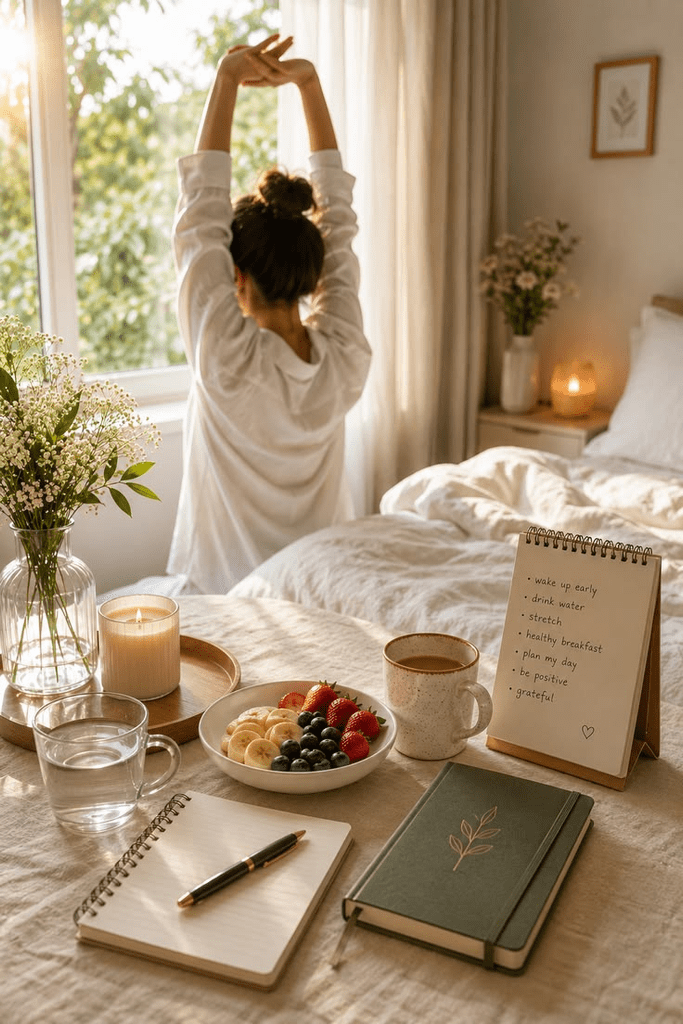
A well-planned morning routine can help you begin the day with greater structure and intention. You do not need to wake up extremely early or follow a complicated schedule. The goal is to create a few habits that help you feel prepared and focused.
Start by choosing a realistic wake-up time and giving yourself enough space to get ready without rushing. Drink some water, open the curtains, make your bed, and spend a few minutes reviewing your priorities for the day.
You might also include gentle stretching, journaling, reading, or a short walk. Avoid trying to add ten new habits at once. Begin with two or three actions that are easy to repeat.
A consistent morning routine can influence how you approach the rest of the day. After several months, simple actions such as preparing your clothes, organizing your schedule, and planning breakfast may become automatic.
Your routine should support your lifestyle rather than create additional pressure. Choose habits that make you feel calm, prepared, and more connected to your goals.
3. Refresh Your Personal Style

Updating your wardrobe can be a practical way to transform your image and express your personality. You do not need to purchase an entirely new wardrobe. Start by examining what you already own and identifying the pieces you wear most often.
Remove clothing that no longer fits comfortably, suits your lifestyle, or makes you feel confident. Then look for gaps in your wardrobe. You may need versatile basics, comfortable shoes, a well-fitting jacket, or a few accessories that make simple outfits feel more intentional.
Experiment with color combinations, silhouettes, textures, and layering. Save outfit ideas that reflect your preferred style and use them as inspiration rather than strict rules.
Pay attention to fit and comfort because these can make a major difference in how an outfit looks and feels. Keep a few reliable outfit combinations ready for busy mornings.
If your budget is limited, make gradual changes through thoughtful purchases, clothing care, and creative styling. A refreshed personal style should feel authentic, practical, and sustainable for your everyday life.
4. Build a Simple Self-Care Routine
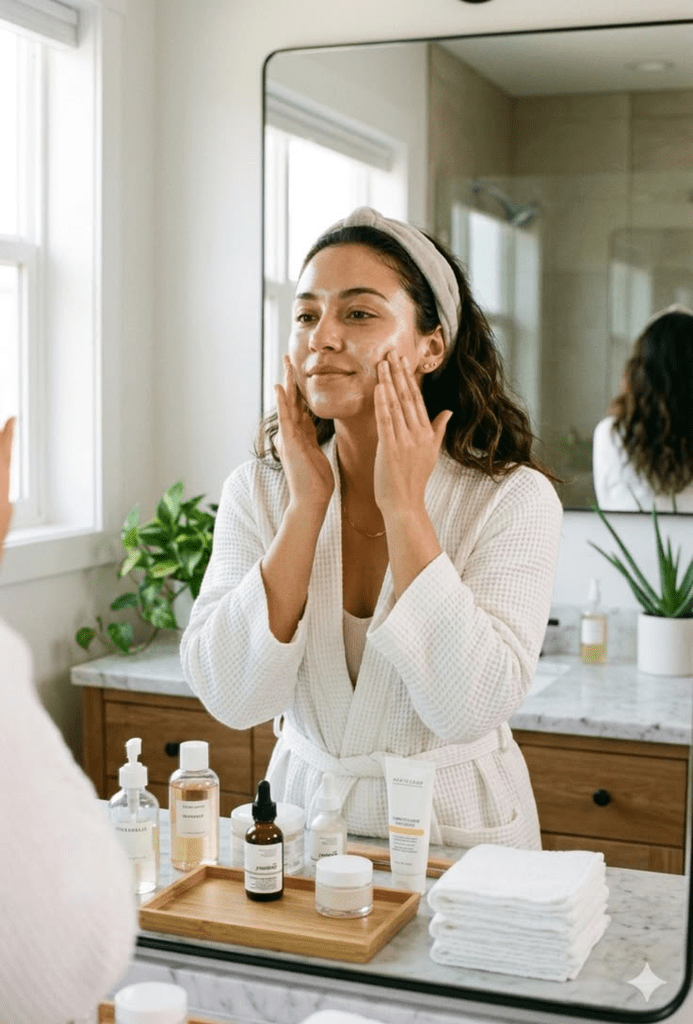
Self-care can help you feel more comfortable, refreshed, and confident in your daily life. It does not need to involve expensive products or lengthy beauty rituals. A simple routine that you can maintain consistently is often more useful.
Create a basic skincare routine suited to your skin’s needs. This might include gentle cleansing, moisturizing, and daytime sun protection. If you introduce new products, add them gradually and pay attention to how your skin responds.
You can also improve other areas of personal care, such as hair maintenance, nail care, dental hygiene, and keeping your clothes clean and well-presented.
Set aside a little time each week for activities that help you recharge. A warm shower, relaxing bath, quiet reading session, or evening walk can become a valuable part of your routine.
The purpose of self-care is not perfection. It is about treating yourself with attention and consistency. Over six months, small improvements in your personal-care habits can help you feel more organized and comfortable in your own appearance.
5. Improve Your Sleep Habits

Better sleep can support your energy, concentration, mood, and ability to maintain other positive habits. If you want to transform your life in six months, improving your sleep schedule is a practical place to begin.
Try to go to bed and wake up at roughly consistent times, even on weekends when possible. Create a relaxing evening routine that signals to your body that the day is winding down.
Reduce unnecessary screen time before bed and keep your sleeping space comfortable, quiet, and reasonably cool. Avoid filling the final part of your evening with stressful tasks whenever possible.
You can prepare for the next morning by organizing your clothes, packing your bag, or writing down tomorrow’s priorities before getting into bed.
If your current sleep schedule is inconsistent, make changes gradually rather than attempting a dramatic adjustment overnight. Notice which habits help you feel more rested and repeat them.
Improving sleep may not create an immediate visible transformation, but it can make many other lifestyle changes easier to maintain.
6. Move Your Body Regularly
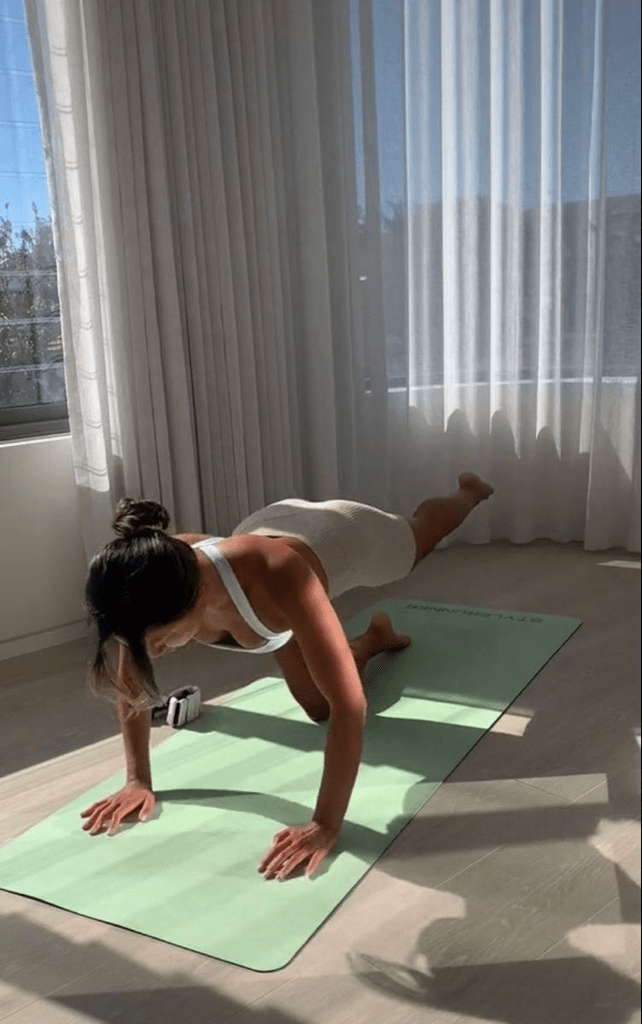
Regular movement can improve your energy, strength, mobility, and confidence. You do not need to follow an intense fitness program to make progress over six months. The most important factor is finding activities you enjoy and can perform consistently.
Start with manageable options such as walking, dancing, cycling, swimming, yoga, or beginner-friendly strength exercises. If you are new to exercise, begin slowly and increase the duration or intensity as your comfort improves.
Create a weekly movement schedule that fits your routine. For example, you might walk several days a week and add two short strength sessions.
Pay attention to how movement makes you feel rather than focusing only on appearance or numbers. Improved posture, greater stamina, and feeling more capable can all contribute to a stronger sense of confidence.
Choose comfortable clothing and supportive footwear when needed. Celebrate consistency rather than perfection, and allow time for rest and recovery.
7. Improve Your Communication Skills

Your image is influenced not only by how you dress but also by how you speak, listen, and interact with others. Improving your communication skills can help you feel more confident in social, personal, and professional situations.
Begin by practicing active listening. Give people your full attention, avoid interrupting, and ask thoughtful follow-up questions. These simple habits can help conversations feel more natural and respectful.
Work on speaking clearly and at a comfortable pace. If you tend to rush your words when nervous, pause briefly and take a breath before continuing.
You can also practice expressing your opinions, setting boundaries, and saying no politely when necessary. Confidence does not require being the loudest person in a room. It often comes from communicating honestly and calmly.
Reading, journaling, participating in discussions, or practicing presentations can gradually improve your communication abilities.
Over six months, these skills can help you feel more comfortable expressing yourself and building meaningful connections.
8. Organize Your Home and Digital Spaces

Your surroundings can influence how easily you complete tasks and maintain a sense of calm. Refreshing your physical and digital spaces is a practical way to support a broader lifestyle transformation.
Begin with one small area, such as your bedside table, wardrobe, desk, or bathroom shelf. Remove items you no longer use and organize the things you regularly need.
Avoid trying to declutter your entire home in one day. Instead, choose one small area each week and create simple systems for keeping it organized.
Your digital environment also deserves attention. Clean up your phone’s home screen, organize important files, unsubscribe from unnecessary emails, and remove apps that distract you from your priorities.
A more organized environment can make everyday tasks easier and reduce unnecessary visual clutter. It can also help your personal style and self-care routines become more manageable.
Focus on creating spaces that are functional, comfortable, and reflective of the lifestyle you want to build.
9. Learn a New Skill
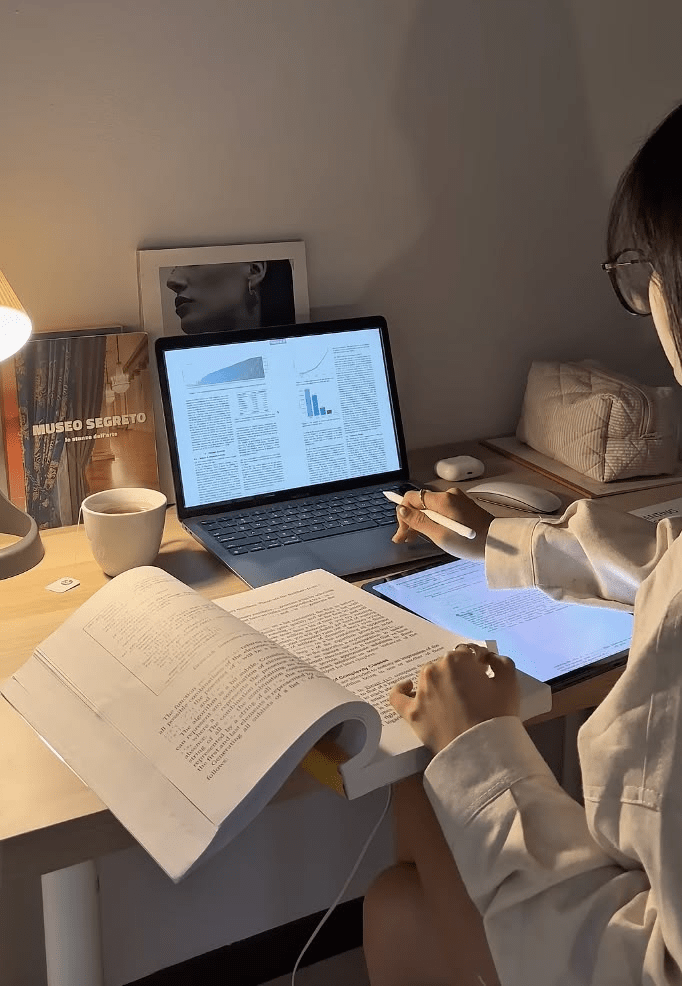
Learning a new skill can expand your confidence, increase your independence, and introduce you to new opportunities. Choose something that genuinely interests you rather than selecting a skill simply because it is popular.
You might learn photography, cooking, graphic design, a new language, public speaking, budgeting, sewing, or a digital skill. The best choice is one that fits your goals, schedule, and available resources.
Break the skill into small learning steps. Spend twenty to thirty minutes practicing several times a week instead of waiting for large blocks of free time.
Track your progress through notes, completed projects, practice sessions, or small milestones. Seeing improvement over time can encourage you to continue.
You do not need to become an expert within six months. The goal is to develop a useful foundation and prove to yourself that you can learn something unfamiliar.
A new skill can also refresh your daily routine and help you discover interests that become part of your long-term identity.
10. Improve Your Financial Habits
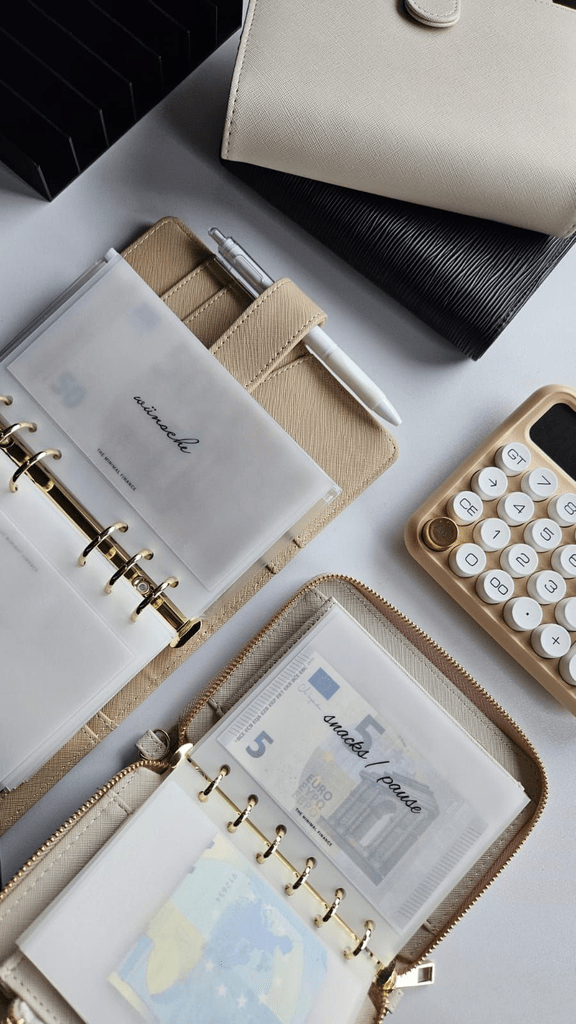
A life transformation becomes more sustainable when your financial habits support your goals. You do not need to earn a large income to begin managing your money more intentionally.
Start by tracking your spending for a month. This can help you understand where your money goes and identify expenses that do not match your priorities.
Create a simple budget that includes essential costs, savings, personal spending, and financial obligations. If possible, set aside a small amount regularly, even if the amount changes from month to month.
Before making nonessential purchases, give yourself time to consider whether the item is useful, affordable, and aligned with your goals. This can be especially helpful when refreshing your wardrobe or purchasing beauty and lifestyle products.
You can also spend time learning about saving, debt management, and basic financial planning.
Over six months, small improvements in your money habits can create greater awareness and help you make more confident decisions about your future.
11. Strengthen Your Mindset and Inner Confidence
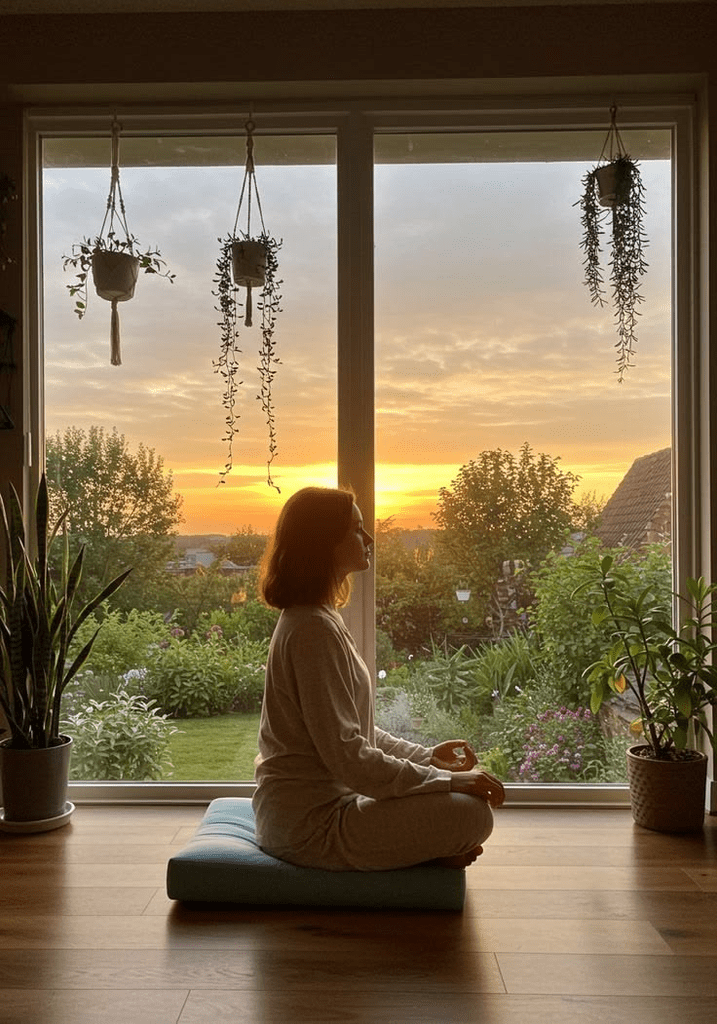
A visible transformation is easier to maintain when it is supported by a healthier relationship with yourself. Instead of focusing only on how you appear to others, spend time developing self-respect, patience, and realistic confidence.
Pay attention to the way you speak to yourself. When you make a mistake, try replacing harsh self-criticism with a more constructive response. You can acknowledge what went wrong while also identifying what you can learn from the experience.
Set small challenges that help you become more comfortable outside your usual routine. This might mean attending an event alone, sharing an idea, trying a new activity, or completing a task you have been avoiding.
Keep a record of your progress and recognize improvements that might otherwise go unnoticed. Confidence often develops through repeated action rather than waiting until you feel completely ready.
Avoid comparing your progress with carefully edited images or other people’s timelines. Your transformation should be based on your values, needs, and personal goals.
12. Review Your Progress Every Month
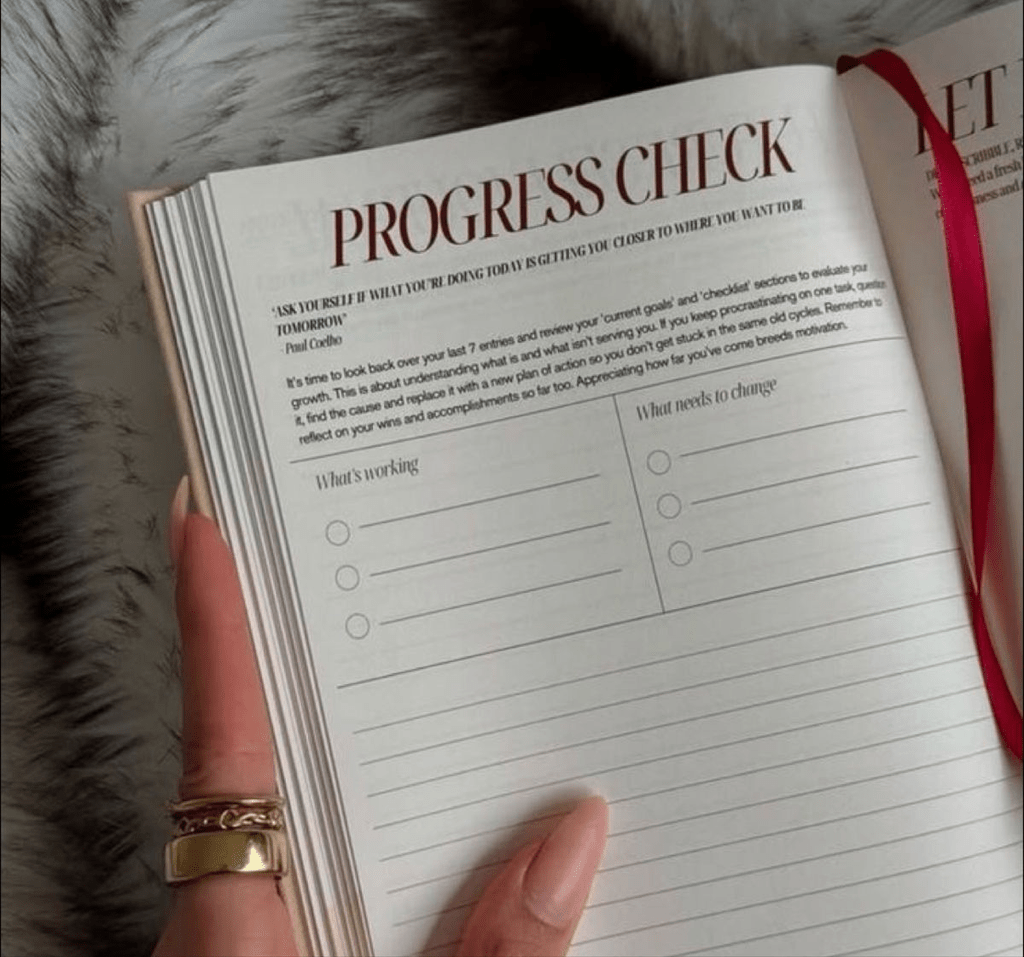
A six-month transformation becomes more manageable when you regularly pause to review your progress. Monthly check-ins help you recognize what is working, identify obstacles, and make adjustments before you feel overwhelmed.
At the end of each month, review the habits and goals you chose. Ask yourself which changes felt natural, which ones were difficult, and what you would like to improve next.
You can keep a private journal, create a habit tracker, take notes, or make a list of small achievements. If you feel comfortable, you may also document changes in your personal style, organization, or daily routine through private photographs.
Avoid treating one missed habit or difficult week as a failure. Life circumstances can change, and your plan should be flexible enough to accommodate them.
Use each month to choose one or two priorities for the next stage. By the end of six months, you will have a clearer picture of what has changed and which habits you want to continue.
The goal is not to finish the six months as a perfect person. It is to build a lifestyle that feels more intentional and sustainable.
Short Summary
Transforming your life and image in six months begins with small, consistent changes rather than dramatic overnight decisions. Defining your goals, improving your morning and sleep routines, refreshing your personal style, and building simple self-care habits can help you feel more organized and confident. Regular movement, better communication, learning new skills, managing money, and creating a supportive environment can strengthen your overall lifestyle. Most importantly, focus on progress that feels authentic to you. By reviewing your habits each month and making realistic adjustments, you can use six months to create lasting improvements in your confidence, appearance, routines, and everyday experiences.
FAQ
1. Can I really transform my life in six months?
Yes. Six months is enough time to establish new habits, learn skills, refresh your personal style, and make meaningful lifestyle improvements. The results will depend on your goals, consistency, and circumstances.
2. How many changes should I make at once?
Start with two or three manageable changes. Adding too many new habits at once can feel overwhelming and make it harder to stay consistent.
3. How can I improve my image without spending a lot of money?
Focus on grooming, clothing care, better outfit combinations, improved posture, organization, and accessories you already own. You can also make gradual, intentional purchases instead of replacing your entire wardrobe.
4. What is the most important part of a personal transformation?
Consistency and self-awareness are essential. Understanding why you want to change can help you choose realistic habits and stay motivated over time.
5. How can I become more confident in six months?
Set small challenges, practice communicating clearly, develop useful skills, maintain supportive routines, and recognize your progress. Confidence often grows through repeated action.
6. Should I document my transformation?
You can document your progress through journaling, habit trackers, private photographs, or monthly reflections. Choose a method that feels comfortable and helps you notice changes.
7. What should I do if I lose motivation?
Review your goals and simplify your routine. Focus on one small action rather than trying to restart everything at once. Adjusting your plan is often more helpful than abandoning it.
8. How do I maintain my progress after six months?
Keep the habits that have become useful and realistic. Continue reviewing your goals occasionally, make adjustments when necessary, and introduce new challenges gradually.