
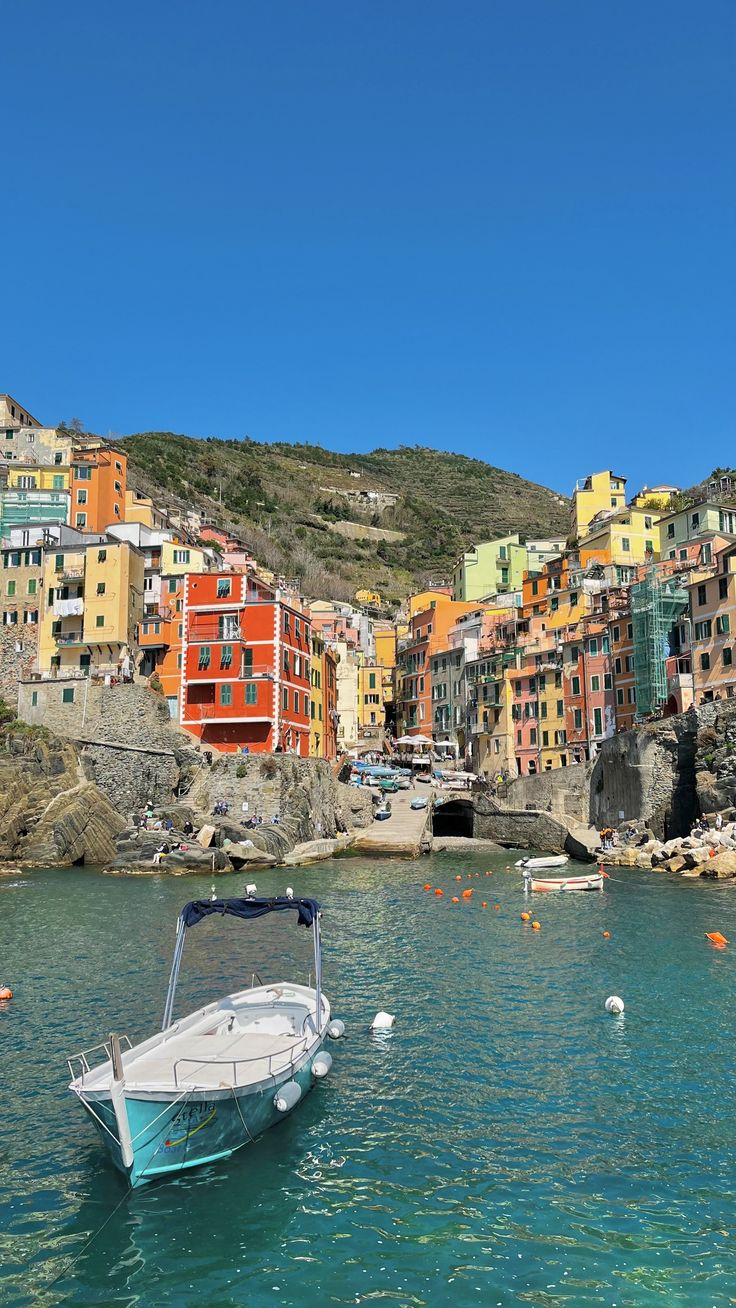
Italy has a way of making ordinary travel moments feel unforgettable. From ancient streets and grand piazzas to colorful coastal villages and rolling countryside, almost every region offers a different kind of beauty. You can spend a morning admiring centuries-old architecture, enjoy a long Italian lunch in a sunny square, and end the day watching the sunset over the sea. With so many incredible places to visit, planning an Italy trip can feel overwhelming, especially if you want to experience more than the most famous attractions.
The best approach is to choose destinations based on the type of experience you want. History lovers may be drawn to Rome and Florence, while travelers dreaming of dramatic coastlines can explore the Amalfi Coast or Lake Como. Venice offers romantic canals and distinctive architecture, while Tuscany provides peaceful countryside, vineyards, and charming hill towns. Sicily and Puglia introduce travelers to a different side of Italian culture, with their own food traditions, landscapes, and architecture. These ten dreamy places to explore in Italy can inspire everything from a classic first-time itinerary to a slower trip focused on scenery, food, and local experiences.
1. Rome
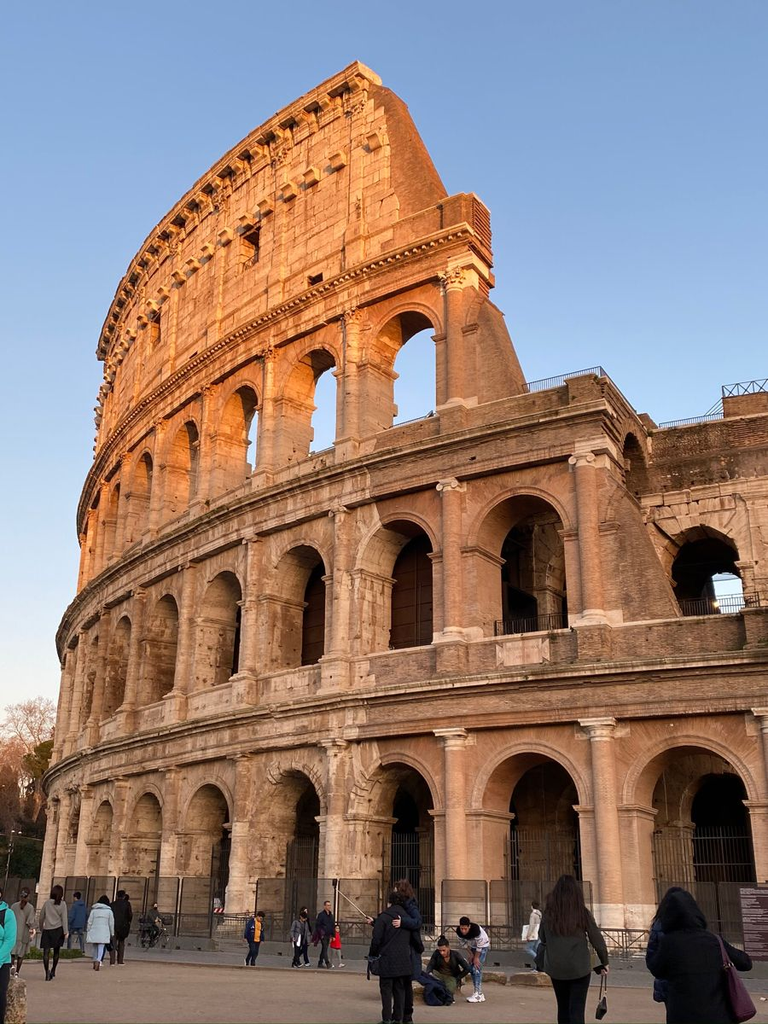
Rome is an unforgettable destination for travelers who love history, architecture, food, and lively city streets. The Italian capital brings together ancient ruins, Renaissance and Baroque landmarks, elegant piazzas, and neighborhood cafés.
Begin with some of the city’s most recognizable sights, including the Colosseum, Roman Forum, Pantheon, and Trevi Fountain. Instead of rushing between attractions, leave time to wander through neighborhoods such as Trastevere, where narrow streets and traditional restaurants create a more relaxed atmosphere.
Rome is also home to Vatican City, where visitors can explore St. Peter’s Basilica and the Vatican Museums. If you want to avoid spending the entire day sightseeing, balance major attractions with leisurely meals and walks through local markets or quiet streets.
Italian food is another reason to enjoy Rome. Look for Roman specialties such as carbonara, cacio e pepe, amatriciana, and supplì.
Rome can be busy, but its energy is part of its charm. A few unplanned hours simply wandering through the historic center can become one of the most memorable parts of your trip.
2. Florence
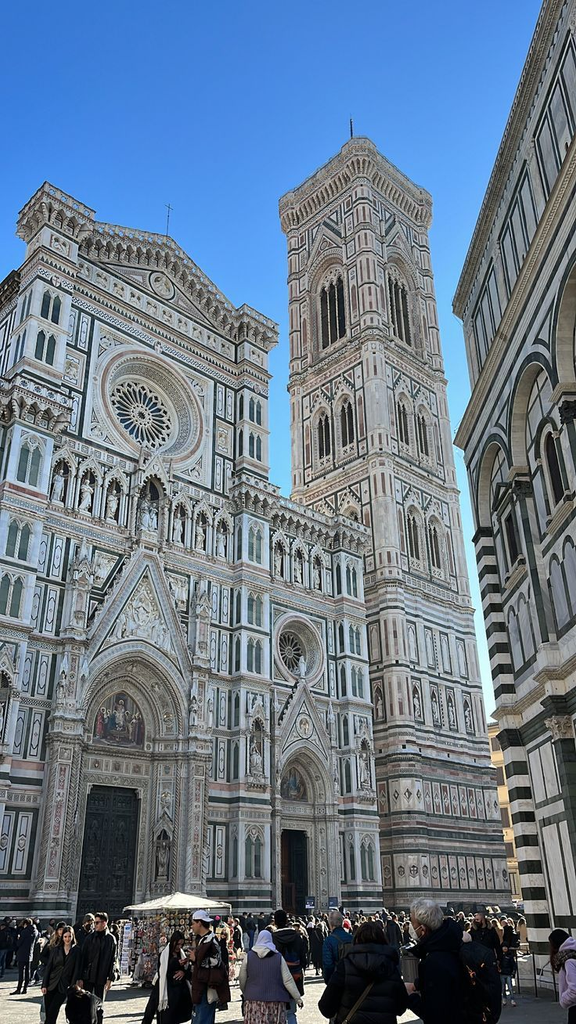
Florence is an ideal destination for travelers drawn to Renaissance art, beautiful architecture, and intimate city streets. The historic center is compact enough to explore on foot, making it easy to move between famous landmarks and smaller discoveries.
The Cathedral of Santa Maria del Fiore, commonly known as the Duomo, is one of Florence’s defining sights. The Uffizi Gallery and Accademia Gallery are important stops for art lovers, while the Ponte Vecchio provides a memorable walk across the Arno River.
For a quieter experience, explore Florence’s artisan neighborhoods, browse local shops, or stop at a small café for coffee and a pastry. You can also walk up to Piazzale Michelangelo for a panoramic view over the city, particularly beautiful around sunset.
Food is another important part of the experience. Try traditional Tuscan dishes, fresh pasta, seasonal vegetables, and the region’s famous bistecca alla fiorentina.
Florence is also an excellent base for exploring Tuscany. Day trips can take you to vineyards, medieval hill towns, and scenic countryside, making the city a wonderful combination of culture and relaxation.
3. The Amalfi Coast
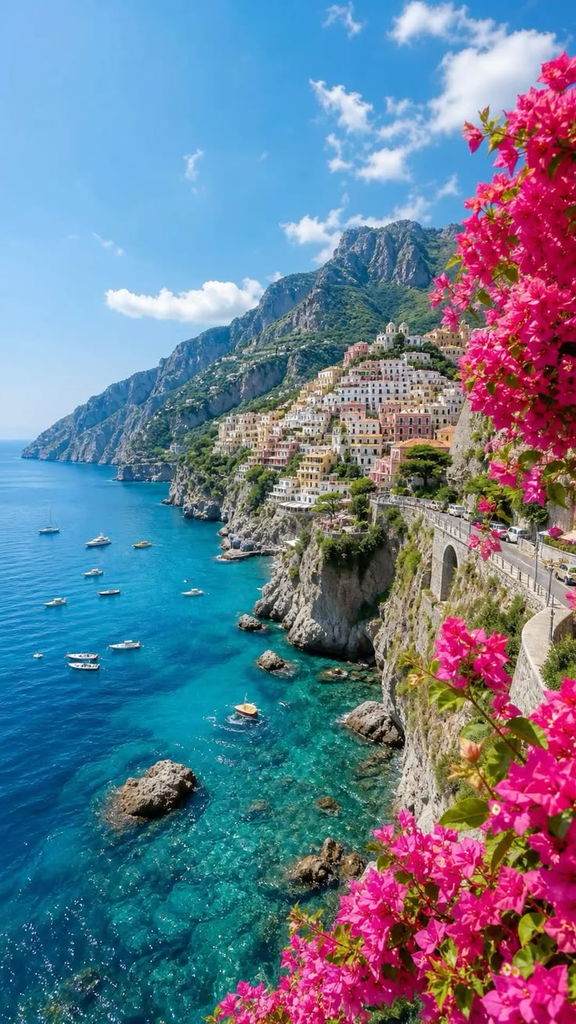
The Amalfi Coast is one of Italy’s most recognizable coastal destinations, known for dramatic cliffs, colorful buildings, winding roads, and sparkling Mediterranean views. Towns such as Positano, Amalfi, and Ravello each offer a different atmosphere.
Positano is famous for its steep streets and pastel-colored buildings descending toward the sea. Amalfi offers a historic center and beautiful waterfront, while Ravello sits higher above the coast and is known for its spectacular views.
Rather than trying to see everything in one day, consider staying along the coast for several nights. This allows you to enjoy quieter mornings and evenings after day visitors leave.
You can spend your time swimming, taking boat trips, exploring coastal paths, visiting gardens, or simply enjoying a long meal overlooking the water.
The Amalfi Coast is hilly, so comfortable shoes are essential. Transportation can also become busy during peak periods, making advance planning useful.
For a slower experience, consider visiting during the shoulder seasons when the weather can still be pleasant and the area may feel less crowded.
4. Venice
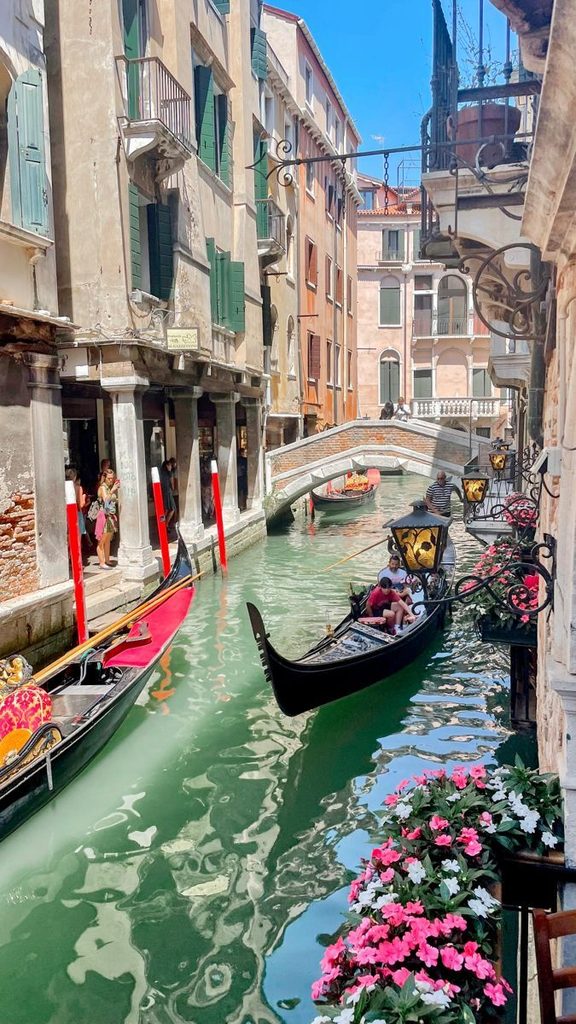
Venice feels unlike almost anywhere else in the world. Built across a network of islands and canals, the city is filled with bridges, historic palaces, narrow passageways, and beautiful squares.
St. Mark’s Square and the surrounding architecture are obvious places to begin, but some of Venice’s most enjoyable moments come from simply wandering. Turn down a quiet alley, cross a small bridge, and you may discover a peaceful canal or traditional neighborhood away from the busiest areas.
A gondola ride is a classic experience, although you can also explore Venice by vaporetto, the city’s waterbus system. Taking a vaporetto along the Grand Canal provides a different perspective on the historic palaces and waterfront architecture.
Consider visiting the nearby islands of Murano and Burano. Murano is associated with glassmaking, while Burano is known for its colorful houses.
Venice is particularly atmospheric early in the morning or later in the evening. Staying overnight gives you more opportunities to experience the city when the busiest day-trip crowds have departed.
5. Lake Como
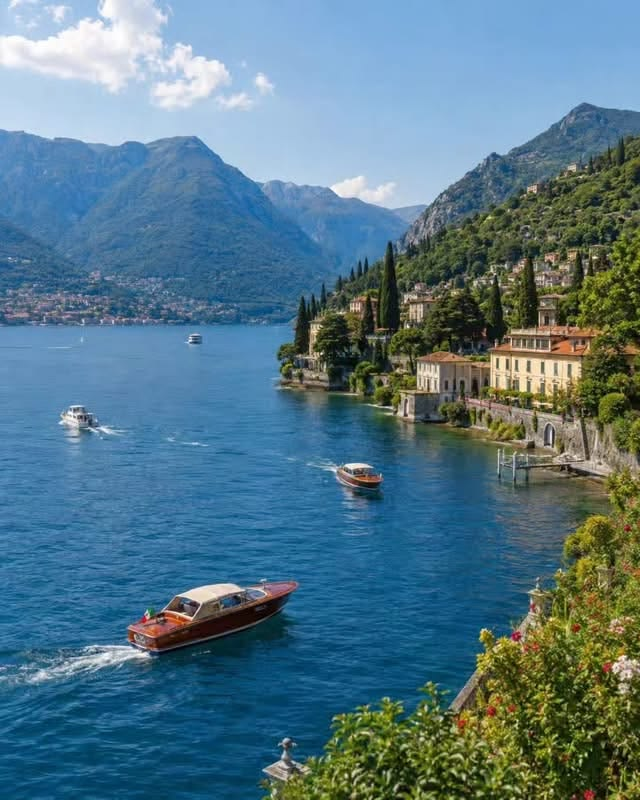
Lake Como offers a peaceful combination of mountain scenery, elegant lakeside towns, historic villas, and sparkling blue water. It is a beautiful choice for travelers who want a slower pace surrounded by dramatic landscapes.
Popular towns include Bellagio, Varenna, and Como. Bellagio is known for its picturesque streets and lake views, while Varenna offers a quieter atmosphere with colorful waterfront buildings and gardens.
Boat travel is one of the best ways to appreciate the lake because it provides constantly changing views of the mountains and shoreline. You can spend a day visiting several towns or simply choose one and explore at a relaxed pace.
Historic villas and gardens are another highlight. Depending on your itinerary, you can visit elegant estates, walk through landscaped gardens, or enjoy a meal overlooking the water.
Lake Como is especially appealing for couples, photographers, and travelers looking for a scenic retreat. Give yourself time to sit by the lake rather than filling every hour with sightseeing.
6. Tuscany
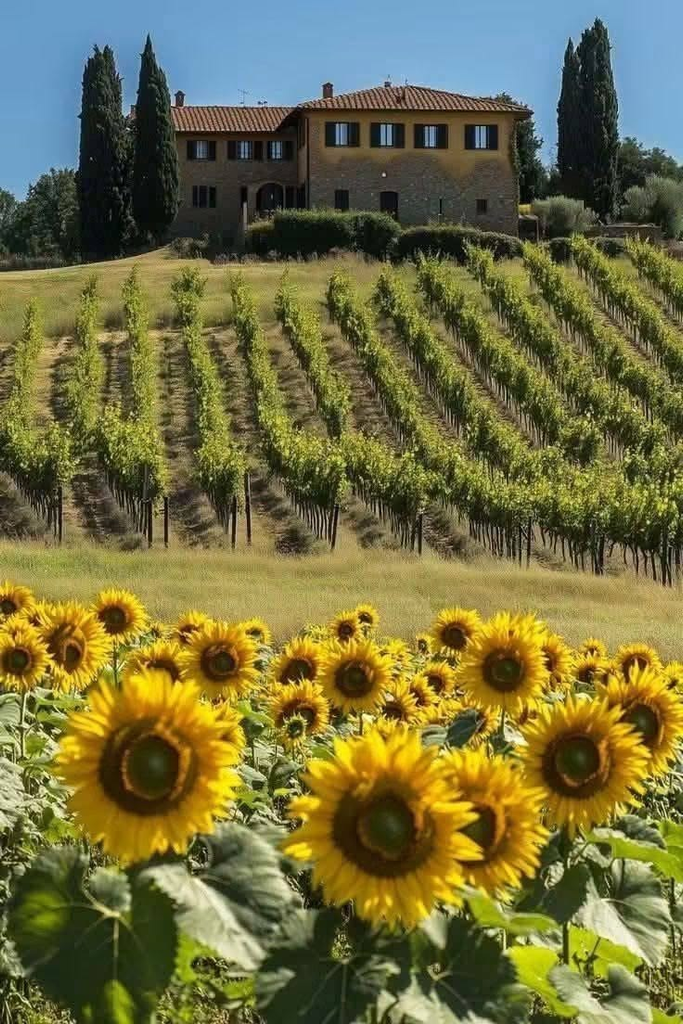
Tuscany is the kind of destination that encourages travelers to slow down. Rolling hills, vineyards, olive groves, stone farmhouses, and medieval hill towns create the classic Italian countryside atmosphere many people imagine when dreaming of Italy.
Florence is an excellent starting point, but exploring the countryside reveals another side of the region. Towns such as Siena, San Gimignano, Montepulciano, and Pienza offer historic architecture and beautiful views.
A road trip can be a convenient way to explore smaller villages and rural landscapes. If you prefer not to drive, organized day trips from Florence or Siena can provide access to wineries and hill towns.
Food is central to the Tuscan experience. Try handmade pasta, pecorino cheese, seasonal vegetables, olive oil, and traditional Tuscan soups. Wine enthusiasts can explore well-known areas such as Chianti and Val d’Orcia.
Tuscany is especially beautiful when you allow yourself to travel slowly. Instead of trying to visit several towns in a single day, choose a few places and spend time enjoying the scenery, food, and local atmosphere.
7. Puglia
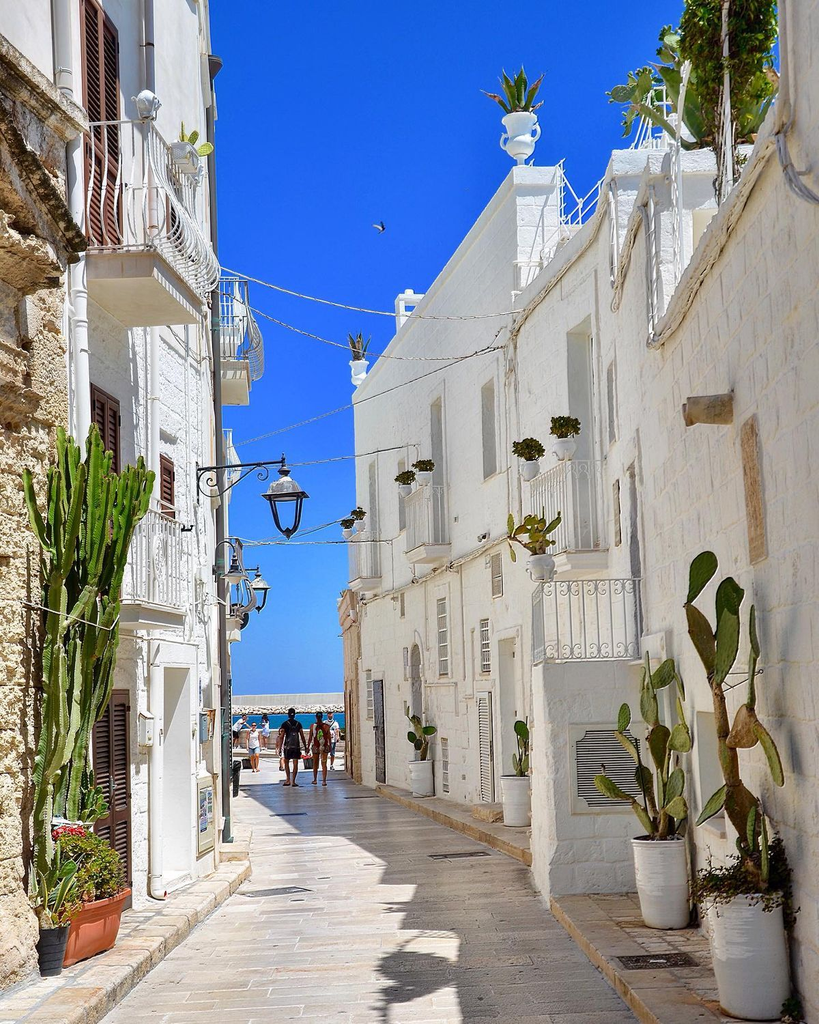
Puglia, located in southeastern Italy, offers a distinctive combination of whitewashed towns, Adriatic and Ionian coastlines, olive groves, and traditional architecture. It is a great choice for travelers who want to explore beyond Italy’s most famous cities.
Alberobello is one of the region’s best-known destinations because of its traditional trulli houses, recognizable by their conical stone roofs. Ostuni, often called the White City, offers bright white buildings, narrow lanes, and beautiful views over the surrounding countryside.
The coastal towns provide opportunities for swimming, seafood meals, and relaxed walks. Polignano a Mare is particularly scenic, with buildings perched dramatically above the sea.
Puglia is also known for its food. Try orecchiette pasta, burrata, fresh seafood, local vegetables, and regional olive oil.
A car can make exploring rural areas and smaller towns easier. However you choose to travel, leave room for spontaneous stops at local cafés, bakeries, and small coastal viewpoints. Puglia’s charm often comes from these simple moments rather than a packed sightseeing schedule.
8. Sicily
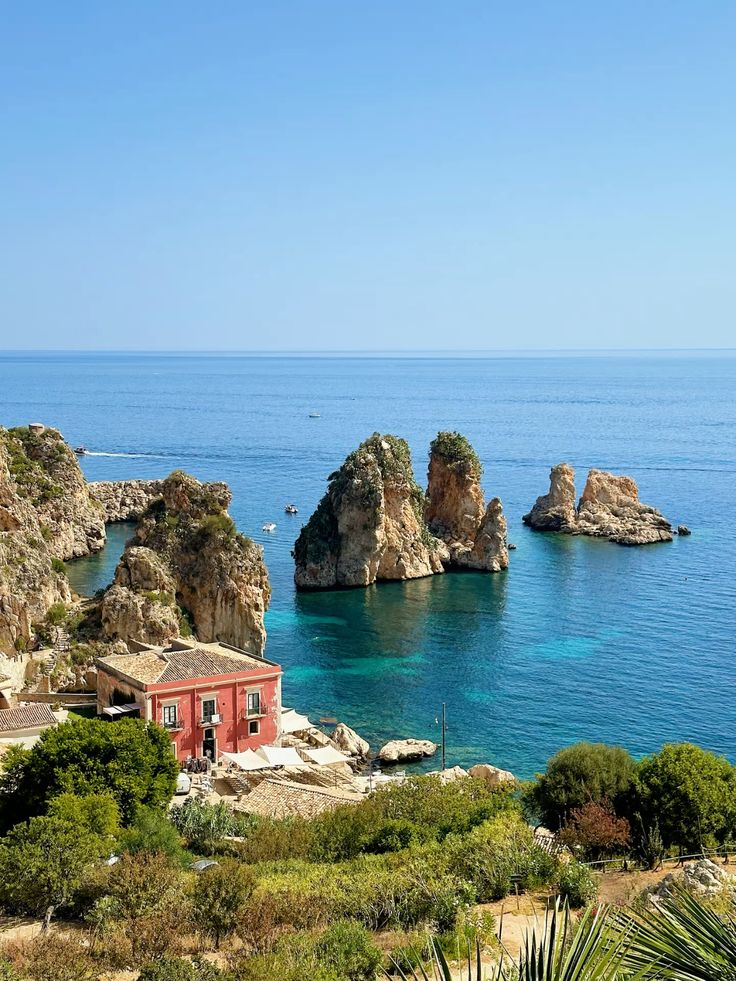
Sicily offers a fascinating blend of Mediterranean landscapes, ancient history, distinctive architecture, and rich culinary traditions. As Italy’s largest island, it provides enough variety for a trip ranging from a few days to several weeks.
Palermo is a great starting point for exploring the island’s food and cultural heritage. Taormina offers dramatic views, historic streets, and a spectacular setting overlooking the sea and Mount Etna.
History enthusiasts can visit ancient Greek sites such as the Valley of the Temples near Agrigento. Nature lovers can explore Mount Etna or coastal landscapes, while beach lovers have many choices around the island.
Sicilian cuisine is another major attraction. Try arancini, pasta alla Norma, cannoli, granita, fresh seafood, and local pastries.
Because Sicily is large, avoid trying to cover the entire island in a very short trip. Choose one area or create a route that allows enough time in each destination.
Sicily is especially rewarding for travelers who enjoy combining food, history, beaches, architecture, and outdoor experiences in one journey.
9. Cinque Terre
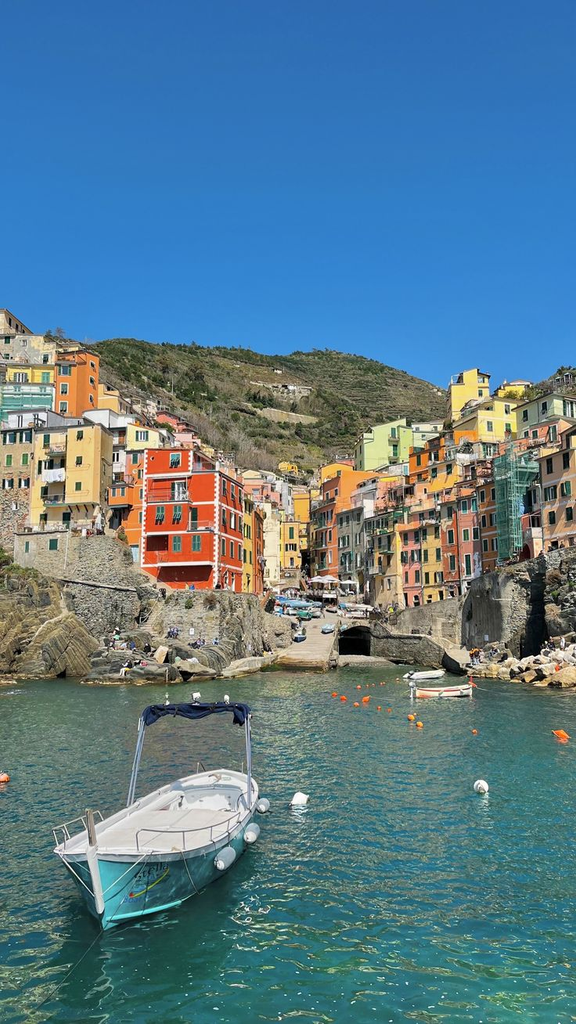
Cinque Terre is a group of five colorful coastal villages along the Ligurian coast: Monterosso al Mare, Vernazza, Corniglia, Manarola, and Riomaggiore. Their colorful buildings, steep hillsides, and dramatic sea views make the area especially popular with photographers and hikers.
Each village has a slightly different personality. Monterosso offers larger beaches, while Vernazza has a beautiful harbor surrounded by colorful buildings. Manarola is famous for its dramatic position above the sea, and Riomaggiore features narrow streets and traditional houses.
Walking is one of the best ways to experience the landscape, although trail availability can change because of maintenance or weather conditions. Check current conditions before planning a hiking route.
The villages are connected by trains, making it possible to explore several during one trip. Seafood, focaccia, pesto, and local wines are worth sampling along the way.
Because Cinque Terre can become crowded, consider staying overnight rather than visiting only as a quick day trip. Early mornings and evenings often provide a calmer atmosphere and beautiful light.
10. Sardinia
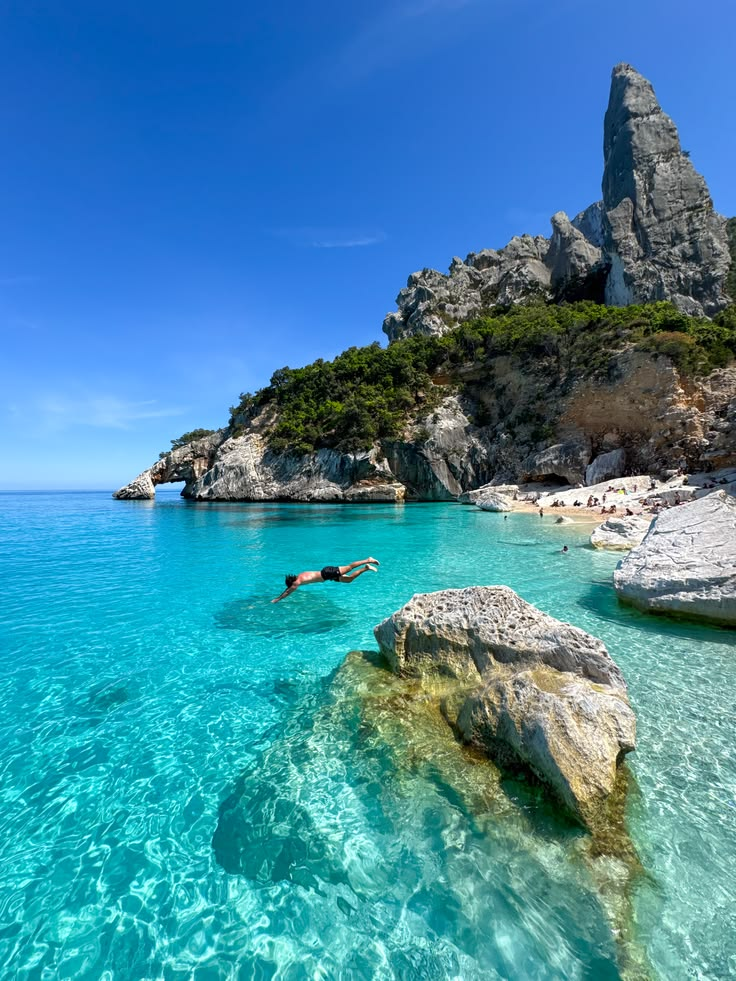
Sardinia is an excellent choice for travelers dreaming of turquoise water, sandy beaches, rugged coastlines, and a more relaxed island atmosphere. The island offers both famous coastal destinations and quieter inland landscapes.
The Costa Smeralda is known for beautiful beaches and upscale resorts, while areas such as Alghero combine coastal scenery with historic architecture and a distinctive local culture.
Beach lovers can spend their days swimming, snorkeling, boating, or exploring secluded coves. Inland, you can discover mountain landscapes, traditional villages, archaeological sites, and local food traditions.
Sardinian cuisine is worth exploring beyond seafood. Try dishes such as culurgiones, pane carasau, roasted meats, local cheeses, and traditional desserts.
Renting a car can be helpful if you want to explore multiple parts of the island, especially smaller beaches and inland towns.
Sardinia works particularly well for travelers who want a combination of relaxation and exploration. Give yourself several days to enjoy the coastline without feeling pressured to move from beach to beach.
Short Summary
Italy offers an incredible variety of travel experiences, from the ancient streets of Rome and Renaissance treasures of Florence to the dramatic coastlines of Amalfi and Cinque Terre. Venice provides a completely unique city experience, while Lake Como and Tuscany offer beautiful scenery and slower-paced escapes. Puglia, Sicily, and Sardinia reveal different regional cultures, landscapes, and food traditions. With so many destinations to choose from, the best Italy itinerary depends on whether you are looking for history, beaches, food, countryside, architecture, or a mixture of everything. Choosing fewer destinations and giving yourself time to enjoy each one can make an Italy trip feel much more relaxed and memorable.
FAQ
1. What are the most beautiful places to visit in Italy?
Italy has many scenic destinations, including the Amalfi Coast, Lake Como, Tuscany, Cinque Terre, Sardinia, Puglia, and Sicily. Each offers a different type of landscape and travel experience.
2. How many days do you need for an Italy trip?
A week can provide a good introduction to one or two regions, while two weeks or more gives you greater flexibility to combine major cities with coastal or countryside destinations.
3. What is the best city to visit in Italy for first-time travelers?
Rome, Florence, and Venice are popular choices for first-time visitors because they combine major cultural attractions, historic architecture, food, and distinctive local experiences.
4. Is Italy expensive to visit?
Italy can accommodate different travel budgets. Costs vary significantly depending on the destination, season, accommodation, transportation, and dining choices.
5. What food should you try in Italy?
Try regional specialties rather than limiting yourself to familiar dishes. Pasta, pizza, risotto, fresh seafood, gelato, regional cheeses, pastries, and local desserts are all worth exploring.
6. What is a good season to explore Italy?
Spring and autumn are often popular for sightseeing because temperatures can be comfortable and many destinations may be less busy than during the peak summer period.
7. Should I visit multiple Italian cities on one trip?
You can, but avoid packing too many destinations into a short itinerary. Travel time between cities can add up, so choosing a few places and exploring them properly can create a more relaxed trip.
8. Is Italy good for a romantic vacation?
Yes. Destinations such as Venice, Lake Como, the Amalfi Coast, Tuscany, and smaller coastal towns offer plenty of scenic settings for couples, from waterfront walks to sunset dinners and countryside stays.