

Starting fresh does not always mean changing everything about your life. Sometimes, it simply means deciding that you are ready to stop carrying what no longer serves you and begin looking forward again. After a difficult season, disappointment, major transition, or period of feeling lost, it can be hard to imagine feeling excited about life. You may replay old decisions, worry about the future, or wonder whether you are capable of creating something better. But a fresh start can begin with something much smaller: one new thought, one healthier choice, or one decision to treat yourself with more patience.
Feeling good about life again is usually a gradual process rather than an overnight transformation. You can start by clearing some mental and physical clutter, reconnecting with what matters to you, and creating routines that support your well-being. You do not have to have everything figured out before you begin. The important thing is to give yourself permission to move forward at your own pace. These eight encouraging steps can help you create a sense of renewal, rebuild your confidence, and make everyday life feel more hopeful and meaningful.
1. Give Yourself Permission to Leave the Past Behind

Starting fresh becomes difficult when you constantly judge yourself for what happened in the past. You may wish you had made different choices, handled a situation differently, or recognized something sooner. While reflection can teach you valuable lessons, repeatedly punishing yourself for old mistakes keeps your attention focused on something you can no longer change.
Instead, try to separate learning from self-blame. Ask yourself what the experience taught you, what you would do differently now, and what you can take forward. Then allow yourself to stop revisiting the same situation.
Letting go does not mean pretending that something never happened or saying that it did not matter. It means recognizing that the experience is part of your story without allowing it to control every chapter that comes next.
You can also create a simple personal reset ritual. Write down something you are ready to release, tear up the paper, clean a small area of your home, or take a quiet walk while thinking about what you want to leave behind.
A fresh start begins when you understand that your past can inform your future without defining it.
2. Create a Simple Daily Routine

When life feels uncertain, a basic routine can provide a sense of stability. You do not need a perfectly planned schedule or an elaborate morning routine. A few consistent habits can make your days feel more organized and intentional.
Start with simple anchors such as getting up at a consistent time, making your bed, drinking water, taking a short walk, preparing a nutritious meal, or spending a few minutes planning your priorities.
Try choosing three important tasks for each day rather than creating a long list that becomes overwhelming. Completing those tasks can give you a sense of progress without making your day feel like a constant race.
Your evening routine matters too. Spend a few minutes tidying your space, preparing for tomorrow, putting away unnecessary distractions, or writing down something that went well during the day.
The purpose of a routine is not to make every day identical. It is to create a supportive structure that makes positive choices easier. When your days have a little more rhythm, you may find it easier to focus on personal growth and enjoy small moments instead of feeling overwhelmed by everything at once.
3. Refresh Your Physical Space
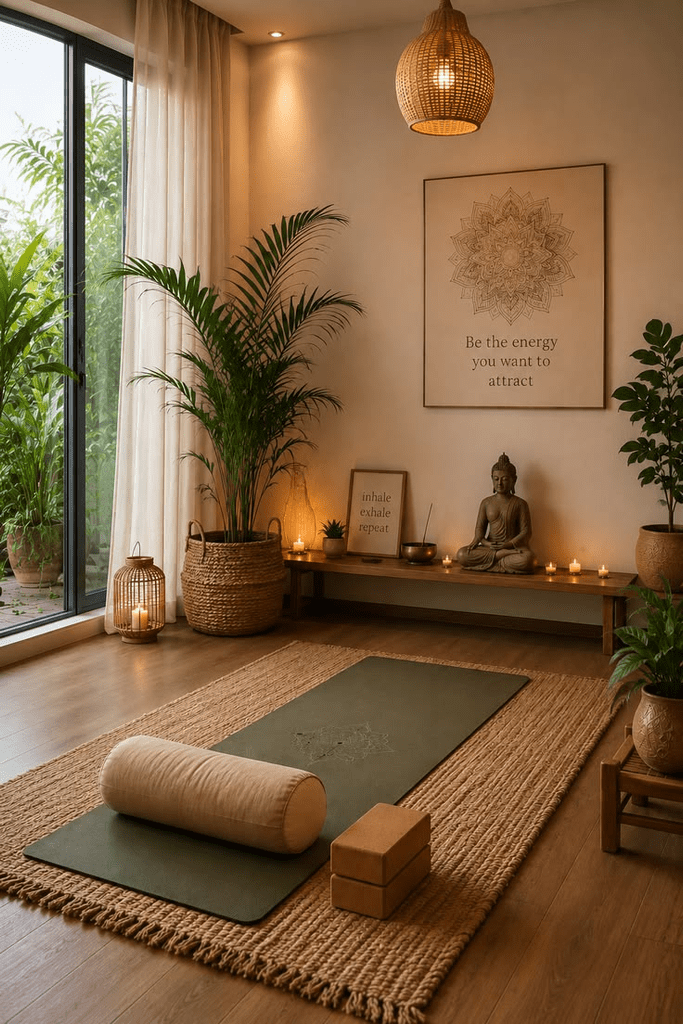
Your surroundings can influence your mindset. If your home, bedroom, workspace, or phone is filled with clutter, unfinished tasks, and reminders of an old chapter, it may be harder to feel like you are beginning something new.
You do not need to completely redecorate your home. Start with one small area. Clear your bedside table, organize your wardrobe, clean your desk, rearrange a corner, or remove things you no longer use.
Consider adding a few simple touches that make your environment feel more welcoming. Fresh bedding, a plant, a favorite photograph, comfortable lighting, or a small reading corner can make an ordinary space feel different.
Digital decluttering can help too. Delete unnecessary files, organize your photographs, unsubscribe from unwanted emails, and remove apps that constantly distract you.
The goal is not perfection. It is creating an environment that supports the person you are becoming.
Even a small physical reset can give you a satisfying feeling of completion. Every organized drawer or refreshed corner becomes a visible reminder that you have the ability to make changes and create a new atmosphere around yourself.
4. Reconnect With the Things That Make You Feel Like Yourself

During difficult periods, it is easy to become disconnected from the activities and interests that once made you feel happy, curious, or creative. You may become focused so heavily on responsibilities or problems that you forget what genuinely brings you enjoyment.
Think back to the things you used to love. Perhaps you enjoyed reading, painting, cooking, photography, gardening, dancing, traveling, listening to music, exercising, or spending long conversations with people you care about.
You do not have to return to everything at once. Choose one activity and make time for it this week.
It can also be helpful to try something completely new. A fresh hobby can give you something interesting to look forward to and remind you that there are still experiences you have not discovered.
Avoid putting pressure on yourself to be productive with every hobby. Not everything needs to become a business, achievement, or personal-development project. Some activities can simply be enjoyable.
Making room for genuine enjoyment is part of building a life that feels good, not something you need to earn after completing every responsibility.
5. Set Small Goals You Can Actually Reach

When you want to change your life, it can be tempting to create a long list of ambitious goals. While big dreams can be motivating, too many goals at once can quickly become overwhelming.
Instead, choose a few small goals that feel realistic for your current situation. You might decide to walk three times this week, read one chapter each night, save a small amount of money, organize your workspace, apply for a new opportunity, or spend 15 minutes learning a skill.
Make your goals specific and measurable. Rather than saying, “I want to become healthier,” choose something concrete such as preparing a homemade meal on several days of the week.
Every completed goal gives you evidence that you can follow through. That evidence can gradually rebuild confidence, especially if you have recently experienced disappointment or a lack of direction.
Once a small goal becomes manageable, you can increase it gradually.
Remember that a fresh start is not about proving how much you can accomplish. It is about creating sustainable progress. Small steps that you can repeat are often more valuable than dramatic changes that are difficult to maintain.
6. Spend More Time Around Positive Influences

The people and environments around you can have a meaningful effect on how you see yourself and your future. When you are trying to start fresh, pay attention to the relationships that leave you feeling supported, respected, encouraged, and understood.
Make time for people who genuinely care about you. It could be a close friend, family member, mentor, colleague, or another person who brings a sense of calm and encouragement into your life.
You do not have to completely cut yourself off from everyone who disagrees with you. Healthy relationships can include different opinions. However, consistently spending time around people who criticize, discourage, manipulate, or undermine you can make rebuilding your confidence more difficult.
Your digital environment matters too. Consider following accounts that inspire useful ideas, creativity, learning, or realistic encouragement rather than constantly comparing yourself to carefully curated lifestyles.
A positive environment does not mean surrounding yourself with constant positivity. It means creating enough support and perspective to remind yourself that difficult days are temporary and that you have people, resources, and possibilities available to you.
Sometimes a fresh start becomes easier when you stop trying to do it completely alone.
7. Practice Gratitude for What Is Still Good
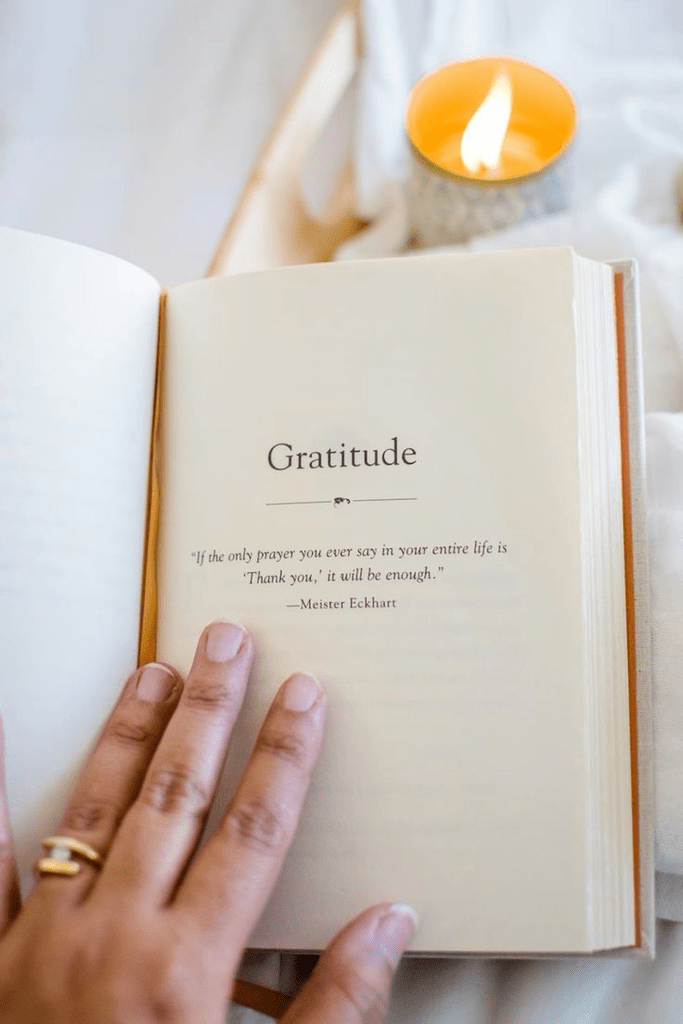
When you have been through a difficult period, your attention can naturally become focused on everything that went wrong. Practicing gratitude can help you notice the parts of life that are still meaningful.
This does not mean ignoring genuine problems or forcing yourself to be positive. You can acknowledge difficulties while also recognizing what is going well.
At the end of each day, write down three simple things you appreciated. They can be as ordinary as a good cup of coffee, a peaceful morning, a helpful conversation, a delicious meal, sunshine, music, or having time to rest.
You can also practice gratitude toward yourself. Think about something you handled well, a challenge you faced, or a small decision you made that supported your future.
Over time, this practice can help you become more attentive to everyday moments instead of waiting for one major event to make life feel meaningful.
Feeling good about life again does not require everything to become perfect. Sometimes it begins with noticing that there are still small, beautiful, useful, and comforting things present in your life right now.
8. Give Yourself Something to Look Forward To

Hope becomes easier to feel when you have something on the calendar that genuinely excites you. It does not need to be a major vacation or expensive experience. Small plans can give your week a sense of anticipation.
Plan a coffee date with a friend, a movie night, a weekend walk, a new recipe to try, a creative project, a day trip, a visit to a favorite place, or a quiet evening dedicated entirely to yourself.
You can also create longer-term plans. Perhaps you want to learn a new skill, redecorate a room, plan a trip, start a personal project, or work toward a career goal.
Keep some of these plans simple enough that they remain enjoyable rather than becoming another source of pressure.
Having something to look forward to can change the way you experience ordinary days. Instead of feeling as though you are simply getting through the week, you begin noticing that there are moments ahead that you can anticipate.
A fresh start is not only about leaving something behind. It is also about creating reasons to look ahead.
Summary
Starting fresh does not require you to completely reinvent your life. You can begin by releasing some of the weight of the past, creating a simple routine, refreshing your surroundings, and reconnecting with activities that make you feel like yourself. Small, realistic goals can help rebuild confidence, while supportive relationships can remind you that you do not have to navigate every difficult season alone.
Most importantly, give yourself permission to move forward gradually. Practice gratitude for the good that still exists, and create small things to look forward to. You do not need to know exactly what the next chapter will look like. Sometimes feeling good about life again begins with simply believing that a new chapter is possible and taking one gentle step toward it.
Frequently Asked Questions
1. How can I start fresh when I feel like I have lost my direction?
Begin with your present situation rather than trying to solve your entire future. Identify what you can control, choose one small goal, and experiment with activities or routines that help you discover what feels meaningful.
2. How do I stop dwelling on the past?
Instead of repeatedly analyzing what happened, focus on what you learned and what you can do differently now. Journaling, limiting repetitive rumination, and redirecting your attention toward current goals can help.
3. What is a good first step toward feeling better about life?
Start with something simple and achievable. Clean one small area, take a walk, contact someone you trust, prepare a good meal, or write down three things you want to improve. Small actions can create momentum.
4. Can changing my routine really make a difference?
Yes. A consistent but flexible routine can provide structure and make positive habits easier to maintain. Even small changes can make your days feel more intentional.
5. How do I rebuild confidence after a difficult period?
Start by keeping small promises to yourself. Set realistic goals, complete them consistently, recognize your progress, and avoid measuring your journey against other people’s timelines.
6. How can I make everyday life feel more enjoyable?
Create small moments you genuinely look forward to. Try a new recipe, spend time outdoors, enjoy a hobby, meet a friend, listen to music, or create a relaxing evening ritual.
7. Is it okay to start over even if other people do not understand?
Yes. Your life does not have to follow someone else’s expectations. If your priorities have changed, it is reasonable to reconsider your routines, goals, and direction.
8. What if I still feel stuck after trying these steps?
Be patient with yourself and consider seeking support from someone you trust. If persistent low mood, hopelessness, or difficulty functioning continues, speaking with a qualified mental health professional can provide additional support and guidance.