

Mental wellness is an important part of living a healthy, balanced, and satisfying life. It influences how you think, feel, respond to stress, build relationships, make decisions, and manage everyday challenges. Improving your mental wellness does not always require expensive programmes or major lifestyle changes. Simple habits—such as moving your body, sleeping consistently, eating balanced meals, spending time with supportive people, and taking regular breaks—can make daily life feel more manageable. The World Health Organization describes mental health as a state of well-being that helps people cope with life’s pressures, recognise their abilities, learn, work, and contribute to their communities.
Natural mental wellness practices work best when they become part of your normal routine. You do not need to follow every wellness trend or completely change your life overnight. Instead, choose one or two realistic habits and practise them consistently. For example, you could begin with a short daily walk, a regular bedtime, five minutes of mindful breathing, or a weekly conversation with someone you trust. These activities can support your emotional health and help you build greater resilience over time. However, self-care is not a replacement for professional mental healthcare. It should complement appropriate medical or psychological support when someone is experiencing persistent distress, anxiety, depression, difficulty functioning, or thoughts of self-harm.
1. Create a Simple Daily Routine
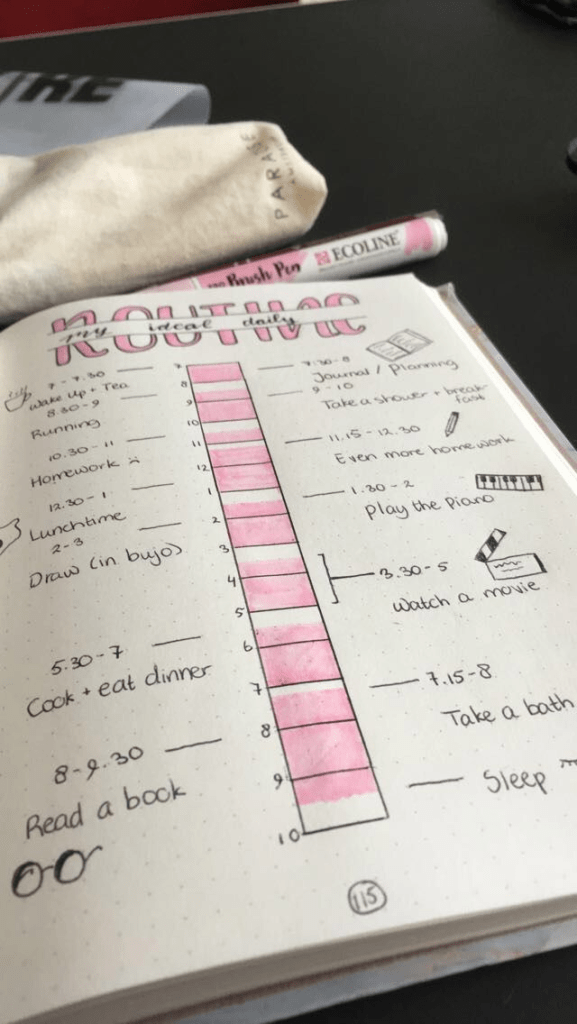
A predictable routine can give your day structure and reduce the mental pressure of deciding what to do next. When life feels disorganised, even small responsibilities may appear overwhelming. A basic routine helps you separate work, rest, personal care, and enjoyable activities. It can also create a sense of stability during uncertain or stressful periods.
Begin by identifying three or four activities that you want to complete regularly. These might include waking up at a consistent time, eating breakfast, taking a walk, completing an important task, and preparing for bed. Avoid filling every hour of the day. An overly strict schedule can create additional pressure when something unexpected happens. Instead, leave flexible spaces for rest, delays, and personal needs.
It can also help to set one achievable priority each morning. Rather than creating a long list that leaves you feeling unsuccessful, choose the most useful task and complete it first. Divide larger responsibilities into smaller steps, such as working for 20 minutes, taking a short break, and then continuing.
At the end of the day, notice what worked without judging yourself for unfinished tasks. A healthy routine should support you, not control you. Adjust it as your responsibilities and energy levels change.
2. Move Your Body Every Day

Physical activity is one of the simplest natural ways to support mental wellness. Movement can help improve mood, reduce tension, support better sleep, and give you a healthy break from stressful thoughts. The activity does not need to be intense. Walking, gardening, dancing, stretching, cycling, swimming, yoga, and household tasks can all help you become more active. The NHS notes that every minute of movement counts and recommends beginning at a comfortable pace.
Choose an activity that feels enjoyable rather than treating exercise as a punishment. You are more likely to continue a daily walk with a friend or a short dance session than a routine you strongly dislike. Beginners could start with 10 minutes of movement and gradually increase the duration. You might also divide your activity into several short sessions throughout the day.
Look for simple opportunities to move naturally. Walk while speaking on the phone, stretch after sitting for a long period, use stairs when appropriate, or take a short evening walk. Avoid comparing your speed, strength, or appearance with other people.
Consistency is more important than perfection. Some days you may have enough energy for a long workout, while on other days gentle stretching may be more realistic. Listen to your body and speak with a healthcare professional before beginning a new exercise programme if you have a medical condition or physical limitation.
3. Protect Your Sleep

Good-quality sleep plays an important role in mental and physical well-being. When you regularly sleep poorly, you may find it harder to concentrate, control emotions, make decisions, or cope with ordinary stress. Better sleep does not solve every mental health concern, but it can create a stronger foundation for managing your mood and daily responsibilities. The NHS reports that good sleep can support mood, reduce stress, and help with anxiety.
Try to go to bed and wake up at approximately the same time each day. This includes weekends when possible. Create a calming bedtime routine that tells your mind it is time to slow down. You could dim the lights, take a warm shower, read a book, listen to something relaxing, or practise slow breathing.
Reduce activities that keep your mind highly alert before bed. Avoid working from bed, repeatedly checking messages, or watching stressful content late at night. Place your phone away from your pillow if notifications tempt you to stay awake. Keep your sleeping area comfortable, quiet, and dark when possible.
Caffeine late in the day, heavy meals before bed, alcohol, and irregular sleep schedules may also interfere with rest. When sleep difficulties continue for several weeks or seriously affect your ability to function, consult a qualified healthcare professional rather than relying only on self-help methods.
4. Eat Balanced Meals and Stay Hydrated

Your brain and body need consistent nourishment to function well. Skipping meals or depending mainly on highly processed foods may leave you feeling tired, unfocused, or irritable. A balanced eating pattern cannot prevent or cure every mental health condition, but it can support stable energy and overall well-being. NHS guidance recommends eating a varied, balanced diet to help maintain health and feel your best.
Build meals around a mixture of vegetables or fruit, whole grains, protein, and healthy fats. Practical options include porridge with fruit, eggs with wholegrain toast, rice with vegetables and fish, yoghurt with nuts, or beans with salad. You do not need to follow a perfect meal plan. Aim for balance across the day or week instead of worrying about every individual meal.
Keep water nearby and drink regularly, particularly in warm weather or when exercising. Tea, milk, and other suitable drinks can also contribute to fluid intake, although water remains an inexpensive and healthy choice.
Pay attention to how caffeine affects you. Large amounts may increase restlessness or interfere with sleep in some people. Avoid using food to punish or reward yourself. Eat slowly when possible, notice hunger and fullness, and choose meals that are both nourishing and enjoyable. Seek professional advice before making restrictive dietary changes, especially if you have a medical condition or a history of disordered eating.
5. Practise Mindfulness and Slow Breathing

Mindfulness means paying attention to the present moment instead of constantly replaying the past or worrying about the future. It does not require special equipment or long meditation sessions. You can practise mindfulness while breathing, walking, eating, washing dishes, or sitting quietly. The goal is not to remove every thought. It is to notice your thoughts and feelings without immediately reacting to them.
Start with a simple breathing practice. Sit comfortably and inhale slowly through your nose. Allow your breath to leave gently without forcing it. Focus on the physical sensation of breathing for one or two minutes. When your attention moves to another thought, acknowledge it and return to your breath. This is normal and does not mean you are doing the exercise incorrectly.
You can also use your senses to reconnect with the present. Identify five things you can see, four things you can feel, three things you can hear, two things you can smell, and one thing you can taste. This grounding exercise may be helpful when you feel distracted or emotionally overloaded.
Mindfulness may help some people feel calmer, understand themselves more clearly, and respond more thoughtfully to difficult situations. However, it may not feel comfortable for everyone. Stop or modify the practice if it increases distress, and seek professional guidance when needed.
6. Stay Connected with Supportive People

Healthy relationships can protect you from feeling completely alone during difficult periods. Social connection does not require having a large group of friends. One trustworthy person who listens respectfully can be more valuable than many superficial relationships. Support may come from family members, friends, colleagues, neighbours, community groups, religious communities, or trained professionals.
Create regular opportunities for meaningful interaction. Send a message to someone you have not spoken to recently, invite a friend for a walk, eat a meal with your family, or join a group based on a shared interest. When meeting in person is difficult, use a telephone or video call. However, do not depend only on likes, comments, or passive social media activity to meet your emotional needs.
Practise honest but comfortable communication. You do not need to explain every private detail. A sentence such as, “I have been feeling stressed lately and could use someone to talk to,” can open a supportive conversation. You can also strengthen relationships by listening carefully when others share their experiences.
Spending quality time with people, talking about feelings, and helping others may reduce loneliness and support mental well-being. If certain relationships regularly leave you feeling unsafe, controlled, or emotionally exhausted, creating respectful boundaries may be necessary for your wellness.
7. Spend More Time Outdoors

Spending time outdoors can offer a break from enclosed spaces, constant screens, and repetitive thoughts. Natural environments may include parks, gardens, beaches, forests, walking paths, or even a quiet area with trees near your home. You do not need to travel to a famous destination. Regular contact with a safe outdoor space can become a simple and affordable part of your wellness routine.
Try taking a short walk without rushing. Notice the temperature, clouds, plants, birds, sounds, and movement around you. You could also read outside, drink your morning tea near a window, care for plants, do light gardening, or meet a friend in a park. Combining outdoor time with physical activity or social connection may make the habit even more beneficial.
Research reviews have found that structured nature-based activities, including gardening and green exercise, can support several mental health outcomes. However, results vary, and outdoor activity should not be treated as a guaranteed cure for depression, anxiety, or another condition.
Make the activity suitable for your environment and physical health. Use sun protection when necessary, remain hydrated, choose safe locations, and avoid extreme weather. When going outside is not possible, caring for indoor plants, opening a window, listening to natural sounds, or viewing a green space may still provide a refreshing change.
8. Reduce Digital and Information Overload

Phones and online platforms can help us communicate, learn, and relax, but constant notifications and endless information may leave the mind overstimulated. Repeatedly checking social media, upsetting news, work messages, or comparisons with other people can make it difficult to rest mentally. WHO guidance notes that spending too much time following news through television and social media can increase stress.
Begin by noticing when and why you reach for your phone. Are you looking for useful information, or are you scrolling automatically because you feel bored, lonely, or uncomfortable? This awareness can help you make more deliberate choices.
Create small screen-free periods rather than attempting an unrealistic digital detox. Avoid checking your phone during meals, place it outside the bedroom at night, turn off unnecessary notifications, or schedule a specific time to read the news. You can also unfollow accounts that regularly make you feel inadequate, angry, or anxious.
Replace screen time with an activity that gives your mind a different kind of stimulation. Read, cook, draw, exercise, organise a small space, talk to someone, or spend time outdoors. The objective is not to remove technology from your life. It is to use it intentionally instead of allowing it to control your attention, sleep, and emotional energy.
9. Practise Gratitude and Reflective Writing

Gratitude involves noticing positive or meaningful parts of life without pretending that problems do not exist. It does not require you to feel happy all the time. You can acknowledge disappointment, grief, stress, or uncertainty while also recognising a kind action, a useful lesson, a peaceful moment, or something that supported you during the day.
Begin with a simple gratitude practice. Each evening, write down three specific things you appreciated. Instead of writing “my family,” you might write, “My sister called to ask how I was feeling.” Specific examples help you remember real experiences rather than repeating the same general answer.
You can also use a journal to organise difficult thoughts. Try writing about what happened, how it made you feel, what was within your control, and what small action you can take next. Avoid using the journal only to criticise yourself. Write with the same patience you would offer to a friend.
The CDC includes daily gratitude among healthy strategies for supporting emotional well-being and managing stress. However, gratitude should never be used to dismiss real pain or pressure someone to “stay positive.” If journaling causes you to repeatedly relive distressing experiences, shorten the exercise, focus on present needs, or discuss the experience with a qualified mental health professional.
10. Ask for Help When You Need It
Natural self-care habits are valuable, but they cannot replace all forms of mental health treatment. Asking for help is not a failure or a sign of weakness. It is a practical response when your emotions, thoughts, or behaviours become difficult to manage alone.
Consider talking to a doctor, counsellor, psychologist, psychiatrist, or another qualified professional if low mood, anxiety, emotional numbness, panic, sleep problems, or loss of motivation continue and interfere with your daily life. You should also seek support if you withdraw from relationships, struggle to complete normal responsibilities, rely heavily on alcohol or drugs, or experience major changes in appetite, energy, or behaviour.
Before an appointment, write down your symptoms, how long they have been present, and how they affect work, study, sleep, relationships, and self-care. This information can make the conversation easier. You may also ask a trusted person to help you find an appropriate service or accompany you when suitable.
Self-care should complement professional healthcare rather than replace it. If you believe you may hurt yourself or someone else, seek emergency help immediately through your local emergency service, crisis service, hospital, or a trusted person who can remain with you.
Summary
Improving your mental wellness naturally begins with small, realistic actions. A supportive daily routine, regular movement, quality sleep, balanced meals, mindfulness, healthy relationships, outdoor time, intentional technology use, gratitude, and professional support can all contribute to stronger emotional well-being. You do not need to practise every habit perfectly. Choose one change that fits your current life and repeat it consistently. Pay attention to what helps, adjust what does not, and treat yourself with patience during difficult periods. Most importantly, remember that self-care is one part of mental healthcare—not a replacement for treatment when distress is persistent, severe, or affecting your ability to function.
Frequently Asked Questions
1. What is mental wellness?
Mental wellness refers to your emotional, psychological, and social well-being. It affects how you handle stress, relate to others, make decisions, work, learn, and manage everyday responsibilities. Mental wellness does not mean feeling happy at all times. It means having healthy ways to understand emotions, recover from challenges, maintain relationships, and ask for support when necessary.
2. Can mental wellness be improved naturally?
Yes, lifestyle habits can support mental wellness. Regular physical activity, consistent sleep, balanced nutrition, social connection, mindfulness, outdoor time, and stress-management practices may help you feel more stable and resilient. However, natural habits should not replace medical treatment, therapy, or prescribed medication when these are needed.
3. How long does it take to improve mental wellness?
There is no single timeline because everyone’s circumstances are different. Some people may notice a temporary improvement after a walk, supportive conversation, or restful night. Building lasting emotional resilience usually requires consistent habits over time. Focus on gradual progress rather than expecting an immediate transformation.
4. What is the easiest mental wellness habit for beginners?
Begin with a habit that feels small enough to repeat. A 10-minute walk, a regular wake-up time, two minutes of slow breathing, drinking water with meals, or messaging a supportive friend are practical options. Once the first habit becomes comfortable, add another rather than changing everything at once.
5. Can exercise improve mental wellness?
Physical activity can support mood, sleep, brain health, and overall well-being. You do not need a gym membership or an intense workout. Walking, stretching, gardening, dancing, and other enjoyable movements can be useful. Choose an activity appropriate for your health and ability.
6. How can I improve my mental wellness at home?
Create a simple routine, keep your sleeping space comfortable, prepare balanced meals, take screen breaks, practise mindful breathing, write in a journal, and maintain contact with supportive people. You can also exercise indoors, care for plants, enjoy a creative hobby, or sit near an open window for fresh air.
7. When should I seek professional mental health support?
Seek professional help when emotional difficulties persist, become severe, interfere with daily responsibilities, damage relationships, or lead to unsafe behaviour. Sudden major changes in mood, sleep, appetite, concentration, energy, or substance use also deserve attention. Get urgent help immediately if you may harm yourself or someone else.
This article provides general educational information and is not a diagnosis or substitute for personalised medical or psychological care.