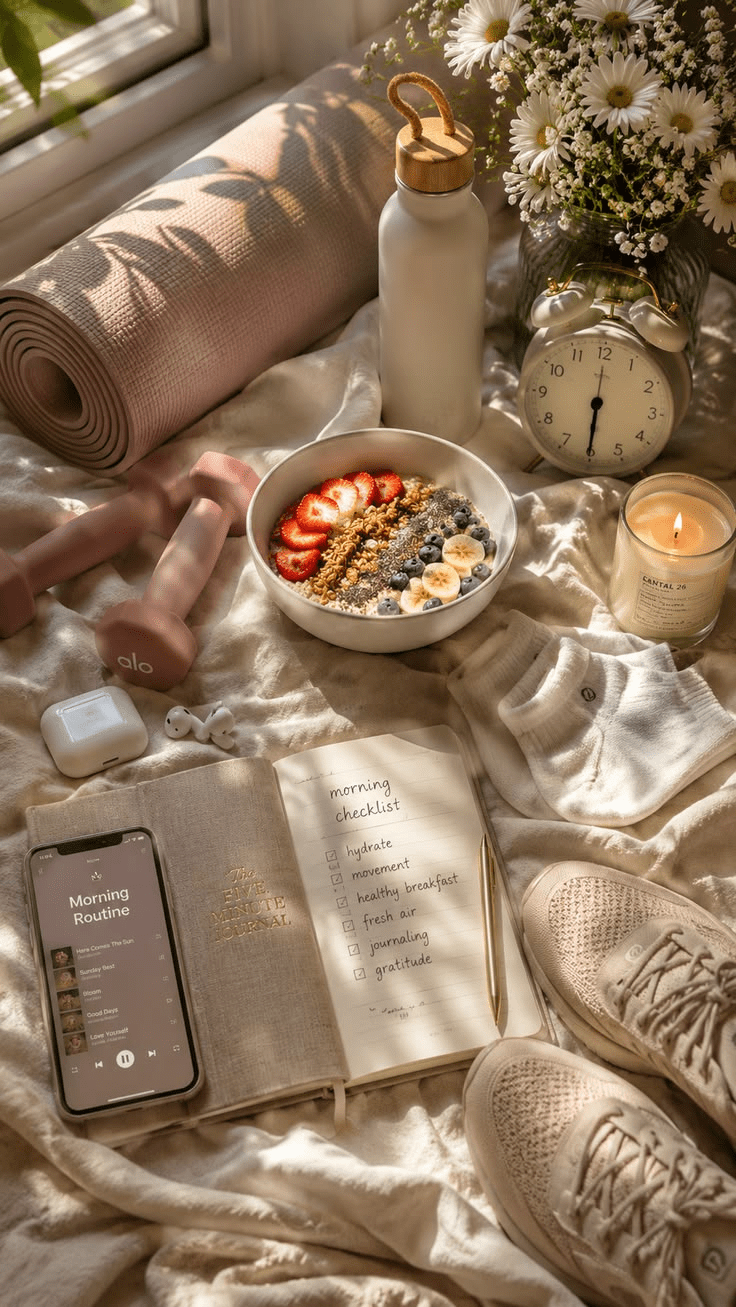
The “soft girl” lifestyle is not only about pastel outfits, skincare routines, pretty journals, or carefully designed morning spaces. At its heart, it is about creating a calmer and more intentional way of living. Soft girl habits encourage you to slow down, care for yourself, protect your peace, and make space for things that bring comfort and meaning. This does not mean avoiding responsibilities or pretending that life is always easy. Instead, it means learning how to handle daily pressure without constantly exhausting yourself. Small choices such as beginning the morning without rushing, speaking kindly to yourself, keeping your environment peaceful, and setting healthy boundaries can help you feel more emotionally balanced. These habits are especially useful when life feels busy, overwhelming, or disconnected. Rather than trying to transform your entire lifestyle overnight, you can begin with one simple routine and gradually build a life that feels more supportive.
A balanced soft girl lifestyle should also be realistic. You do not need expensive beauty products, luxury clothes, a perfect bedroom, or a carefully edited social media feed. True softness comes from the way you treat yourself and others. It can be found in drinking water before coffee, resting when your body needs it, preparing a nourishing meal, taking a quiet walk, or choosing not to respond immediately during an emotional moment. It also includes strength. Setting limits, walking away from unhealthy situations, asking for help, and protecting your time are all forms of soft living. The goal is not to become passive or overly delicate. It is to create a healthier balance between productivity and rest, confidence and kindness, ambition and inner peace. The following soft girl habits can help you build a lifestyle that feels calmer, more organised, and emotionally sustainable.
1. Begin Your Morning Slowly

A peaceful morning can influence the mood of your entire day. When you wake up late, immediately check your phone, and rush through your routine, your mind may enter a stressed state before the day has properly begun. A soft morning routine gives you time to connect with yourself before responding to work, messages, social media, or other responsibilities.
Start by waking up slightly earlier than necessary. Even an additional 15 minutes can make a difference. Open the curtains, make your bed, drink a glass of water, and take a few slow breaths. You might play gentle music, prepare tea, stretch, or write down your main priority for the day. Keep the routine simple enough to follow regularly.
Try not to begin the morning by comparing yourself with other people online. Checking social media immediately can fill your mind with information, opinions, and unrealistic images. Consider waiting until after breakfast or until you have completed your first important task.
A slow morning does not need to look perfect. Some days will still be busy, and you may not have time for a long routine. On those days, choose one calming action, such as drinking water quietly or taking three deep breaths. The purpose is to begin your day with intention rather than panic.
2. Create a Peaceful and Comfortable Space

Your surroundings can affect how calm, focused, and comfortable you feel. A soft girl space does not need to be expensive or perfectly decorated. It simply needs to feel clean, welcoming, and personal. Small changes can make your room or work area feel more peaceful without requiring a complete makeover.
Begin by removing unnecessary clutter from one small area. Clear your bedside table, organise your desk, fold your clothes, or throw away items you no longer need. Trying to organise everything at once may feel overwhelming, so focus on one space at a time.
Add details that make you feel relaxed. These might include a soft blanket, fresh flowers, a plant, a meaningful photograph, a candle, warm lighting, or a favourite book. Choose items that genuinely improve your mood rather than purchasing decorations only because they are popular online.
Your space should also be practical. Keep commonly used items within easy reach, create a place for important documents, and organise beauty products or accessories in a way that saves time. A calm room is not only visually attractive; it should also make daily life easier.
Spend five or ten minutes tidying at the end of each day. Returning items to their places can prevent clutter from building up and help you wake up in a more organised environment. A peaceful space can become a small form of everyday self-care.
3. Speak to Yourself with Kindness

The way you speak to yourself matters. Constant self-criticism can make small mistakes feel like major failures and may slowly reduce your confidence. One of the most meaningful soft girl habits is learning to replace harsh inner language with patience, honesty, and encouragement.
Pay attention to the words you use when something goes wrong. You may think, “I always ruin everything,” “I am not good enough,” or “Everyone is doing better than me.” These statements often feel true in emotional moments, but they are usually unfair and exaggerated.
Try replacing them with more balanced thoughts. You could say, “This did not go as planned, but I can learn from it,” or “I am still improving, and I do not need to have everything figured out.” Kind self-talk does not mean ignoring mistakes. It means correcting yourself without destroying your confidence.
Imagine how you would speak to a close friend who was struggling. You would probably offer understanding, useful advice, and reassurance. Try giving yourself the same level of respect.
You can also write supportive reminders in a journal or on your phone. Short phrases such as “Progress is still progress” or “Rest does not make me lazy” can help during stressful periods. A softer inner voice makes it easier to recover from challenges and continue moving forward.
4. Take Care of Your Body Gently
Soft living includes paying attention to your body’s basic needs. This means eating regularly, drinking enough water, sleeping well, moving in enjoyable ways, and noticing when you need rest. It is not about following an extreme wellness routine or trying to achieve a perfect appearance.
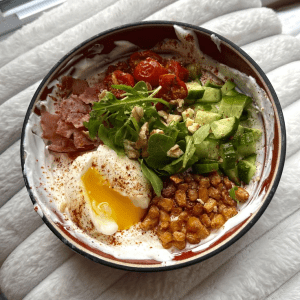
Begin with simple habits. Keep water nearby, eat balanced meals, and avoid skipping food because you are busy. Choose meals that give you energy and satisfaction rather than treating food as something you must earn. A nourishing breakfast, fruit, vegetables, protein, and comforting homemade meals can all be part of a gentle routine.
Movement should also feel supportive. You might walk, stretch, dance, practise yoga, cycle, or complete a short home workout. Choose activities you enjoy instead of forcing yourself into routines that leave you feeling punished or discouraged.
Sleep is equally important. Create a regular bedtime when possible, reduce screen time late at night, and prepare your sleeping area so it feels calm and comfortable. Your body cannot function well when it is constantly exhausted.
Pay attention to signs of stress, pain, or burnout. Rest before you reach complete exhaustion. Attend medical appointments when needed and ask for professional advice if something feels wrong. Caring for your body gently means respecting it as it is today, not only after it changes.
5. Dress in a Way That Makes You Feel Confident

Soft girl fashion is often associated with feminine colours, light fabrics, simple accessories, and comfortable outfits. However, the most important habit is not following one particular aesthetic. It is choosing clothes that help you feel comfortable, confident, and like yourself.
Start by identifying what makes you feel good. You may enjoy pastel colours, floral dresses, oversized sweaters, simple jeans, matching lounge sets, delicate jewellery, or clean neutral outfits. Your personal version of softness can be colourful, minimal, modest, elegant, casual, or creative.
Comfort should be part of your decision. Clothes that constantly need adjusting or make you feel insecure can affect your mood throughout the day. Choose fabrics, shapes, and sizes that allow you to move comfortably.
You can also create simple outfit combinations in advance. Pairing a few favourite pieces can save time and reduce morning stress. Keep your clothes clean, folded, and organised so that getting dressed feels easier.
Confidence does not require an expensive wardrobe. You can repeat outfits, shop second-hand, restyle older pieces, or add small accessories to create a fresh look. Good grooming, clean shoes, moisturised skin, and neat hair can also make a simple outfit feel polished.
Dress for your real life, not only for photographs. The best outfit is one that helps you feel relaxed, capable, and comfortable in your own body.
6. Protect Your Peace with Healthy Boundaries

Softness does not mean allowing people to disrespect you. A balanced life requires healthy boundaries that protect your time, energy, privacy, and emotional well-being. Boundaries help you care for others without constantly ignoring your own needs.
Begin by noticing situations that leave you feeling drained, uncomfortable, or resentful. You may regularly agree to plans you do not want, answer messages immediately, complete other people’s responsibilities, or tolerate comments that hurt you. These patterns can slowly create emotional exhaustion.
Practise saying no in a calm and respectful way. You do not always need a long explanation. Statements such as “I am not available today,” “I cannot take that on,” or “I would prefer not to discuss that” are clear and appropriate.
You can also create boundaries around your time. Avoid letting work, social media, or other people’s problems take over every part of your day. Set times when you are unavailable, protect your sleep, and leave space for your own priorities.
Some people may react negatively when you begin setting limits, especially if they benefited from your lack of boundaries. Their disappointment does not automatically mean you are doing something wrong.
Healthy boundaries allow you to remain kind without becoming overwhelmed. They are not walls designed to keep everyone away. They are guidelines that help relationships remain respectful, balanced, and emotionally safe.
7. Romanticise Ordinary Moments

Romanticising your life means noticing beauty and meaning in ordinary experiences. It does not require pretending that every day is perfect. Instead, it encourages you to become more present and appreciate small moments that might otherwise pass unnoticed.
You can make everyday routines feel more enjoyable by adding thoughtful details. Use your favourite cup in the morning, arrange your breakfast neatly, play music while cleaning, wear a comfortable outfit at home, or light a candle while reading. These actions do not need to be shared online to be meaningful.
Try slowing down during activities you usually complete automatically. Notice the warmth of your tea, the colour of the evening sky, the smell of clean clothes, or the sound of rain. Taking photographs, keeping a small journal, or creating monthly memory pages can help you remember these moments.
Romanticising your life should not become pressure to make everything visually perfect. A difficult day can still contain one peaceful moment. A messy room, simple meal, or quiet weekend can still have value.
The goal is to stop waiting for a holiday, relationship, new job, or major achievement before allowing yourself to enjoy life. When you learn to appreciate ordinary days, your life may begin to feel fuller and less dependent on special events.
8. Reduce Digital Overload

Phones and social media can be useful, but constant scrolling may leave you feeling distracted, anxious, or dissatisfied. A soft and balanced lifestyle includes using technology intentionally rather than allowing it to control your mood and attention.
Begin by noticing how you feel after spending time online. Certain accounts may inspire you, while others may create comparison, insecurity, or pressure. Unfollow, mute, or limit content that regularly makes you feel worse. Your online environment should support your well-being.
Turn off notifications that are not important. Constant alerts can interrupt rest, work, conversations, and sleep. You can also create phone-free periods during meals, morning routines, study sessions, or before bedtime.
Avoid comparing your ordinary life with someone else’s carefully selected highlights. Social media rarely shows financial stress, arguments, insecurity, exhaustion, or the many attempts behind a successful result. Remind yourself that you are seeing only part of the story.
Replace some screen time with activities that use your mind differently. Read, draw, cook, stretch, clean, walk, journal, or speak with someone in person. You do not need to complete a dramatic digital detox. Even 30 minutes away from your phone can help you feel more present.
Technology should be a tool in your life, not the centre of it.
9. Make Time for Creative and Restful Hobbies

A balanced life should include activities that are not connected to work, money, grades, appearance, or productivity. Creative and restful hobbies allow you to enjoy the process of doing something without needing to prove that you are good at it.
Choose activities that feel interesting or comforting. You might paint, bake, read, write, crochet, garden, take photographs, arrange flowers, create playlists, learn calligraphy, or decorate a journal. Your hobby does not need to become a business or social media project.
Avoid judging yourself during the learning process. Many people stop hobbies because they believe their first attempts should look professional. The purpose is enjoyment, not perfection. Give yourself permission to create something imperfect.
Restful hobbies are also valuable. Watching a favourite film, completing a puzzle, listening to a podcast, taking a slow bath, or sitting outside can help your mind recover from pressure. Rest does not always mean sleeping; it can mean choosing an activity that does not demand constant performance.
Schedule time for hobbies instead of waiting until every responsibility is finished. There will almost always be another task to complete. Even 20 minutes a few times each week can help you feel more connected to yourself.
Having interests outside your responsibilities can reduce stress and make your identity feel broader than your work or daily obligations.
10. Reflect and Plan Without Pressuring Yourself
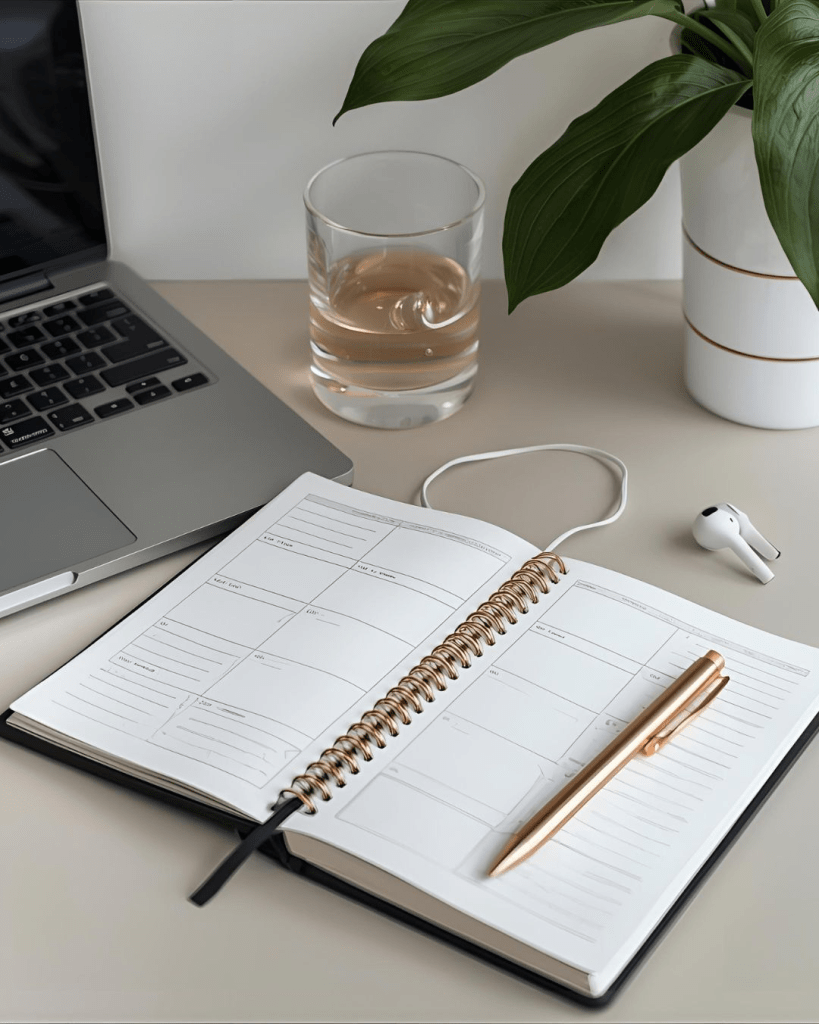
Reflection can help you understand what is working in your life and what needs to change. However, planning should guide you rather than make you feel inadequate. A soft girl planning habit focuses on realistic progress, flexible routines, and self-awareness.
Set aside a short period each week to review your recent days. Ask yourself what gave you energy, what drained you, what you completed, and what needs attention. Write your answers in a notebook, planner, or digital note.
Choose a few priorities for the coming week instead of creating an overwhelming list. You might select one work goal, one personal goal, and one wellness goal. For example, you could finish an assignment, organise your wardrobe, and take three evening walks.
Break larger goals into smaller actions. “Improve my life” is difficult to follow, but “prepare lunch the night before” or “save a small amount each week” is clear and manageable.
Leave space for unexpected events. A balanced plan should be flexible enough to adjust when your energy, health, or responsibilities change. Missing one day does not mean the entire plan has failed.
Celebrate progress that may not be visible to others. Resting before burnout, saying no, completing a small task, or responding calmly can all be important achievements. Reflection helps you build a life based on your real needs instead of unrealistic pressure.
Summary
The soft girl lifestyle is less about creating a perfect appearance and more about building a peaceful, balanced, and intentional life. Gentle mornings, supportive self-talk, body care, healthy boundaries, comfortable fashion, creative hobbies, and mindful planning can help you feel more emotionally grounded. You do not need to change every part of your routine at once. Begin with one habit that feels realistic and repeat it consistently. True softness includes confidence, discipline, rest, and the courage to protect your well-being. By treating yourself with greater patience and creating space for ordinary joy, you can develop a lifestyle that feels calm, meaningful, and sustainable.
Frequently Asked Questions
1. What is a soft girl lifestyle?
A soft girl lifestyle focuses on gentle routines, self-care, emotional balance, personal style, and appreciating everyday life. It may include feminine fashion or calming aesthetics, but it is mainly about treating yourself with kindness and creating a peaceful routine that supports your well-being.
2. Do I need expensive products to become a soft girl?
No. You do not need luxury skincare, designer clothing, or expensive decorations. Simple habits such as keeping your room tidy, drinking enough water, wearing comfortable clothes, journaling, and protecting your peace can all support a soft girl lifestyle without costing much money.
3. How can I start a soft girl morning routine?
Begin with two or three simple actions. Wake up with enough time to avoid rushing, drink water, open your curtains, stretch, and eat something nourishing. You can later add journaling, skincare, reading, or a short walk if these activities fit your schedule.
4. Can I follow soft girl habits while working or studying?
Yes. Soft girl habits can be adjusted to a busy routine. Take short breaks, keep your workspace comfortable, prepare meals in advance, limit unnecessary notifications, and create a calming evening routine. Balance does not require having a large amount of free time.
5. Is being a soft girl the same as being weak?
No. Softness and weakness are not the same. A soft lifestyle can include strong boundaries, self-respect, discipline, and confidence. Choosing calm communication and gentle self-care does not mean allowing people to treat you poorly.
6. How can I live a soft life on a small budget?
Focus on habits rather than products. Reorganise items you already own, create simple homemade meals, take free outdoor walks, borrow books, restyle your clothes, and use inexpensive decorations such as flowers, printed photographs, or soft lighting.
7. How long does it take to build soft girl habits?
There is no fixed timeline. Some routines may feel natural within a few weeks, while others take longer. Choose one or two habits at first and practise them consistently. Gradual changes are usually easier to maintain than attempting a complete lifestyle transformation.
8. What is the most important soft girl habit?
The most important habit is treating yourself with kindness while making choices that protect your well-being. This may include resting, setting boundaries, caring for your body, or speaking to yourself more positively. A soft life begins internally before it appears in your surroundings.