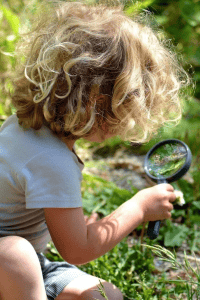

Exploring the animal world is an exciting way for kids and parents to learn, bond, and engage with nature. In 2026, families are seeking beginner-friendly activities that combine education, fun, and outdoor exploration. Observing domestic pets or wildlife, learning about habitats, and engaging in interactive games helps children develop empathy, curiosity, and understanding of the natural world. These activities also promote physical activity, problem-solving, and family connection.
Animal exploration can take place at home, in local parks, or at nature reserves and zoos. Activities that are safe, accessible, and engaging encourage children to observe and respect animals while having fun. Below are 12 beginner-friendly animal exploration ideas that families can enjoy together, fostering curiosity and appreciation for wildlife and domestic animals alike.
1. Backyard Wildlife Observation
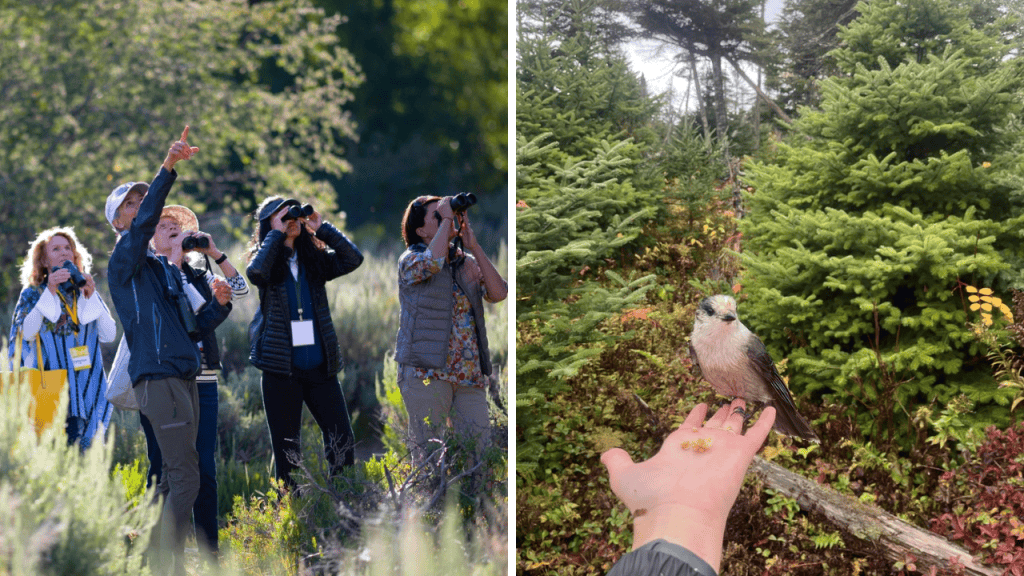
Use binoculars or just your eyes to watch birds, squirrels, and insects in your backyard. Take notes or draw what you see.
This activity teaches kids observation skills and patience while learning about local wildlife. It is simple, free, and engaging for all ages.
2. Pet Behavior Journaling

Keep a journal to record how pets like dogs or cats behave during the day. Note feeding, play, sleep patterns, and interactions.
Journaling encourages attention to detail, responsibility, and empathy. Kids learn about domestic animal needs and communication through observation.
3. Nature Walks and Habitat Exploration

Explore nearby parks, forests, or rivers to observe plants, animals, and insects in their natural environment.
Walking and exploring together teaches kids about habitats, biodiversity, and ecological balance. It encourages curiosity and outdoor activity.
4. Visit a Local Zoo or Aquarium
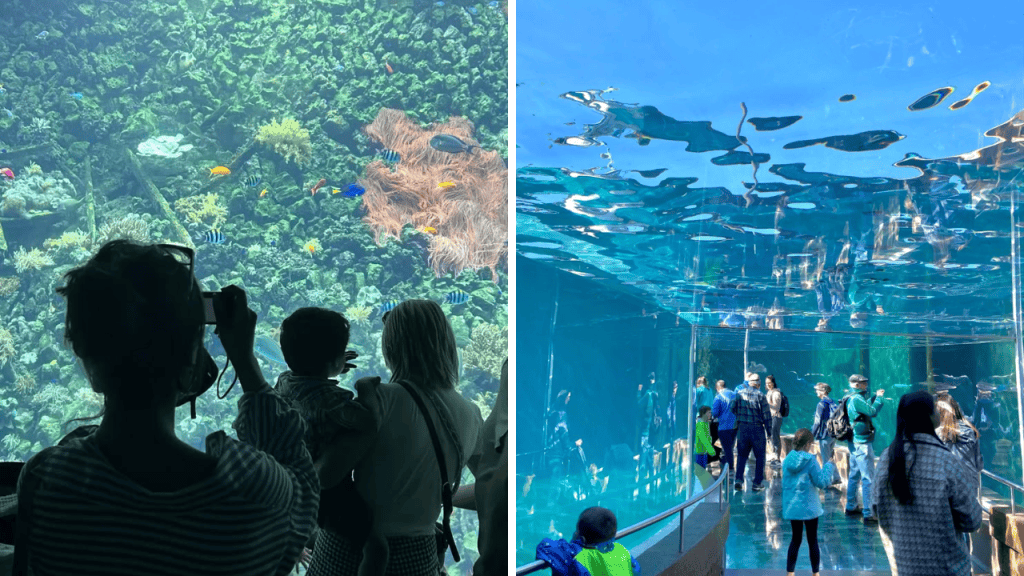
Zoos and aquariums provide safe, interactive opportunities to learn about diverse species from around the world.
Families can attend educational talks, watch feeding sessions, and engage with hands-on exhibits, making learning engaging and memorable.
5. DIY Bird Feeders
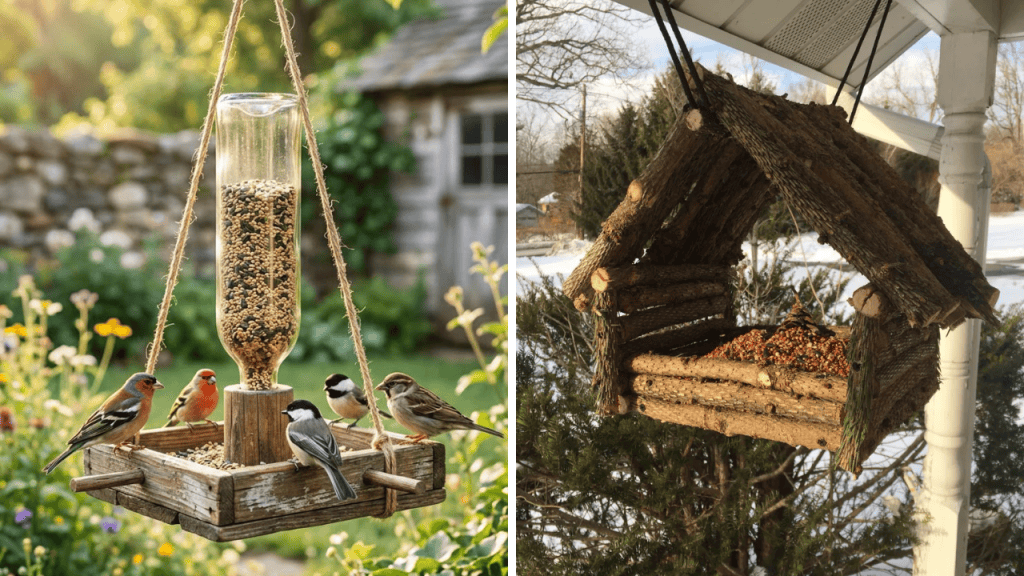
Create simple bird feeders using pinecones, peanut butter, and birdseed. Hang them outside and watch which birds visit.
This activity teaches responsibility and provides observation opportunities. Children learn about diet and habits of local bird species.
6. Nature Scavenger Hunt
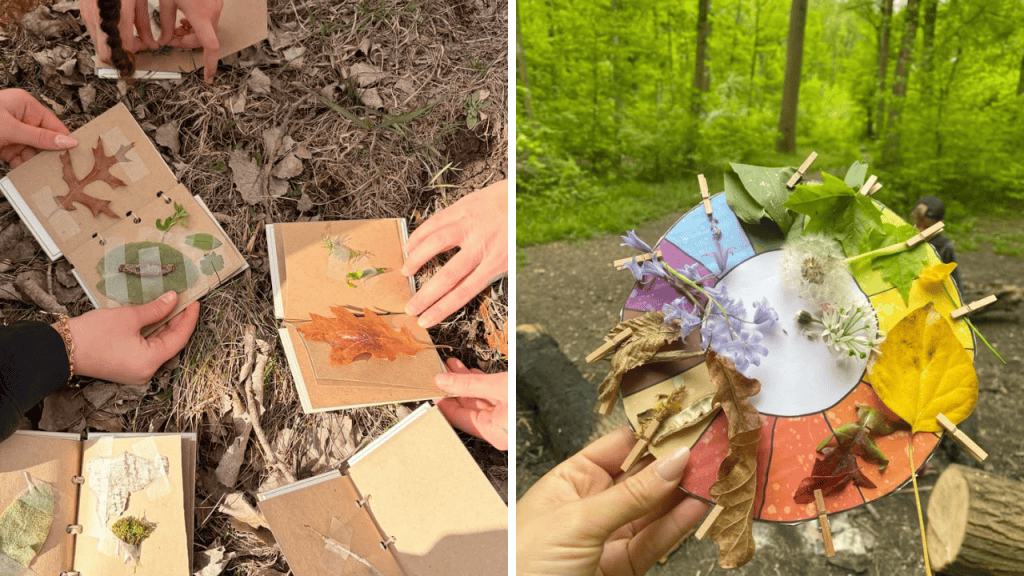
Organize a scavenger hunt to find different animals, footprints, feathers, or insects in a park or backyard.
Scavenger hunts promote observation, critical thinking, and teamwork. It’s an interactive and fun way to explore wildlife with kids.
7. Animal-Themed Storytelling
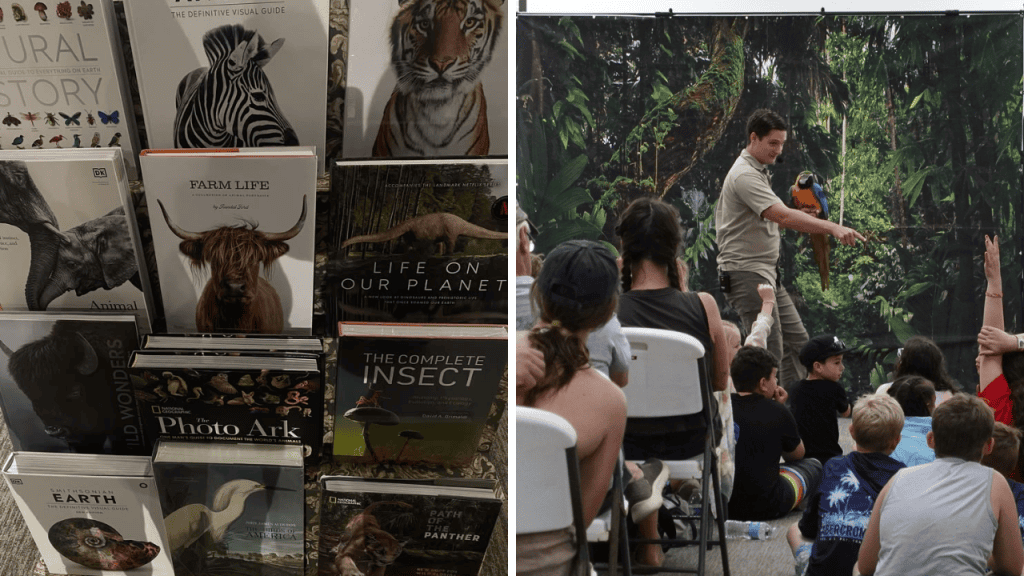
Read books or create stories about animals. Encourage kids to describe behaviors, habitats, or adventures.
Storytelling reinforces learning, imagination, and empathy. It strengthens family connection while promoting curiosity about animals.
8. Pond or Stream Exploration

Visit local ponds or streams to observe fish, frogs, and aquatic insects. Use nets, magnifying glasses, or small containers for safe observation.
This hands-on experience teaches aquatic biology basics and the importance of preserving ecosystems. Kids learn respect for water habitats.
9. Animal Photography
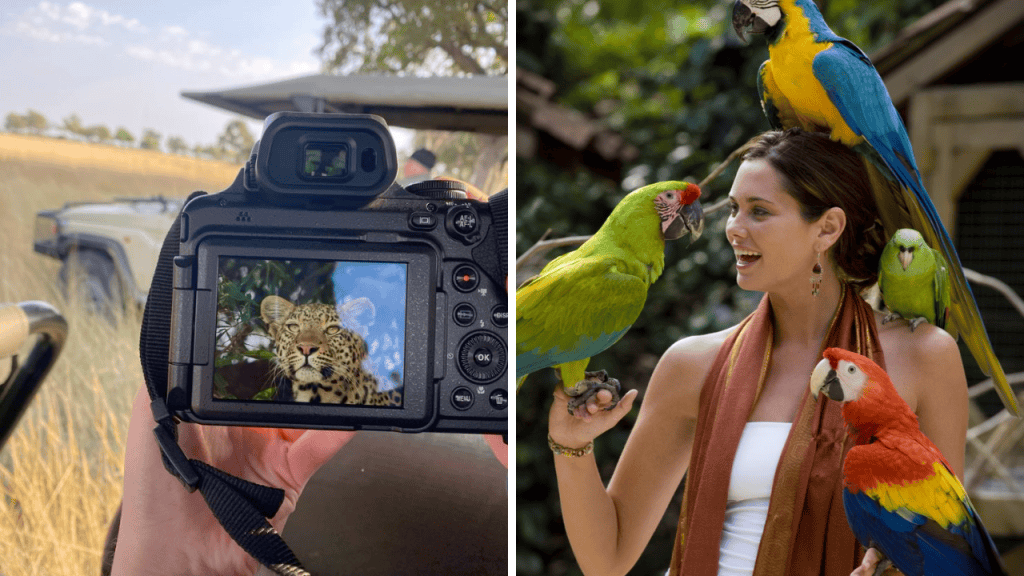
Encourage kids to photograph pets or wildlife during walks or park visits. Focus on behaviors, colors, and patterns.
Photography promotes attention to detail and creativity. Captured images provide lasting memories and a fun way to review observations.
10. Craft Animal Tracks
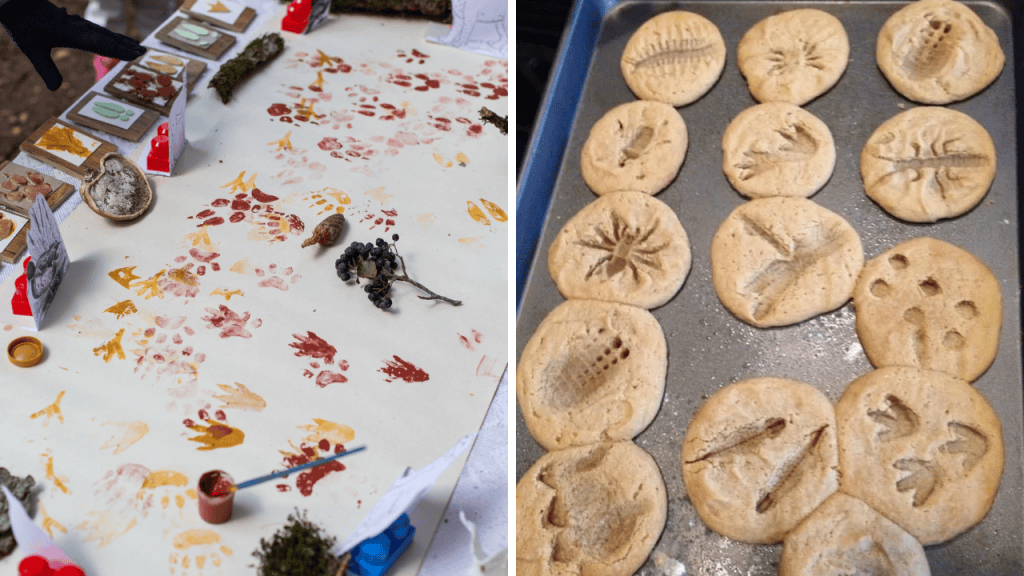
Use clay, sand, or playdough to create or identify animal tracks. Compare with pictures to learn which tracks belong to which animals.
This hands-on activity develops recognition skills, fine motor skills, and knowledge of wildlife behavior.
11. Virtual Animal Learning
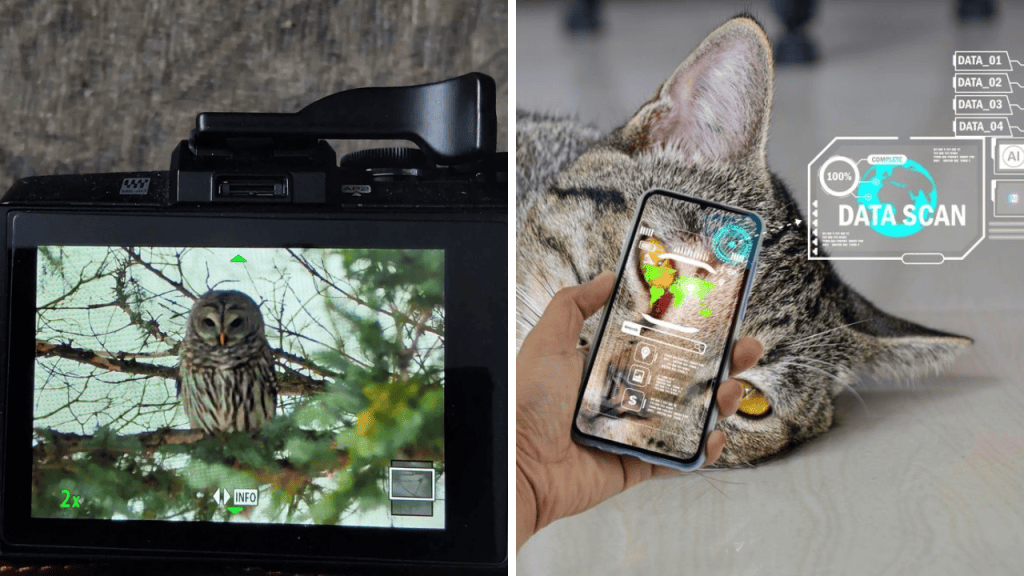
Use educational apps or online videos to explore wild or exotic animals. Discuss habitats, diets, and behaviors.
Virtual learning complements outdoor activities, providing exposure to species not accessible locally. It broadens knowledge and encourages curiosity.
12. Garden Pollinator Observation
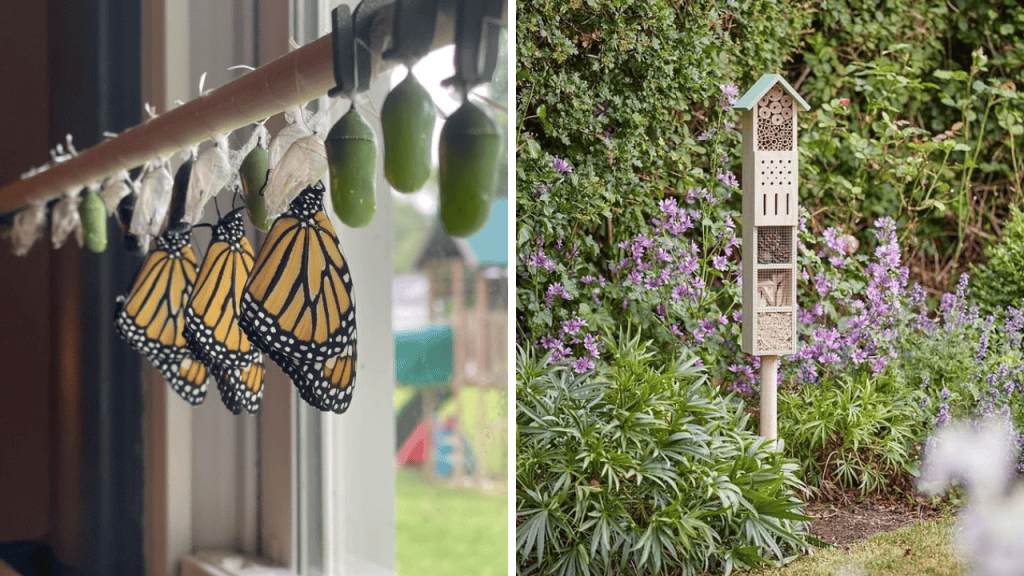
Watch bees, butterflies, and other pollinators in a home or community garden. Learn about their role in ecosystems.
This activity teaches environmental awareness, biology, and the importance of conservation. Kids engage actively with the natural world safely.
Summary
Beginner-friendly animal exploration activities offer families a way to learn, bond, and engage with nature safely and enjoyably. From backyard wildlife observation and journaling pets to visiting zoos, pond exploration, or creating DIY bird feeders, these 12 activities foster curiosity, empathy, and outdoor engagement. Combining hands-on, educational, and creative experiences helps children develop a lifelong appreciation for animals and the environment.
FAQ
1. What is the easiest way for kids to start exploring animals?
Backyard observation of birds, squirrels, and insects is simple and effective.
2. Are these activities safe for children?
Yes, all activities are beginner-friendly and can be supervised for safety.
3. Do we need special equipment?
Basic tools like binoculars, magnifying glasses, journals, or a camera enhance the experience but are optional.
4. Can we combine indoor and outdoor learning?
Absolutely, books, storytelling, and virtual exploration complement outdoor observation.
5. How do these activities benefit kids?
They improve observation skills, empathy, creativity, and knowledge about wildlife and ecosystems.
6. Can pets be included in these activities?
Yes, documenting behavior, play, and interactions with domestic animals enhances learning and bonding.