
Hiking in the USA offers an incredible way to connect with nature, get exercise, and explore scenic landscapes. In 2026, more beginners are venturing onto trails ranging from coastal paths to mountain forests, seeking adventure and outdoor relaxation. While hiking is enjoyable, it requires preparation and awareness, especially for those new to the activity. Understanding basic safety, trail etiquette, and essential gear is crucial for a successful hiking experience.
For beginner hikers, smart planning ensures comfort, reduces risk, and enhances enjoyment. By learning about trail conditions, proper equipment, pacing, and environmental respect, newcomers can approach outdoor adventures confidently. Below are 8 smart tips for beginner hikers exploring USA trails to help make each adventure safe, fun, and memorable.
1. Choose Beginner-Friendly Trails

Select trails that match your fitness level and experience. Look for shorter distances, gentle elevation, and well-marked paths.
Starting with manageable trails reduces fatigue, prevents frustration, and allows you to build confidence before attempting more challenging hikes.
2. Check Weather and Trail Conditions
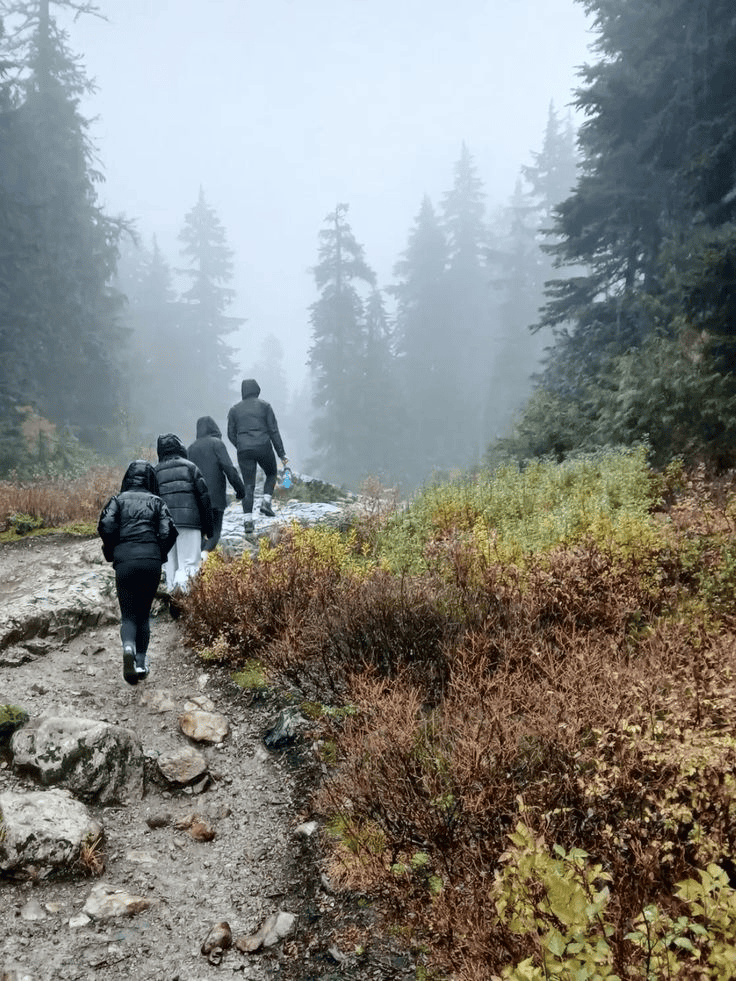
Always review the weather forecast and current trail conditions. Mountain and forest environments can change quickly, impacting safety.
Being informed helps you dress appropriately, prepare for potential hazards, and decide whether to hike that day, ensuring a safe and comfortable experience.
3. Wear Proper Footwear
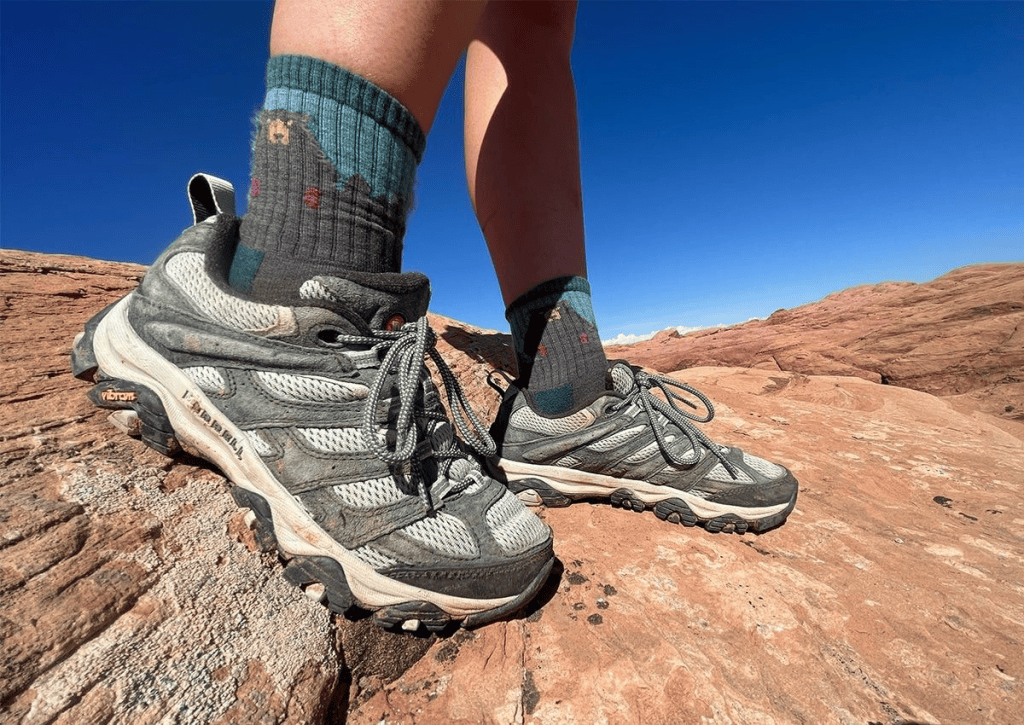
Sturdy, supportive hiking shoes or boots with good grip are essential. Shoes should protect your feet and provide stability on uneven terrain.
Proper footwear prevents injuries, blisters, and slipping, making your hike safer and more enjoyable.
4. Pack Essential Gear
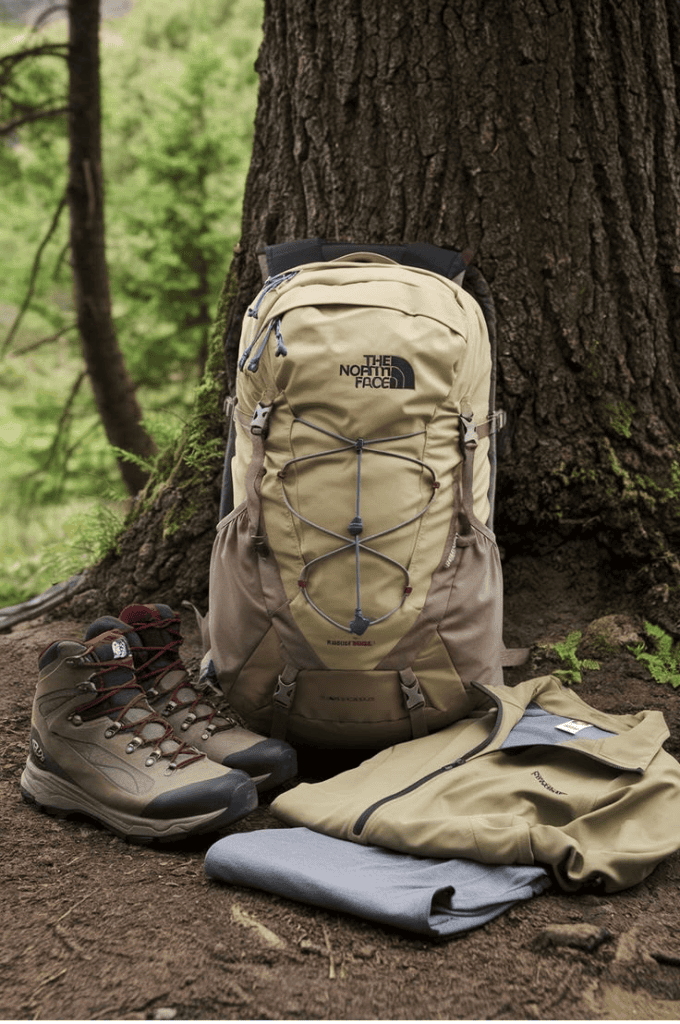
Bring water, snacks, a first-aid kit, a map or GPS, sunscreen, and extra clothing layers. A small backpack keeps items organized and accessible.
Packing essentials prepares you for minor injuries, weather changes, or fatigue, ensuring a more secure and comfortable hiking experience.
5. Start Early and Pace Yourself

Hike early in the day to enjoy cooler temperatures, avoid crowds, and make the most of daylight. Maintain a steady pace to conserve energy.
Pacing and early starts prevent exhaustion and allow for breaks, hydration, and appreciation of the scenery along the way.
6. Follow Trail Etiquette
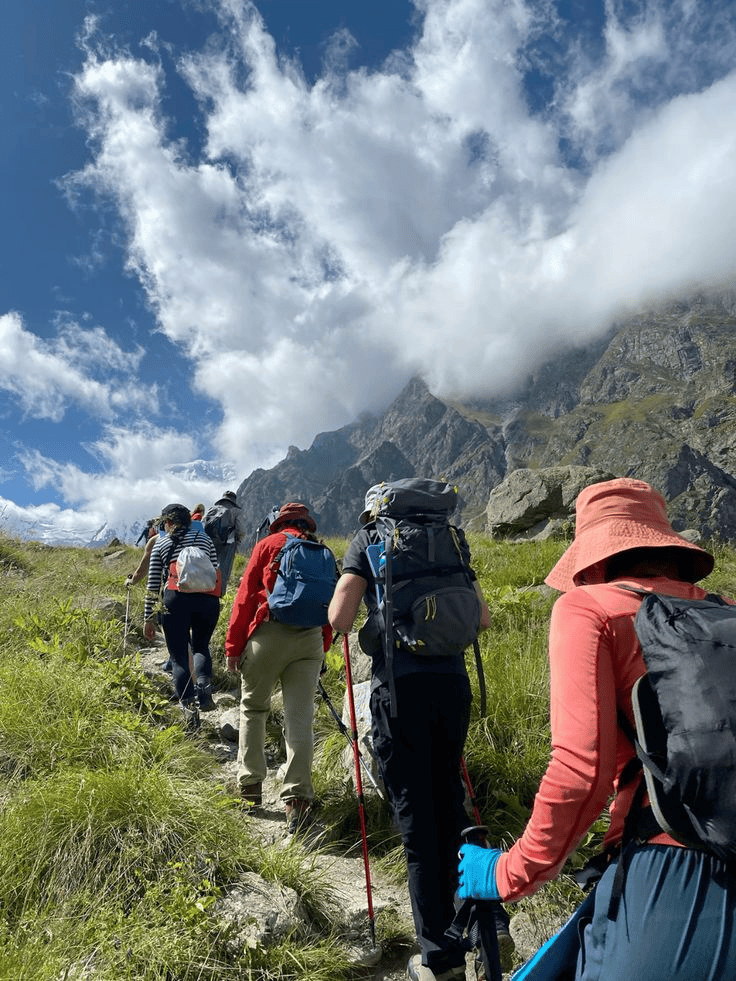
Stay on designated paths, respect wildlife, and leave no trace. Following trail rules protects the environment and ensures safety for everyone.
Proper etiquette preserves trails for future hikers and minimizes ecological impact while creating a respectful outdoor culture.
7. Stay Hydrated and Energized

Drink water regularly and eat small snacks during the hike to maintain energy and alertness.
Proper hydration and nutrition prevent fatigue, dizziness, and dehydration, supporting a safe and enjoyable hiking experience.
8. Hike with a Buddy or Inform Someone

Whenever possible, hike with a friend or group. If hiking alone, share your route and expected return time with someone.
Companions enhance safety, provide support in emergencies, and increase enjoyment. Informing others ensures help is available if needed.
Summary
Exploring USA trails as a beginner is rewarding when approached with preparation and awareness. Choosing suitable trails, checking weather, wearing proper footwear, packing essentials, pacing yourself, practicing trail etiquette, staying hydrated, and hiking with a companion ensures a safe and enjoyable experience. By following these 8 smart tips, new hikers can confidently explore outdoor adventures while appreciating the beauty and diversity of nature in 2026.
FAQ
1. Which trails are best for beginners?
Short, gentle, well-marked trails with minimal elevation are ideal.
2. How should I prepare for trail weather?
Check forecasts, dress in layers, and bring rain or sun protection.
3. What gear is essential for beginner hikes?
Water, snacks, proper footwear, map or GPS, sunscreen, and a small first-aid kit.
4. Is it safe to hike alone as a beginner?
Hiking alone is possible, but informing someone of your plan or hiking with a buddy is safer.
5. How can I avoid fatigue on hikes?
Pace yourself, hydrate, take breaks, and bring energy snacks.
6. What is proper trail etiquette?
Stay on trails, respect wildlife, leave no trace, and follow park rules.