
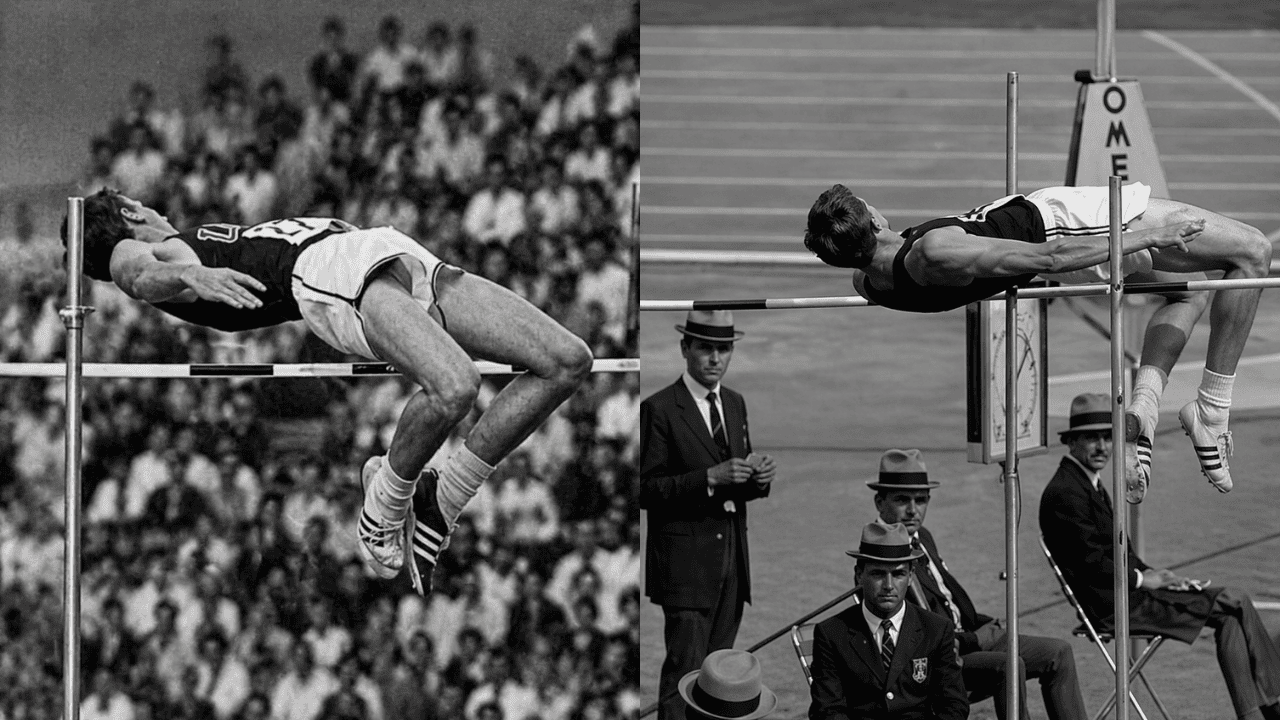
In the early 1960s, high jumping followed a set of well-established techniques. Athletes used methods like the “straddle” or “scissors” to clear the bar, approaches that had been refined over decades. Success depended on mastering these traditional styles. But for one young athlete, those techniques simply did not work.
Dick Fosbury was just 16 years old when he struggled to compete using the standard high jump methods. Despite his efforts, he could not achieve the same results as others. Instead of giving up, he did something unexpected—he experimented. Rather than jumping face-down or sideways over the bar, Fosbury began going over it backward, leading with his head and arching his body in a motion that looked unusual and, to many, completely wrong.
Coaches and observers were skeptical. Some dismissed his technique as awkward, even risky. It didn’t resemble anything that had been taught or proven in competition. But Fosbury continued refining his approach, trusting what worked for him rather than conforming to tradition.
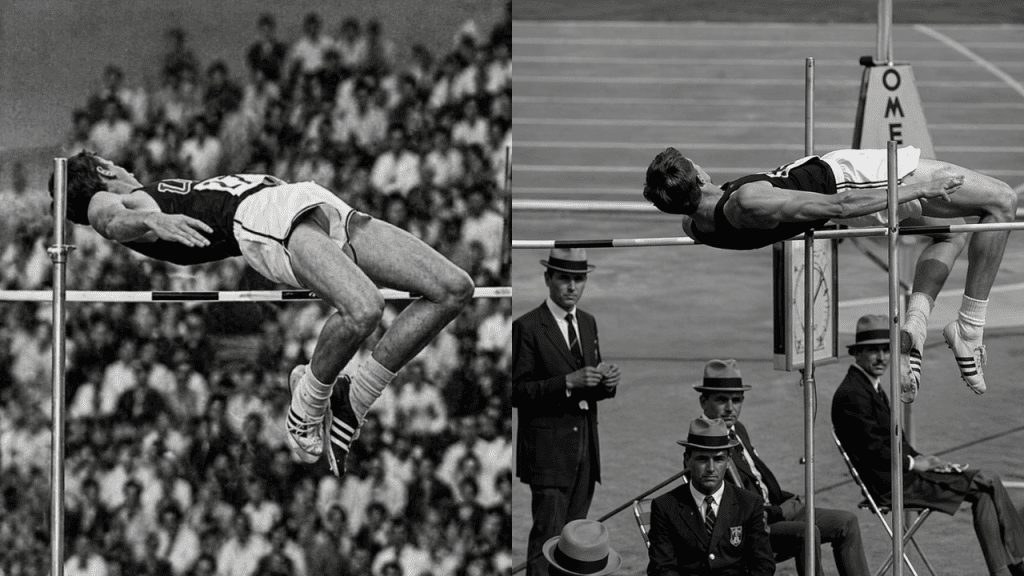
What seemed unconventional soon proved effective.
By the time the 1968 Olympic Games in Mexico City arrived, Fosbury had developed his technique into a consistent and powerful method. Competing against the world’s best, he used his now-signature style—later known as the “Fosbury Flop”—to clear 2.24 meters and win the gold medal.
The impact of that moment went far beyond a single victory.
Fosbury’s success challenged long-held assumptions in athletics. His technique demonstrated that innovation could outperform tradition, even in a sport with deeply established practices. Within a few years, athletes around the world began adopting his method. What was once considered strange became the new standard.
Today, nearly every high jumper uses a variation of the Fosbury Flop.
His story is not just about athletic achievement—it is about rethinking limitations. Fosbury didn’t succeed by mastering what already existed; he succeeded by questioning it. He turned a personal weakness into a revolutionary strength, proving that sometimes the best way forward is to try something entirely different.
Dick Fosbury’s legacy lives on every time an athlete clears the bar backward. His leap in 1968 did more than win a medal—it changed the sport forever, reminding us that innovation often begins where convention ends.