
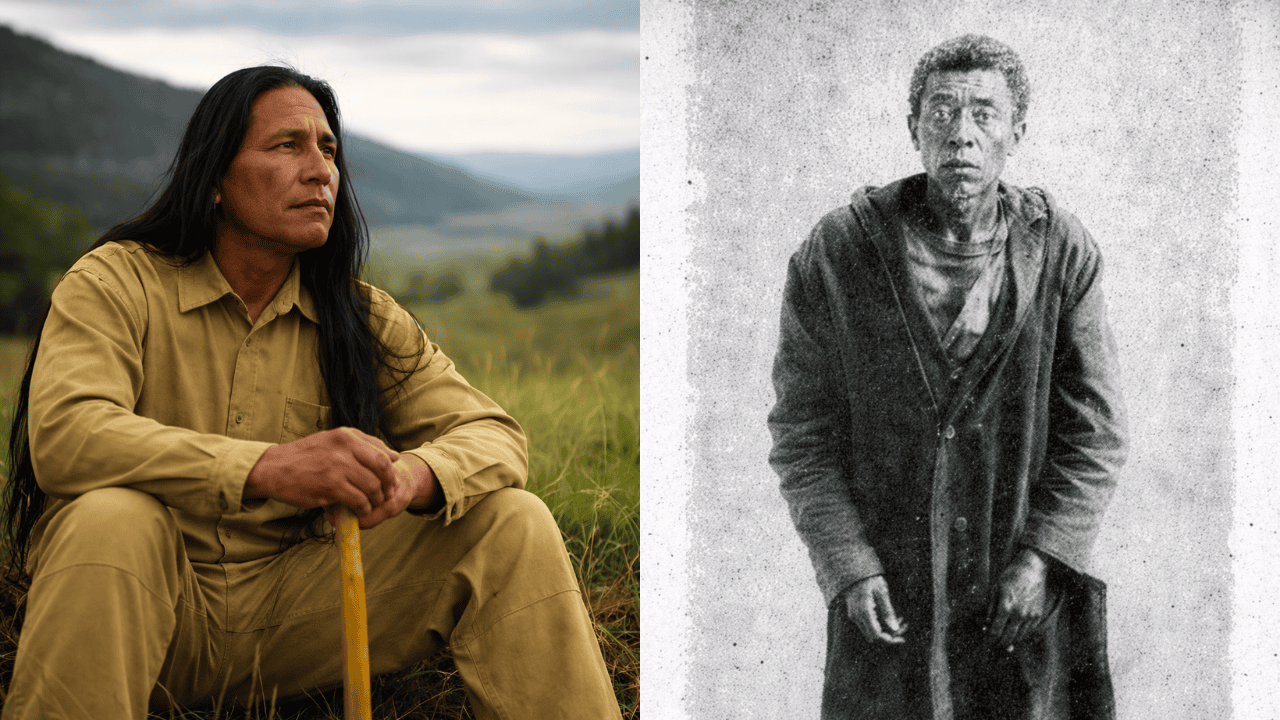
In 1911, a frail and starving man emerged from the wilderness of Northern California, capturing the attention of a society that had long believed his people were gone. He would come to be known as Ishi, the last known member of the Yahi, a small Native American group whose existence had been nearly erased during decades of हिंसा and displacement.
For over 40 years, Ishi had lived in hiding. His people had suffered devastating losses as settlers moved into their lands, bringing conflict, disease, and destruction. One by one, the Yahi population declined until Ishi was left alone. To survive, he retreated deep into the wilderness, avoiding contact with the outside world and living off the land as his ancestors had done for generations.
When he finally stepped out in 1911, it marked not just the end of his isolation, but also the symbolic end of an entire culture’s uninterrupted existence. Weak from hunger and exposure, he was taken in by anthropologists from the University of California, Berkeley. Recognizing the significance of his story, they offered him shelter and care.
During the next five years, Ishi became an invaluable source of knowledge. He shared insights into Yahi traditions, language, and survival techniques—knowledge that might otherwise have been lost forever. Through demonstrations and conversations, he helped researchers better understand a way of life that had been pushed to the brink of extinction.
However, Ishi’s time in this new environment was limited. Having lived most of his life in isolation, he had little immunity to diseases common in urban society. In 1916, he died of tuberculosis, a tragic yet common fate for many Indigenous people who came into contact with settlers.
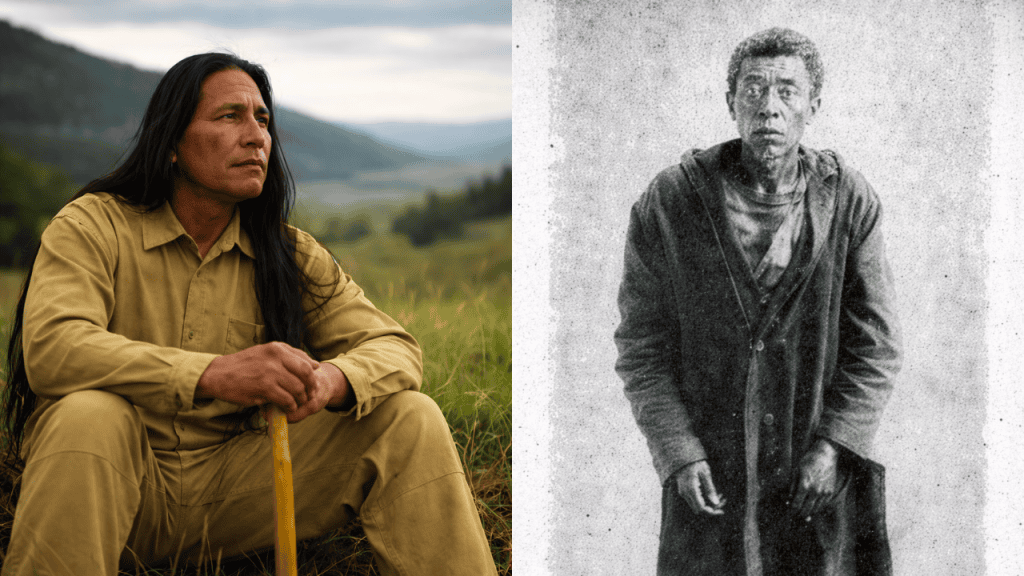
Ishi’s story is both deeply moving and historically significant. It reflects the devastating impact of westward expansion on Native American communities, while also preserving a vital connection to a culture that might have otherwise disappeared without record.
Today, Ishi is remembered not only as the “last Yahi,” but as a symbol of resilience and survival in the face of unimaginable loss. His willingness to share his knowledge ensured that his people’s legacy would not be completely forgotten.
His life stands as a powerful reminder of the human cost of history—and the importance of preserving the voices and stories of those who came before us.