
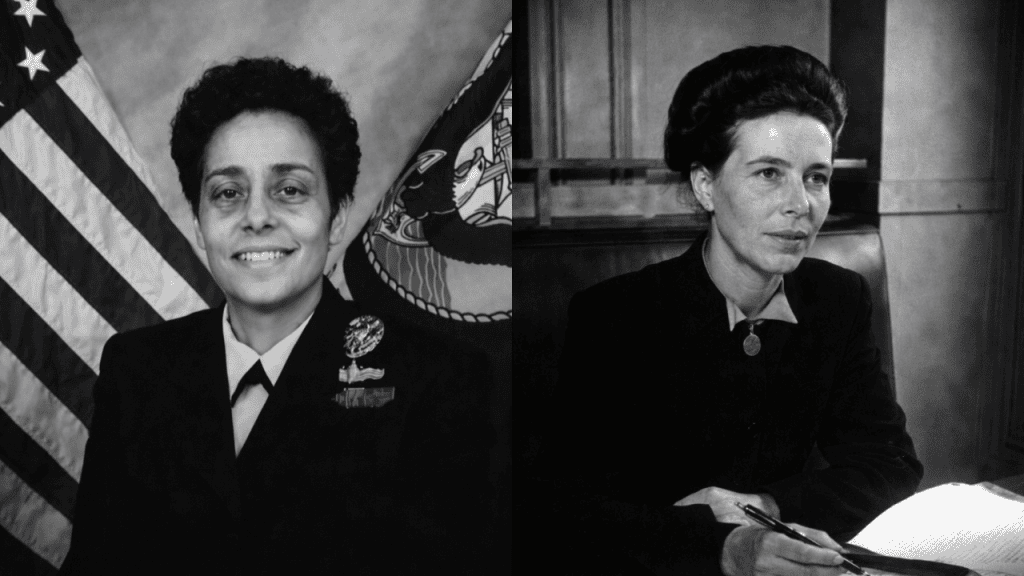
In 1949, French philosopher and writer Simone de Beauvoir published The Second Sex, a groundbreaking work that would go on to reshape conversations around gender, identity, and equality. At the time of its release, the book sparked immediate controversy and intense debate across the world. Within just one week, it sold approximately 20,000 copies an extraordinary figure that reflected both public curiosity and the urgency of its message.
However, the book’s success was quickly met with resistance. The Vatican banned it, and critics from various ideological backgrounds launched strong attacks against its content. Yet, the outrage was not rooted in obscenity or scandal. Instead, Beauvoir’s real “offense” was her clarity and boldness in exposing deeply ingrained societal norms. She challenged long-standing beliefs about women’s roles and identities, forcing society to confront uncomfortable truths.
At the heart of The Second Sex lies one of the most influential ideas in modern feminist thought: the concept of woman as “the Other.” Beauvoir argued that throughout history, women had been defined not as independent individuals, but in relation to men who were considered the default or standard of humanity. This perspective placed women in a secondary position, shaping their opportunities, expectations, and freedoms.
One of the most powerful lines from the book “One is not born, but rather becomes, a woman” captured this idea succinctly. With these words, Beauvoir introduced a radical shift in thinking. She suggested that gender is not simply a biological fact, but a social construct shaped by culture, upbringing, and societal expectations. This insight challenged the notion that inequality between men and women was natural or inevitable.
By questioning these assumptions, Beauvoir opened the door to a new understanding of human identity. If gender roles were created by society, then they could also be changed. Inequality was no longer something fixed or unavoidable; it became something that could be addressed, challenged, and ultimately dismantled.
What made Beauvoir’s work particularly impactful was her refusal to seek approval or conform to societal expectations. She wrote with conviction, presenting her ideas unapologetically. Her commitment to truth, even in the face of widespread criticism, ensured that her voice could not be easily dismissed or silenced.
Over time, The Second Sex became a cornerstone of feminist philosophy, influencing generations of thinkers, activists, and writers. Its ideas continue to resonate today, as discussions about gender equality and identity remain central to global discourse.
Simone de Beauvoir’s work stands as a testament to the power of intellectual courage. By articulating truths that many were unwilling to acknowledge, she not only challenged the status quo but also helped pave the way for meaningful social change. Once her words were spoken, they could not be ignorednand their impact continues to shape the world decades later.