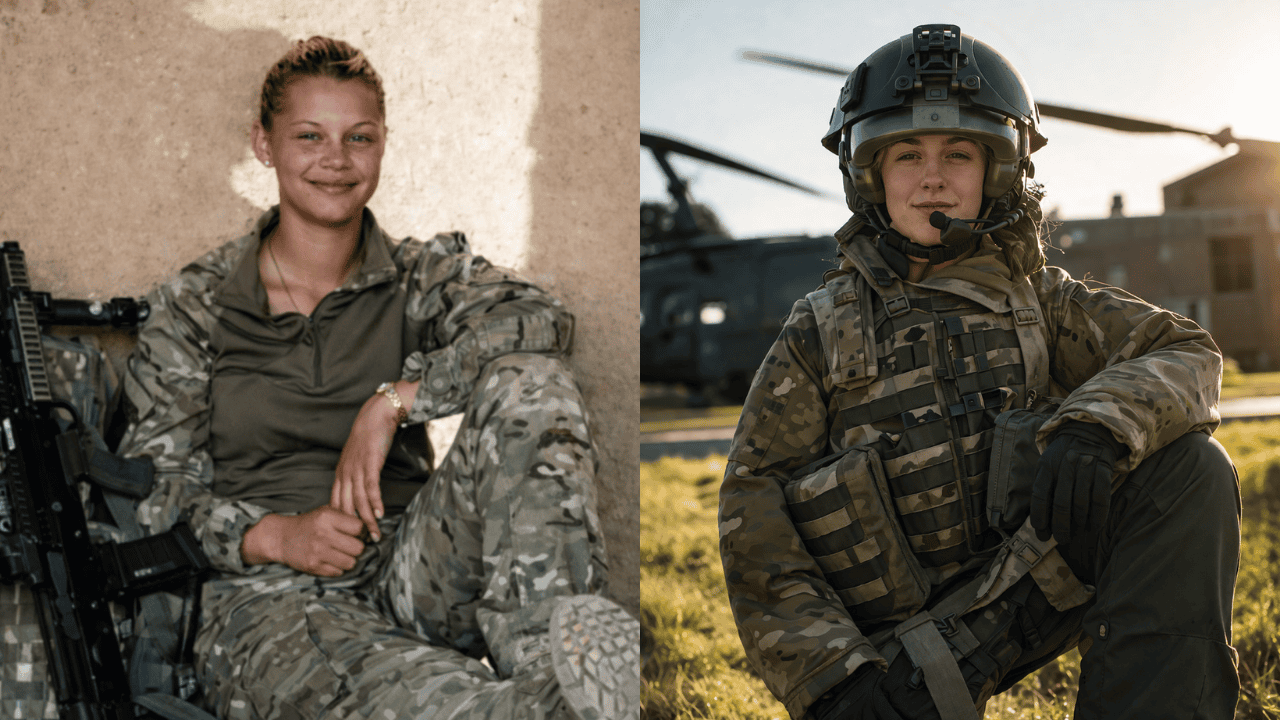
On April 18, 2015, in the harsh and unpredictable environment of Afghanistan, British Army Private Bethany Gifford was serving far from home, in conditions that demanded both courage and constant readiness. As a Combat Medical Technician with 3 Medical Regiment, she was part of a system that existed not just to fight – but to save lives in the most critical moments.
Stationed out of Camp Bastion, one of the main British military bases in Afghanistan, Gifford’s role placed her at the front lines of danger. The base itself was a hub of activity, where medics worked tirelessly to treat wounded soldiers and civilians alike. Many of the injuries they faced were severe – caused by roadside bombs, gunfire, and the unpredictable nature of modern warfare.
But Gifford’s work was not limited to the relative safety of the base.
She regularly accompanied convoy logistic patrols, moving through hostile territory where every road could hide danger. These missions were essential, supplying troops and maintaining operations, but they were also among the most vulnerable to attack. For a medic, this meant being prepared to act instantly – often under fire, often in chaotic and life-threatening situations.
Her responsibility was clear: to provide immediate care when it mattered most.
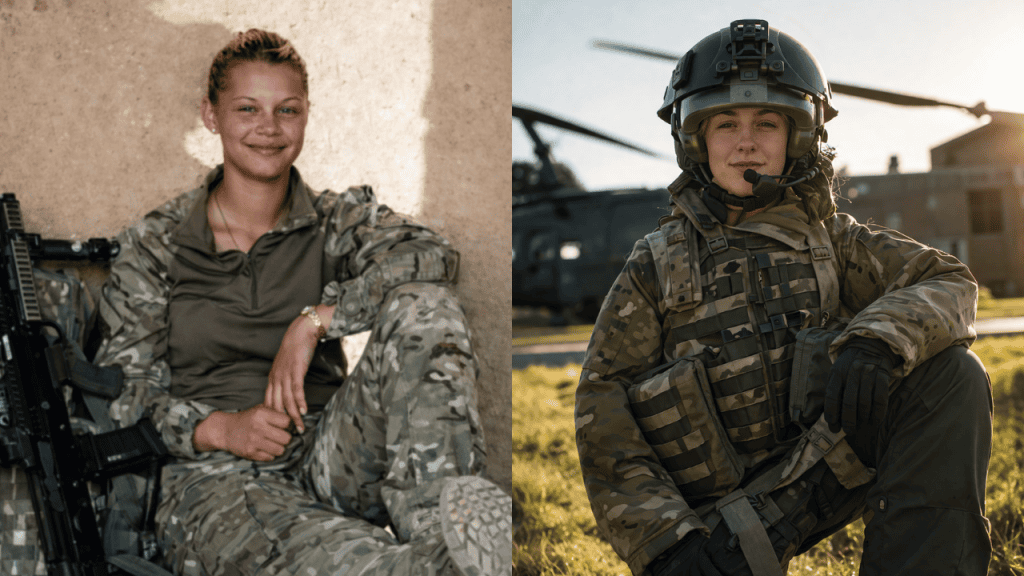
In those moments, training and instinct took over. Whether treating injuries on the roadside or stabilizing casualties for evacuation, Gifford’s role was about preserving life in the narrow window between injury and survival. It required not only medical skill, but composure under pressure and the ability to act without hesitation.
The work of medics like Gifford often goes unseen compared to frontline combat roles, yet it is just as vital. Every life saved is the result of preparation, courage, and the willingness to move toward danger rather than away from it.
Her service also reflects a broader shift in modern military history. Women have increasingly taken on roles in operational environments once considered off-limits, proving through action that capability is not defined by gender. Gifford’s presence on patrol, in high-risk situations, was part of that evolving reality.
What stands out in her story is not a single dramatic moment, but the consistency of her commitment. Day after day, mission after mission, she stepped into uncertainty with the same purpose – to help others survive.
In a conflict defined by complexity and risk, Bethany Gifford’s role reminds us that heroism is not always loud or visible. Sometimes, it is found in the steady hands of those who run toward the wounded, carrying with them the knowledge and determination to make the difference between life and death.