On the morning of January 16, 1942, in the dense jungles of Bataan in the Philippines, the war had already begun to close in on American and Filipino forces. The air was heavy with tension, the sounds of distant fighting never far away. Amid this uncertainty, Army mess sergeant Jose Calugas was doing what he had been assigned to do—preparing breakfast for his fellow soldiers.
Then everything changed.
A nearby artillery position came under sudden and devastating attack. The gun was hit, its crew killed or wounded, leaving it silent at a critical moment. Without it, a dangerous gap opened in the defensive line. Enemy forces were advancing, and without that artillery support, the position risked being overrun.
Calugas did not wait for orders.
Leaving his post, he ran across open ground toward the damaged gun—a distance of nearly a thousand yards. The terrain was torn by shellfire, the air alive with danger. Every step exposed him to enemy fire, yet he pressed forward, driven by a clear understanding of what was at stake.
When he reached the position, the situation was as dire as expected. The crew was down, the gun damaged, and the defense faltering. But Calugas acted quickly. He gathered the remaining able soldiers, organized them, and began working to restore the artillery piece.
Under fire, they managed to repair the gun and bring it back into action.
For hours, Calugas and the small group he had rallied held their ground, firing on advancing enemy forces and helping to stabilize the line. The gun that had fallen silent was once again a force in the battle, buying precious time and preventing further collapse.
When the immediate danger had passed, Calugas did something just as remarkable.
He returned to his original duties.
There was no dramatic announcement, no claim of heroism. He went back to the kitchen and resumed preparing food, as if what he had just done was simply part of the day’s work. It was an act of quiet humility that matched the courage he had shown under fire.
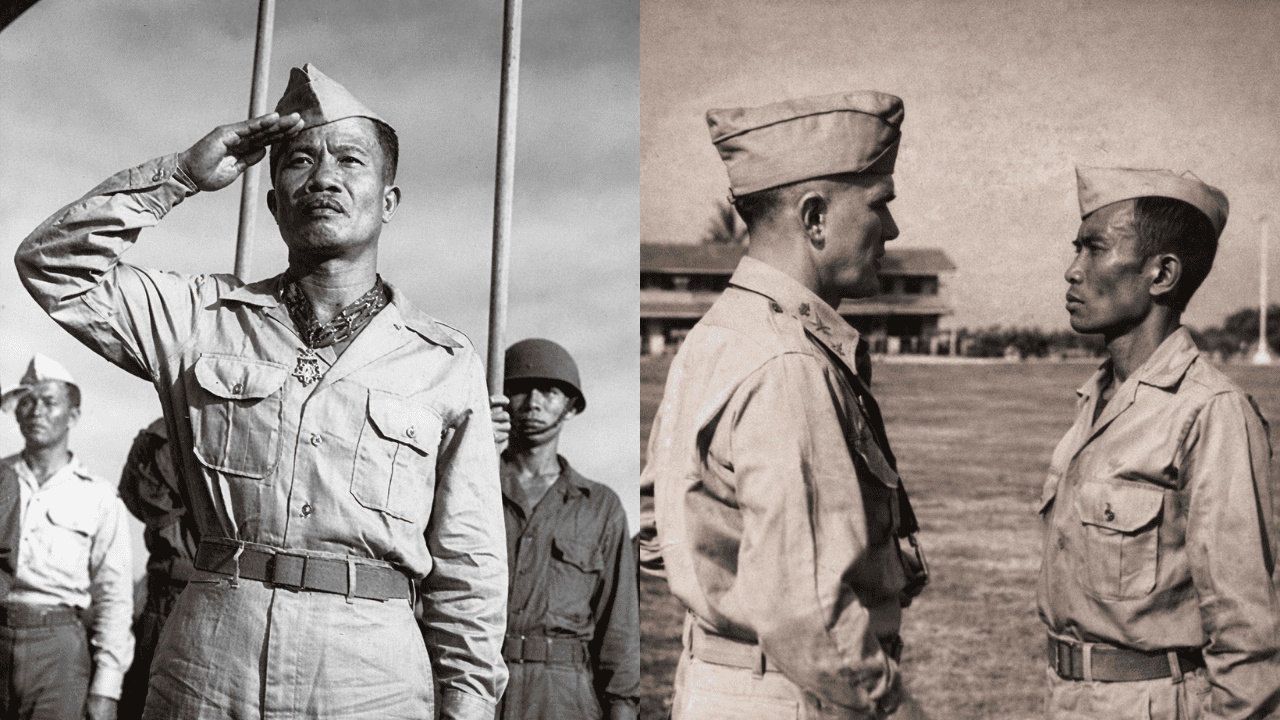
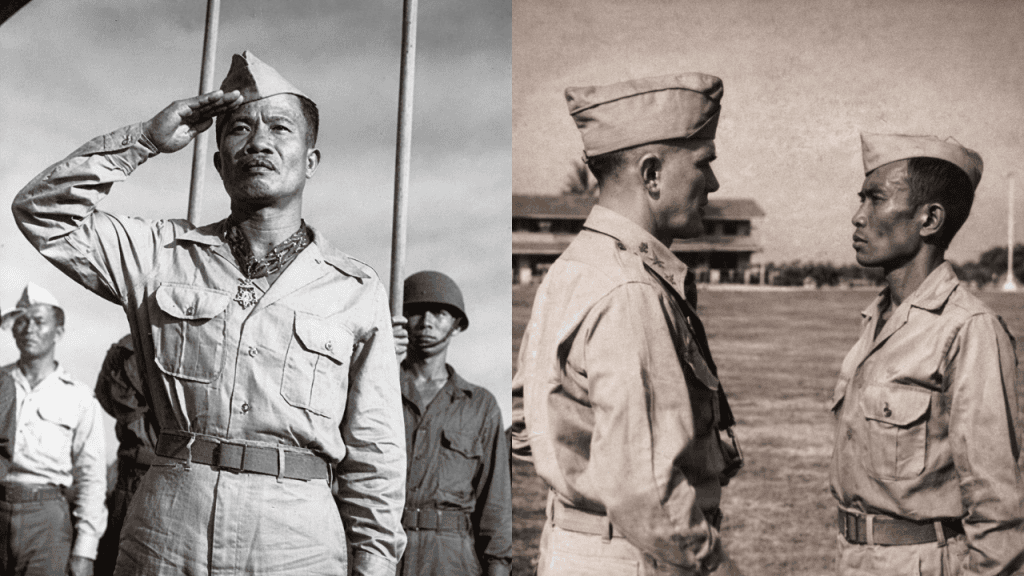
Later, his actions would be recognized with the Medal of Honor, one of the highest military honors awarded for bravery. He became the first Filipino to receive the distinction during World War II, a recognition of both his extraordinary courage and his unwavering sense of duty.
Jose Calugas’s story is not just about a moment of heroism on the battlefield. It is about instinct, responsibility, and the willingness to act when no one tells you to. In a moment when others might have hesitated, he moved forward—and in doing so, changed the course of that fight.
From a kitchen in the jungle to the front line of battle, his actions remain a powerful reminder that courage often appears when it is least expected—and matters most.