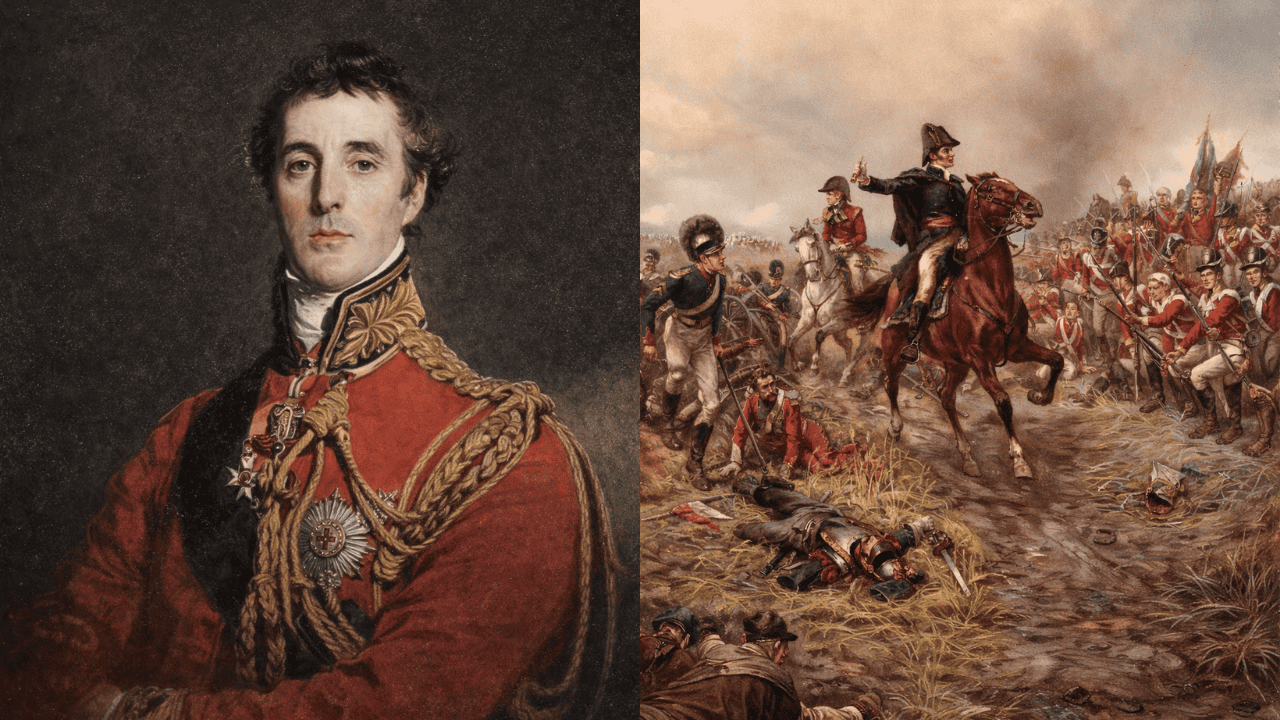
After the fall of Napoleon, Europe entered a moment of uneasy calm. The long years of war had ended, but the memory of conflict still lingered in every court and capital. At the center of this new order stood Arthur Wellesley, the Duke of Wellington—the man who had helped bring down one of history’s most formidable military leaders.
Wellington had earned his reputation on battlefields across Spain during the Peninsular War, where he steadily pushed back Napoleon’s forces. His campaigns were marked by discipline, careful planning, and an ability to outmaneuver some of France’s most experienced commanders. But it was at Waterloo in 1815 that his name became inseparable from victory. There, alongside Allied forces, he faced Napoleon himself—and ended his final bid for power.
In the years that followed, Wellington became a symbol of Allied triumph. To the British, he was a national hero. To many across Europe, he represented the turning of the tide. But for the French, especially those who had served under Napoleon, his presence carried a different meaning—a reminder of defeat.
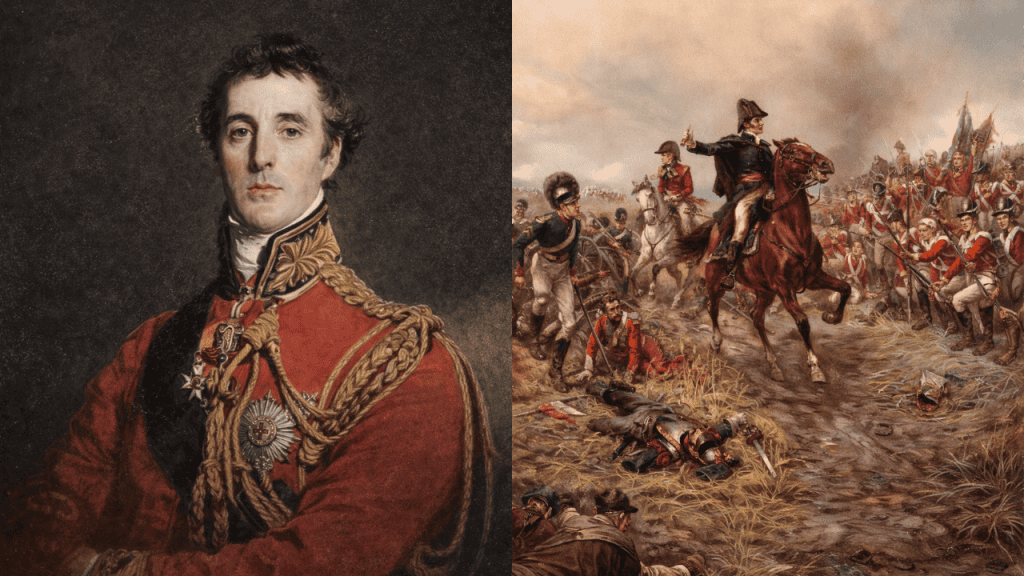
According to a well-known story, this tension surfaced during a royal gathering after the restoration of the Bourbon monarchy. Wellington attended alongside French marshals who had once fought fiercely for Napoleon. As the story goes, when he entered the room, some of these marshals turned their backs on him in silent protest.
The gesture, whether fully accurate or shaped by time, captures the atmosphere of that moment—an uneasy coexistence between former enemies now forced into the same political space.
It is said that the king, noticing the tension, apologized to Wellington for the slight. His response, calm and cutting, has echoed through history: “I have seen their backs before.” In a single remark, he turned insult into memory, recalling the battlefield moments when those same men had retreated before him.
Whether the exchange happened exactly as described is still debated by historians. Like many stories passed down through generations, it may have been polished or simplified over time. Yet its endurance speaks to something deeper than literal accuracy.
The story reflects the character often associated with Wellington—measured, composed, and quietly confident. It also captures the lingering emotions of a Europe emerging from years of war, where victory and defeat were not easily forgotten.
More than just a clever remark, the tale endures because it bridges history and human nature. It reminds us that even after treaties are signed and battles are over, pride, memory, and rivalry continue to shape how people see one another.
In that room, whether in fact or legend, Wellington stood not just as a general, but as a symbol of a turning point in history—one where the echoes of war still lingered in every glance, every silence, and every word spoken.