
In 1910, on the grounds of the United States Supreme Court, a woman stood to argue a case that was far more than a legal dispute. For Lyda Conley, a Wyandot lawyer, it was a fight for memory, identity, and the resting place of her ancestors.
Conley’s story begins in Kansas City, where the Wyandot people had established a burial ground known as the Huron Indian Cemetery. It was not just a piece of land—it was sacred ground, holding generations of her tribe’s dead. But by the early twentieth century, the U.S. government planned to sell the cemetery, treating it as surplus land rather than a place of deep cultural and spiritual importance.
For Conley, this was unthinkable.
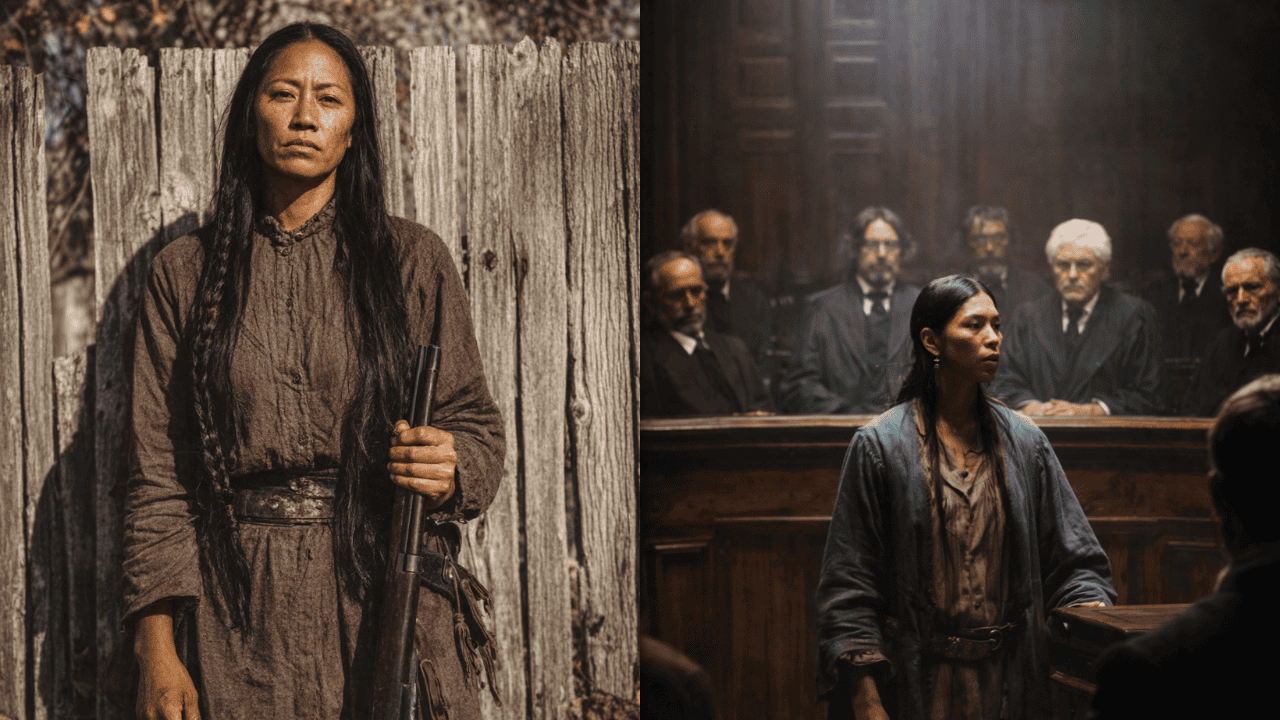
Refusing to accept the decision, she took a stand that would become one of the most remarkable acts of resistance in Native American history. Alongside her sisters, she physically defended the cemetery, building a small shelter on the grounds and keeping watch. Armed and determined, they guarded the site day and night, prepared to protect it from trespassers and officials alike.
But Conley understood that the battle would not be won by vigilance alone. She turned to the law, determined to challenge the government through the very system that threatened her people’s land. Without formal legal training at first, she taught herself, studying tirelessly until she was ready to take the fight to court.
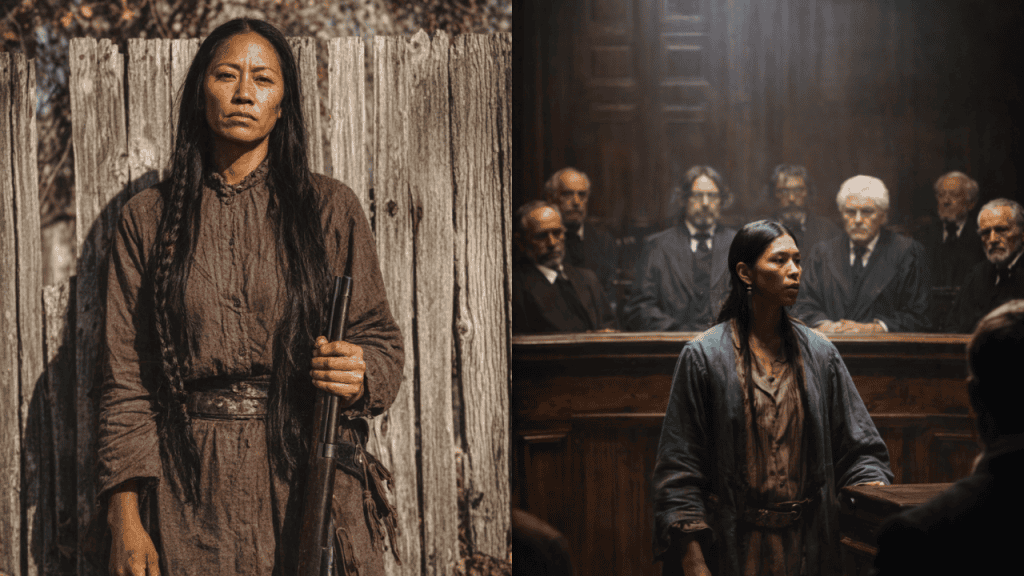
In 1910, Lyda Conley became the first Native American woman to argue a case before the United States Supreme Court. Standing before the highest court in the nation, she spoke not just as a lawyer, but as a voice for her ancestors. Her argument centered on the injustice of selling sacred burial land and the government’s failure to honor its obligations to the Wyandot people.
Although the Supreme Court ultimately ruled against her, Conley’s fight did not end in defeat.
Her determination drew national attention. Newspapers began to cover the story, and public opinion slowly shifted. Many Americans, who had never considered the significance of Native burial grounds, were moved by her courage and conviction. The pressure grew until Congress intervened.
In a rare reversal, legislation was passed to protect the cemetery, preserving it from sale. The land that had been at risk was saved, not by quiet acceptance, but by relentless resistance.
Lyda Conley continued to practice law for many years, becoming a respected figure in her community. Yet her legacy reaches far beyond her legal career. She helped set a precedent for Indigenous rights, showing that even against powerful institutions, persistence could bring change.
Her stand at the Huron Indian Cemetery remains a powerful reminder that some battles are not just about land, but about honoring those who came before. Through courage, defiance, and an unwavering sense of justice, Lyda Conley ensured that her people’s past would not be erased.