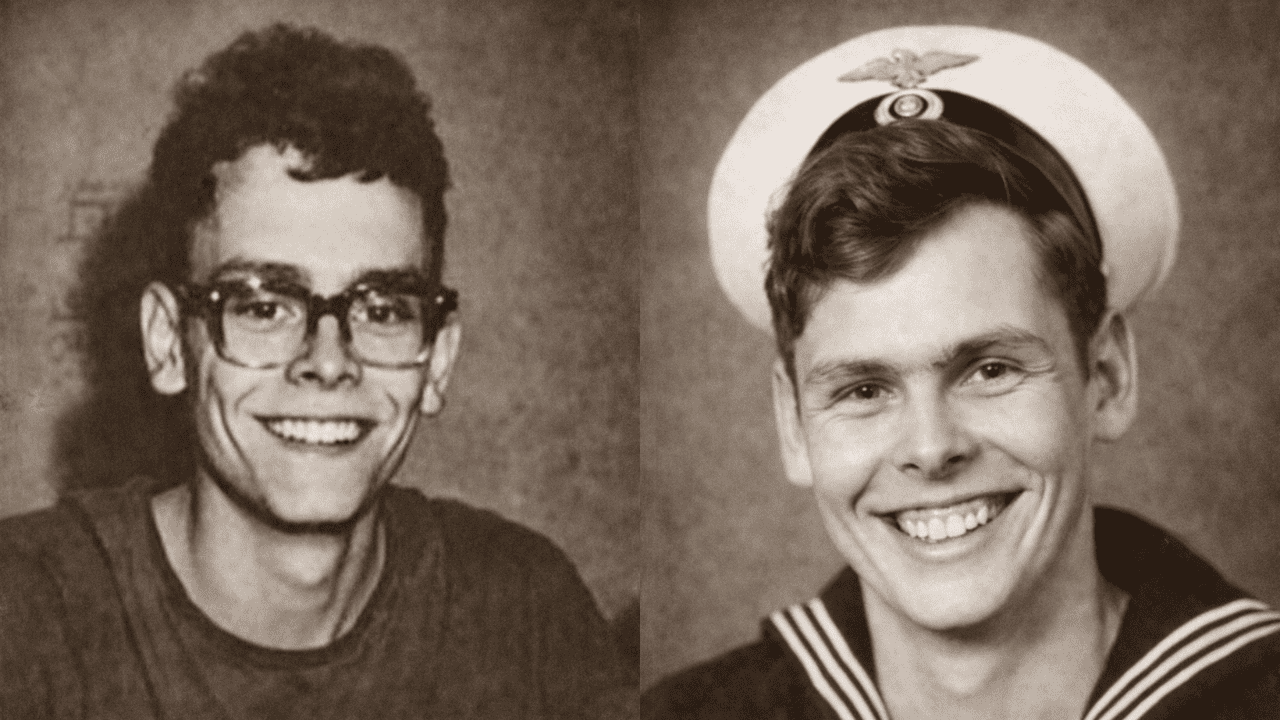
Douglas Hegdahl never set out to become a hero. He was a quiet, small-town kid from South Dakota who joined the U.S. Navy in 1966, more out of curiosity than ambition. Like many young men of his time, he hoped to see the world. Instead, he found himself in the middle of one of the most brutal conflicts of the twentieth century the Vietnam War.
In April 1967, everything changed in an instant.
While standing on deck in the Gulf of Tonkin, watching his ship fire its guns into the night, the force of a blast knocked the twenty-year-old sailor overboard. He disappeared into the dark ocean, far from shore, with no one realizing immediately what had happened. Hours later, exhausted and alone, he was pulled from the water by Vietnamese fishermen.
From there, his fate was sealed.
Hegdahl was handed over to North Vietnamese forces and eventually taken to Hỏa Lò Prison infamously known to American prisoners as the “Hanoi Hilton.” His captors initially believed they had captured someone of intelligence value. That assumption could have cost him everything.
But Hegdahl quickly understood the danger.
If they believed he held important military knowledge, the interrogations would be relentless. Torture would likely follow. So he made a decision that would define his survival and ultimately save others.
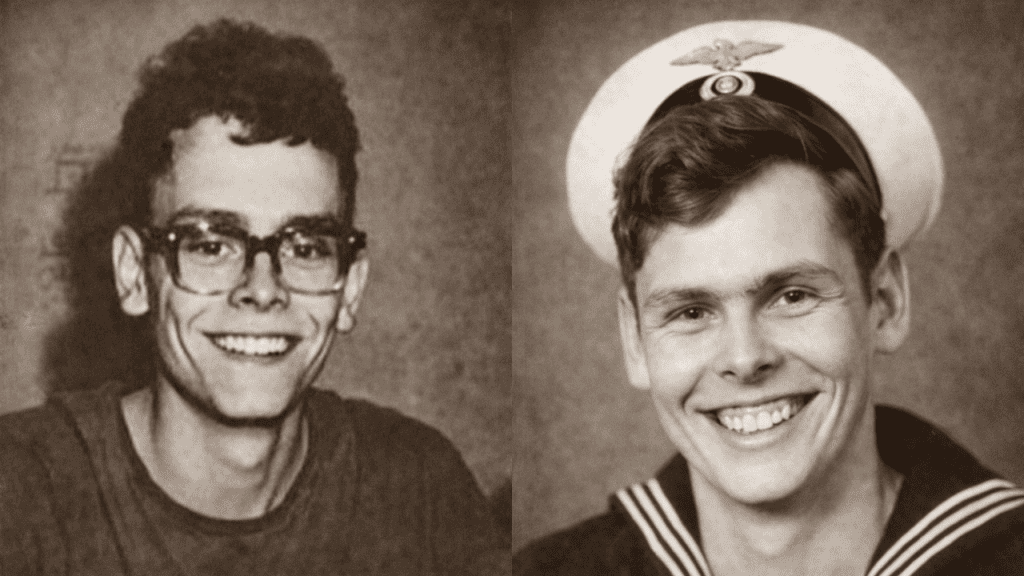
He pretended to be unintelligent.
Hegdahl exaggerated his rural accent, answered questions slowly, and often acted confused. When asked to write statements, he claimed he could barely read or write, forcing his captors to spell out simple words. Over time, the guards began to believe the act. They gave him a nickname that revealed just how completely he had fooled them “The Incredibly Stupid One.”
That misjudgment changed everything.
Because he was seen as harmless, Hegdahl was allowed to move more freely within parts of the prison compound. While sweeping courtyards and performing basic tasks, he quietly observed his surroundings guard routines, building layouts, and prisoner conditions.
But the most important mission he carried out came from within the prison itself.
Another American prisoner, Commander Joseph Crecca, had begun compiling a secret list of captured Americans. At the time, many families back home had no confirmation whether their loved ones were alive or dead. The information was priceless but dangerously difficult to preserve.
Hegdahl took on the responsibility.
He memorized the names.
More than 250 prisoners.
To keep them locked in his mind, he turned the list into a song, setting the names to a simple tune and repeating it silently over and over again. Day after day, he carried those names with him, never writing them down, never risking discovery.
In 1969, the North Vietnamese made a decision that would prove to be a mistake.
As part of a propaganda effort, they released Hegdahl, believing he posed no threat. To them, he was still the same harmless, “stupid” sailor they had underestimated.
But when he returned home, he carried something far more powerful than they realized.
He carried proof.
Hegdahl recited the names of over 250 American prisoners who were still alive. His memory provided critical intelligence, offering hope to families and helping the U.S. government understand the true conditions inside the prison camps.
In a war defined by strategy and firepower, Douglas Hegdahl used something far simpler patience, deception, and an ordinary mind turned into an extraordinary weapon.