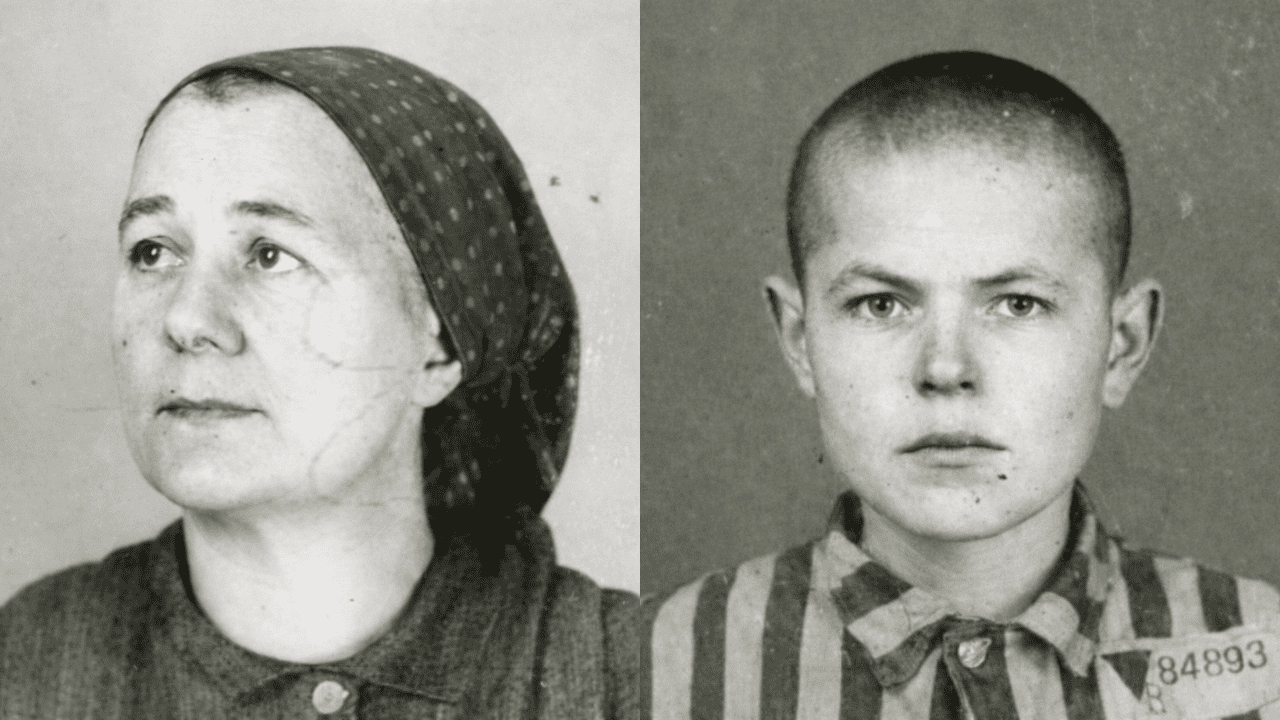
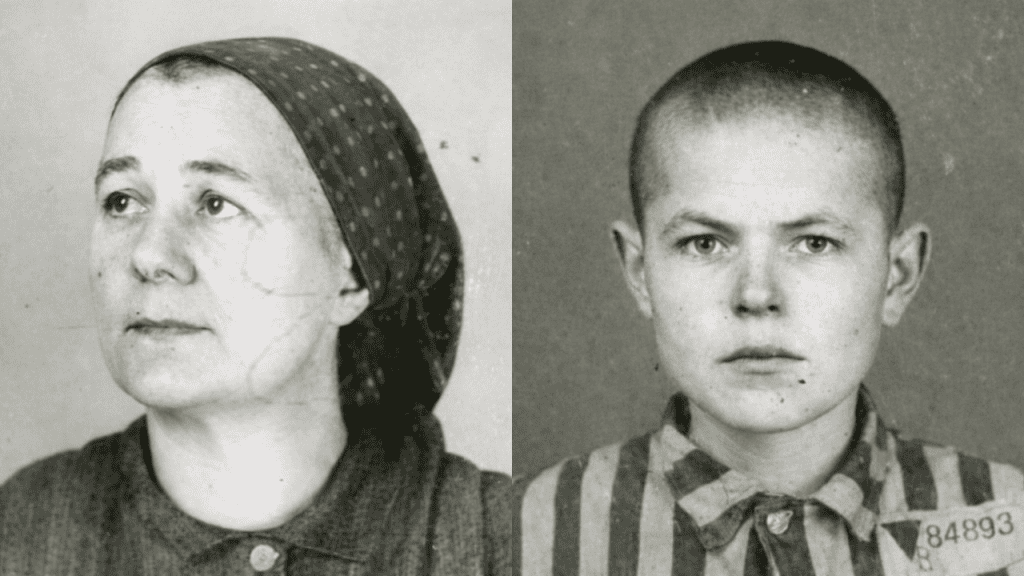
In the dark machinery of Nazi concentration camps, even ordinary professions could become tools of oppression. Photography, which in the outside world preserved memories and identities, was turned into a cold bureaucratic instrument inside Auschwitz. Every prisoner who entered the camp was stripped of their belongings, their dignity, and often their name. In its place, the Nazis assigned a number. Alongside that number came a photograph—three stark images taken to record the face of another person swallowed by the system.
Two of the men forced to carry out this grim task were Wilhelm Brasse and Bronisław Jureczek.
Wilhelm Brasse was a Polish prisoner who had worked as a professional photographer before the war. After refusing to swear loyalty to Nazi authorities, he was arrested and eventually sent to Auschwitz. Because of his experience with cameras and developing film, the SS ordered him to work in the camp’s photographic unit. There, he and other prisoners were forced to photograph incoming inmates as part of the Nazis’ meticulous record-keeping.
Day after day, Brasse stood behind the camera photographing exhausted prisoners who had just arrived after brutal transport. The routine was always the same: a front view, a profile, and another angle, each paired with the prisoner’s identification number. Many of the people he photographed would not survive long inside the camp. Some were sent to forced labor. Others would soon be murdered.
Bronisław Jureczek worked alongside him in the photographic laboratory. Together, they developed and processed the thousands of images required by the camp authorities. Over time, the archive grew into a vast record of faces—men, women, and children whose identities the Nazi system tried to erase.
By the final months of the war, as Allied forces closed in and Nazi Germany began to collapse, the SS started destroying evidence of their crimes. Orders were given across concentration camps to burn documents, files, and anything that could reveal what had happened.
At Auschwitz, Brasse and Jureczek received a chilling command.
They were ordered to destroy the enormous archive of prisoner mugshots they had helped create.
The photographs—tens of thousands of them—were to be fed into furnaces and erased forever.
But the two prisoners understood the importance of what they held in their hands. These images were more than records; they were proof. Each photograph preserved the face of someone the Nazis had tried to reduce to a number.
Instead of obeying the order, Brasse and Jureczek quietly sabotaged the destruction process. Working under constant supervision, they slowed the burning and hid large portions of the archive. Through careful and risky defiance, they managed to save an astonishing 38,916 photographs.
Soon after, Auschwitz was evacuated as the Soviet army approached. When the camp was liberated in January 1945, the surviving photographs remained hidden within the ruins.
Those images later became some of the most powerful visual evidence of the Holocaust. They allowed historians and families to identify victims, restore names to lost faces, and document the scale of the atrocities committed inside the camp.
Because of the courage of two prisoners who refused to let history be erased, nearly forty thousand silent witnesses survived the war.