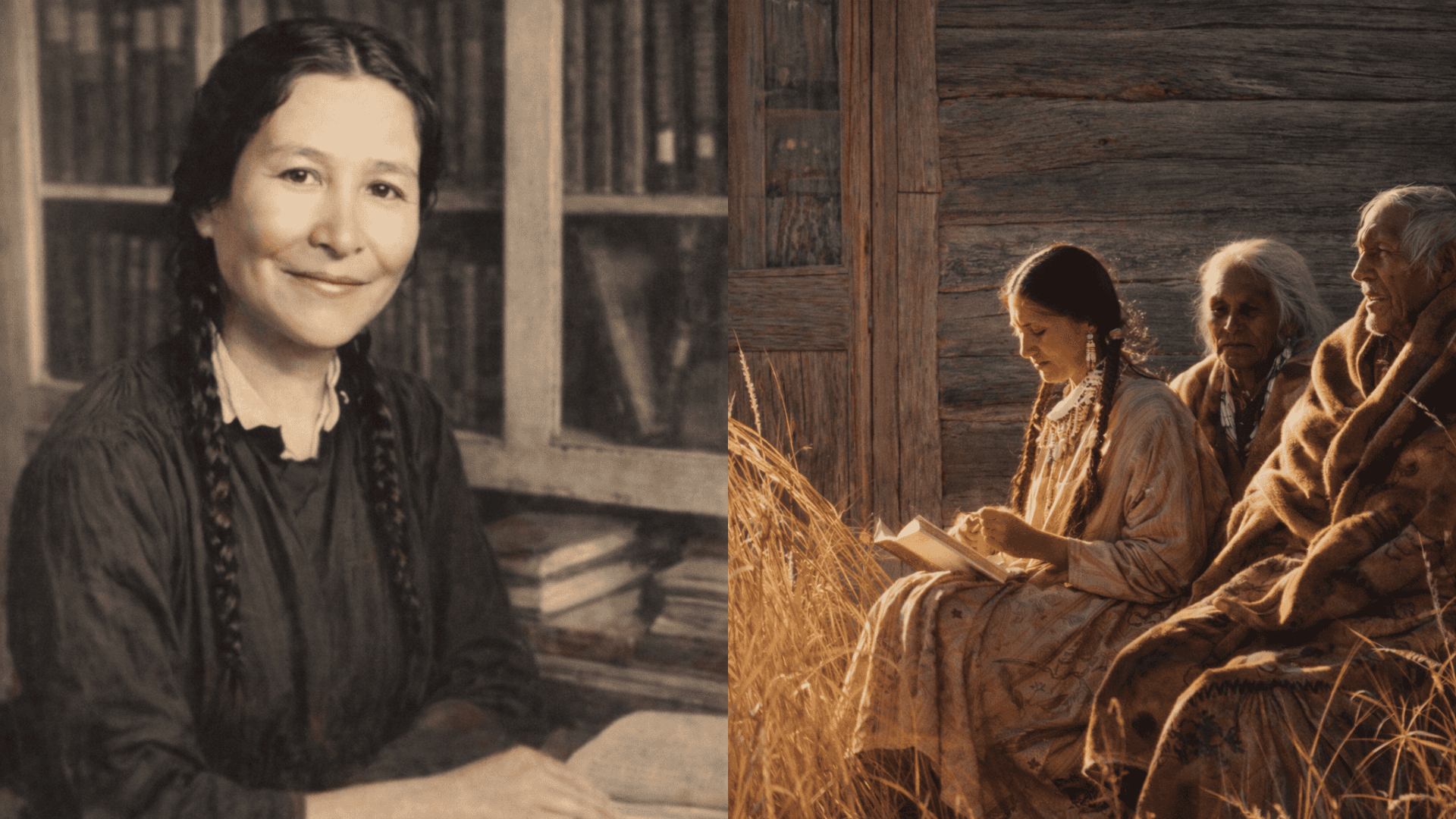
In the early 20th century, when many scholars treated Native cultures as relics of a fading past, Ella Cara Deloria insisted on something radical: her people were not artifacts. They were living, breathing communities with histories that deserved respect.
Born in 1889 on the Yankton Sioux Reservation in South Dakota, Deloria grew up immersed in Dakota language and tradition. Known in Dakota as Anpétu Wašté Wiŋ “Beautiful Day Woman” she carried both worlds within her. She received formal education at institutions like Oberlin College and later trained in anthropology, navigating academic spaces that often misunderstood or diminished Native voices.
At a time when anthropology frequently approached Indigenous cultures as objects to be “collected,” Deloria took a different path. She worked closely with prominent anthropologist Franz Boas, contributing invaluable linguistic and cultural knowledge. But unlike many researchers of the era, she was not studying a distant community. She was documenting her own.
Deloria dedicated her life to preserving the Dakota language and oral traditions with extraordinary precision. She recorded stories, kinship systems, ceremonial practices, and everyday speech patterns not as museum pieces, but as living expressions of identity. Her work helped safeguard knowledge that government boarding schools and assimilation policies had tried to suppress for generations.
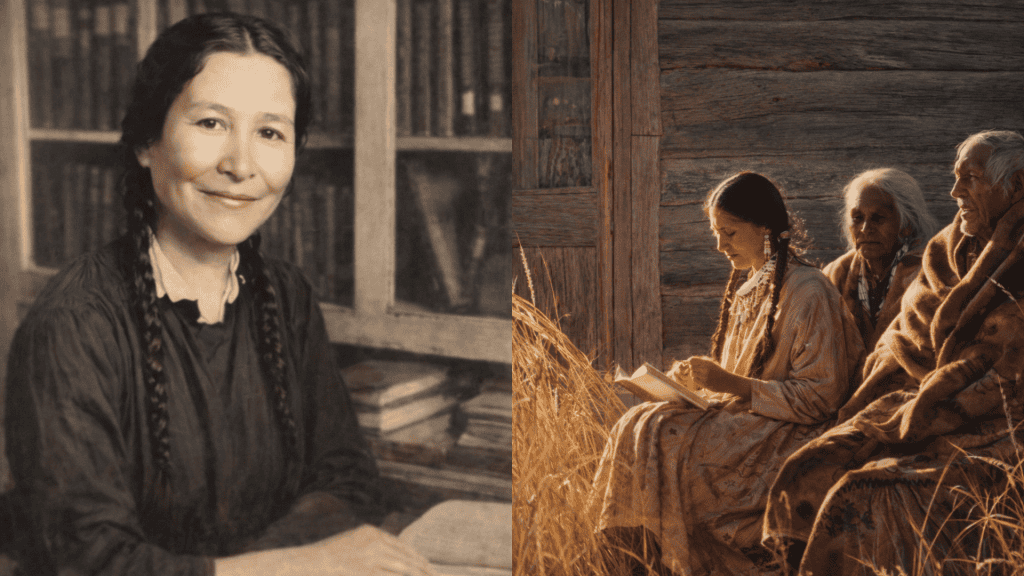
Language, for Deloria, was not merely vocabulary and grammar. It carried worldview, humor, memory, and moral codes. She understood that when a language disappears, entire ways of seeing the world vanish with it. Through her meticulous documentation, she ensured that future generations would have access to cultural knowledge that might otherwise have been lost.
But Deloria was not only a scholar. She was also a storyteller. Her novel Waterlily, though published posthumously in 1988, remains one of the most intimate portrayals of traditional Dakota life written from an insider’s perspective. Rather than focusing on conflict with settlers, the book centers on kinship, womanhood, community bonds, and the rhythms of daily life. It quietly challenges stereotypes by presenting Native people as complex, fully realized individuals.
Throughout her career, Deloria often struggled financially and professionally. Academic institutions benefited from her expertise, yet recognition and stable positions were not always granted. Even so, she continued her work with determination, moving between reservations and universities, translating, teaching, and writing.
Ella Cara Deloria’s legacy lies not in grand public speeches but in careful preservation. She stood at the intersection of Indigenous knowledge and Western academia and refused to let one erase the other. By insisting that Native stories were living history not folklore to be boxed away she safeguarded a cultural inheritance that continues to shape understanding today.
In doing so, Anpétu Wašté Wiŋ ensured that her people’s voice would endure, clear and unmistakable, across generations.