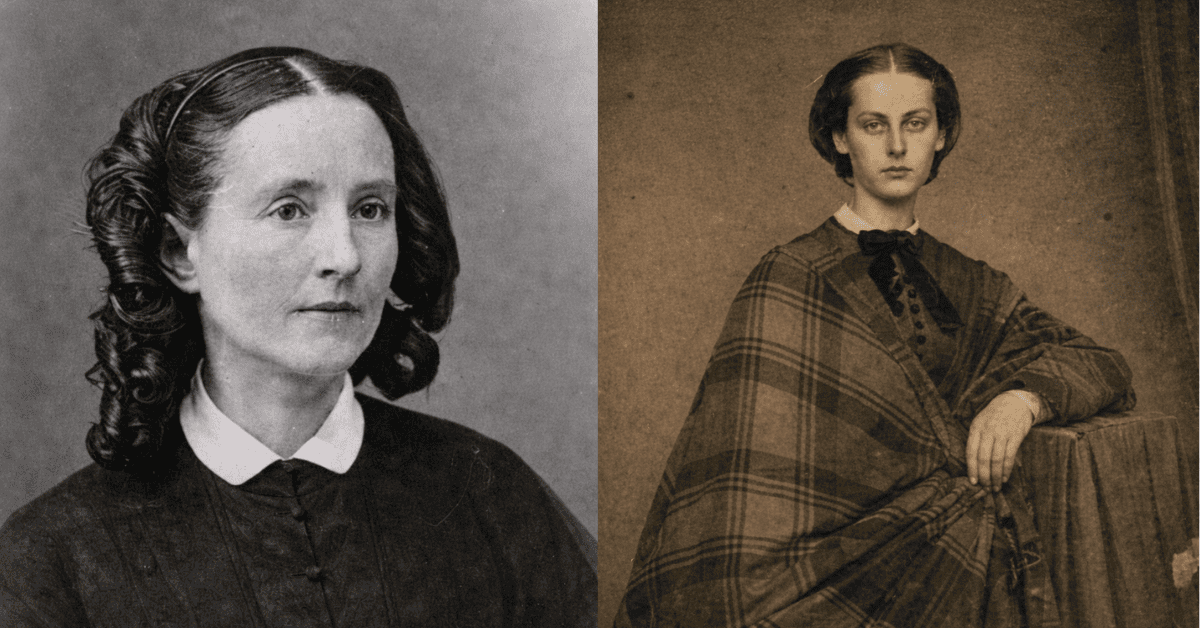
Sarah Grimké was born in 1792 into one of the wealthiest slaveholding families in South Carolina. Her father was a judge. Her upbringing was comfortable, refined, and built on the labor of enslaved people.
She was expected to defend that system.
Instead, she questioned it.
As a child, Sarah witnessed the violence and control that sustained plantation life. The contradiction between Christian teachings and the reality of slavery disturbed her deeply. While still living at home, she committed a quiet but radical act: she secretly taught an enslaved girl to read.
It was illegal in South Carolina to educate enslaved people. When her parents discovered what she was doing, they stopped her. But the seed had been planted. Sarah’s moral opposition to slavery did not fade.
In her twenties, she left the South permanently.
Sarah moved north, eventually settling in Philadelphia, where she joined the Quakers, a religious community that opposed slavery. Alongside her younger sister, Angelina Grimké, she began speaking publicly against slavery something almost unheard of for women in the 1830s.
Their speeches drew crowds. They also drew outrage.
The Grimké sisters were criticized not only for attacking slavery, but for stepping outside traditional gender roles. Clergy members publicly rebuked them for speaking to mixed audiences of men and women. Sarah responded directly, arguing that women had both the right and the responsibility to speak on moral issues.
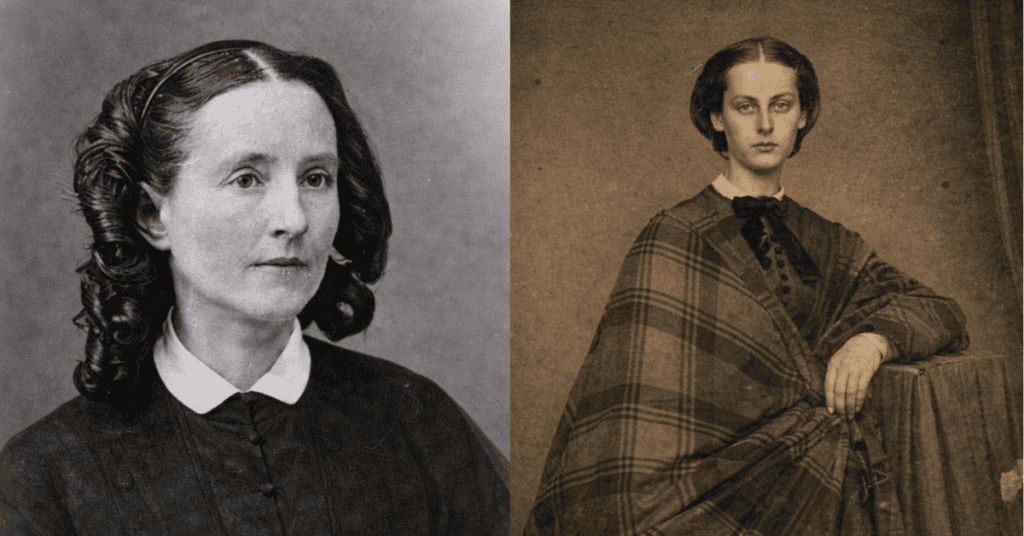
In doing so, she became one of the early voices linking abolition and women’s rights.
Later in life, Sarah discovered a personal truth that brought the issue even closer to home. Her brother, Henry Grimké, had fathered three sons with an enslaved woman named Nancy Weston. After Henry’s death, the boys remained enslaved.
When Sarah learned of their existence, she and Angelina acknowledged them as family. They helped support the young men and funded their education. Two of them, Archibald and Francis Grimké, went on to become prominent ministers, activists, and leaders in the fight for civil rights.
Sarah Grimké never returned to plantation life. She chose a path that meant public criticism, broken family ties, and financial uncertainty. But she remained consistent in her convictions.
She had been born into privilege.
She chose principle instead.
Her life stands as an early example of someone rejecting inherited power in favor of justice and using her voice to challenge both slavery and the limits placed on women.
Sarah Grimké did not simply oppose injustice from a distance.
She walked away from it.