Vladka Meed understood early that survival alone was not enough.
Born Feigele Peltel in Poland, she was a young Jewish woman when the Nazis sealed the Warsaw Ghetto, trapping hundreds of thousands inside starvation, disease, and terror. Many struggled simply to stay alive. Vladka chose something more dangerous.
She chose resistance.
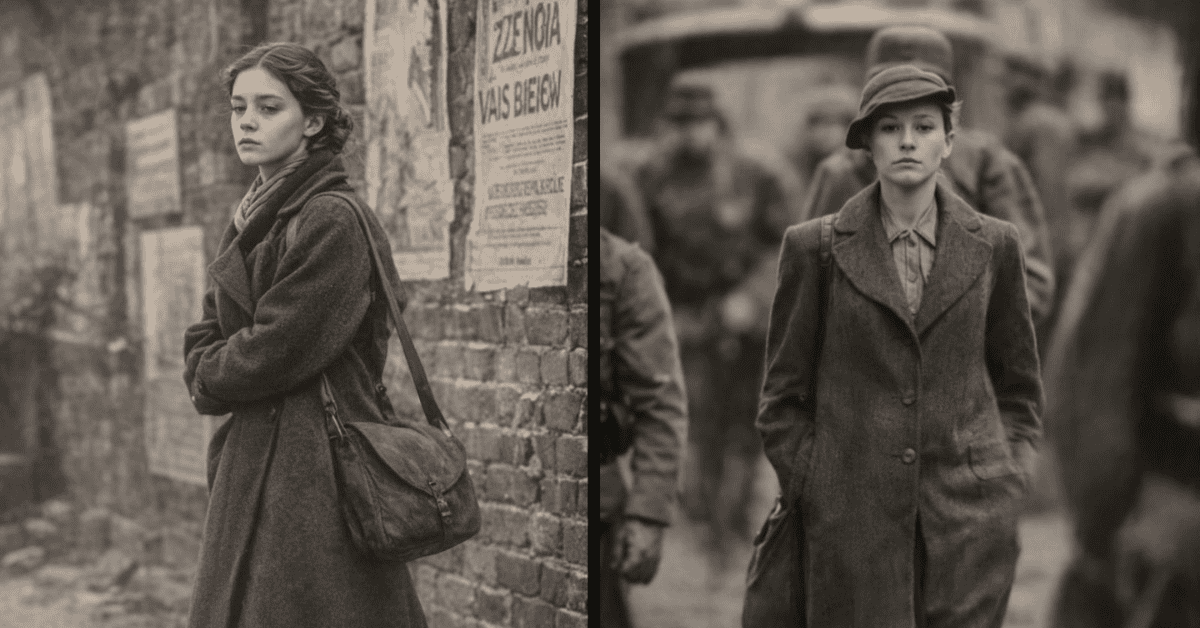
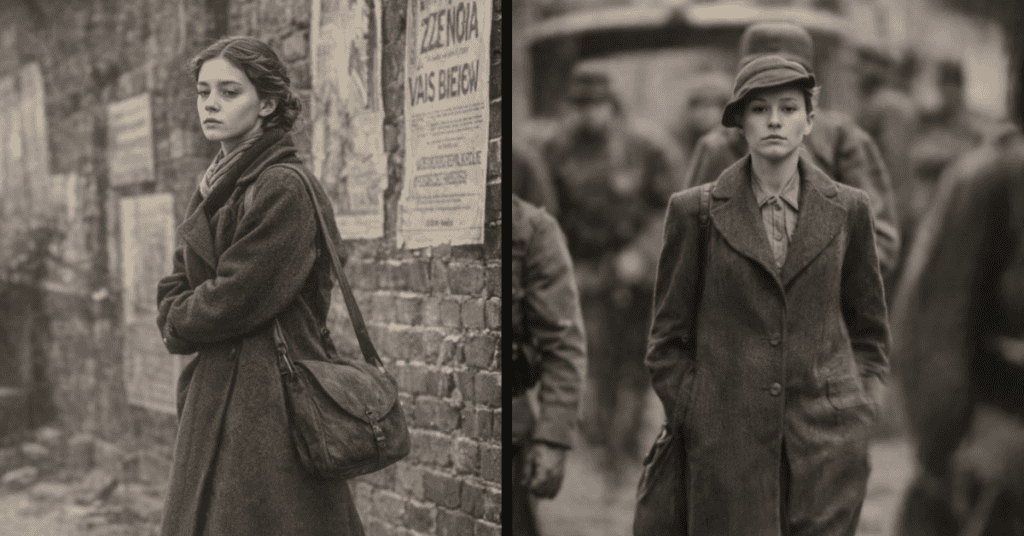
With blond hair, fluent Polish, and forged identity papers, Vladka was able to pass as non-Jewish. This allowed her to move between the “Aryan” side of Warsaw and the ghetto a feat that meant instant execution if discovered. Every trip carried risk. Every step could be her last.
She kept going anyway.
Vladka became a courier for the Jewish resistance. She smuggled weapons, ammunition, and explosives into the ghetto including dynamite used in the Warsaw Ghetto Uprising. She carried messages between underground groups, coordinated contacts, and delivered information essential to organized resistance.
She also helped children escape.
Disguised, hidden, or passed quietly into the care of Polish families, Jewish children were smuggled out of the ghetto under constant threat of betrayal. Vladka knew the cost of failure. She did the work anyway, believing that saving even one life mattered.
Survival, for her, was an act of defiance.
When the Warsaw Ghetto Uprising began in 1943, Vladka was on the outside, helping supply fighters who had almost no chance of victory. She knew the uprising would likely end in destruction but she also knew resistance meant dignity. It meant refusing to vanish quietly.
After the ghetto was destroyed, Vladka continued underground work, helping Jewish survivors hide, escape, and regroup. She lived with the knowledge that most of those she had known were gone.
She survived the war.
Afterward, Vladka emigrated to the United States, where she dedicated her life to preserving the memory of those who resisted. She co-founded organizations devoted to Holocaust education and documentation, understanding that memory itself was a form of resistance against erasure.
She testified, taught, and spoke not as a symbol, but as a witness.