
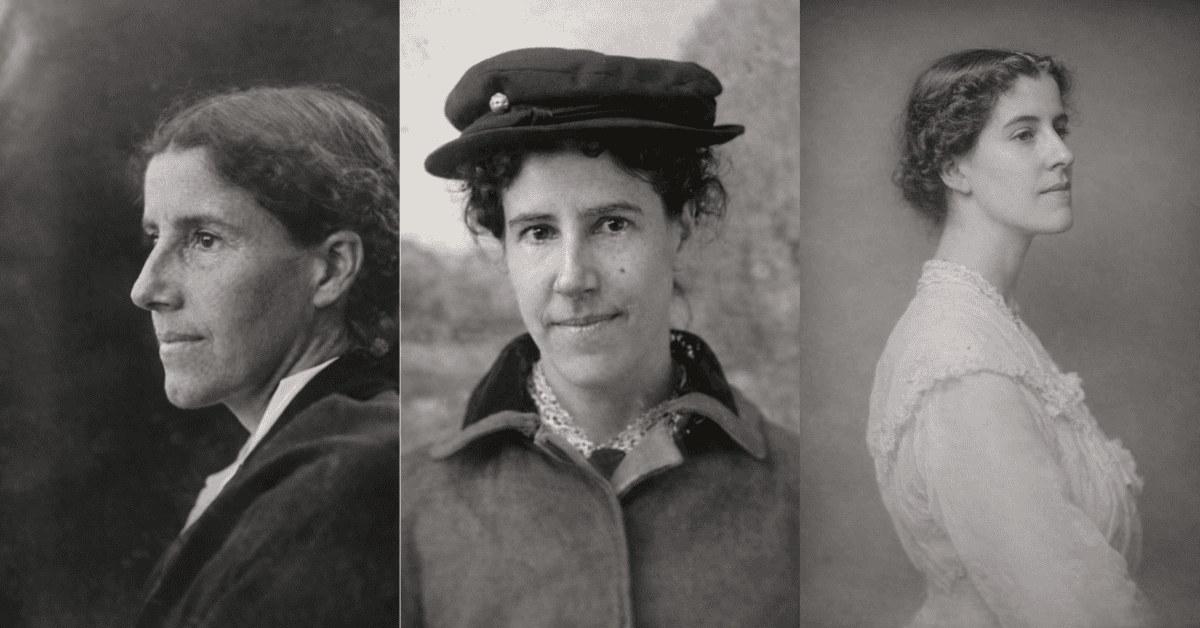
In the late 19th century, women’s suffering was often misunderstood or deliberately ignored.
When Charlotte Perkins Gilman experienced severe postpartum depression after the birth of her daughter in 1887, she sought medical help. What she received instead was a prescription that nearly erased her sense of self. A prominent physician ordered what was known as the “rest cure.”
She was instructed to stop working.
To stop writing.
To stop thinking.
For a woman whose identity was rooted in ideas, language, and independence, the treatment was devastating. Charlotte later described feeling her mind slipping away, not because of illness, but because she had been forbidden to use it.
She survived by disobeying.
Years later, Charlotte transformed that experience into fiction. In 1892, she published The Yellow Wallpaper, a short story told from the perspective of a woman confined under similar “treatment.” As the narrator is forced into passivity, her mental state deteriorates. The story does not soften the outcome. It shows, with quiet intensity, how enforced silence can become a form of violence.
The story shocked readers.
At the time, many dismissed it as disturbing or exaggerated. But women recognized the truth immediately. The Yellow Wallpaper became one of the earliest literary critiques of how medicine and society dismissed women’s inner lives.
Charlotte Perkins Gilman did not stop there.
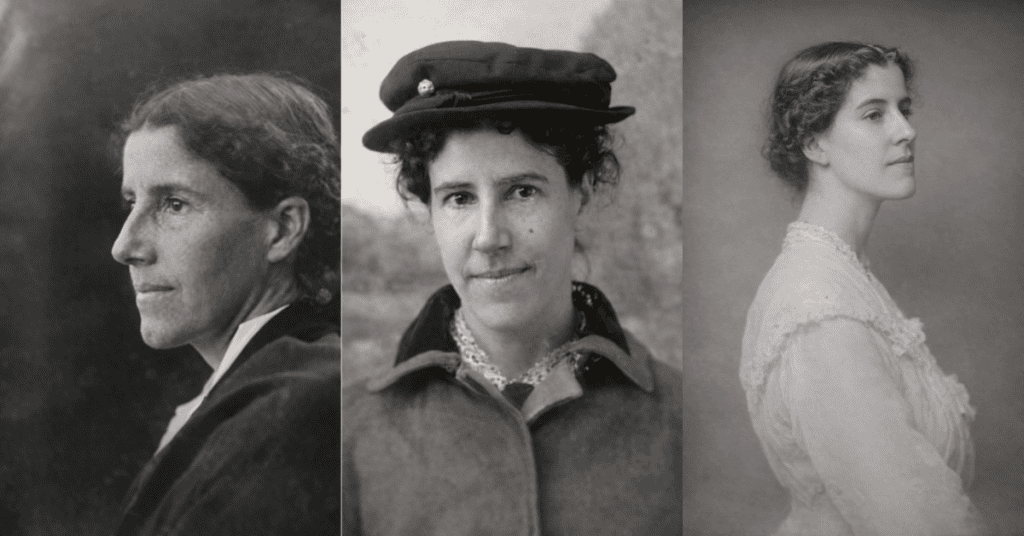
She became a leading voice in early feminist thought, writing extensively about women’s economic independence, labor, and social equality. She argued that women’s confinement whether domestic, intellectual, or medical was not natural. It was constructed.
Her work challenged deeply held assumptions about gender, marriage, and power.
Later in life, Charlotte was diagnosed with cancer. Having witnessed prolonged suffering in others and believing firmly in autonomy, she made the decision to end her life in 1935. It was a choice rooted in her lifelong insistence on agency controversial, deliberate, and deeply personal.
Today, Charlotte Perkins Gilman is remembered not for the silence she was ordered into, but for the voice she reclaimed.
The Yellow Wallpaper remains required reading not because it is comfortable, but because it is honest. It reminds us that mental health cannot be treated through erasure, and that denying expression can be as harmful as any illness.
Charlotte’s legacy endures because she named something many were taught to endure quietly.
She showed that writing could be resistance.
That thought could be survival.
And that sometimes, the most dangerous instruction is not cruelty but silence.