Reginald Dwayne Betts’s life changed in the quiet isolation of a prison cell, sparked by something small but powerful: a single book. At just 17 years old, Betts was incarcerated and placed in solitary confinement, cut off from the world and from any sense of possibility. One day, a contraband book made its way to him, slipped through an improvised system of sheets and pillowcases used by inmates to pass items between cells. That book became a lifeline. It opened a door Betts hadn’t known existed—and once opened, it never closed.
Before prison, Betts was not a reader. Words had never held much meaning for him beyond their surface. But alone in his cell, with time stretching endlessly ahead, the book gave him something rare: focus, escape, and curiosity. He began to seek out more reading material, devouring whatever he could get his hands on. Stories, poems, essays—all of it reshaped how he saw himself and the world. Reading soon led to writing, a way to make sense of his thoughts and experiences when no one else could hear him.
During nearly a decade behind bars, literature became Betts’s education, refuge, and teacher. Through books, he learned discipline, empathy, and the power of language to reclaim identity. By the time he was released, he carried more than the weight of his past—he carried a vision for his future.
Betts pursued that future with determination. He earned a bachelor’s degree, then went on to graduate from Yale Law School, an achievement few could have imagined for a former teenage inmate. Along the way, he also became an acclaimed poet, using his voice to explore themes of incarceration, justice, and humanity. His work did more than tell his own story; it spoke for countless others whose lives were shaped by the prison system.
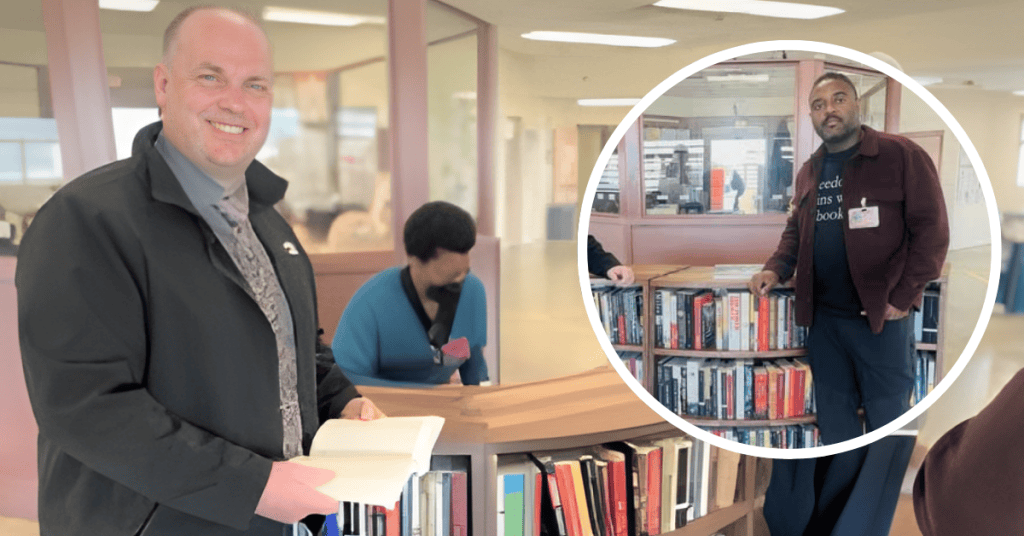
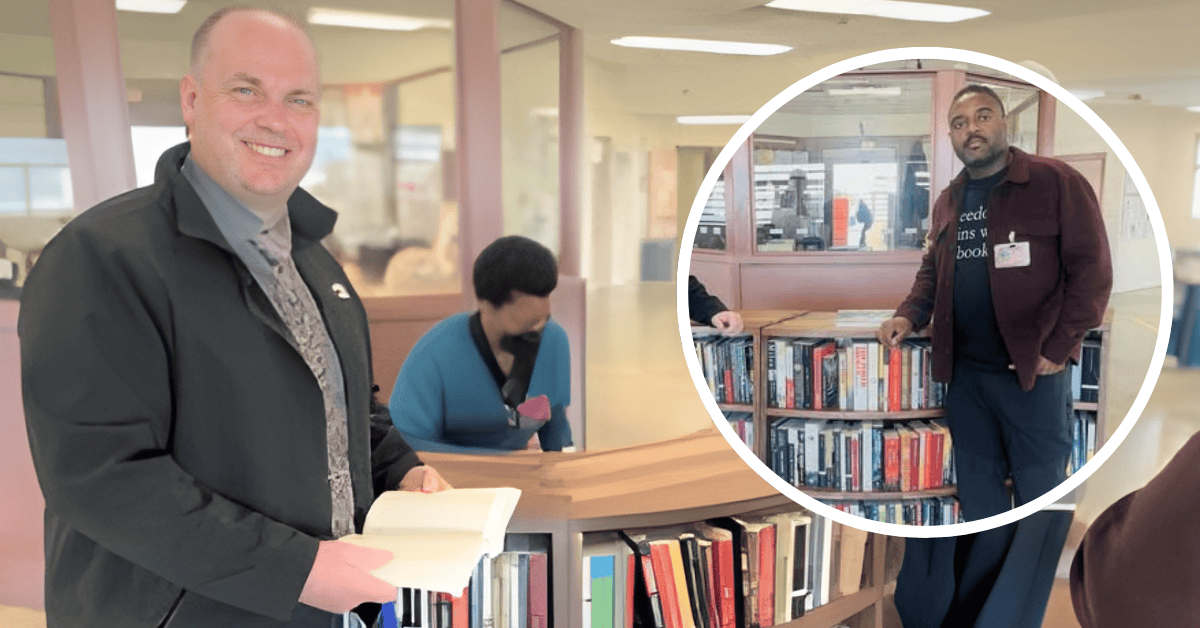
But Betts didn’t stop at personal success. Remembering how one book had transformed his own life, he asked a larger question: what if more incarcerated people had access to books? That question led to the creation of Freedom Reads, a nonprofit organization dedicated to building libraries inside prisons across the United States.
Founded in 2020, Freedom Reads installs thoughtfully curated libraries designed to feel welcoming and human—spaces that invite reflection, learning, and conversation. In just a few years, the organization has built hundreds of libraries, housing hundreds of thousands of books. Supported by major foundations such as MacArthur and Mellon, the initiative continues to grow, reaching prisons that have long lacked meaningful access to reading materials.
For many inmates, these libraries are life-changing. They offer more than entertainment; they provide hope. People describe finding connection through shared books, discovering new ideas, and imagining futures that once felt impossible. The libraries become rare spaces of calm and dignity, where growth feels allowed.
Reginald Dwayne Betts’s journey—from a solitary cell and a forbidden book to national advocacy—stands as a testament to the transformative power of literature. His story proves that access to books can do more than pass time; it can reshape lives, restore humanity, and build bridges toward a better future.