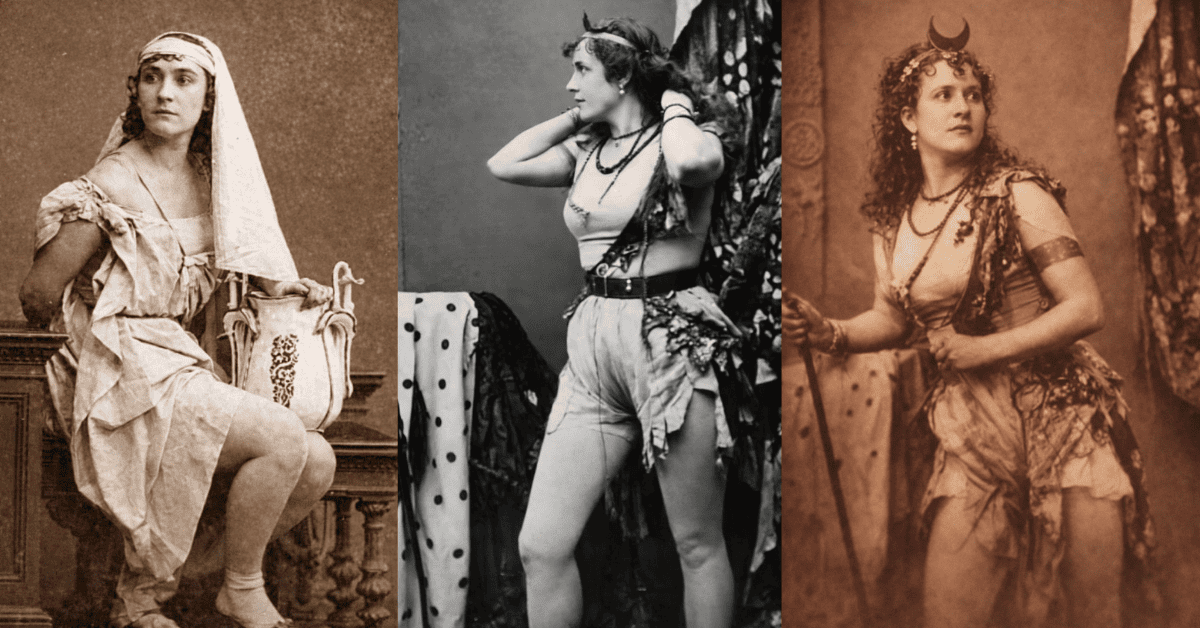
In the 1860s, Victorian society was built on restraint, appearances, and rigid moral rules especially for women. Then Adah Isaacs Menken walked onto a stage and tore those rules apart.
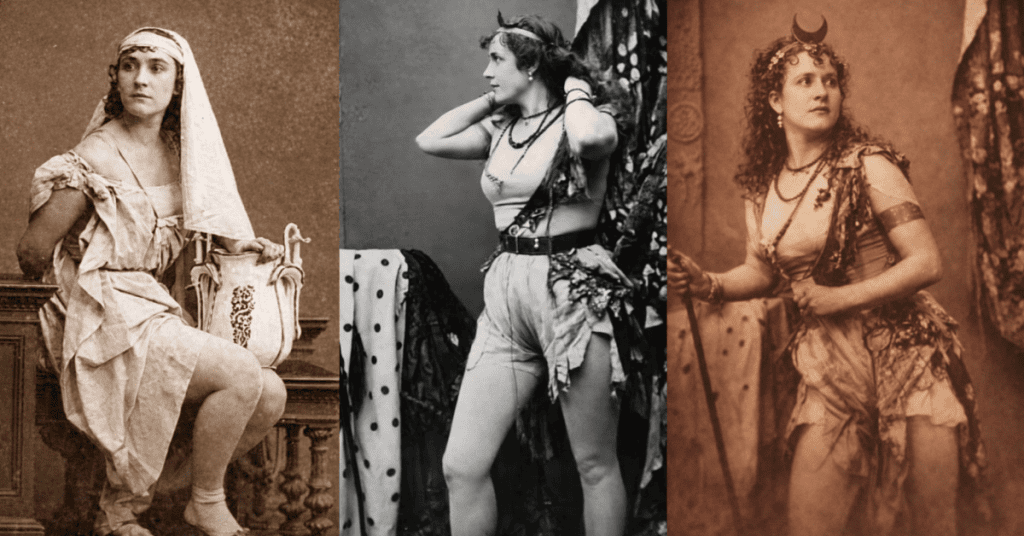
Menken was an actress, painter, and poet, but history remembers her most for a single role: Mazeppa. In the performance, she appeared nearly nude while bound to a horse onstage. In reality, she wore flesh-colored tights. The illusion, however, was enough to ignite scandal across America and Europe.
Audiences were outraged. Newspapers exploded with criticism. Clergy condemned her. And theaters sold out.
Menken understood something rare for her time: outrage could be power. Instead of retreating, she leaned into it. She refused to apologize or explain herself. She insisted that her body, her art, and her career belonged to her alone.
The result was unprecedented.
At the height of her fame, Adah Isaacs Menken became one of the highest-paid performers of the 19th century. Crowds packed theaters not just to see Mazeppa, but to witness a woman openly defying the limits placed on her. She wasn’t simply performing she was daring audiences to confront their own hypocrisy.
Menken was far more than a scandal. She published poetry, moved in elite literary circles, and associated with major cultural figures of her era. Yet critics often reduced her to spectacle, dismissing her intellect while profiting from her fame.
Her life burned fast.
By her early thirties, her health declined. She died in Paris in 1868 at just 33 years old. But even in death, she refused to be erased. She left behind writing, artwork, and a legacy of defiance that outlived the outrage that once surrounded her.
Adah Isaacs Menken did not ask permission to exist loudly in a world that demanded silence from women. She used the stage as a weapon, illusion as rebellion, and visibility as survival.
Long before conversations about bodily autonomy and artistic freedom, she forced society to look whether it wanted to or not.
History often remembers the shock. It forgets the courage.
But every woman who refuses to be boxed in walks a path she helped carve.