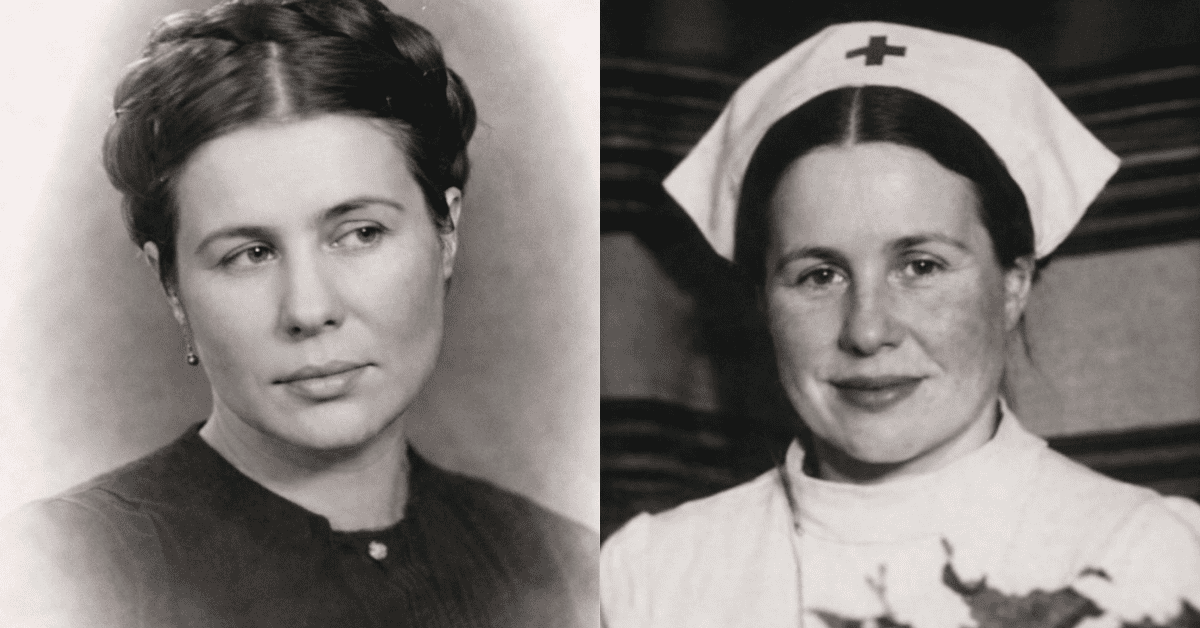
Warsaw, 1942. The city was sealed, starving, and ruled by fear. Inside the Jewish ghetto, disease and deportations claimed lives daily. Most people tried to survive by staying invisible. Irena Sendler chose the opposite.
She was a Polish social worker with access permits issued by the occupying Nazis. Officially, she entered the ghetto to inspect sanitation and prevent the spread of typhus. Unofficially, she carried something far more dangerous than medicine hope.
Irena began smuggling children out.
Sometimes they were sedated and hidden in toolboxes. Sometimes placed in sacks, coffins, or under stretchers. Ambulances became lifelines. Each rescue required parents to make an impossible choice: hand over their child to a stranger, knowing they might never see them again, or leave them behind to almost certain death.
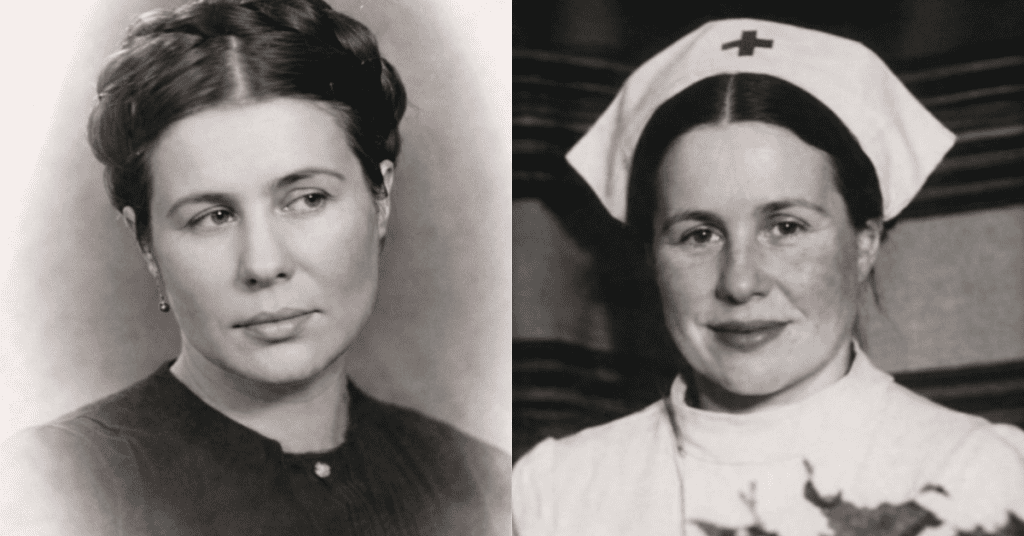
Irena wrote down every child’s real name and new identity on slips of paper and sealed them in jars, burying them in the ground. She believed the war would end and families would need to be reunited.
The Gestapo eventually noticed.
In 1943, Irena was arrested. She was tortured brutally. Her legs were broken. She was sentenced to death. But members of the Polish underground bribed a guard, and she escaped execution. Official records listed her as dead.
She went back to work.
Despite her injuries, despite being hunted, Irena continued helping Jews in hiding until the war’s end. By then, she and her network had saved approximately 2,500 Jewish children.
Most of their parents did not survive.
After the war, Irena dug up the buried jars and tried to reunite children with surviving relatives. When that wasn’t possible, she helped place them with adoptive families. She never saw herself as a hero. She insisted she had not done enough.
For decades, her story remained largely unknown outside Poland. There were no speeches, no self-promotion, no demand for recognition. When she was later honored internationally, including being nominated for the Nobel Peace Prize, she accepted quietly.
Irena Sendler once said that when someone is drowning, you don’t ask their religion or nationality you pull them out.
She walked into the ghetto with paperwork. She walked out carrying lives. And when terror tried to stop her, it failed.
History remembers numbers. But survival remembers her.