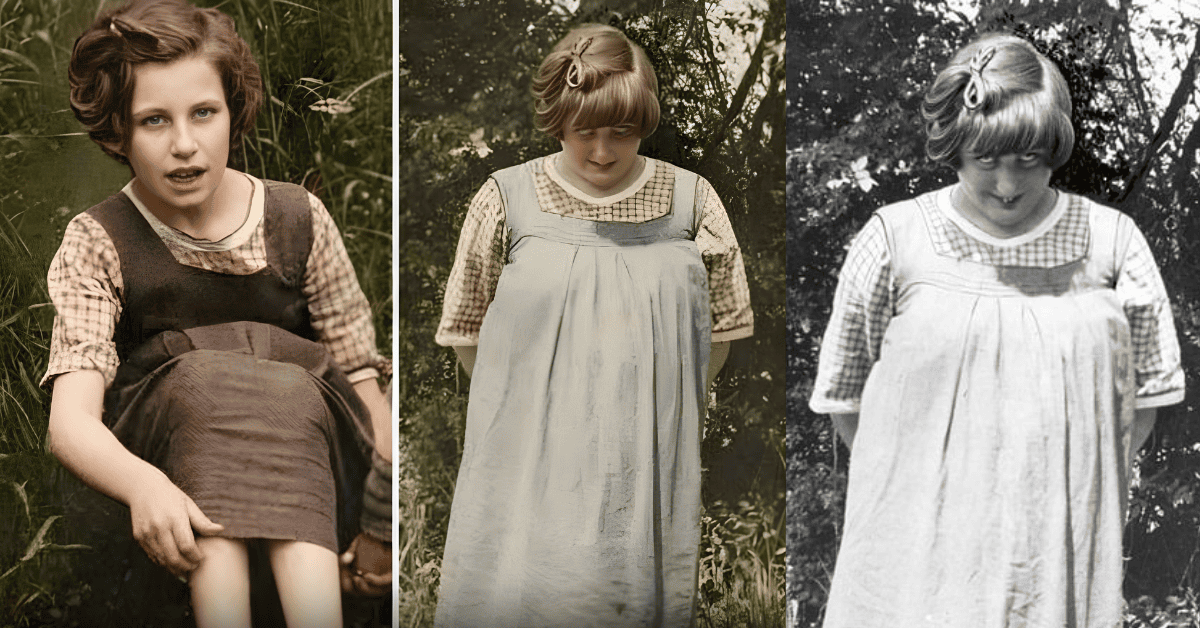
Two women connected to the British royal family were officially listed as dead in historical records – even while they were very much alive. Their names were Nerissa and Katherine Bowes-Lyon, first cousins of Queen Elizabeth II through the Queen Mother. Yet for decades, many people believed they had passed away long before they actually did.
Born in the early 20th century with significant intellectual disabilities, Nerissa and Katherine grew up in a world that did not understand or support people like them. At that time, disability was often met with fear, shame, and isolation rather than care and compassion. In 1941, both women were sent to Royal Earlswood Hospital in Surrey, a long-term institution for people labeled with “mental deficiencies” – a harsh term of that era.
What startled the public years later was not that Nerissa and Katherine were institutionalized. Sadly, that was common in those days. What shocked people was that official genealogical records, including Burke’s Peerage – a highly respected source for family history – had listed them as deceased. Nerissa was recorded as having died decades before she actually did, living until 1986. Katherine lived until 2014. For years, their existence was hidden in plain sight, reduced to names and dates in dusty ledgers.
There is no evidence of a royal decree or secret order to erase them from history. No one intentionally plotted to erase their lives. Instead, the silence around Nerissa and Katherine reflected a society – and even families in positions of power—that often prioritized appearances over humanity. Their “disappearance” from records revealed how disability was treated as something to hide rather than to face, a reminder of how easily society can render some lives invisible.
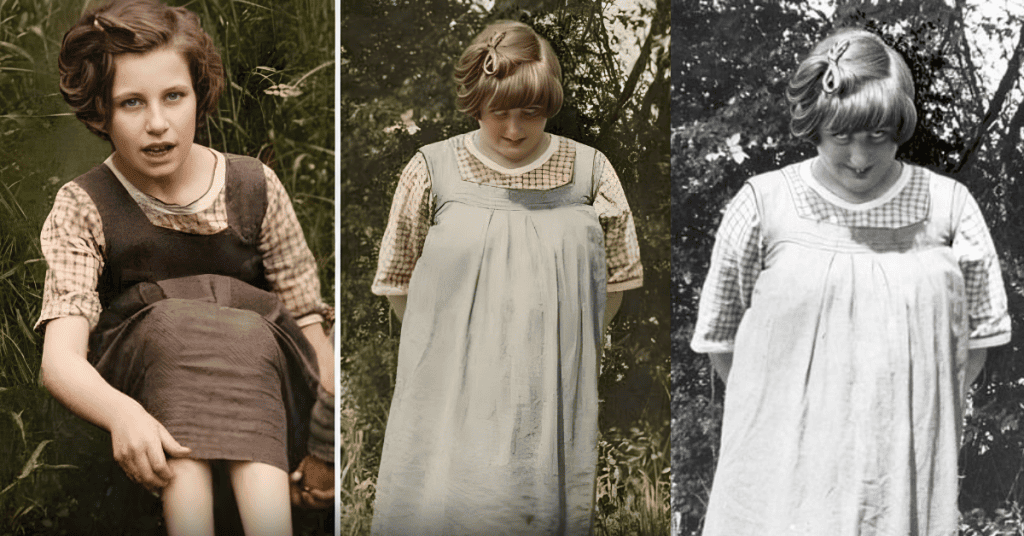
Nerissa and Katherine were more than the records suggested. They were individuals with feelings, experiences, and families who loved them. The world they lived in may have been unkind, but they lived full lives in their own ways. Remembering them today is not about rewriting history or accusing anyone of deliberate wrongdoing. It’s about seeing what was overlooked, acknowledging the harm of erasure, and understanding the human cost of valuing image over people.
Their story challenges us to consider how we treat those who are different, and what it means to truly see someone. It reminds us that every life matters, even when society doesn’t always notice. By honoring Nerissa and Katherine now, we bring back their presence into the story of history—not as shadows in a record book, but as women who lived, who existed, and whose lives deserve to be remembered.
In the end, Nerissa and Katherine’s story is a quiet but powerful reminder: history often tells us who is remembered and who is forgotten, but it is up to us to recognize the humanity behind the names and give those lives the dignity they always deserved.