
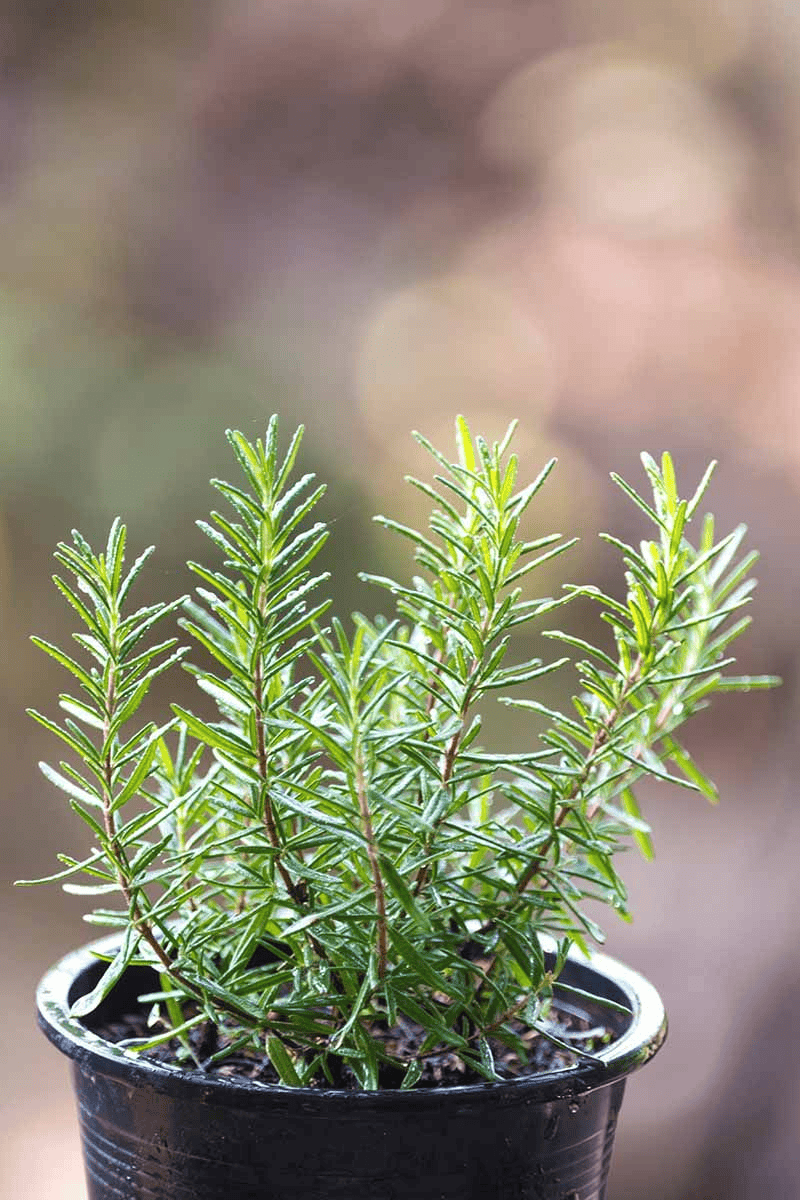
Introduction
Mosquitoes and flies are among the most annoying household and outdoor pests, especially during warm seasons when they multiply quickly and invade living spaces. Instead of relying only on chemical sprays or synthetic repellents, many people are now turning to natural solutions that are safer, eco-friendly, and long-lasting. One of the most effective methods is using certain plants that naturally repel these insects. These plants release strong scents or essential oils that mosquitoes and flies find unpleasant, helping to keep them away from your home, garden, patio, or balcony.
Using pest-repelling plants is not only practical but also adds beauty and freshness to your surroundings. Many of these plants are easy to grow, require minimal maintenance, and can be placed indoors or outdoors depending on your space. From aromatic herbs like basil and mint to decorative plants like lavender and marigold, nature provides powerful solutions to common pest problems. By strategically placing these plants near windows, doors, and seating areas, you can significantly reduce insect activity while enjoying a greener and more relaxing environment. The following list highlights nine powerful plants that mosquitoes and flies naturally avoid.
1. Citronella
Citronella is one of the most well-known natural mosquito repellents in the world. It is commonly used in candles, oils, and sprays, but the plant itself is even more effective when grown in your garden or pots around your home. The strong lemon-like scent of citronella masks other odors that attract mosquitoes, making it difficult for them to locate humans.
This plant thrives in warm climates and requires plenty of sunlight and well-drained soil. It is often grown in outdoor spaces such as patios, balconies, and garden borders to create a natural protective barrier. Citronella grass can grow quite tall, making it useful for covering larger areas. While it does not kill insects, its powerful aroma effectively keeps them away. Regular trimming helps maintain its shape and boosts scent release, increasing its effectiveness as a natural repellent.
2. Lavender
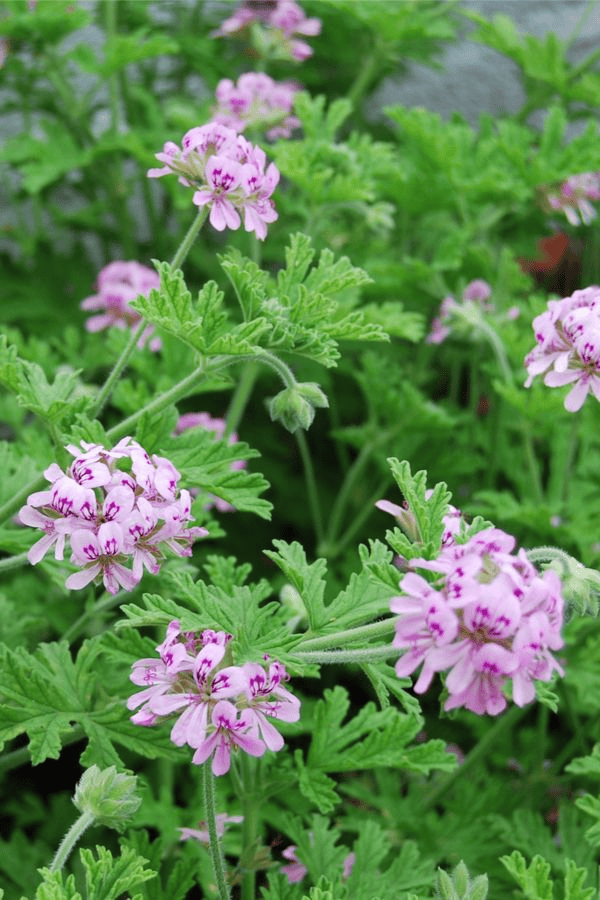
Lavender is not only loved for its beautiful purple flowers and calming fragrance but also for its ability to repel mosquitoes, flies, and even moths. The strong floral scent contains natural compounds that insects dislike, making it an excellent plant for pest control.
Lavender grows best in sunny, dry conditions with well-drained soil. It can be planted in gardens, pots, or window boxes. In addition to repelling insects, lavender is widely used in aromatherapy to reduce stress and improve sleep quality. Placing dried lavender indoors or near windows helps keep flies away while adding a pleasant fragrance to your home. Its dual benefits of beauty and functionality make it a favorite among natural gardeners.
3. Basil
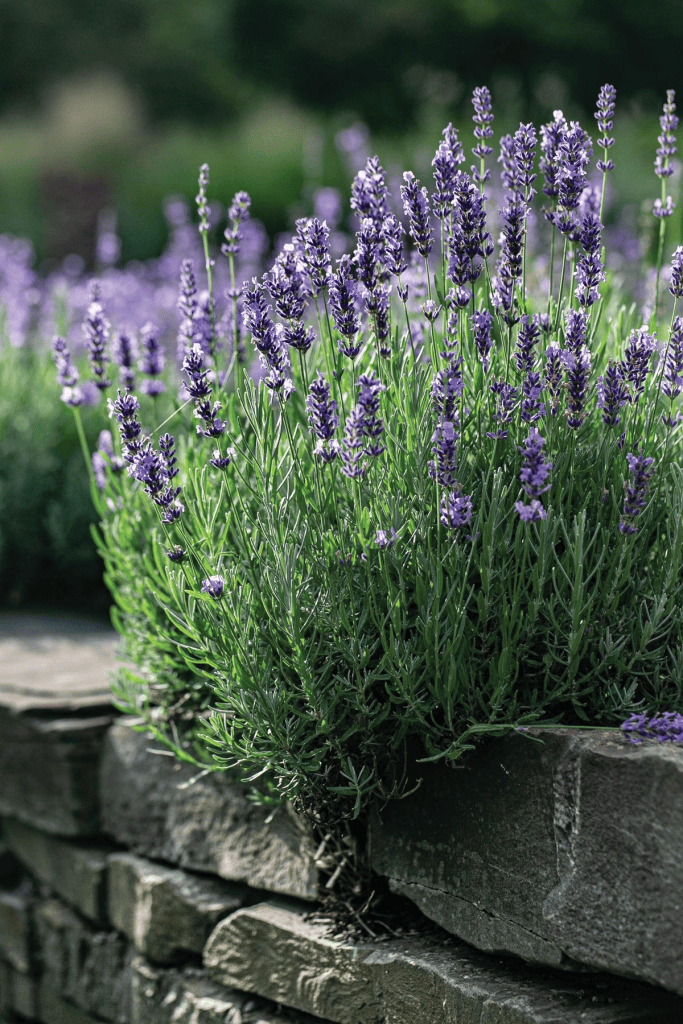
Basil is a popular kitchen herb that also works as a powerful mosquito and fly repellent. Its strong aroma, especially when the leaves are crushed, releases oils that insects find highly unpleasant. This makes basil both a culinary and protective plant.
It grows easily in pots or garden beds and prefers warm temperatures and regular watering. Keeping basil near kitchen windows or outdoor dining areas helps reduce the presence of flies while providing fresh leaves for cooking. Some varieties, like holy basil, are especially effective at repelling mosquitoes. Basil is a perfect example of a multi-purpose plant that combines practicality with natural pest control.
4. Mint
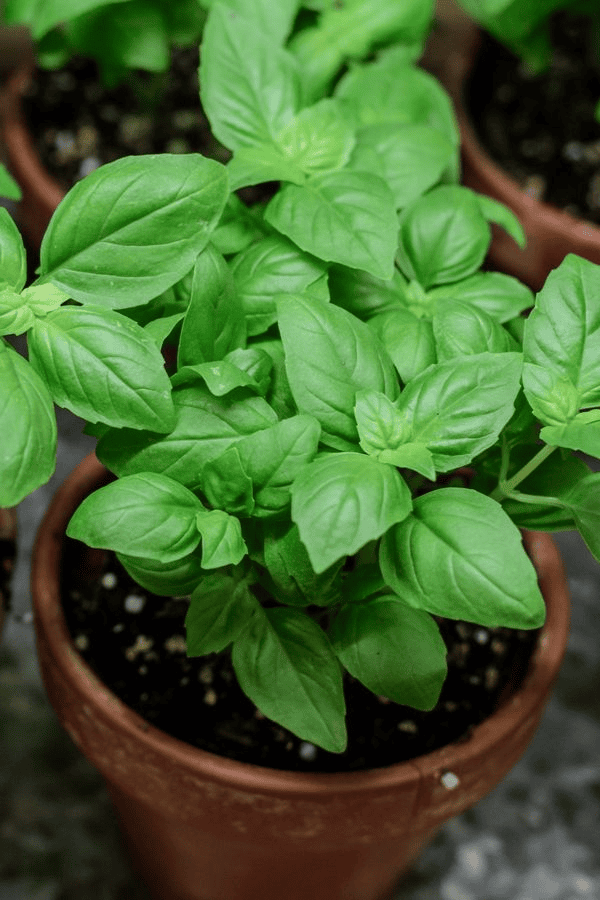
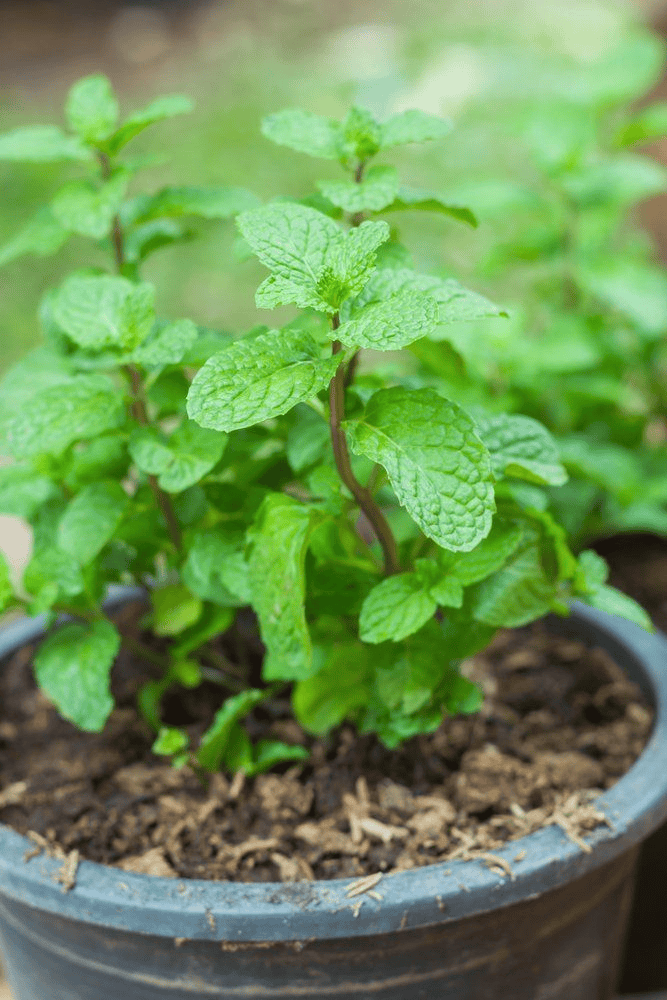
Mint is another highly effective plant for keeping mosquitoes and flies away. Its sharp, refreshing scent overwhelms insect sensory systems, making it difficult for them to stay near it. Mint is fast-growing and easy to maintain, making it ideal for beginners.
It can be grown in pots to prevent it from spreading too aggressively. Mint prefers moist soil and partial sunlight. Placing mint plants near doors, windows, or outdoor seating areas can significantly reduce insect activity. It is also useful in the kitchen for teas, drinks, and recipes. Its strong aroma makes it one of the most powerful natural repellents available.
5. Marigold
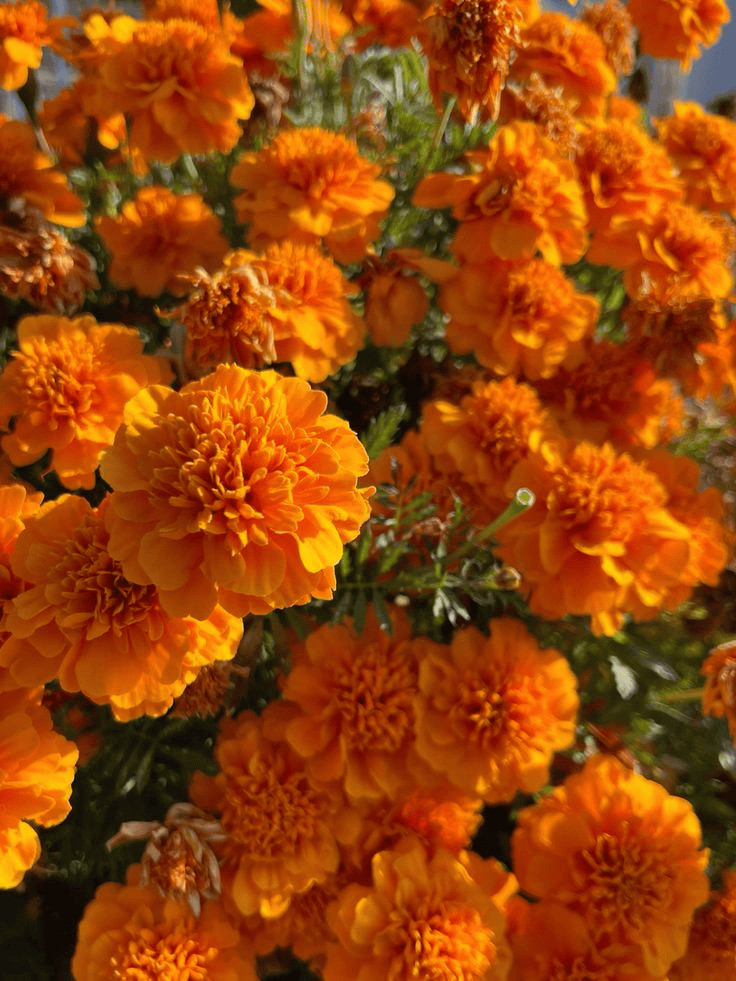
Marigolds are bright, colorful flowers that naturally repel mosquitoes and flies due to a compound called pyrethrum found in their petals. This compound is commonly used in natural insect repellents.
These flowers are easy to grow and thrive in sunny locations with minimal care. Marigolds are often planted around garden borders or vegetable patches to protect other plants from pests. Their vibrant orange and yellow colors not only beautify outdoor spaces but also serve a practical purpose. Regular blooming ensures continuous protection throughout the growing season.
6. Rosemary
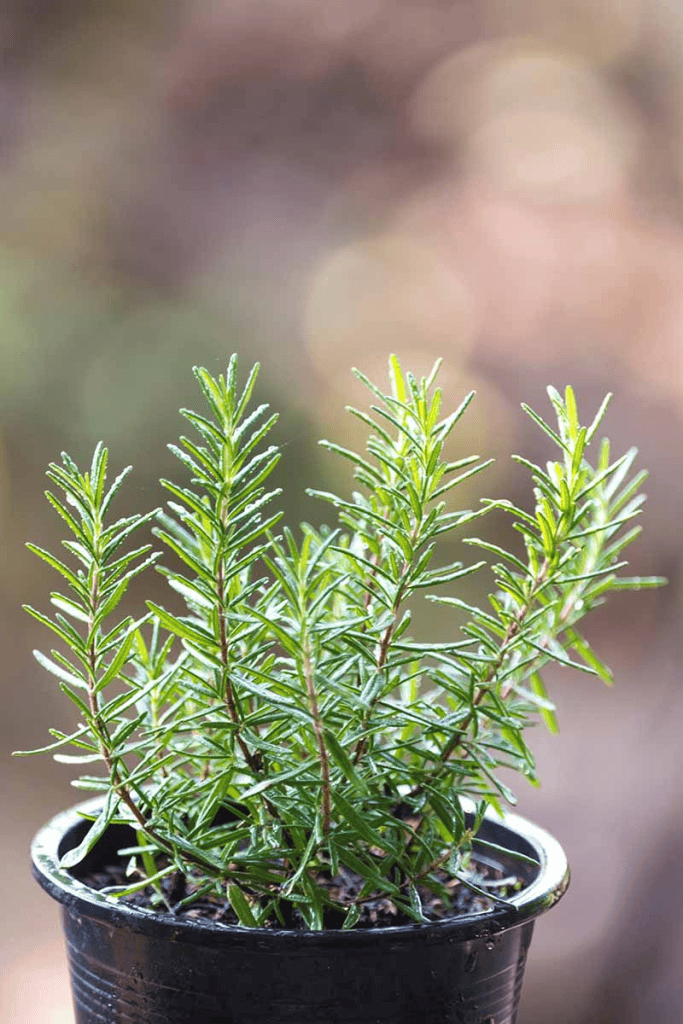
Rosemary is a fragrant herb widely used in cooking, but it also acts as a natural insect deterrent. Its woody scent repels mosquitoes and flies effectively, especially when the plant is brushed or heated slightly.
Rosemary grows best in warm climates with plenty of sunlight and well-drained soil. It can be grown in pots indoors or outdoors. Placing rosemary near grilling areas or kitchen spaces helps keep flying insects away. It also adds a pleasant aroma and can be used fresh in recipes, making it both useful and practical.
7. Lemongrass
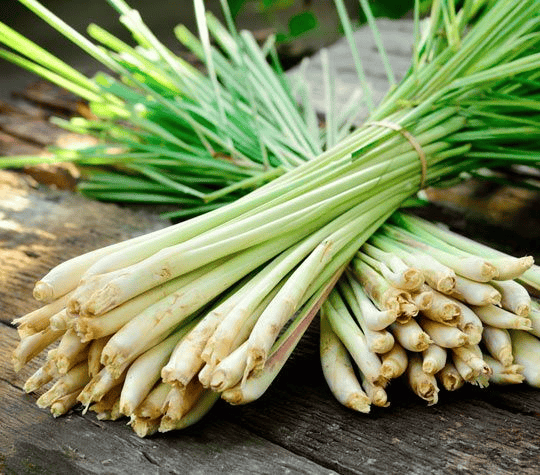
Lemongrass contains citronella oil, which is a powerful natural mosquito repellent. Its strong citrus scent confuses mosquitoes and keeps them from approaching.
This plant grows tall and thrives in warm, tropical environments. It is often used in gardens as a natural barrier against insects. Lemongrass can also be used in cooking and herbal teas, making it a versatile plant. Regular watering and sunlight help it grow quickly and maintain its strong fragrance
8. Catnip
Catnip is not only famous for attracting cats but also for its surprising ability to repel mosquitoes. Studies have shown that catnip oil can be more effective than some chemical repellents.
It grows easily in most environments and requires minimal care. Catnip produces a strong scent that mosquitoes avoid, making it a great addition to home gardens. However, if you have cats, they may be attracted to it, so placement should be considered carefully. Despite this, it remains a powerful natural pest deterrent.
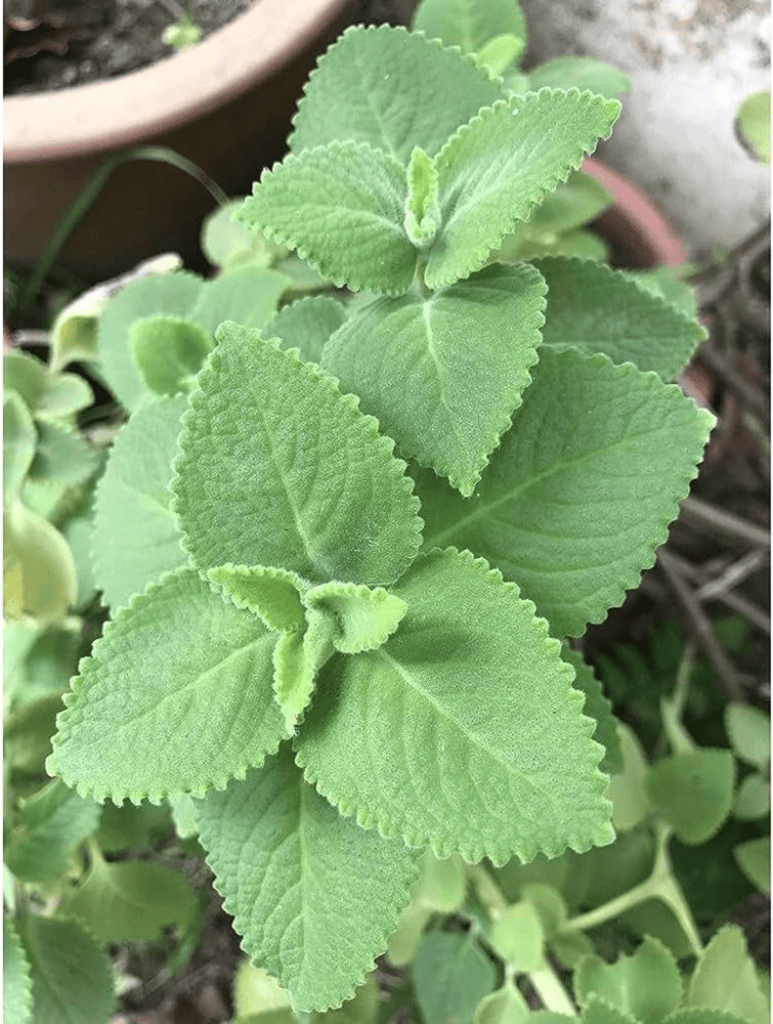
9. Lemon Balm
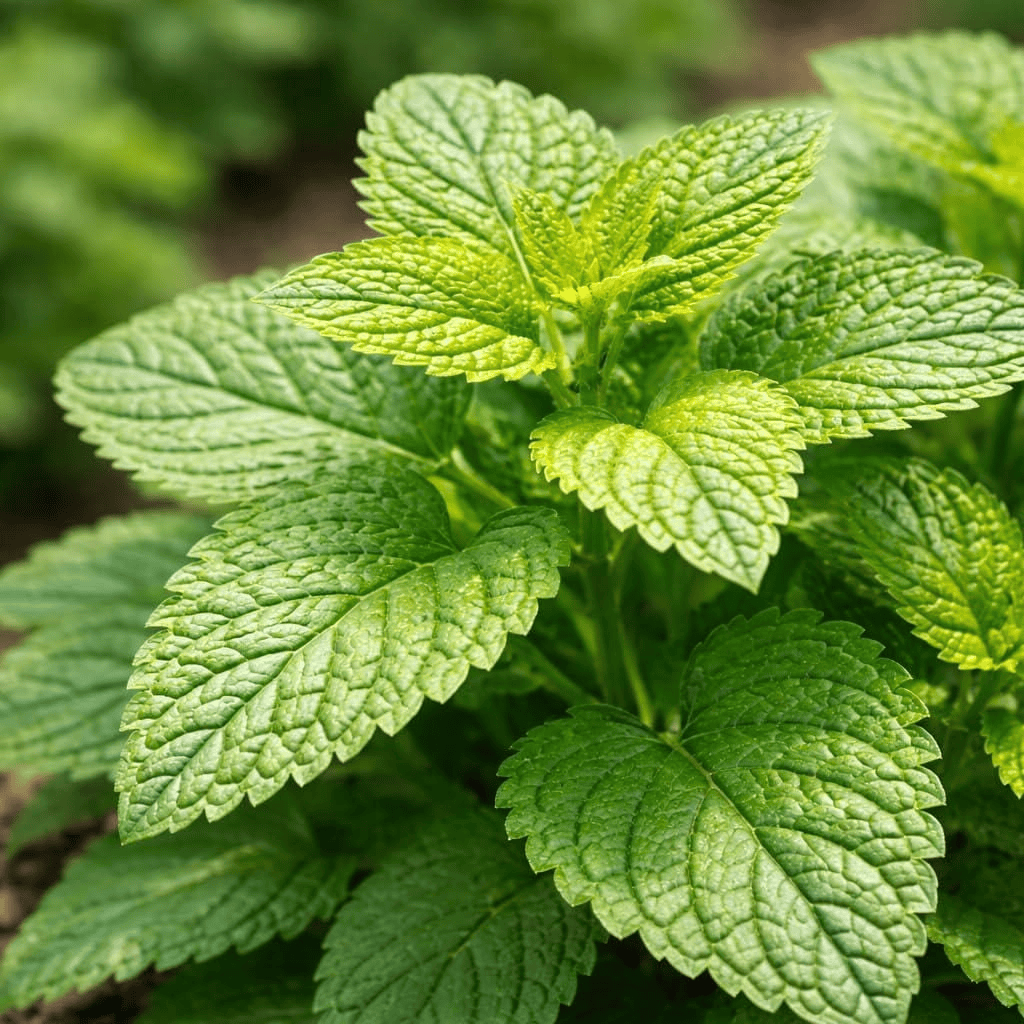
Lemon balm is a citrus-scented herb from the mint family that effectively repels mosquitoes and flies. Its lemony fragrance masks human scents that attract insects.
This plant grows well in both pots and garden beds and prefers partial shade. It is easy to maintain and spreads quickly. Lemon balm can also be used in teas and natural remedies for stress relief. Placing it near doors or outdoor seating areas helps reduce insect presence while adding a refreshing scent to your surroundings.
Summary
Natural pest control using plants is an effective, safe, and eco-friendly way to keep mosquitoes and flies away from your home. Plants like citronella, lavender, basil, mint, marigold, rosemary, lemongrass, catnip, and lemon balm not only beautify your space but also provide powerful insect-repelling properties. By strategically placing these plants around your home, you can enjoy a cleaner, fresher, and more comfortable environment without relying heavily on chemical repellents.
Frequently Asked Questions
Do mosquito-repelling plants really work?
Yes, they work by releasing natural scents that confuse and repel mosquitoes and flies.
Where should I place these plants?
Near windows, doors, patios, balconies, and outdoor seating areas for best results.
Can I grow these plants indoors?
Yes, many of them like basil, mint, and lemon balm grow well indoors in pots.
Which plant is the strongest mosquito repellent?
Citronella and catnip are considered among the most effective natural repellents.
Do these plants kill mosquitoes?
No, they repel mosquitoes rather than killing them.
Are these plants safe for pets?
Most are safe, but catnip may attract cats, and ingestion should still be monitored.
Do I still need insect spray if I have these plants?
They reduce insect presence significantly but may not eliminate the need for sprays in high-infestation areas.
Which plant is easiest to grow?
Mint and basil are among the easiest and fastest-growing options.