
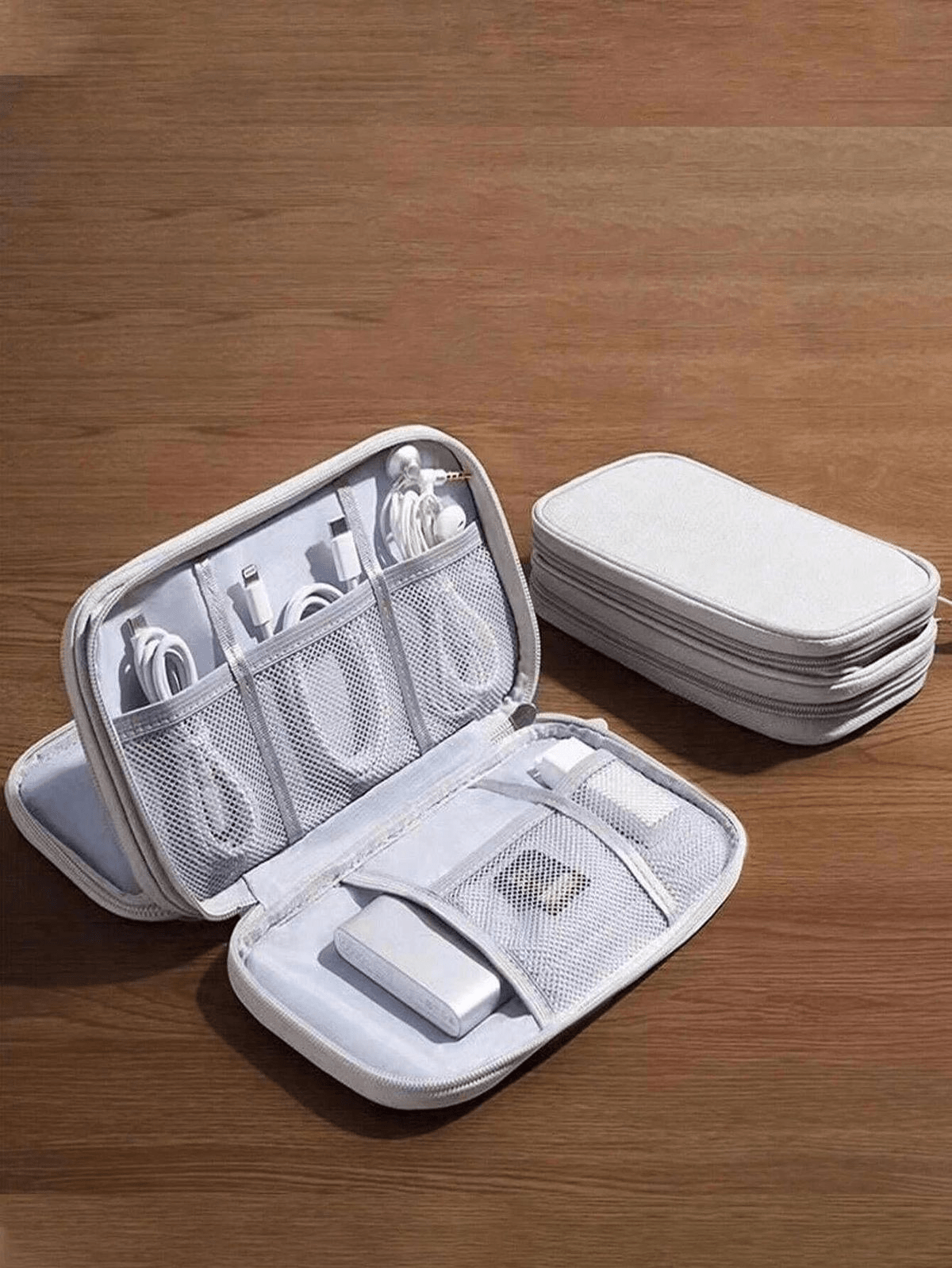
A kayaking trip can be a great way to explore rivers, lakes, and coastal waters, but keeping essential belongings dry can make the experience much more comfortable. Even on calm water, splashes, rain, and an unexpected capsize can expose your gear to plenty of moisture.
The right waterproof or water-resistant equipment can help protect your phone, clothing, food, and other essentials while keeping frequently used items accessible. Before heading out, always consider the type of water, weather conditions, and the length of your trip. Here are 8 waterproof gear essentials worth considering for your next kayaking adventure.
1. Dry Bag
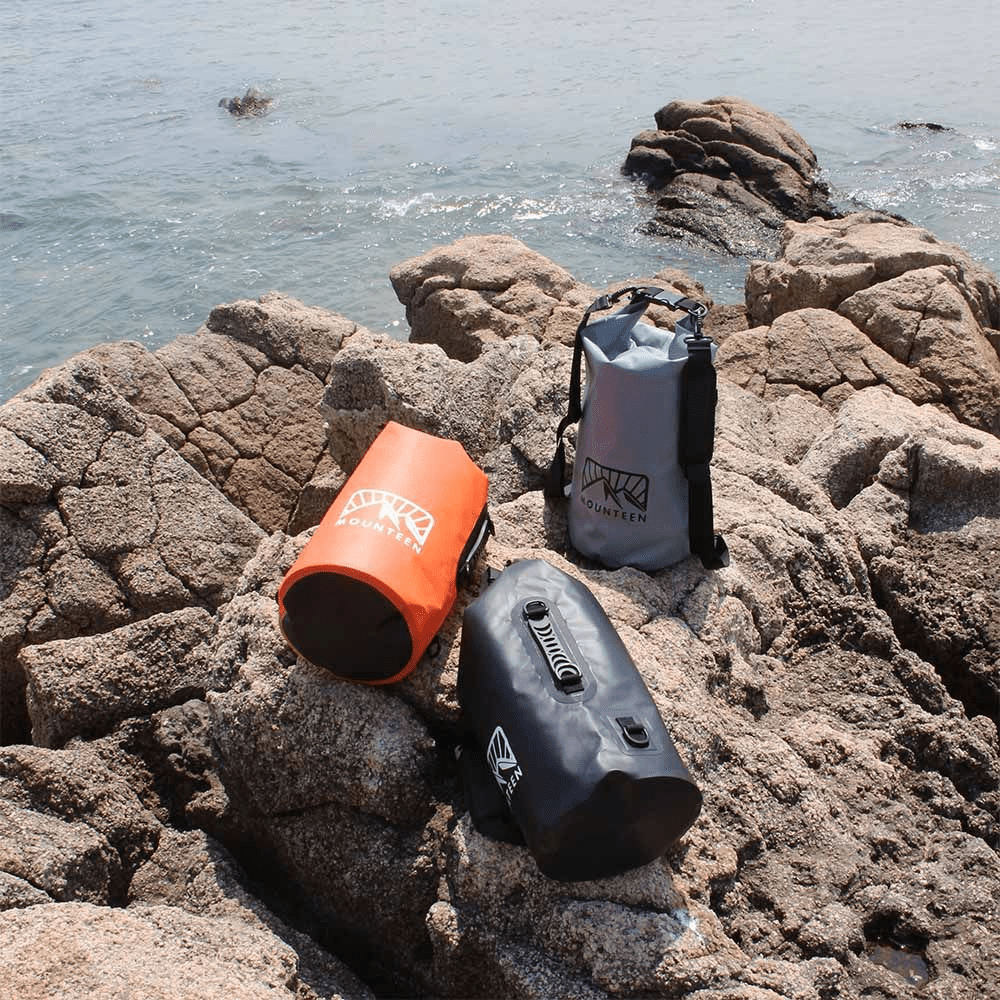
A reliable dry bag is one of the most useful pieces of gear for keeping important belongings protected from water.
Use it for:
- Spare clothing
- Food
- Towels
- Electronics
- Personal items
Choose a size that fits your trip and make sure the closure is properly sealed before placing it in the kayak.
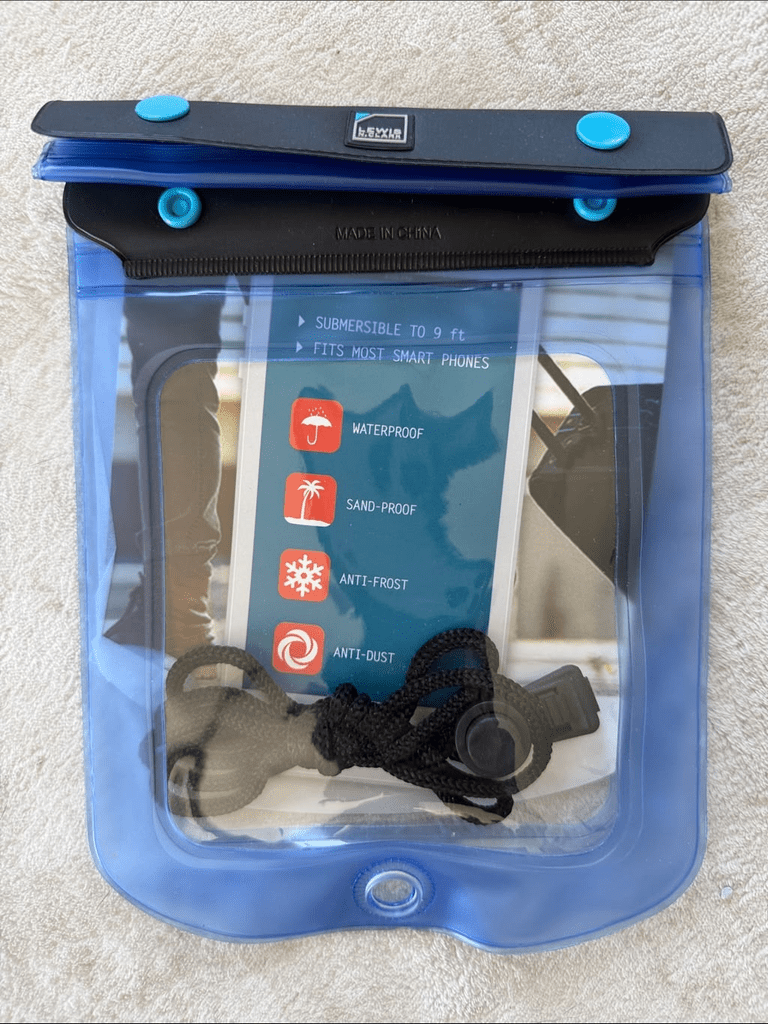
2. Waterproof Phone Case
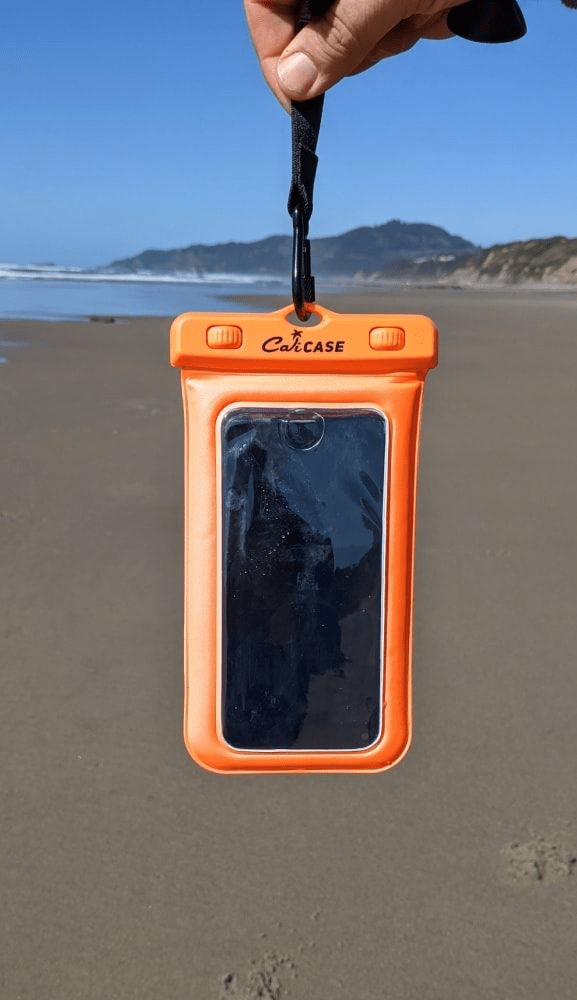
A waterproof phone case can protect your phone from splashes while keeping it accessible.
Look for:
- Secure closure
- Clear touchscreen-compatible material
- Floating capability if appropriate
- Adjustable lanyard
- Compatibility with your phone
Test the case according to the manufacturer’s instructions before taking it on the water.
3. Waterproof Map or Map Case
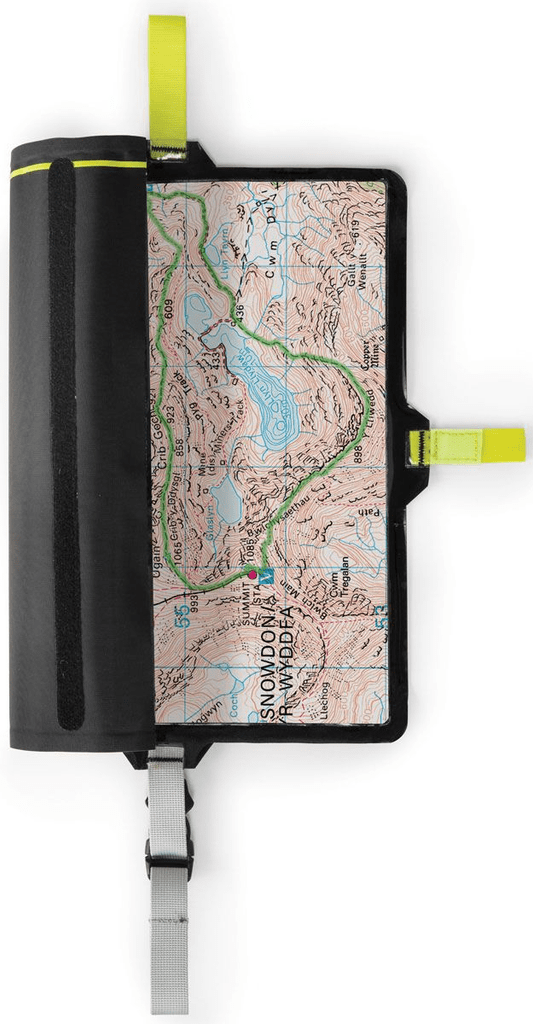
A waterproof map case can be useful when exploring unfamiliar waterways, particularly if you don’t want to rely entirely on electronic navigation.
Keep inside:
- Printed map
- Route information
- Emergency contact details
- Important notes
Use a map designed for your specific paddling area and keep it securely accessible.
4. Waterproof First-Aid Kit
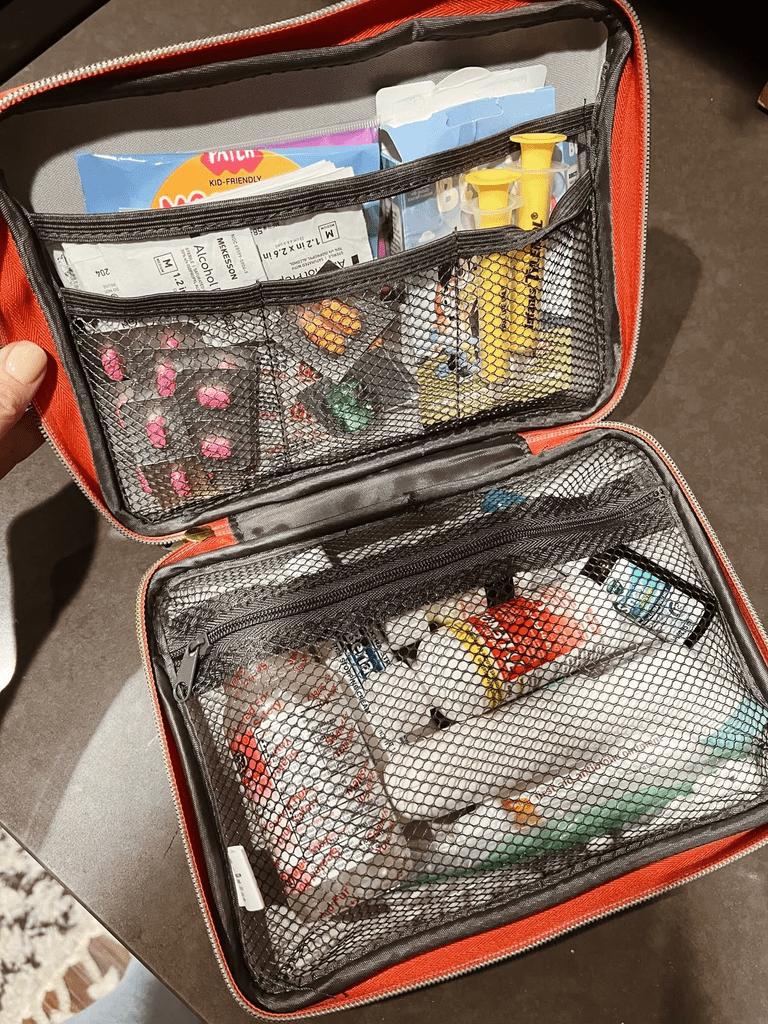
A compact first-aid kit can help you handle minor injuries while you’re away from immediate assistance.
Consider including:
- Adhesive bandages
- Gauze
- Antiseptic supplies
- Medical tape
- Blister care
- Any personal essentials appropriate for your trip
Keep the kit sealed in a waterproof container or dry bag.
5. Waterproof Storage Pouches
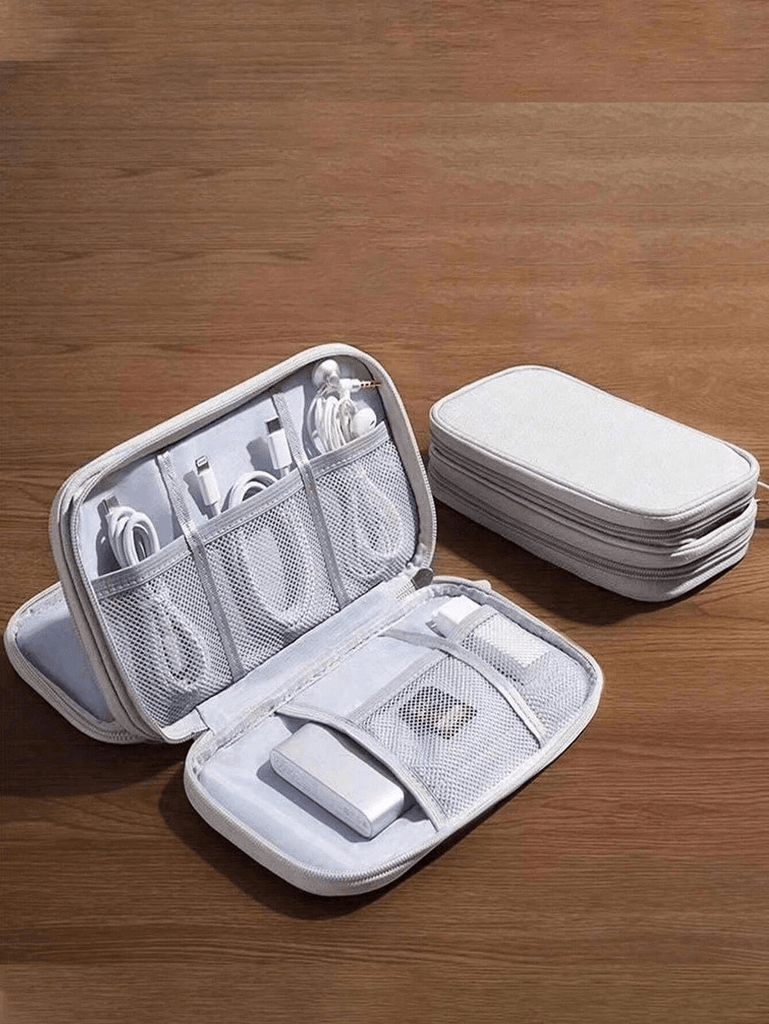
Small waterproof pouches can help organize items inside a larger dry bag.
Use separate pouches for:
- Keys
- Wallet
- Snacks
- Electronics
- Personal documents
- Small tools
Color-coded or clearly labeled pouches can make it easier to find what you need quickly.
6. Waterproof Clothing Layer

Weather can change quickly on the water, so a waterproof jacket or paddling shell can be a useful addition to your gear.
Look for:
- Adjustable cuffs
- Hood
- Breathable fabric
- Comfortable movement
- Proper fit
Layer underneath according to the weather rather than relying on one heavy garment.
7. Waterproof Electronics Protection
If you’re bringing a camera, GPS device, power bank, or other electronics, protect them from water exposure.
Options include:
- Waterproof cases
- Dry bags
- Protective pouches
- Sealed containers
Even waterproof-rated electronics should be protected according to the manufacturer’s guidelines, particularly during extended water exposure.
8. Waterproof Emergency Gear Container
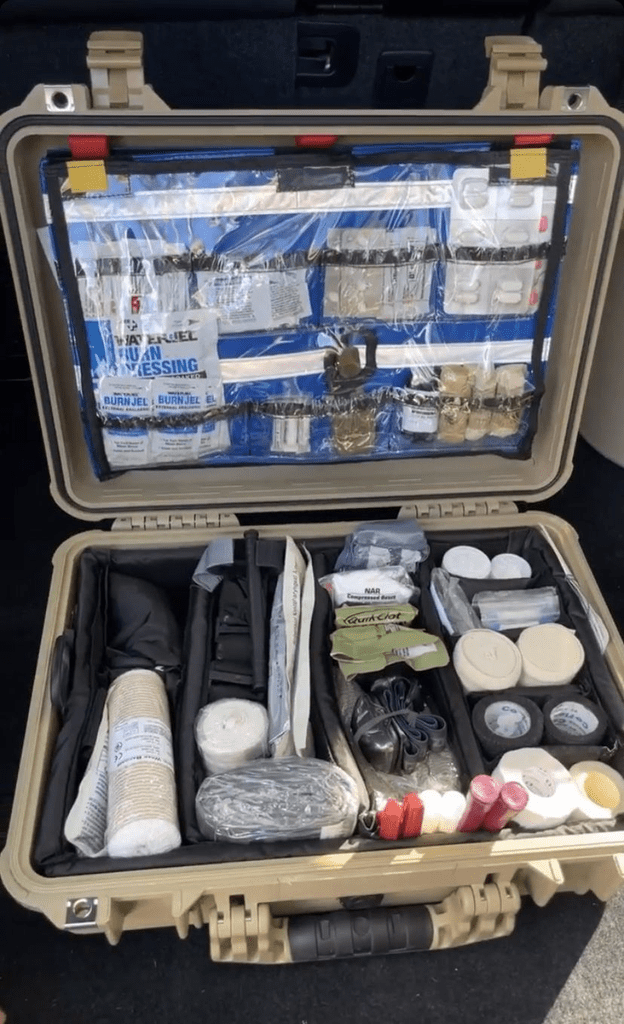
Keep essential emergency items together in a sealed container or dry bag.
Depending on your trip, consider:
- Whistle
- Headlamp
- Emergency communication device
- Spare batteries
- Basic repair supplies
- Emergency blanket
The exact equipment should match your route, weather, group size, and distance from help.
Summary
Waterproof gear can make kayaking more comfortable and help protect important belongings from splashes, rain, and accidental immersion. A dry bag, waterproof phone case, map case, first-aid kit, storage pouches, waterproof clothing, electronics protection, and emergency container can form a practical foundation for many paddling trips. Pack according to the conditions you’ll actually encounter, secure your equipment so it doesn’t shift while paddling, and remember that waterproof storage is not a substitute for essential kayaking safety equipment such as an appropriately fitted personal flotation device.
Frequently Asked Questions
What is the most important waterproof item for kayaking?
A properly sealed dry bag is one of the most versatile options because it can protect clothing, food, electronics, and other essentials from water.
Are waterproof phone cases worth using?
They can be useful for protecting phones from splashes and rain. Choose a reputable case and test it before your trip rather than assuming it is waterproof simply because it is labeled that way.
Should I put my dry bag inside the kayak?
Yes, but secure it appropriately so it doesn’t interfere with paddling or become a hazard if you capsize. Follow your kayak manufacturer’s recommendations for storage.
What should I keep in a dry bag?
Common items include spare clothing, food, towels, personal items, electronics, maps, and emergency supplies. Prioritize anything that would be difficult or expensive to replace.
Is waterproof clothing necessary for kayaking?
It depends on the weather and water conditions. A waterproof shell can be particularly useful during rain, wind, or cooler conditions.
How can I protect my electronics while kayaking?
Use waterproof cases or sealed dry bags, keep devices secured, and follow the manufacturer’s water-resistance limits.
What safety gear should I bring besides waterproof equipment?
Safety equipment varies by trip, but an appropriately fitted personal flotation device is essential. Depending on the location and conditions, additional equipment may include a whistle, communication device, navigation tools, first-aid supplies, and appropriate clothing.
How do I know if my dry bag is properly sealed?
Follow the manufacturer’s closure instructions carefully. Many roll-top bags require several folds before clipping the buckle. Check the seal before placing the bag in the kayak and periodically during longer trips.