

Learning about animals is one of the most fascinating and educational journeys for beginners of all ages. From household companions like a dog and a cat to wild species living in forests, oceans, and grasslands, animals play an important role in maintaining ecological balance and human life. Understanding their behavior, habitats, diets, and communication patterns helps build awareness and respect for nature. In 2026, more people are becoming interested in wildlife education and responsible pet care as part of environmental awareness and personal development.
A beginner’s guide to animals does not need to be complicated. It starts with observing differences between wild and domestic species, learning basic classification, and understanding how animals interact with their environment. Domestic animals live closely with humans and depend on care and protection, while wild animals survive independently in natural habitats. By studying both, you gain a deeper appreciation of biodiversity and life systems. Below are 8 smart beginner guide ideas to help you learn about wild and domestic animals in an easy and practical way.
1. Understand the Difference Between Wild and Domestic Animals
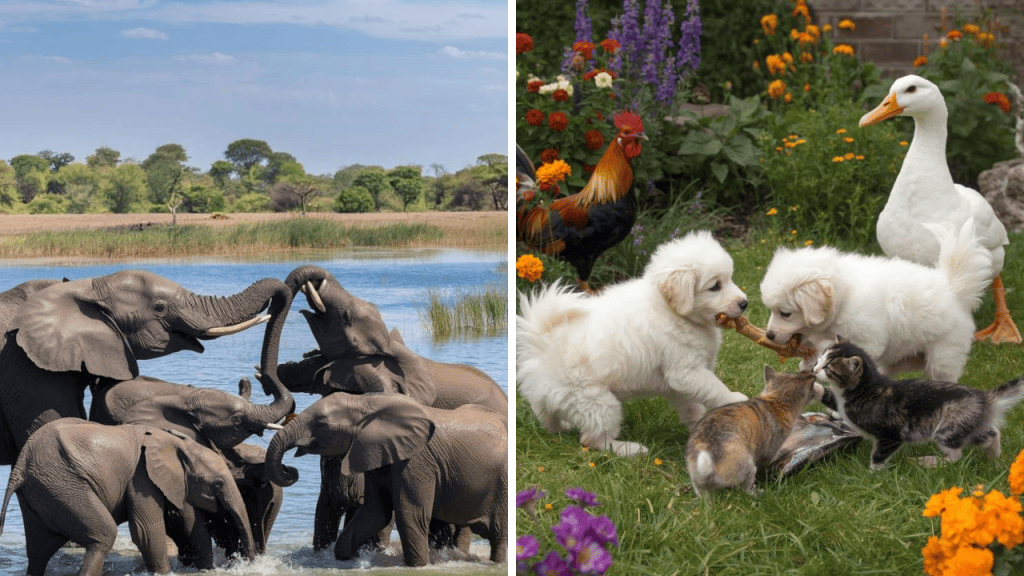
The first step in learning about animals is understanding the basic difference between wild and domestic species. Wild animals live in natural environments such as forests, deserts, and oceans, while domestic animals live with humans and rely on them for food, shelter, and care.
For example, lions, elephants, and wolves are wild animals, while a dog and a cat are domestic animals. Wild animals generally have survival instincts and avoid human contact, whereas domestic animals are trained or adapted to live alongside people. Learning this difference helps build a strong foundation for animal study.
2. Learn About Animal Habitats
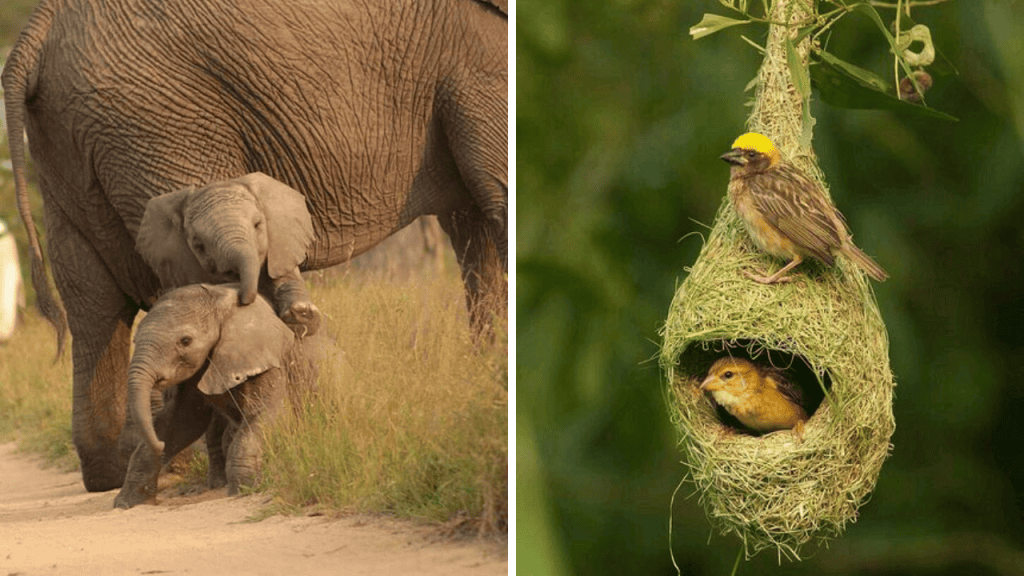
Every animal lives in a specific environment known as its habitat. Understanding habitats helps you learn why animals behave in certain ways and how they survive.
Forests, deserts, oceans, grasslands, and urban areas all provide different living conditions. For example, polar bears live in cold Arctic regions, while camels survive in hot deserts. Domestic animals like dogs and cats live in human environments. Studying habitats helps you connect animals to their natural surroundings and survival needs.
3. Study Animal Diet and Feeding Habits
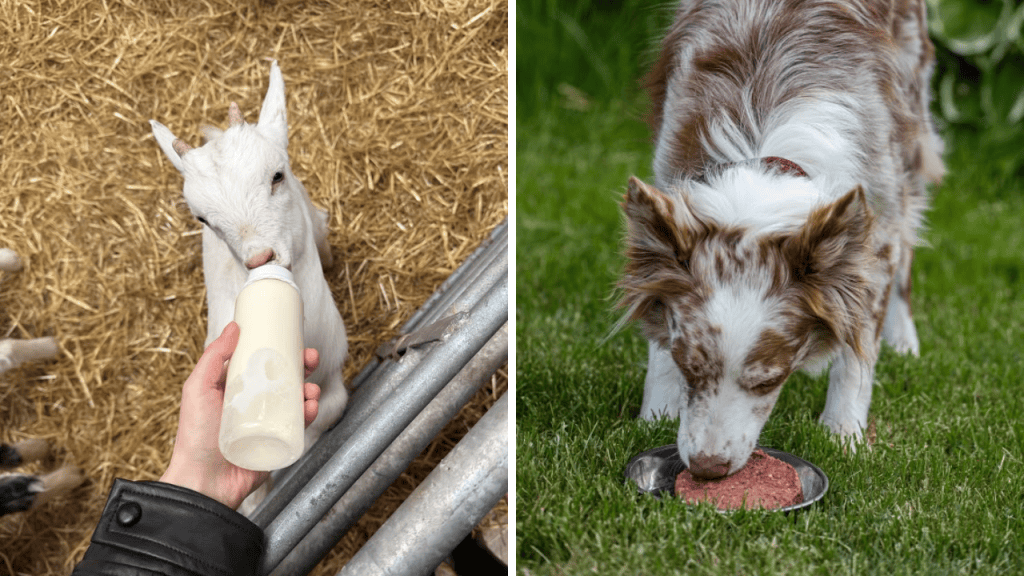
Animals have different diets depending on their species and environment. Some are herbivores (plant-eaters), some are carnivores (meat-eaters), and others are omnivores (both).
Understanding feeding habits helps you learn how animals survive and maintain energy. For example, cows eat grass, lions hunt meat, and a cat consumes both meat-based foods in domestic care. This knowledge is important for both wildlife understanding and responsible pet care.
4. Observe Animal Behavior and Communication
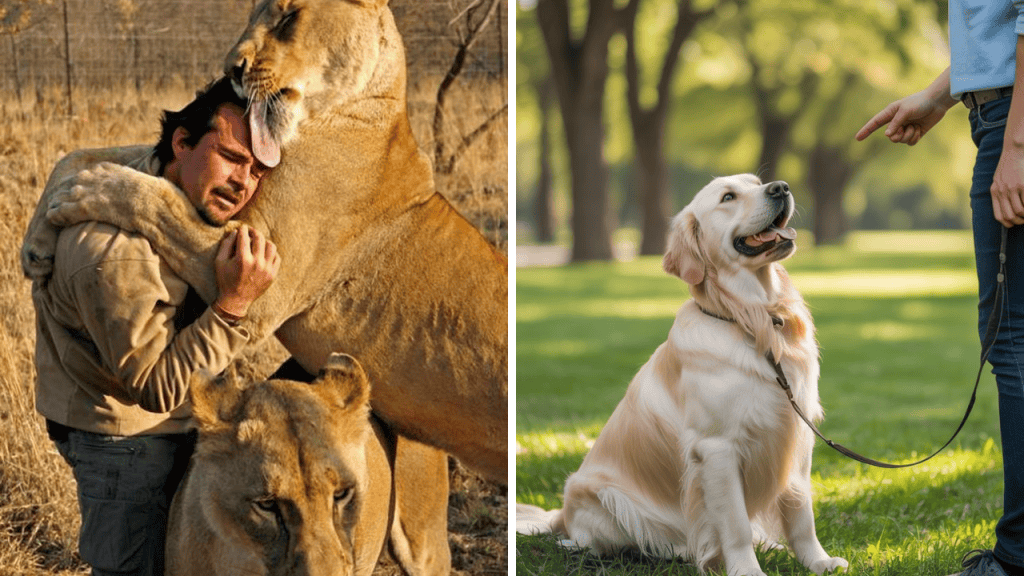
Animals communicate through sounds, movements, and body language. Learning these signals helps you understand their emotions and intentions.
A dog may bark, wag its tail, or change posture to express feelings, while wild animals use sounds, scent marking, or movement patterns. Observing behavior helps you interpret fear, excitement, aggression, or comfort. This skill is essential for both safety and understanding animal psychology.
5. Learn About Animal Classification
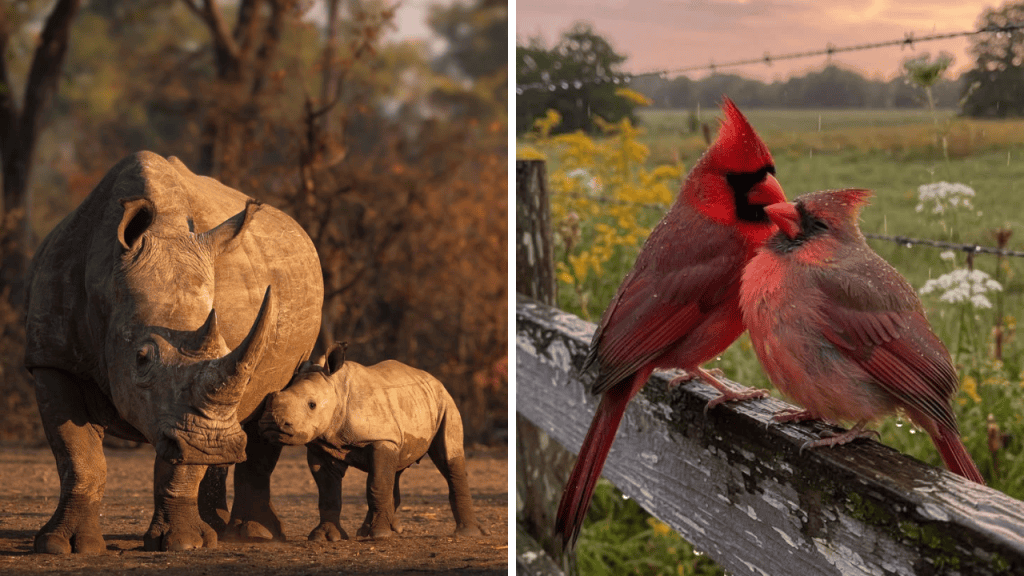
Animals are grouped into categories based on their characteristics. Basic classification includes mammals, birds, reptiles, amphibians, and fish.
Understanding classification helps you organize knowledge and identify species easily. For example, dogs and cats are mammals, while eagles are birds. This system helps beginners study animals in a structured and logical way.
6. Watch Educational Documentaries and Videos

One of the easiest ways to learn about animals is through documentaries, wildlife channels, and educational videos. These resources show real-life animal behavior in natural environments.
Watching animals in action helps you understand hunting patterns, social behavior, and survival techniques. It also makes learning more engaging and visually interesting, especially for beginners.
7. Visit Zoos, Farms, and Nature Parks
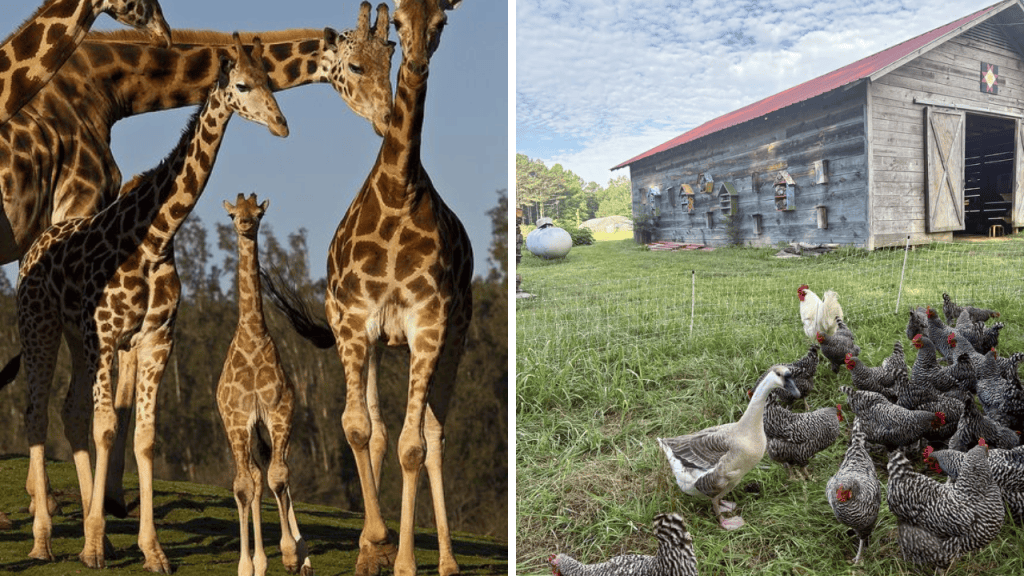
Direct observation is one of the best learning methods. Visiting zoos, farms, and wildlife parks allows you to see animals up close in controlled environments.
Zoos help you learn about wild species safely, while farms introduce you to domestic animals like cows, goats, and chickens. These experiences help you connect theory with real-life observation and improve understanding.
8. Practice Responsible Pet Care and Observation
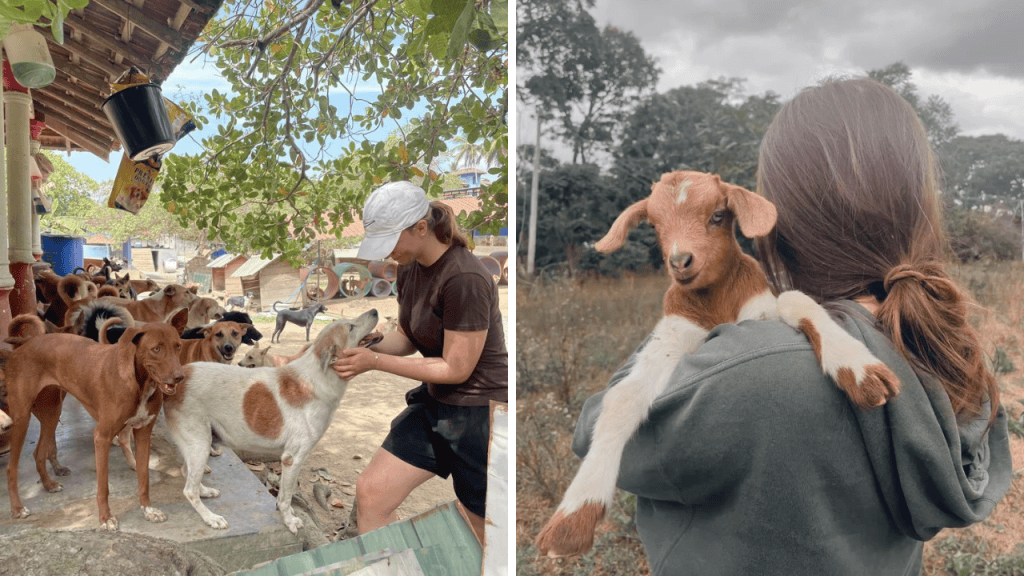
Taking care of domestic animals is a great way to learn responsibility and animal behavior. Caring for a dog or a cat teaches you about feeding, grooming, and emotional bonding.
Observing how pets react to food, sounds, and human interaction helps you understand behavior patterns. Responsible care builds empathy and strengthens your connection with animals while improving practical knowledge.
Summary
Learning about wild and domestic animals is a rewarding process that builds knowledge, awareness, and respect for nature. By understanding habitats, diets, behavior, classification, and real-life observation, beginners can develop a strong foundation in animal studies. Whether through documentaries, zoo visits, or caring for pets like dogs and cats, each experience helps deepen understanding. This knowledge not only improves awareness but also encourages responsible interaction with animals in everyday life.
FAQ
1. What is the easiest way to learn about animals?
Watching documentaries and observing pets are simple and effective methods.
2. What is the difference between wild and domestic animals?
Wild animals live independently in nature, while domestic animals depend on humans.
3. Why is animal behavior important to study?
It helps understand emotions, safety, and communication patterns.
4. Can pets help in learning about animals?
Yes, pets like dogs and cats are great for understanding behavior and care.
5. What are the main types of animals?
Mammals, birds, reptiles, amphibians, and fish are the main categories.
6. Why should we visit zoos or farms?
They provide real-life observation and improve practical learning.