Outdoor adventures offer excitement, freedom, and a deep connection with nature, but they also come with risks that require preparation and awareness. Whether you are hiking in mountains, camping in forests, or exploring remote trails, basic survival knowledge can make the difference between a safe experience and a dangerous situation. Many beginners underestimate outdoor environments, assuming that short trips or familiar trails do not require planning. However, weather changes, injuries, navigation mistakes, or lack of resources can happen unexpectedly. That is why understanding simple survival principles is essential for every outdoor enthusiast.
Survival skills do not need to be complicated or extreme. Even basic habits like carrying essential gear, knowing how to navigate, and understanding weather patterns can significantly improve your safety. These skills also increase confidence, allowing you to enjoy nature without unnecessary fear. Outdoor safety is about preparation, awareness, and smart decision-making rather than panic or luck. Below are 8 simple survival tips that will help you stay safe, prepared, and confident during any outdoor adventure.
1. Always Plan Your Route Before You Go
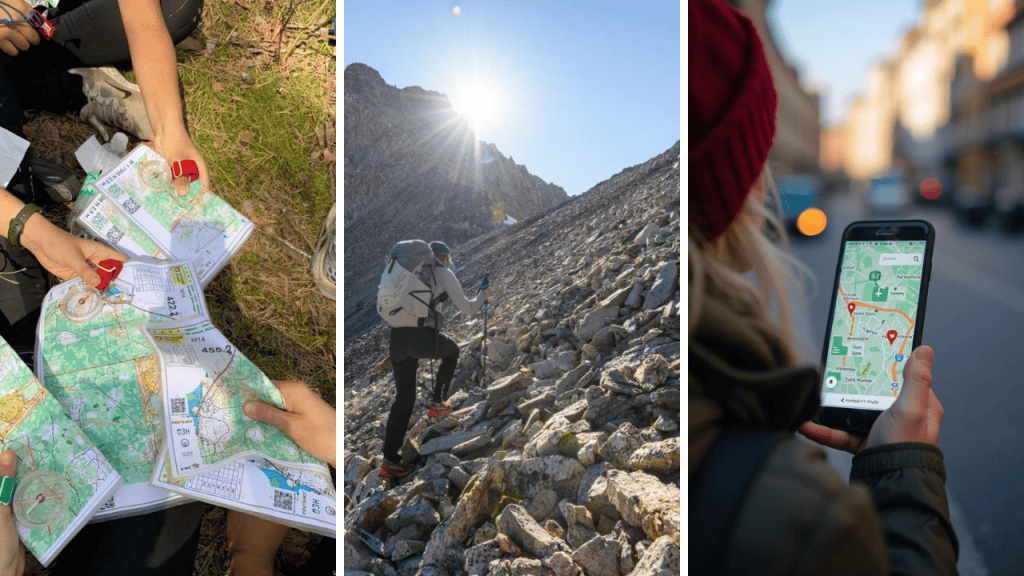
Planning your route is one of the most important survival habits for any outdoor adventure. Before heading out, study the trail map, check distance, elevation, and identify key landmarks. This helps you understand what to expect and reduces the risk of getting lost.
Always share your plan with someone you trust, including your expected return time. In case of emergencies, this information can be crucial for rescue teams. Even experienced hikers should avoid relying only on memory or assumptions. Using offline maps or printed maps is also helpful when there is no mobile signal. Proper planning ensures a safer and more controlled outdoor experience.
2. Carry Enough Water and Hydration Supplies
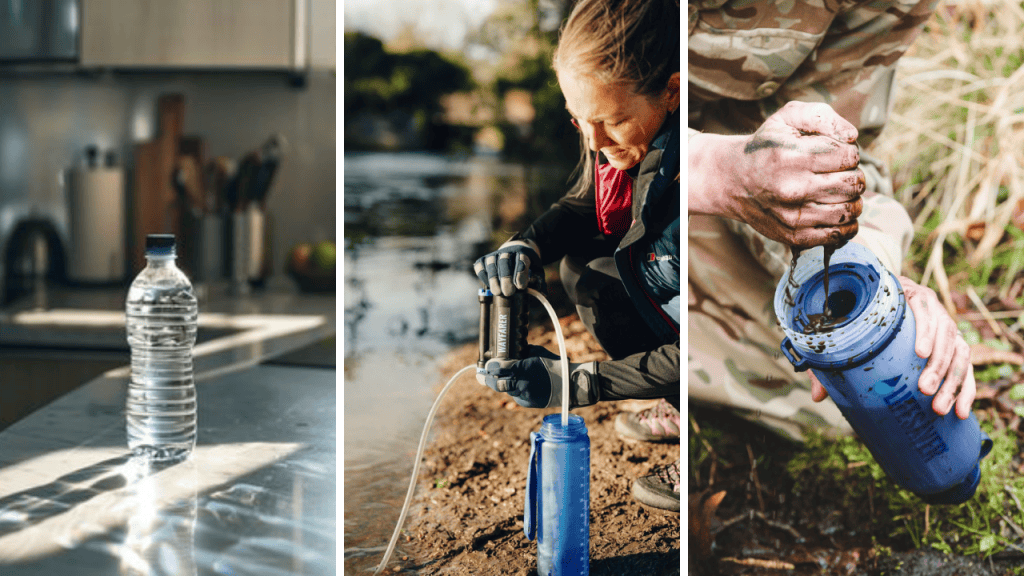
Water is essential for survival, especially during long hikes or hot weather conditions. Dehydration can quickly lead to fatigue, confusion, and serious health risks. Always carry enough water for your entire trip, and if possible, bring a water filtration system for refills.
In remote areas, natural water sources may not always be safe to drink without treatment. Portable filters, purification tablets, or boiling methods can help make water safe. Drinking regularly, even before feeling thirsty, helps maintain energy levels and prevents dehydration. Staying hydrated is one of the simplest but most critical survival habits.
3. Pack Essential Survival Gear
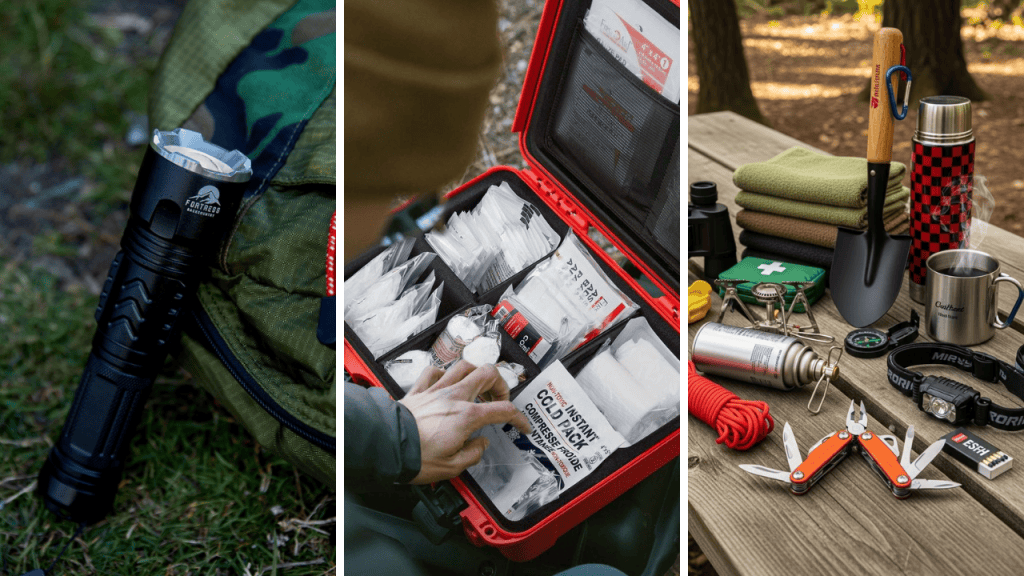
Carrying the right gear can make a huge difference in outdoor safety. Basic survival kits should include items like a flashlight, first aid kit, multi-tool, fire starter, whistle, and emergency blanket.
These tools help you respond to unexpected situations such as injuries, getting lost, or sudden weather changes. A whistle can help signal for help, while a flashlight ensures visibility in low light conditions. Packing light is important, but never skip essential survival items. A well-prepared backpack increases safety and confidence during outdoor trips.
4. Understand Weather Conditions Before Leaving
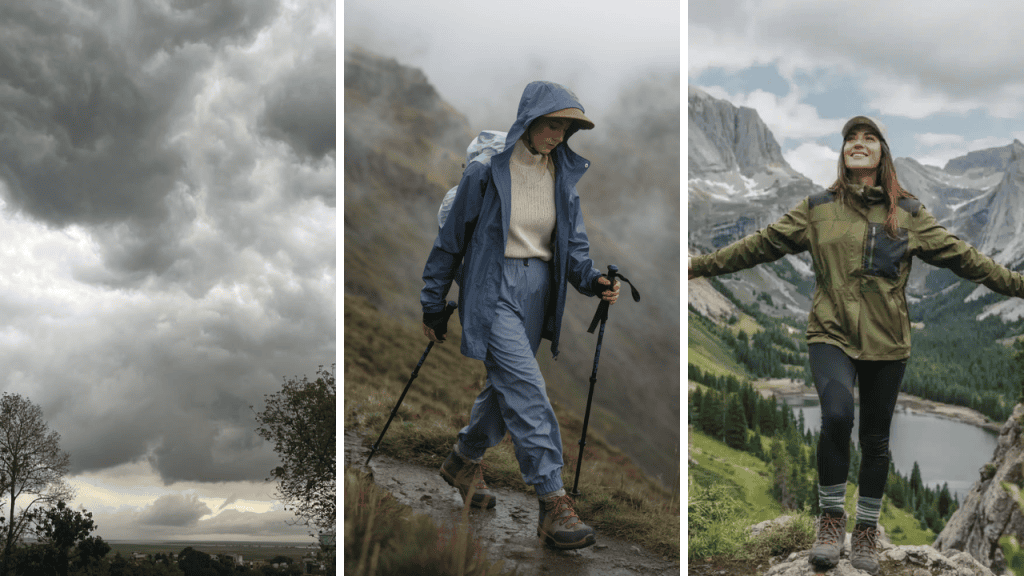
Weather plays a major role in outdoor safety. Sudden changes in temperature, rain, or storms can create dangerous situations, especially in mountains or forests. Always check weather forecasts before starting your journey.
Avoid hiking or camping during severe weather warnings. Carrying extra clothing layers helps you adapt to changing conditions. Waterproof jackets, thermal wear, and quick-dry clothing are useful in unpredictable environments. Understanding weather patterns helps you make better decisions and avoid unnecessary risks.
5. Learn Basic Navigation Skills
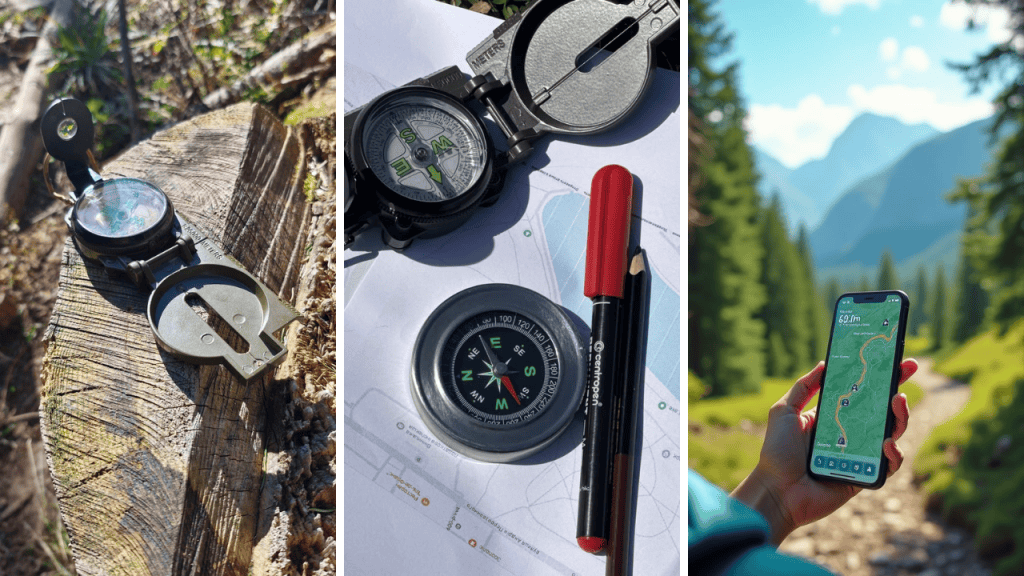
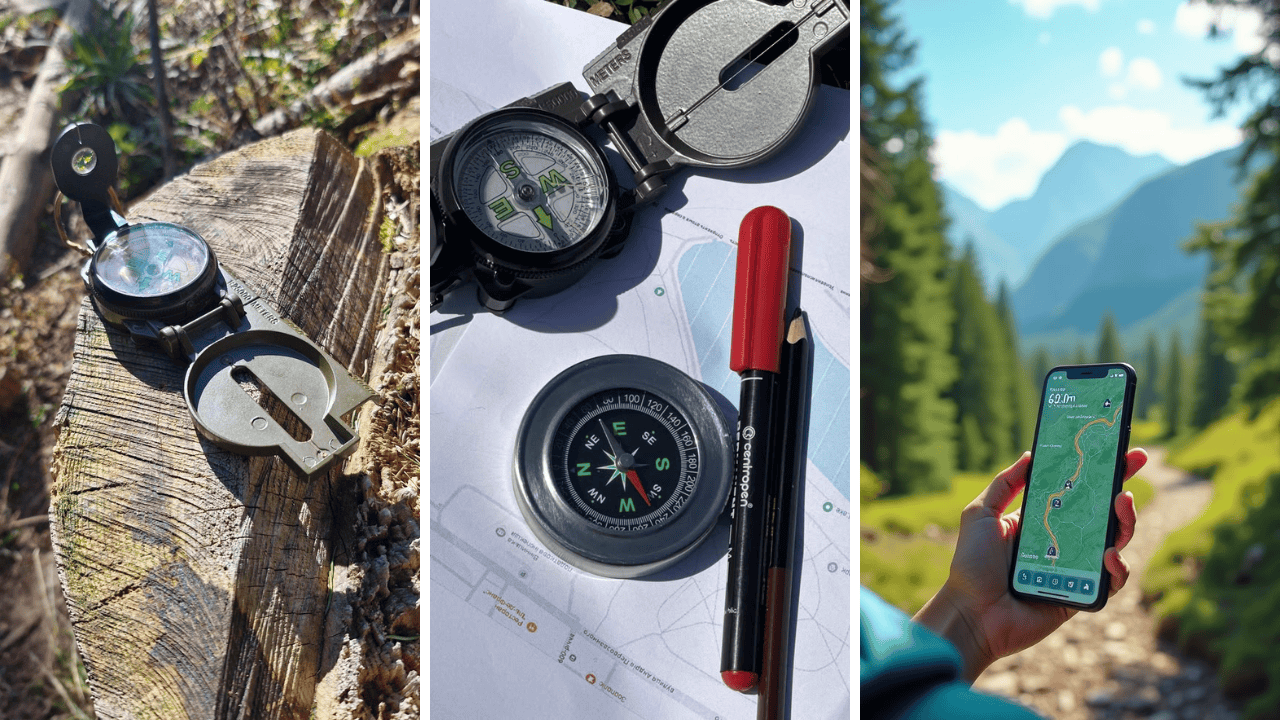
Knowing how to navigate is a key survival skill. Even if you use GPS, it is important to understand how to read a map and use a compass. Technology can fail, but basic navigation skills remain reliable.
Pay attention to trail markers, natural landmarks, and directional clues. If you feel lost, stop moving and try to retrace your steps instead of wandering further. Staying calm and thinking clearly improves your chances of finding the correct path. Navigation skills help you stay oriented and avoid dangerous situations.
6. Build a Safe Shelter if Needed
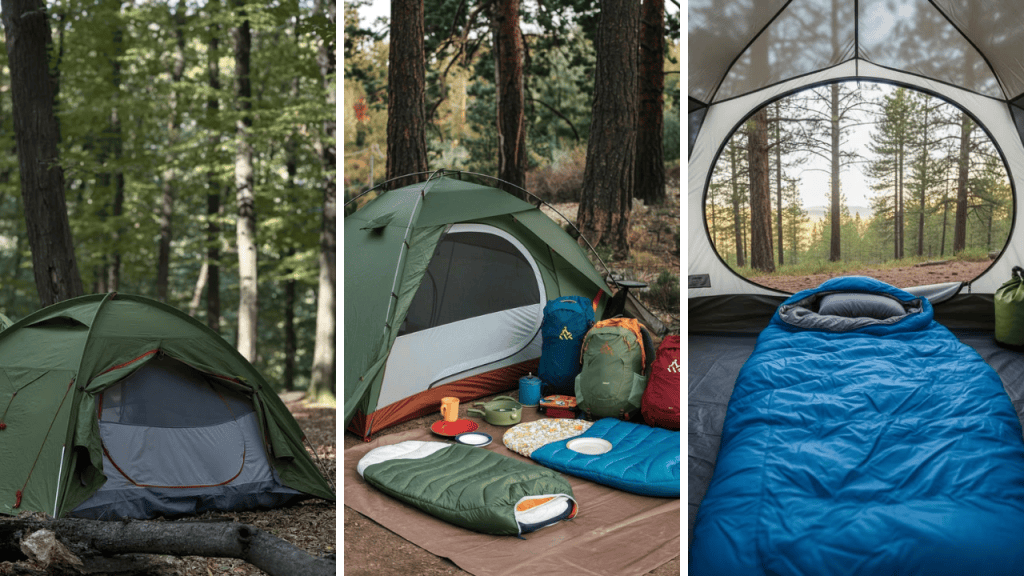
In survival situations, having shelter protects you from weather, temperature changes, and wildlife. If you are outdoors for long periods, knowing how to create simple shelters using natural materials can be very useful.
Even basic protection like using a tarp, emergency blanket, or natural cover can reduce exposure risks. Staying dry and warm is essential for maintaining energy and preventing hypothermia. A safe shelter improves comfort and survival chances in unexpected situations.
7. Be Aware of Wildlife and Surroundings
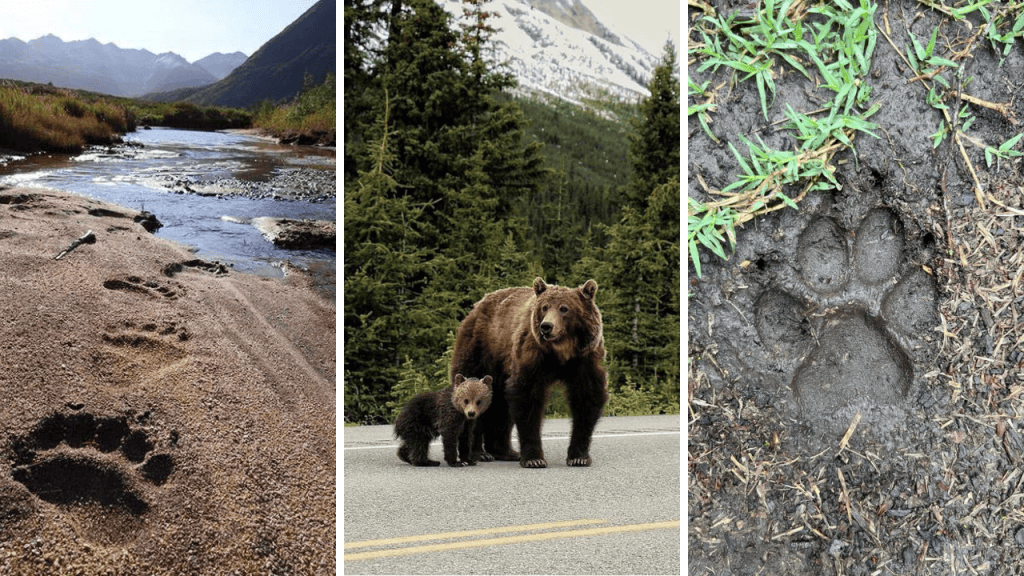
Understanding wildlife behavior is important for safety in outdoor environments. Animals usually avoid humans, but encounters can still happen, especially in forests or remote areas. Staying alert and making noise while hiking can reduce surprise encounters.
Never feed wild animals and keep food stored securely. Observe your surroundings regularly and avoid risky areas like dense bushes or unstable terrain. Awareness helps prevent accidents and ensures a safer outdoor experience.
8. Stay Calm and Think Clearly in Emergencies
One of the most important survival skills is staying calm under pressure. Panic can lead to poor decisions, while calm thinking improves problem-solving.
If you get lost or face an emergency, stop, breathe, and assess your situation. Use available resources like maps, signals, or shelter materials. Many survival situations are resolved by patience and clear thinking rather than speed or force. Staying calm increases your chances of making the right decisions.
Summary
Outdoor adventures are enjoyable and rewarding, but safety should always come first. Simple survival skills such as planning routes, carrying water, understanding weather, and staying calm in emergencies can greatly improve your outdoor experience. These basic tips help you stay prepared, confident, and safe in nature. Whether you are a beginner or an experienced adventurer, practicing these habits ensures that your journeys remain both fun and secure.
FAQ
1. What are the most important survival tips for beginners?
Planning routes, carrying water, and packing essential gear are the most important basics.
2. How much water should I carry for hiking?
It depends on distance and weather, but generally at least 2–3 liters for a day hike.
3. Do I need survival gear for short hikes?
Yes, even short hikes should include basic items like a flashlight and first aid kit.
4. What should I do if I get lost outdoors?
Stop moving, stay calm, retrace your steps, and use navigation tools if available.
5. Is it safe to drink natural water in the wild?
Not always. It should be filtered, boiled, or treated before drinking.
6. Why is weather important in outdoor survival?
Weather affects safety, visibility, temperature, and overall survival conditions.