
Personal growth isn’t about becoming perfect or constantly pushing yourself to do more. It often involves recognizing the habits, thoughts, and patterns that may be keeping you from moving toward the life you want. Sometimes the biggest obstacles aren’t external circumstances but the ways we respond to fear, uncertainty, comparison, and setbacks.
If you’ve been feeling stuck, these signs can serve as gentle prompts for self-reflection. Recognizing a pattern doesn’t mean you’ve failed—it simply gives you an opportunity to understand what may need to change and choose a more supportive direction.
1. You Constantly Compare Yourself to Others
Comparing your progress with someone else’s can make your own achievements feel insignificant.
You may notice:
- Feeling behind when others succeed
- Comparing careers or relationships
- Measuring your appearance against others
- Focusing more on their progress than your own
Everyone has different circumstances and timelines. Try measuring progress against where you were previously instead.
2. You Wait Until Everything Is Perfect
Perfectionism can make starting feel impossible.
You might keep waiting for:
- The perfect opportunity
- More confidence
- Better timing
- More knowledge
- Ideal circumstances
Progress often comes from taking a reasonable first step and improving along the way.
3. You Talk Yourself Out of New Opportunities

Fear can sometimes appear as practical reasoning.
You might tell yourself:
- “I’m not ready.”
- “Someone else would be better.”
- “What if I fail?”
- “It’s probably not worth trying.”
Before automatically saying no, ask whether the decision is based on genuine circumstances or fear of the unknown.
4. You Focus More on Mistakes Than Progress
Learning from mistakes is useful, but constantly replaying them can keep you stuck in the past.
Instead, ask:
- What did I learn?
- What would I do differently?
- What can I try next?
A setback can provide information without becoming a permanent definition of who you are.
5. You Set Goals but Don’t Create Small Actions
Having a goal is important, but vague intentions can be difficult to turn into progress.
Instead of saying, “I want to get healthier,” create a specific action such as:
“I’ll take a 20-minute walk three evenings this week.”
Small, realistic actions make larger goals easier to approach.
6. You Spend Too Much Time Seeking Approval
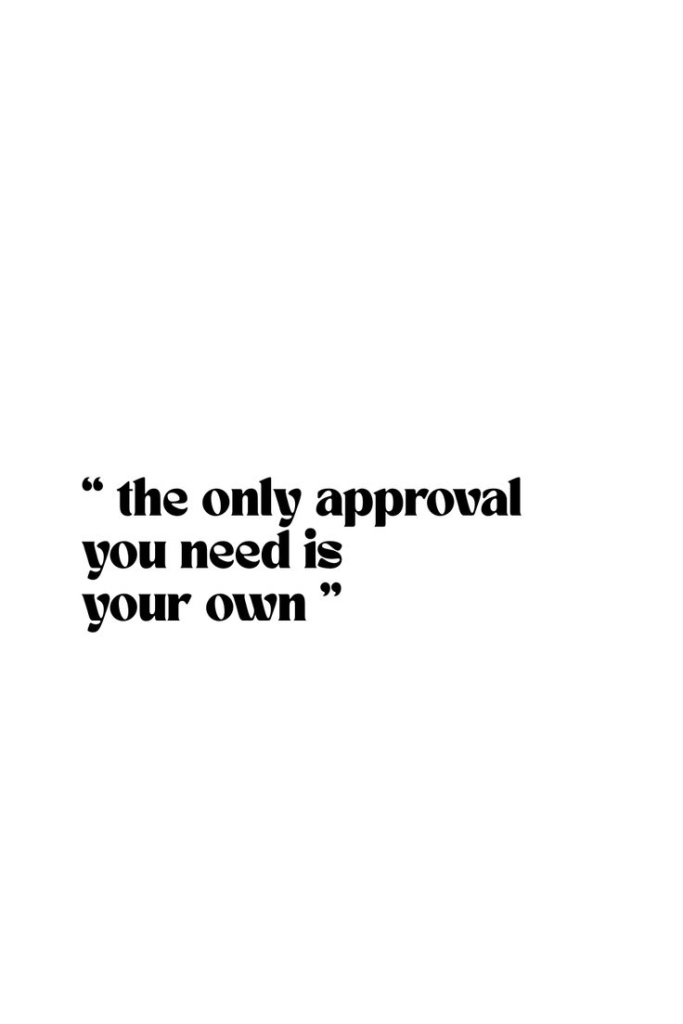
Constantly trying to make everyone happy can make it difficult to identify what you genuinely want.
You may hesitate to:
- Set boundaries
- Say no
- Express your opinion
- Change direction
- Make independent decisions
Consider whose opinions truly matter to you and whether your choices reflect your own values.
7. You Stay in Routines That No Longer Fit
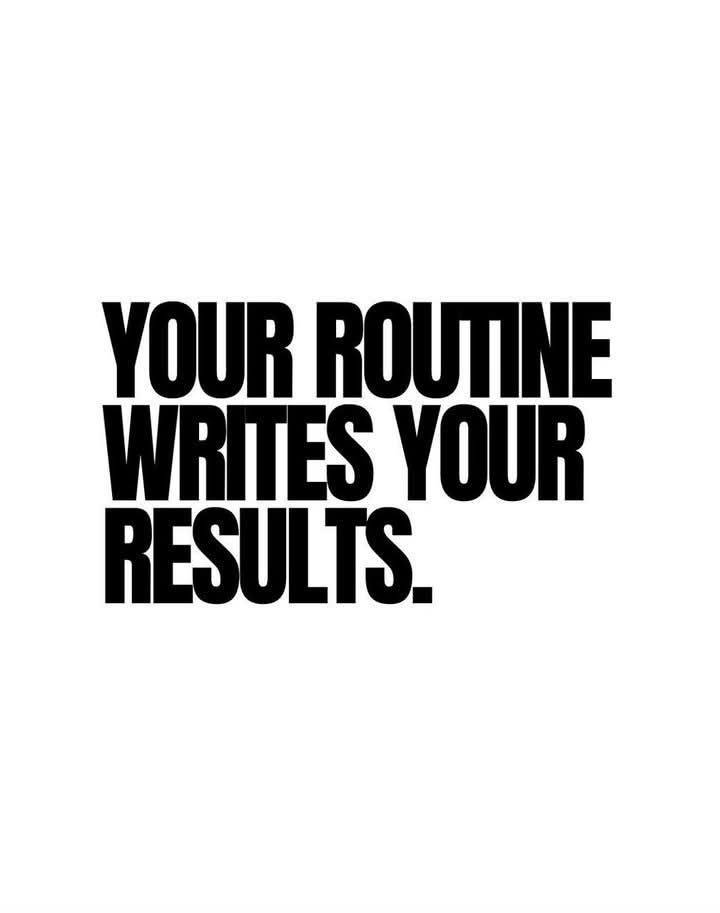
Familiar doesn’t always mean beneficial.
You may continue habits, commitments, or routines simply because you’ve become accustomed to them.
Take time to ask:
“Is this still helping me become the person I want to be?”
If the answer is no, consider making one small adjustment rather than trying to change everything at once.
8. You Don’t Give Yourself Credit for Progress
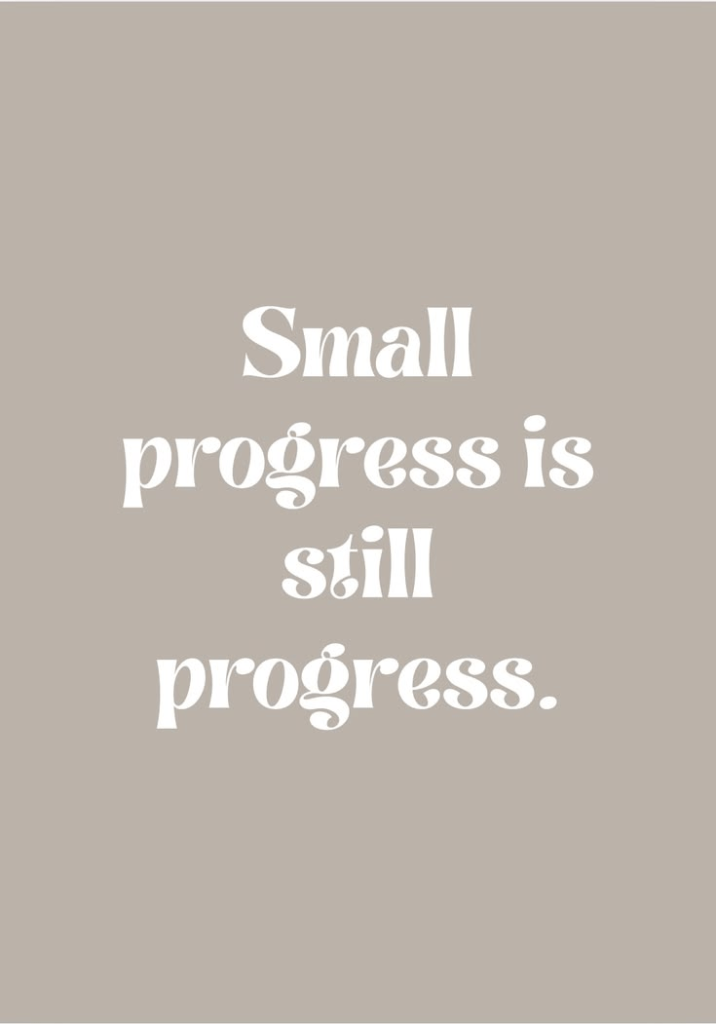
Sometimes self-improvement becomes so focused on the next goal that you forget to acknowledge how far you’ve already come.
Notice:
- Skills you’ve developed
- Difficult situations you’ve handled
- Habits you’ve improved
- Boundaries you’ve established
- Goals you’ve already reached
Recognizing progress can help you build confidence for the next step.
Summary
Holding yourself back doesn’t always look obvious. It can appear as constant comparison, perfectionism, fear of trying, excessive self-criticism, approval-seeking, or staying with routines that no longer support your goals. Recognizing these patterns isn’t about blaming yourself. It’s about becoming more aware of your choices and finding small ways to move forward. Personal growth is a gradual process, and becoming your “best self” should mean creating a life that reflects your values—not chasing an unrealistic version of perfection.
Frequently Asked Questions
What does it mean to hold yourself back?
It can mean engaging in thoughts, habits, or behaviors that make it harder to pursue goals or live according to your values. These patterns can be intentional or unconscious.
How do I know if I’m holding myself back?
Look for recurring patterns such as avoiding opportunities because of fear, constantly comparing yourself with others, procrastinating, or repeatedly abandoning goals without examining why.
Can perfectionism prevent personal growth?
Yes. When you believe something must be perfect before you begin, you may avoid taking action or learning through experience.
How can I stop comparing myself to others?
Limit comparison triggers when possible and focus on your own progress. Keeping a record of personal achievements and goals can help shift attention back to your own journey.
What is one small step toward becoming a better version of myself?
Choose one specific behavior you can realistically practice this week. Small consistent actions are often easier to maintain than dramatic changes.
How can I become more confident?
Confidence often develops through experience. Set manageable challenges, follow through on commitments to yourself, learn from mistakes, and recognize your progress.
Is staying in my comfort zone always bad?
No. Familiar routines can provide stability and rest. The issue is whether your comfort zone is preventing you from pursuing things that genuinely matter to you.
What if I keep feeling stuck despite trying to change?
Consider whether the goal is realistic, whether you need additional support, or whether there are underlying circumstances making change difficult. Talking with someone you trust or a qualified professional can provide another perspective.