
Introduction
Managing finances effectively often starts with identifying unnecessary expenses that quietly drain your budget. By cutting back on non-essential purchases, you can save money, reduce stress, and work toward financial stability. Many small, habitual spending habits add up over time, keeping you from reaching your financial goals. Recognizing which purchases to quit is the first step toward smarter money management.
Stopping certain purchases doesn’t mean depriving yourself—it means prioritizing essentials and being mindful of where your money goes. Small lifestyle adjustments can have a big impact on your bank account and overall financial health. Below are 8 types of purchases I quit making to stop being broke, along with practical insights on why and how avoiding them improved my finances.
1. Daily Coffee Shop Visits
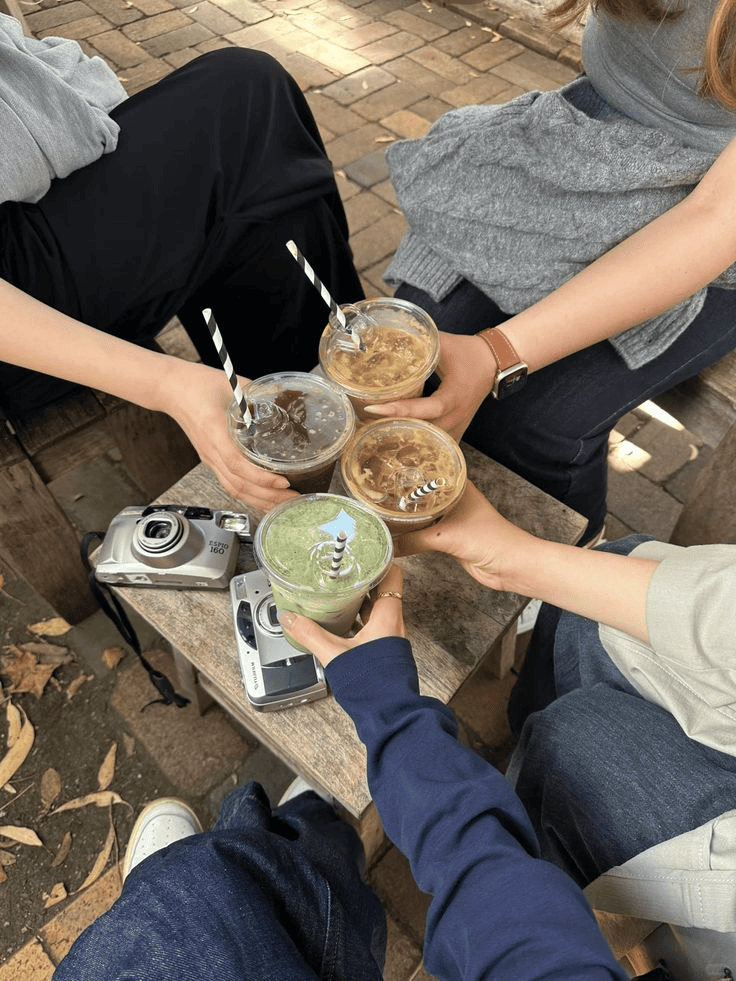
Buying coffee daily from cafes can cost hundreds of dollars a month. By brewing coffee at home, you save money while still enjoying your favorite drink.
Investing in a quality coffee maker or reusable travel mug can make home-brewed coffee enjoyable and sustainable. This simple habit change can free up a significant portion of your budget.
2. Impulse Online Shopping
Impulse purchases online often result in buying items you don’t need. Unsubscribing from marketing emails and using wishlists can curb unnecessary spending.
Waiting 24–48 hours before making a purchase helps determine if it’s truly necessary. This approach reduces clutter and prevents money from being wasted.

3. Eating Out Frequently
Regular restaurant meals or takeout can quickly add up. Cooking at home and meal prepping is far more cost-effective and healthier.
Even treating yourself occasionally is fine, but making home-cooked meals the default saves hundreds monthly. Budgeting for special dining experiences keeps your finances balanced.

4. Trendy Clothing Purchases
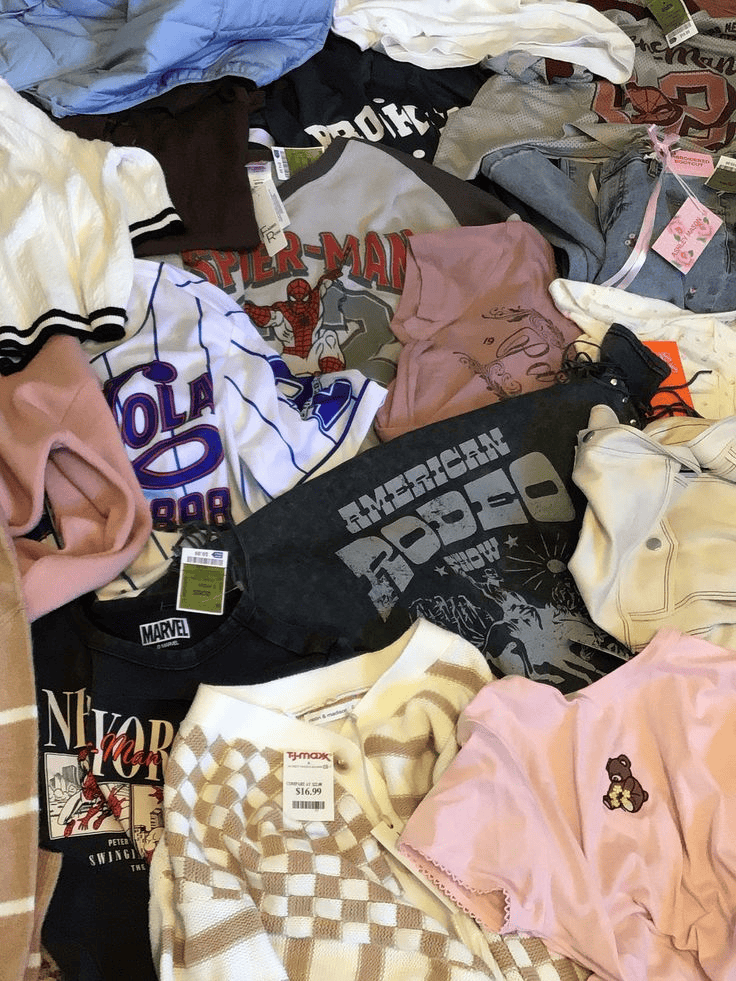
Fast fashion and trend-chasing often lead to buying items that go out of style quickly. By focusing on versatile wardrobe staples, you reduce spending without sacrificing style.
Investing in quality basics that last longer reduces the frequency of purchases and prevents unnecessary clothing clutter.
5. Unused Subscriptions
Subscriptions for apps, streaming services, or magazines often go unnoticed and add up monthly. Reviewing and canceling unused or redundant services saves money effortlessly.
Only keeping subscriptions you actively use ensures you’re paying for value, not convenience or habit.

6. Premium Gym Memberships
Expensive gym memberships can strain a budget, especially if attendance is irregular. Home workouts, outdoor runs, or online fitness programs are affordable alternatives.
Focusing on low-cost fitness options allows you to stay healthy without recurring high fees.

7. Bottled Water and Drinks
Purchasing bottled drinks daily is costly over time. Switching to a reusable bottle and tap or filtered water significantly reduces spending.
This small change is environmentally friendly and financially smart, saving money while promoting healthy habits.

8. Frequent Tech Upgrades
Constantly upgrading phones, laptops, or gadgets can deplete your savings. Extending the life of existing devices and buying only when necessary prevents unnecessary expenses.
Careful research before upgrades ensures you invest wisely and avoid impulsive spending.

Summary
Quitting unnecessary purchases is a powerful step toward financial stability. By avoiding daily coffee runs, impulse shopping, eating out, fast fashion, unused subscriptions, pricey gym memberships, bottled drinks, and frequent tech upgrades, you can save significant money each month. Mindful spending and prioritizing essential purchases help break the cycle of being broke and promote long-term financial wellness.
Frequently Asked Questions
What is the easiest way to stop being broke?
Start by identifying and eliminating unnecessary expenses while tracking your spending.
How much can cutting daily habits save?
Depending on the habit, savings can range from hundreds to thousands annually.
Should I quit all luxuries?
No, focus on unnecessary or impulsive purchases; budget for occasional treats responsibly.
How do I manage subscriptions effectively?
Review monthly, cancel unused services, and keep only those that provide value.
Can small changes really impact finances?
Yes, consistent small changes can add up significantly over time.
How do I resist impulse buying?
Use waiting periods, remove saved payment info, and create a shopping list.
Is cooking at home worth the effort?
Absolutely. It saves money, improves health, and offers better portion control.
How do I prioritize spending?
Focus on necessities first, then allocate funds for savings and occasional enjoyable purchases.