
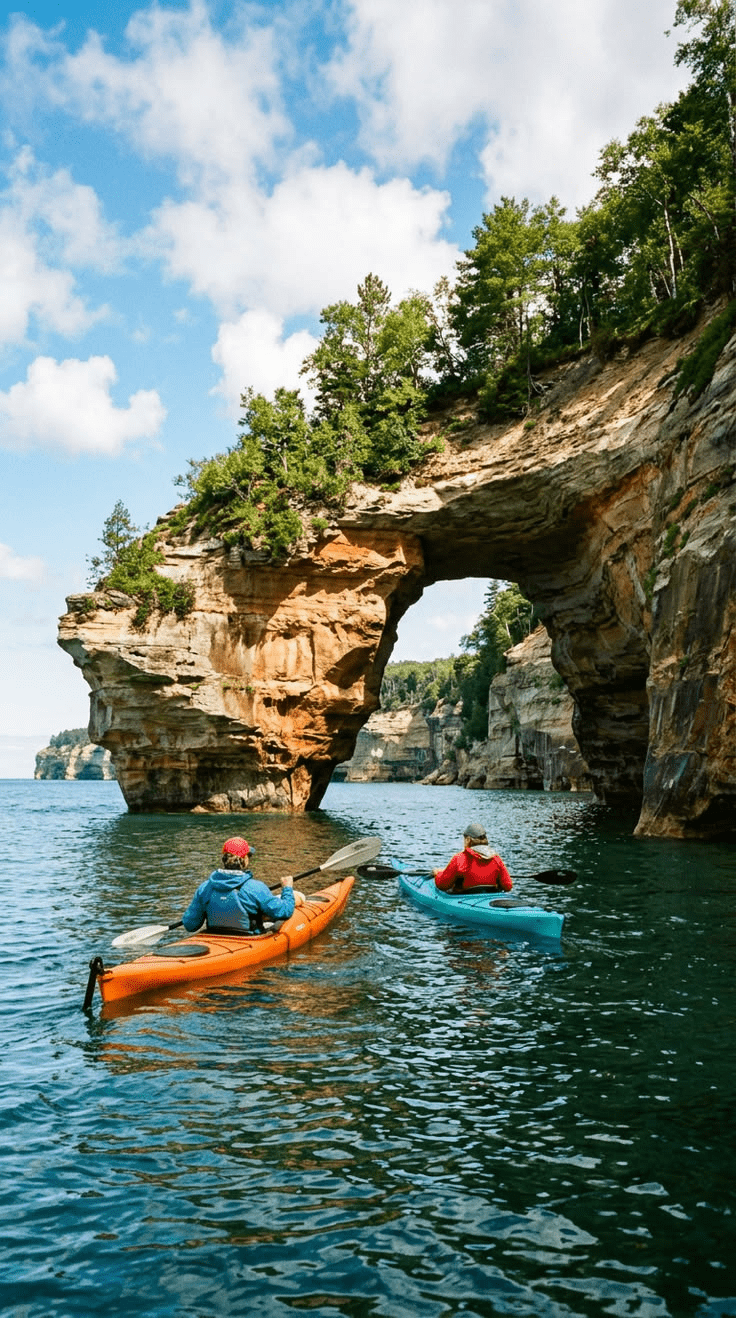
Croatia is a beautiful destination filled with historic cities, sparkling Adriatic waters, charming islands, dramatic waterfalls, and delicious regional cuisine. While many travelers visit for the famous beaches and medieval towns, the country offers much more than traditional sightseeing. You can walk along ancient city walls, explore Roman ruins, sail between peaceful islands, hike through lush national parks, or enjoy fresh seafood at a small coastal restaurant. Every region has its own atmosphere, making Croatia an exciting destination for different types of travelers.
Planning a trip to Croatia becomes easier when you focus on experiences rather than simply collecting destinations. Some activities are ideal for first-time visitors, while others offer a slower and more local way to enjoy the country. Depending on your interests, you might spend a day exploring Dubrovnik’s Old Town, take a boat trip around the Dalmatian coast, or discover the natural beauty of Plitvice Lakes National Park. The following Croatia travel experiences combine history, nature, food, adventure, and relaxation. Whether you are planning a short European getaway or a longer Adriatic journey, these ideas can help you create a memorable itinerary.
1. Walk Along Dubrovnik’s Historic City Walls
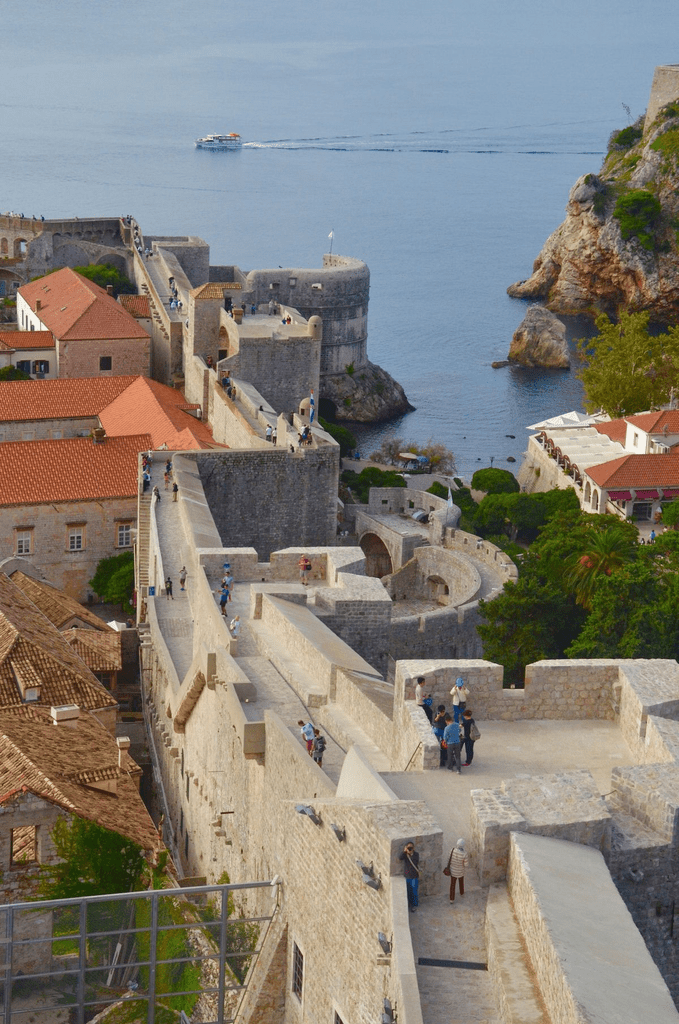
Walking along Dubrovnik’s historic city walls is one of the most memorable experiences to include in a Croatia itinerary. The ancient fortifications surround the Old Town and offer beautiful views of terracotta rooftops, stone buildings, the Adriatic Sea, and nearby islands. From the elevated walkway, you can appreciate the city’s architecture while seeing how its historic defenses were designed.
Inside the Old Town, spend time wandering along Stradun, the main pedestrian street, and exploring small side lanes, historic churches, fountains, and charming squares. The city is especially atmospheric early in the morning or later in the afternoon, when the streets may feel less crowded than during the busiest part of the day.
Wear comfortable shoes because the wall walk and Old Town streets include many stone surfaces and steps. Bring water, sunglasses, and sun protection during warmer months.
For a different perspective, consider visiting a viewpoint above the city or taking a boat trip along the coast. Combining the city walls with a relaxed waterfront meal makes this experience ideal for history lovers, photographers, and first-time visitors.
2. Explore Diocletian’s Palace in Split
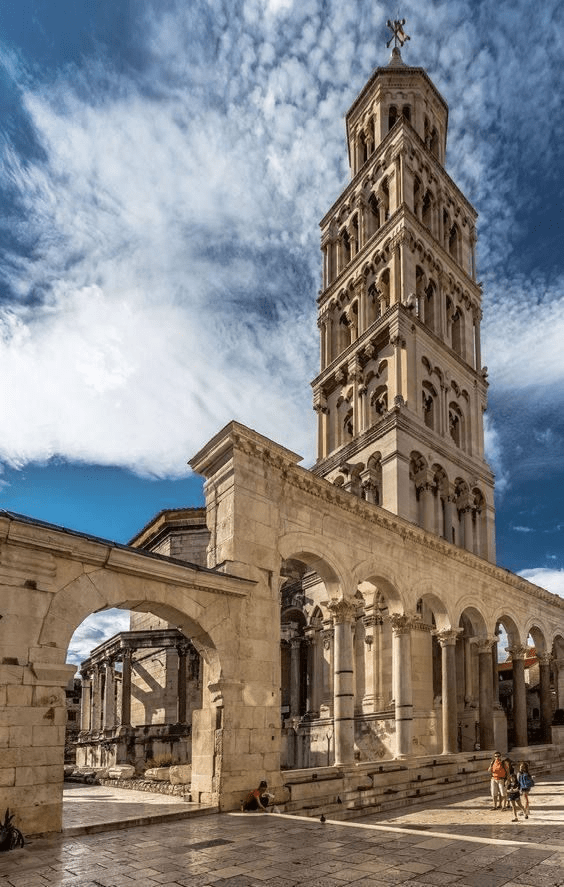
Diocletian’s Palace in Split offers a fascinating opportunity to explore Roman history within a lively modern city. Built for Roman Emperor Diocletian, the palace complex has become part of Split’s everyday urban life. Historic walls, courtyards, stone passageways, cafés, shops, and restaurants are woven into the city center.
Instead of treating the palace as a single museum attraction, take time to explore its different sections. Visit the Peristyle, admire the ancient stone architecture, and wander through the narrow streets surrounding the palace. Some areas reveal Roman remains, while others feature later medieval and modern additions.
A guided walking tour can help explain the history of the complex and highlight details that might otherwise be easy to miss. You can also visit the nearby waterfront promenade, known as the Riva, for a relaxing walk beside the sea.
If you have extra time, climb Marjan Hill for panoramic views over Split and the surrounding coastline. Split is also a useful base for boat trips and ferry connections to several Dalmatian islands, making it a convenient stop for travelers who want to combine culture and coastal adventures.
3. Discover the Waterfalls of Plitvice Lakes National Park
Plitvice Lakes National Park is one of Croatia’s most impressive natural attractions. The park is known for its interconnected lakes, wooden walkways, forested landscapes, and cascading waterfalls. Its clear water changes appearance depending on the light, weather, and mineral content, creating beautiful shades of blue and green.
Visitors can explore the park through a network of walking trails, footbridges, and designated routes. Some paths are short and relatively easy, while others take several hours and include more walking. Choose a route that matches your fitness level and the amount of time available.
Comfortable walking shoes are essential, especially if you plan to spend most of the day outdoors. Bring water, snacks, and a light jacket because conditions can vary between shaded forest areas and open viewpoints.
Plitvice can become busy during peak travel periods, so booking entry in advance and arriving early may make the visit more comfortable. Swimming is not generally permitted in the lakes, but the scenery provides plenty of opportunities for photography and peaceful nature walks.
4. Go Island-Hopping Along the Adriatic Coast
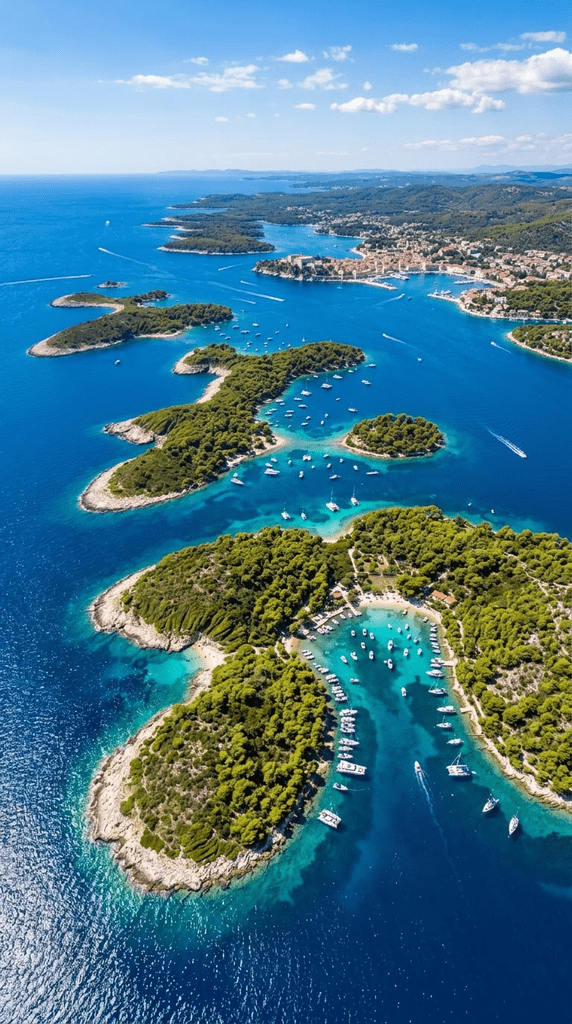
Island-hopping is one of the most enjoyable ways to experience Croatia’s Adriatic coastline. The country’s islands each have their own personality, from lively towns and beach cafés to quiet coves, vineyards, and traditional fishing villages.
Hvar is known for its historic town, coastal scenery, and lively summer atmosphere. Korčula offers medieval streets, local wine, and beautiful seaside views. Vis is a good option for travelers seeking a more relaxed island experience, while Brač is famous for Zlatni Rat beach and its scenic coastal landscapes.
Ferries and catamarans connect several islands with mainland cities, although schedules can change according to the season. Check transport times carefully before planning a multi-island trip, especially if you are traveling with luggage or have limited time.
Rather than visiting too many islands in a short period, consider spending at least one or two nights in a chosen destination. This gives you time to explore beyond the main port, enjoy local food, swim in quiet bays, and experience the slower rhythm of island life.
5. Taste Traditional Croatian Food
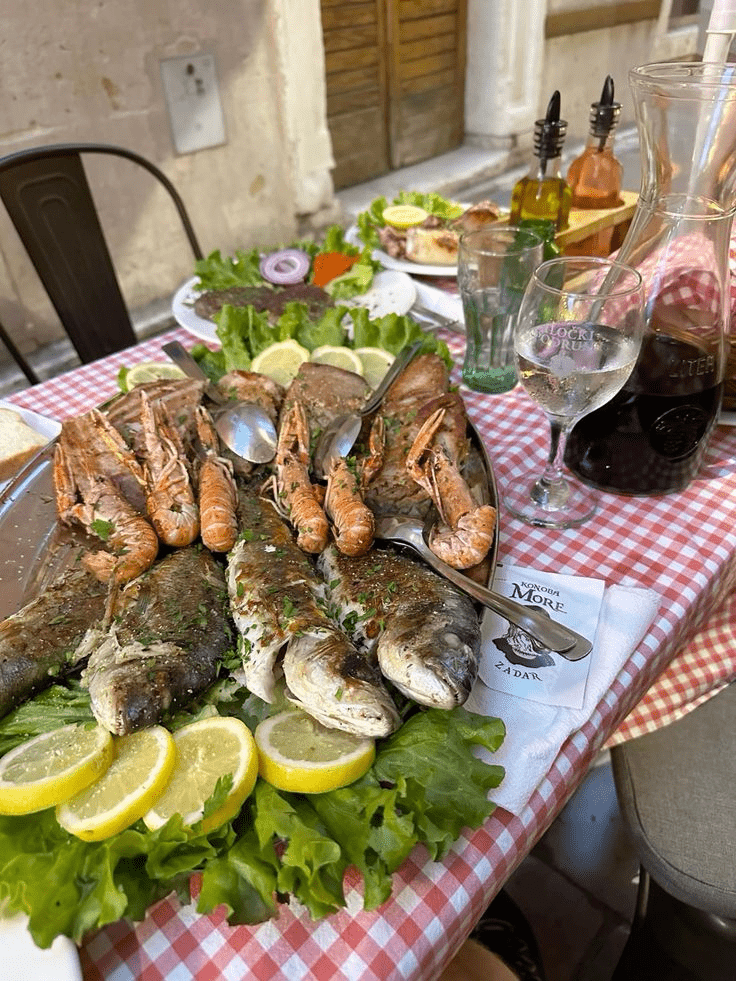
Trying traditional Croatian food is an essential part of exploring the country. Croatian cuisine varies by region, so the dishes you find along the coast may differ from those served inland. Coastal areas often feature fresh seafood, olive oil, herbs, and Mediterranean-inspired ingredients, while inland regions offer heartier meat dishes, stews, and baked specialties.
Look for traditional dishes such as peka, a slow-cooked meal prepared with meat or seafood and vegetables. Black risotto, often made with cuttlefish or squid, is another popular coastal specialty. Fresh grilled fish, octopus salad, local cheeses, and handmade pasta are also worth trying.
For a more authentic experience, visit a traditional family-run restaurant, often called a konoba. These establishments may offer regional dishes prepared with seasonal ingredients. Local markets are also useful places to discover fresh produce, pastries, olive oil, and other specialties.
If you enjoy wine, consider exploring Croatian wine regions such as Istria or the Dalmatian coast. A food-and-wine experience can add a memorable cultural element to your trip and help you understand the traditions behind the country’s cuisine.
6. Kayak or Sail Around Coastal Coves
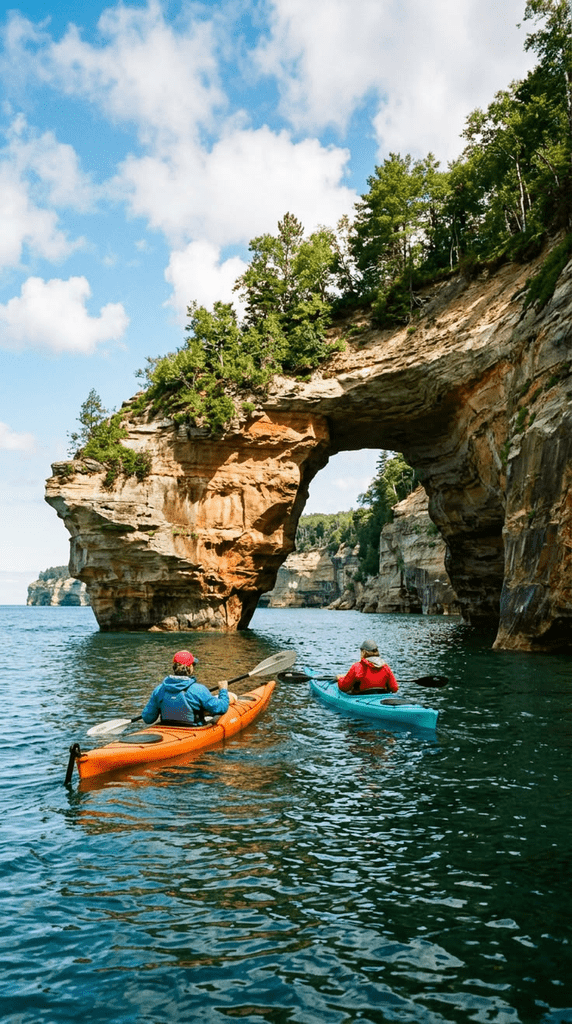
Spending time on the water allows you to experience Croatia’s coastline from a completely different perspective. Kayaking, sailing, and organized boat trips offer opportunities to discover hidden coves, rocky shorelines, sea caves, and small islands that may be difficult to reach by land.
Sea kayaking is a good option for active travelers who want to explore at their own pace. Guided tours are particularly useful for beginners because instructors can explain basic paddling techniques, local conditions, and safety procedures. Some tours take place around historic coastal towns, while others focus on quieter bays and natural scenery.
Sailing trips can range from short afternoon excursions to multi-day island adventures. A day trip may include time for swimming, snorkeling, and enjoying lunch on board or at a coastal village.
Always check the weather and sea conditions before heading out. Wear appropriate sun protection, bring drinking water, and follow the guidance of local tour operators. If you prefer a more relaxed experience, a sunset boat ride can provide beautiful views without requiring strenuous activity.
7. Explore Istria’s Charming Towns and Food Culture
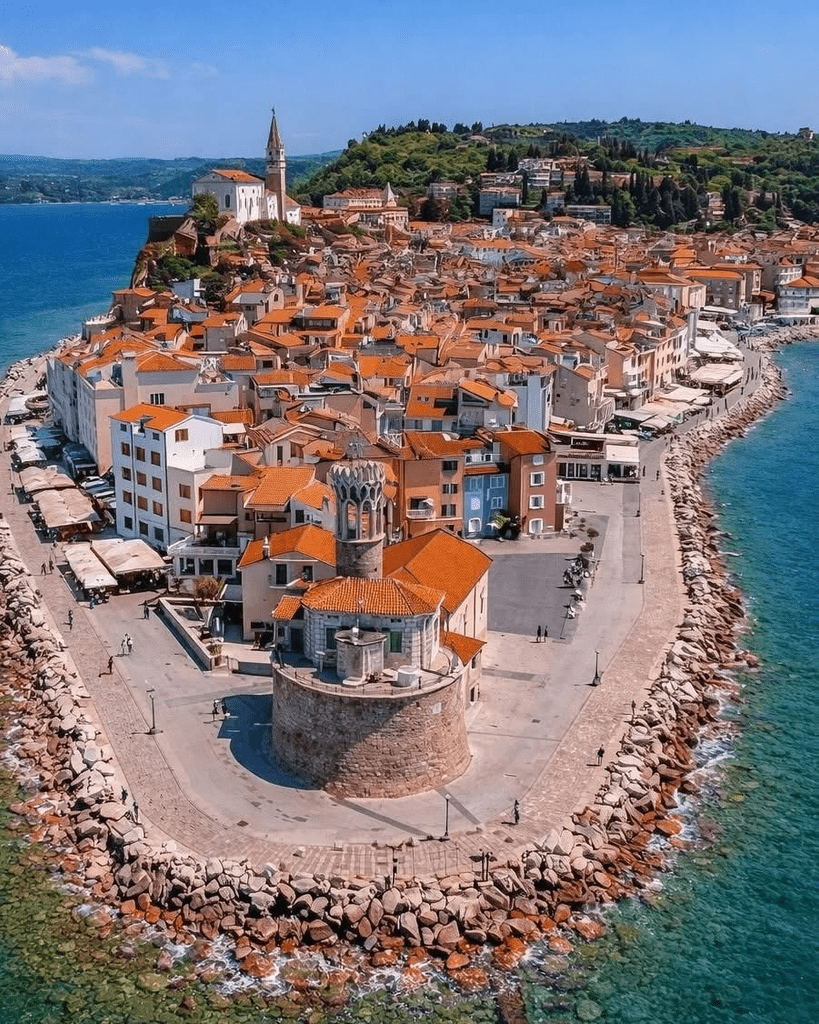
The Istrian Peninsula offers a different side of Croatia, combining hilltop villages, coastal towns, vineyards, olive groves, and a strong food culture. It is an excellent region to explore if you want to move beyond the country’s most famous destinations.
Rovinj is known for its colorful waterfront, narrow cobblestone streets, and historic old town. Pula features impressive Roman remains, including a remarkably preserved amphitheater. Inland, towns such as Motovun offer scenic hilltop views and a peaceful atmosphere.
Istria is also celebrated for its culinary traditions. Visitors can try regional pasta, fresh seafood, local cheeses, olive oil, and dishes featuring seasonal ingredients. The region is particularly associated with truffles, which appear in various restaurant menus and food-tasting experiences.
Renting a car can make it easier to explore smaller villages and rural areas, although travelers should plan routes carefully. You can also choose a guided food tour or a local tasting experience to discover the region without organizing every detail yourself.
Istria is a wonderful choice for travelers who enjoy photography, food, architecture, and slower-paced road trips.
8. Experience the Beauty of Krka National Park
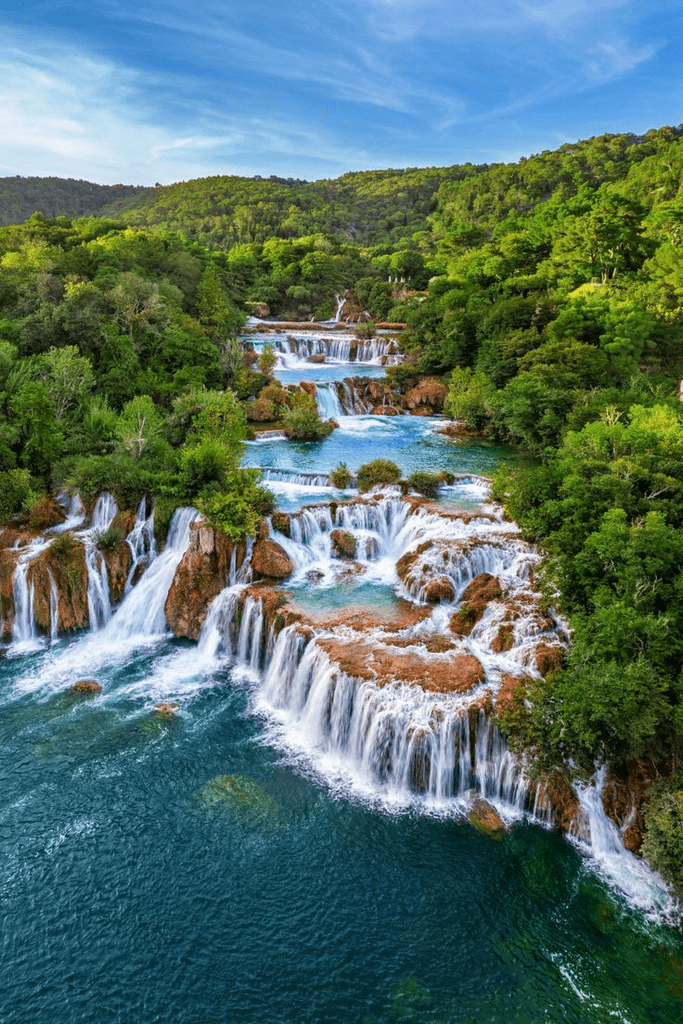
Krka National Park is another excellent destination for nature lovers who want to explore Croatia’s waterfalls and river landscapes. The park features the Krka River, lush greenery, historic structures, and a series of striking cascades.
Visitors can follow designated walking paths and viewpoints to enjoy the scenery and learn more about the area’s natural environment. Depending on the route and season, you may also find boat excursions that provide another way to explore the park.
The park is a good option for travelers staying in or around Šibenik, Zadar, or Split, although travel times depend on your starting point and the entrance you choose. Check current visitor information before your trip because access rules, swimming policies, and available activities can vary.
Bring comfortable shoes, water, and sun protection. Arriving early can help you enjoy the trails before the busiest period of the day.
Krka is especially appealing to travelers who want a nature-focused day trip without committing to a long mountain hike. Pairing the visit with a stop in a nearby historic town can create a well-balanced day of sightseeing and outdoor exploration.
Short Summary
Croatia offers far more than beautiful beaches. From walking Dubrovnik’s historic city walls and exploring Roman heritage in Split to discovering the waterfalls of Plitvice and Krka National Parks, the country is filled with memorable experiences. Island-hopping, coastal kayaking, traditional Croatian food, and exploring Istria’s charming towns can add variety to your itinerary. To make the most of your trip, plan around the experiences that interest you most and allow enough time to enjoy each destination without rushing. Whether you love history, nature, food, photography, or coastal adventures, Croatia provides plenty of opportunities to create a meaningful and unforgettable journey.
FAQ
1. What is Croatia best known for?
Croatia is known for its Adriatic coastline, historic cities, beautiful islands, national parks, medieval towns, Roman architecture, and regional food traditions.
2. How many days are enough for a Croatia trip?
A trip of seven to ten days can provide a good introduction to Croatia. Longer visits allow travelers to explore more islands, national parks, and inland destinations at a slower pace.
3. What are the best places to visit in Croatia for first-time travelers?
Popular choices include Dubrovnik, Split, Plitvice Lakes National Park, Hvar, Zadar, and the Istrian towns of Rovinj and Pula.
4. Is Croatia suitable for a budget-friendly trip?
Croatia can be explored on different budgets. Travelers can manage costs by visiting outside peak season, using public transportation, choosing smaller accommodations, and eating at local restaurants.
5. When is a good time to visit Croatia?
Late spring and early autumn can offer a balance of pleasant weather and fewer crowds than the busiest summer months. Summer is popular for swimming, island-hopping, and beach activities.
6. Is island-hopping in Croatia easy?
Island-hopping is possible using ferries and catamarans, but schedules vary by season. It is important to check routes and departure times before booking accommodations on different islands.
7. What food should visitors try in Croatia?
Consider trying peka, black risotto, grilled seafood, local cheeses, regional pasta, fresh fish, olive oil, and traditional pastries.
8. Do I need a car to travel around Croatia?
A car can be useful for exploring rural areas and smaller towns, especially in Istria. However, many major coastal destinations are connected by buses, ferries, and other public transportation options.