

Creating a peaceful spiritual lifestyle doesn’t have to involve complicated routines or major changes. Small daily practices can create more opportunities for quiet reflection, mindfulness, gratitude, and connection with yourself. Whether you enjoy meditation, journaling, spending time in nature, prayer, or simply slowing down, the goal is to create habits that feel meaningful and sustainable.
A spiritual lifestyle can look different for everyone. You don’t need to follow a specific routine or use particular tools to make your days feel more intentional. Start with one or two simple practices and gradually build a routine that fits your personality and schedule.
1. Start Your Morning Without Rushing

Give yourself a few quiet minutes before immediately checking your phone or jumping into your daily responsibilities.
Try:
- Taking a few slow breaths
- Drinking water mindfully
- Writing a short intention for the day
- Sitting quietly
- Practicing gratitude
A calm beginning can help you approach the rest of the day with greater awareness.
2. Create a Small Meditation Corner
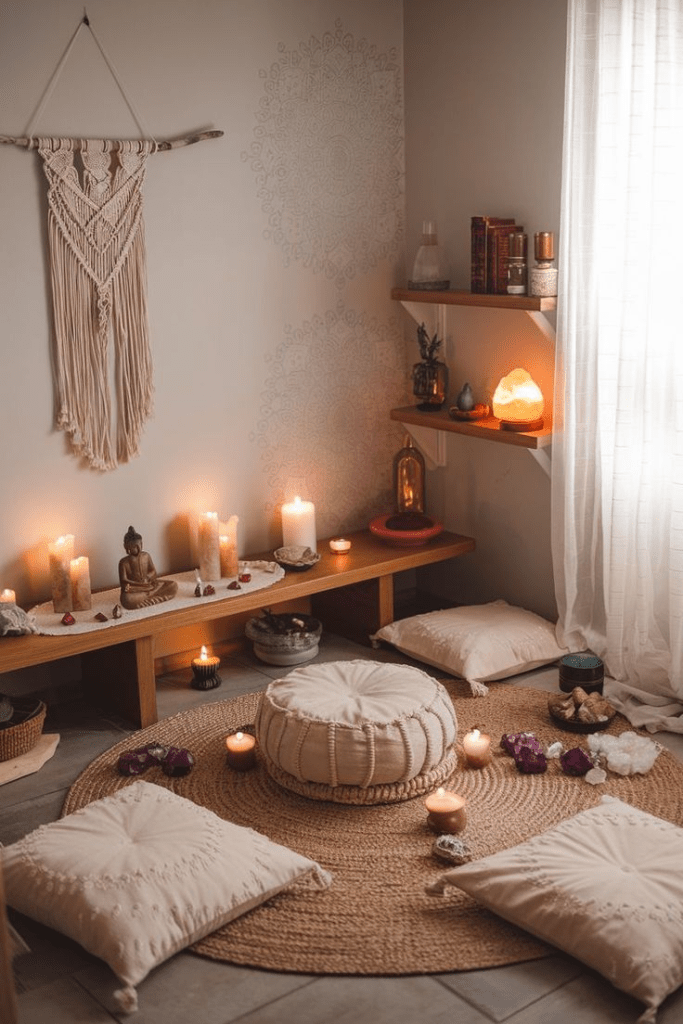
You don’t need an entire room for meditation. A small, comfortable corner can become a dedicated place for quiet reflection.
Add:
- A comfortable cushion
- A soft blanket
- A journal
- A plant
- A candle or meaningful object
Keep the space simple and uncluttered so it feels inviting rather than like another task to maintain.
3. Practice Daily Gratitude
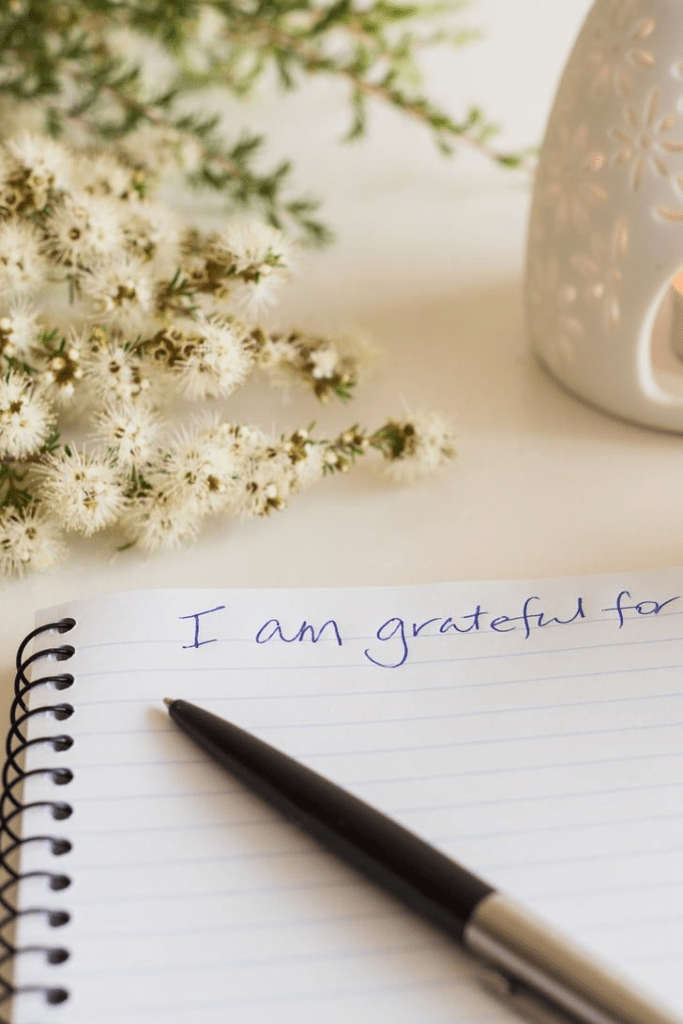
Gratitude can encourage you to pay attention to positive experiences that might otherwise get overlooked.
Each evening, write down three things you’re grateful for.
They can be simple:
- A peaceful morning
- A good conversation
- Time outdoors
- A delicious meal
- Completing something you’ve been putting off
4. Spend More Time in Nature

Nature can provide an easy opportunity to slow down and reconnect with the present moment.
Make it part of your routine by:
- Taking a morning walk
- Sitting in a garden
- Watching the sunset
- Gardening
- Walking without headphones occasionally
Focus on what you can see, hear, smell, and feel rather than trying to make the experience productive.
5. Keep a Spiritual Journal
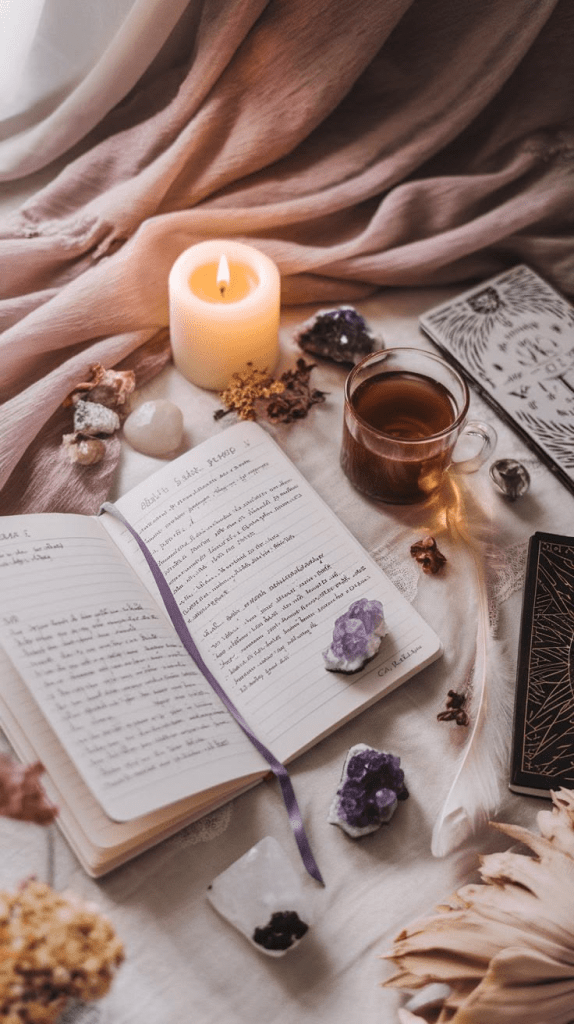
Journaling can help you explore your thoughts, values, emotions, and personal goals.
Try prompts such as:
- What am I learning about myself?
- What do I want to release?
- What am I grateful for today?
- What matters most to me right now?
- What would a more peaceful day look like?
There are no right or wrong answers.
6. Create Screen-Free Moments
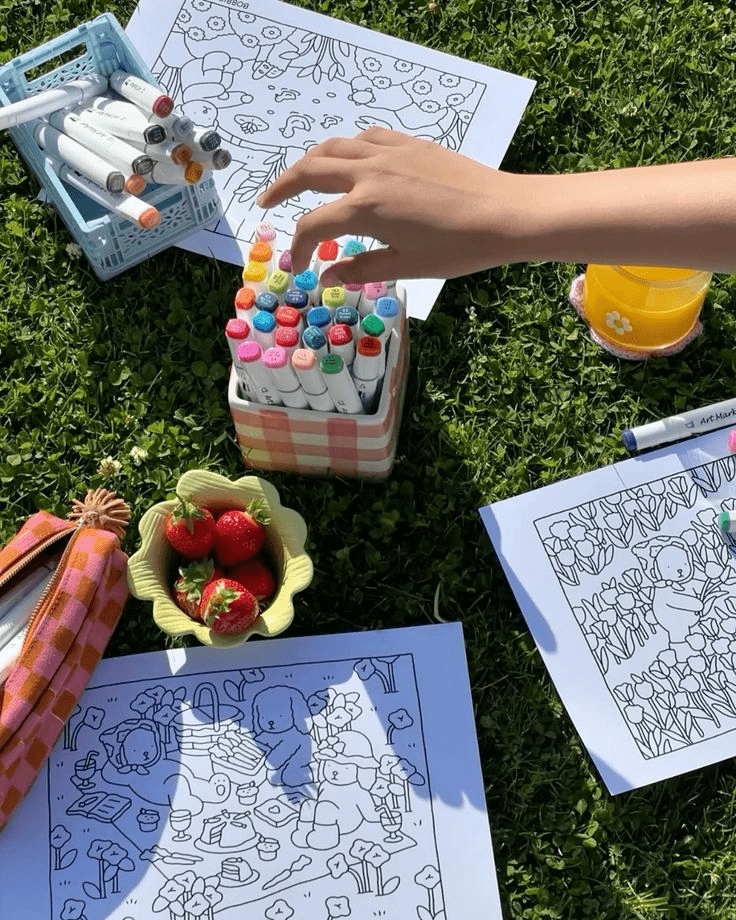
Constant notifications and scrolling can make it difficult to create quiet moments.
Choose a few periods during the day to disconnect from your devices.
Start with:
- Screen-free meals
- A phone-free morning routine
- An evening without social media
- Reading before bed
- A quiet weekend walk
Even short breaks can create more space for reflection.
7. Build a Simple Evening Ritual
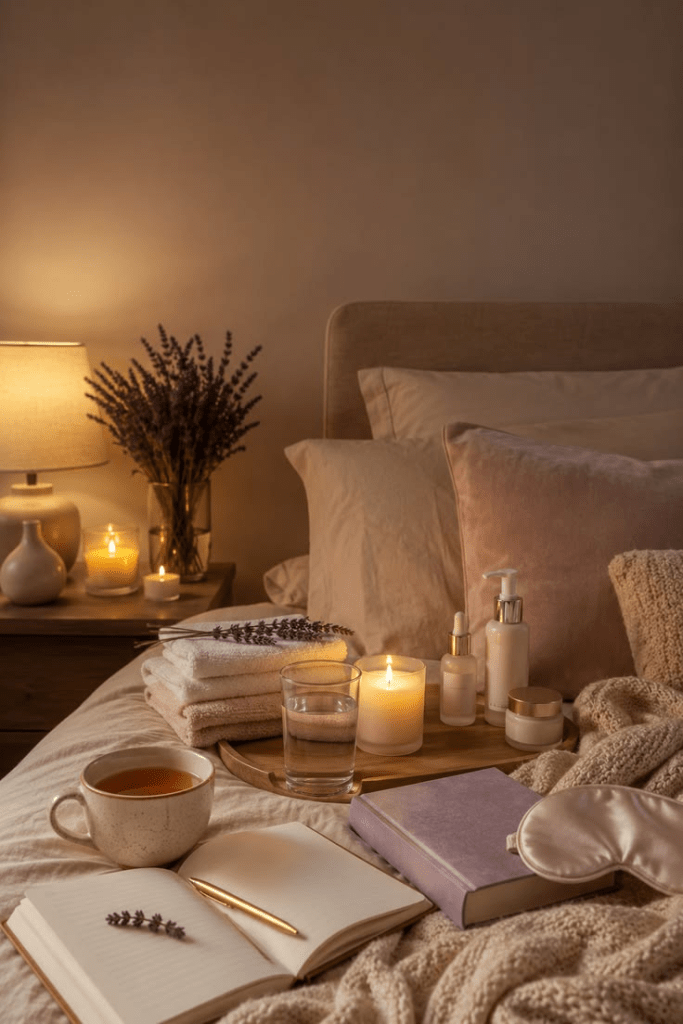
A peaceful evening routine can help you transition away from the day’s responsibilities.
Try:
- Dimming the lights
- Stretching gently
- Journaling
- Reading something meaningful
- Practicing meditation
- Reflecting on the day’s highlights
Keep the routine realistic so it feels calming rather than restrictive.
8. Choose Intentional Living Over Perfection

A peaceful spiritual lifestyle isn’t about following every practice perfectly. It’s about becoming more intentional about how you spend your time and energy.
Ask yourself:
- Does this support my values?
- Does this habit bring me peace?
- What can I simplify?
- Where can I create more space?
- What deserves my attention today?
Allow your routine to change as your needs and priorities change.
Summary
A peaceful spiritual lifestyle can begin with small, consistent choices rather than dramatic changes. Morning reflection, meditation, gratitude, time in nature, journaling, screen-free moments, and a calming evening routine can all create opportunities for greater mindfulness and self-awareness. Choose the practices that genuinely resonate with you and leave room for flexibility. The goal isn’t perfection—it’s creating a daily rhythm that feels more intentional, grounded, and peaceful.
Frequently Asked Questions
What is a spiritual lifestyle?
A spiritual lifestyle is a way of living that gives intentional space to reflection, meaning, personal values, mindfulness, faith, or a sense of connection. It can look different for every person.
How can I start a spiritual lifestyle as a beginner?
Start with one simple practice, such as five minutes of meditation, a gratitude journal, quiet prayer, or a daily walk in nature. Build gradually rather than trying to change everything at once.
Do I need to meditate every day?
No. Meditation is optional, and there is no single schedule that works for everyone. Even occasional mindful pauses can become part of a reflective routine.
How can I make my home feel more spiritual?
Keep a small area dedicated to quiet reflection and add meaningful objects such as plants, books, artwork, candles, or items connected to your personal beliefs. Avoid unnecessary clutter.
Can spirituality help create a calmer routine?
Spiritual or mindfulness practices may help some people create intentional pauses and reflect on their priorities. They should complement, rather than replace, appropriate professional support when dealing with significant mental or physical health concerns.
What should I write in a spiritual journal?
Write about gratitude, personal values, emotions, goals, lessons you’ve learned, or questions you’re currently exploring. You can also use daily reflection prompts.
How can I practice spirituality when I’m busy?
Keep it simple. Take a few mindful breaths, spend five minutes outdoors, write one sentence in a journal, or create a short screen-free period during your day.
What is the most important part of a peaceful spiritual lifestyle?
Consistency and authenticity matter more than having a complicated routine. Choose practices that fit your beliefs, values, and everyday life, and give yourself permission to adapt them over time.